
Chicago, a city celebrated for its towering architecture, vibrant arts scene, and deep-dish pizza, holds within its sprawling landscape a myriad of neighborhoods, each with its own unique story. Among these, a particular area on the South Side has garnered global attention, not for its historical landmarks or tourist attractions, but for its intense association with drill music culture and its challenging socio-economic realities. This area is widely known as O Block. For travelers seeking a comprehensive understanding of Chicago’s multifaceted identity, or those curious about the origins of a significant cultural phenomenon, knowing the location and context of O Block is essential.
While not a typical tourist destination, O Block represents a significant cultural landmark, albeit one born from adversity. It’s a place that has profoundly influenced contemporary music and continues to be a focal point in discussions about urban life, poverty, and resilience in America’s third-largest city. Understanding O Block’s place on the map and in the cultural lexicon allows for a deeper appreciation of the complex tapestry that makes up Chicago. This article will pinpoint its location, delve into its history and cultural impact, and provide context for travelers interested in exploring the broader South Side of Chicago responsibly.

Pinpointing the Infamous O Block
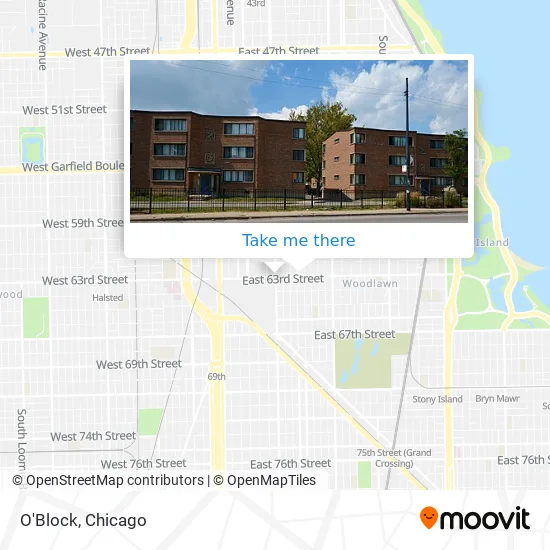
To answer the question directly, O Block is the colloquial name for a specific housing complex located on the South Side of Chicago. More formally, it is known as Parkway Gardens Homes.
The Legacy of Parkway Gardens Homes
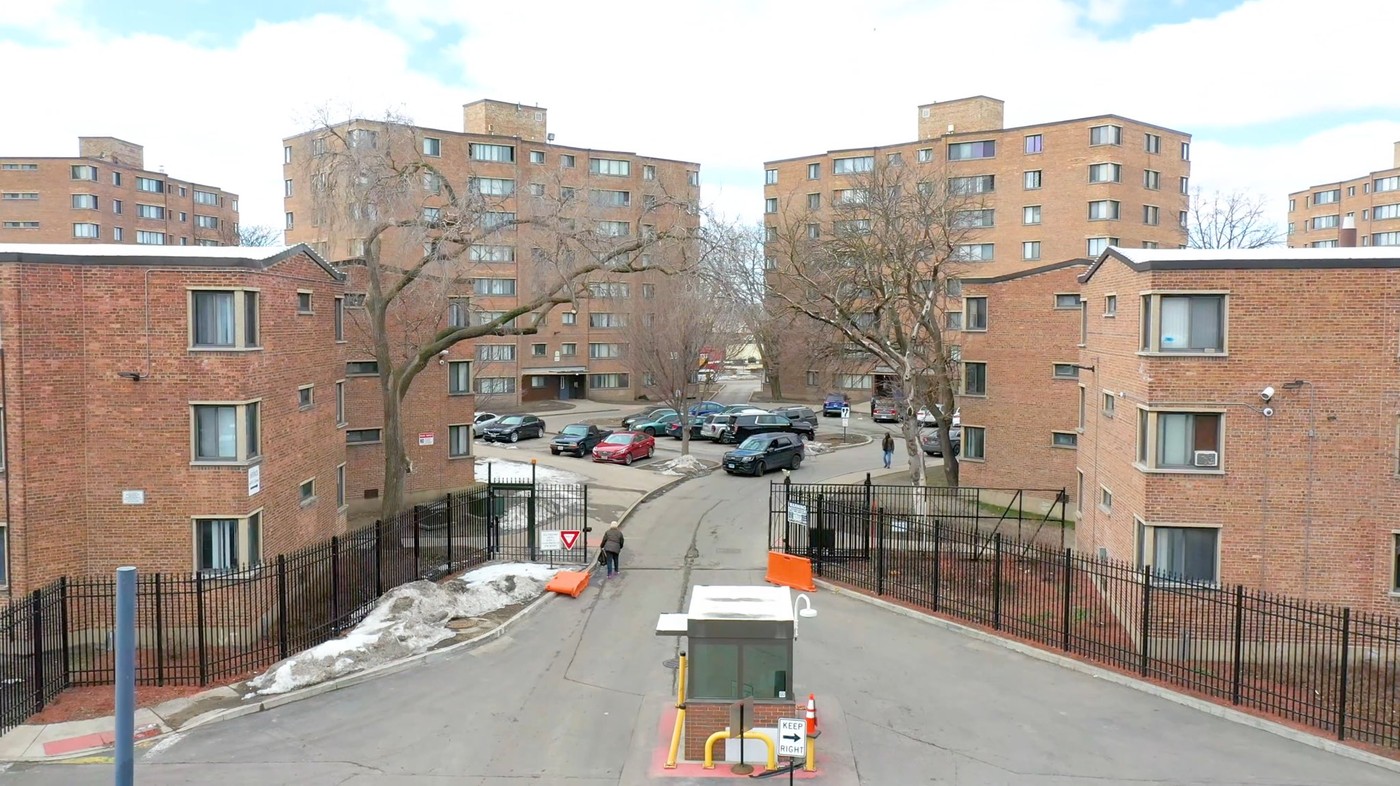
Parkway Gardens Homes is situated in the Greater Grand Crossing neighborhood, specifically at 6400 South Martin Luther King Jr. Drive, Chicago, IL. It’s a sprawling apartment complex comprising several red-brick buildings, known for its distinctive architecture and historical significance. The complex covers approximately 13 acres and houses hundreds of residents in its more than 690 units.
What many might not realize is that Parkway Gardens Homes was not originally designed to be a hotbed of urban hardship. Quite the contrary, when it was built in 1950, it was hailed as a revolutionary model of affordable, well-designed housing. It was envisioned as a private cooperative apartment complex, providing middle-income families, many of whom were African American, with modern amenities and green spaces. The architectural design was progressive for its time, employing a campus-like layout with courtyards and pedestrian pathways, designed by the firm of Schmidt, Garden and Erickson. Its historical and architectural significance even led to its listing on the National Register of Historic Places in 2011.
Over the decades, however, like many urban housing projects across the United States, Parkway Gardens faced significant challenges related to disinvestment, changing demographics, increasing poverty, and gang violence. What was once a beacon of progressive urban planning gradually transformed into an area grappling with high crime rates and socio-economic struggles. This transformation is a complex narrative common to many inner-city communities, reflecting broader shifts in urban policy and economic landscapes. For visitors interested in urban history and social studies, understanding the evolution of places like Parkway Gardens offers a poignant glimpse into Chicago’s past and present.
Geographical Context within Chicago’s South Side
The South Side of Chicago is a vast and diverse region, encompassing a wide array of neighborhoods from affluent, university-anchored areas like Hyde Park to historically rich cultural centers like Bronzeville, and industrial zones. O Block, located in Greater Grand Crossing, is situated roughly 8 miles south of Chicago’s downtown Loop.
Key nearby landmarks and areas include:
- Washington Park: A large, historic park designed by Frederick Law Olmsted, offering green space and recreational facilities, located to the west.
- University of Chicago: One of the world’s leading academic institutions, situated in the more affluent Hyde Park neighborhood, a few miles east.
- Museum of Science and Industry: A major tourist attraction, also in Hyde Park.
- Barack Obama Presidential Center: Currently under construction in Jackson Park, southeast of O Block, poised to become a significant draw for visitors to the South Side.
While O Block itself is a residential complex, its location within the South Side places it amidst areas of profound historical and cultural importance to Chicago’s African American community. Understanding its geographical placement provides context for understanding the broader social dynamics at play in this part of the city.
The Cultural Resonance of O Block
The name “O Block” itself is not the official designation of the housing complex but a moniker that gained traction and widespread recognition due to its profound connection to Chicago’s drill music scene. This cultural phenomenon transformed a residential area into a global symbol of a specific subgenre and lifestyle.
From Drill Music to Global Recognition
Drill music, characterized by its often dark, violent, and nihilistic lyrical content detailing street life, originated in Chicago in the early 2010s. Artists emerging from the South Side, particularly those with direct ties to Parkway Gardens Homes, played a pivotal role in popularizing the genre. Rappers like Chief Keef, who grew up in Parkway Gardens, catapulted to international fame, bringing the struggles and realities of his neighborhood to a global audience.
Other prominent drill artists such as King Von (who also resided in Parkway Gardens before his death) further solidified O Block’s legendary status within the music world. Their lyrics frequently reference the complex, its streets, its internal rivalries, and the daily challenges faced by its residents, effectively turning the location into a character in their narratives. This music, despite its controversial nature, offered a raw and unfiltered look at a side of Chicago rarely seen by outsiders, giving voice to a community often overlooked.
The global spread of drill music meant that “O Block” transcended its physical boundaries to become a symbol of urban authenticity, resilience, and hardship. It attracted curiosity from fans worldwide, leading many to search for its actual location and history. For travelers with an interest in contemporary music, urban culture, and socio-economic narratives, O Block represents a significant cultural flashpoint that has shaped popular discourse and artistic expression.
The Story Behind the Name: Odee Perry
The name “O Block” is a tribute to Odee Perry, a young man from Parkway Gardens who was tragically killed in 2011. His death was a significant event in the ongoing gang conflicts in the area, and his memory was honored by his friends and associates who began referring to their complex as “O Block” in his honor. This practice of naming neighborhoods or specific blocks after fallen individuals is a common way to commemorate and claim territory in certain urban youth cultures.
The naming of O Block underscores the deep personal connections and intense loyalty that characterize these communities, often in the face of systemic challenges. It is a poignant reminder that behind the headlines and musical narratives are real lives, real losses, and communities striving for identity and recognition. For those interested in local culture and the human stories behind urban legends, the origin of the name “O Block” offers valuable insight into the social fabric of the Greater Grand Crossing neighborhood.
Exploring Chicago’s South Side: Beyond the Headlines
While O Block itself is a residential area and not a tourist attraction in the traditional sense, its location within the vast South Side of Chicago opens up opportunities for travelers to explore a rich and historically significant part of the city. The South Side offers a wealth of cultural, educational, and historical experiences that provide a fuller picture of Chicago beyond its downtown core.
Historical and Cultural Landmarks Nearby
For travelers looking to delve deeper into Chicago’s history and culture, several notable landmarks and neighborhoods are accessible on the South Side:
- Bronzeville: Often called the “Black Metropolis,” Bronzeville was a thriving center of African American culture, business, and art during the Great Migration. Visitors can explore historic buildings, public art, and learn about figures like Louis Armstrong and Ida B. Wells. The DuSable Black History Museum and Education Center is a must-visit.
- Hyde Park: Home to the prestigious University of Chicago, this neighborhood boasts stunning architecture, intellectual vibrancy, and major attractions like the Museum of Science and Industry and the future Barack Obama Presidential Center. It offers beautiful lakefront access along Lake Michigan.
- Pullman National Monument: Further south, this historic planned industrial community offers a fascinating glimpse into American labor history and utopian urban planning.
- Jackson Park and Washington Park: Designed by landscape architect Frederick Law Olmsted, these parks offer vast green spaces, lagoons, and host various community events.
Visiting these areas provides context and contrast to the narratives often associated with places like O Block, showcasing the diversity and depth of the South Side’s heritage. It allows for an appreciation of the entire city’s complexity, rather than focusing solely on its challenges or its more commercialized areas.
Navigating the Area Safely and Responsibly
For travelers venturing into any urban environment, particularly areas that have faced socio-economic challenges, safety and respect are paramount. While Chicago’s overall crime rates have seen fluctuations, some neighborhoods, including parts of the South Side like Greater Grand Crossing or Englewood, do experience higher levels of violence.
Travelers are generally advised to exercise caution, especially if unfamiliar with the specific dynamics of these neighborhoods. It’s recommended to:
- Plan your route: Stick to well-trafficked main roads and avoid walking alone, especially after dark.
- Be aware of your surroundings: Minimize distractions from phones or headphones.
- Utilize reliable transportation: Public transport (CTA buses and trains) can take you to many South Side attractions, but ride-sharing services or taxis might be preferred for direct travel to specific points.
- Respect privacy: O Block is a residential community. While its cultural significance is undeniable, it is home to real people. Approaching it with an attitude of curiosity rather than sensationalism, and respecting residents’ privacy, is crucial. Avoid intrusive photography or actions that could make residents feel uncomfortable or exploited.
The goal of exploring the South Side should be to gain a richer understanding of Chicago’s diverse communities and history, not to seek out areas known for their challenges in an exploitative manner. Responsible tourism involves cultural sensitivity and prioritizing safety for both visitors and residents.
Accommodation and Travel Considerations in Chicago
While staying directly near O Block is not a recommended accommodation choice for most travelers due to safety concerns and lack of tourist infrastructure, Chicago offers a vast array of hotels and lodging options across the city that cater to every type of lifestyle and budget. Understanding transportation within Chicago is key to navigating its diverse neighborhoods.
Staying Connected: Transportation Options
Chicago boasts an excellent public transportation system, the CTA (Chicago Transit Authority), which includes an extensive network of ‘L’ trains (elevated and subway lines) and buses.
- ‘L’ Trains: The ‘L’ lines can take you to most major attractions, including connecting downtown to both Midway International Airport and O’Hare International Airport. The Green Line runs closest to the Greater Grand Crossing area, making it possible to access the general vicinity of O Block and other South Side cultural sites.
- Buses: CTA buses fill in the gaps, reaching neighborhoods not directly served by the ‘L’.
- Ride-sharing and Taxis: Services like Uber and Lyft are readily available throughout the city and offer convenient, door-to-door transport, which can be particularly useful when exploring less tourist-centric areas or traveling late at night.
- Metra Commuter Rail: For longer distances, especially to the far South Side or suburbs, Metra trains offer a comfortable option.
For a true Chicago experience, consider purchasing a Ventra Card for easy tap-and-go access to all CTA services. This makes exploring the city, from the bustling Loop to the cultural gems of the South Side, seamless and efficient.
Hotels and Lodging Across the City
Chicago’s accommodation landscape is incredibly varied, catering to luxury travelers, budget-conscious explorers, families, and business guests alike. While there are no specific tourist hotels in the immediate vicinity of O Block, central Chicago offers abundant choices:
- Luxury Hotels: For a premium lifestyle experience, consider the Four Seasons Hotel Chicago, The Langham Chicago, or The Peninsula Chicago along the Magnificent Mile or in the River North neighborhood. These offer exquisite amenities, fine dining, and unparalleled service.
- Mid-Range and Boutique Hotels: Options like the Thompson Chicago in the Gold Coast, the Hotel EMC2 in Streeterville, or The Hoxton Chicago in Fulton Market provide stylish comfort and unique experiences.
- Budget-Friendly Options: Numerous well-known chains and independent hotels in the Loop, Wicker Park, or near Midway International Airport offer comfortable stays without breaking the bank. Historic hotels like The Palmer House Hilton combine grandeur with accessible pricing in the heart of downtown.
- Apartments and Villas: For longer stays or family trips, services like Airbnb offer a range of apartments and villas across different neighborhoods, providing a more local experience.
Choosing accommodation in areas like the Loop, River North, Magnificent Mile, Lincoln Park, or Hyde Park provides convenient access to attractions while ensuring a comfortable and safe base for your Chicago exploration. From these central locations, you can easily access any part of the city, including its diverse South Side neighborhoods, through Chicago’s extensive transportation network.
Understanding Chicago’s Complex Tapestry
Chicago is a city of profound contrasts, where gleaming skyscrapers cast shadows over historic neighborhoods, and vibrant cultural scenes thrive alongside communities grappling with significant social challenges. Places like O Block are an integral part of this complex tapestry, offering a window into the realities of urban life that often go unseen by the casual tourist.
For any traveler seeking a truly immersive and authentic experience of a destination, understanding all facets of its identity is crucial. While a direct “tourism” visit to O Block is neither encouraged nor practical, learning about its location, history, and cultural significance provides invaluable context for the city of Chicago. It deepens one’s appreciation for the city’s resilience, its struggles, and its undeniable impact on global culture, particularly through music.
Whether you’re exploring the architectural marvels of the Loop, admiring masterpieces at the Art Institute of Chicago, taking in the views from the Willis Tower, strolling through Millennium Park, or delving into the rich history of the South Side at the Field Museum, Shedd Aquarium, or Adler Planetarium and Lincoln Park Zoo, remember that every corner of Chicago tells a story. O Block is one such story, a testament to the city’s enduring complexities and its powerful influence on the world stage. By approaching your travels with an open mind, a sense of responsibility, and a genuine desire to understand, you unlock a richer, more meaningful travel experience within this extraordinary American city.
LifeOutOfTheBox is a participant in the Amazon Services LLC Associates Program, an affiliate advertising program designed to provide a means for sites to earn advertising fees by advertising and linking to Amazon.com. Amazon, the Amazon logo, AmazonSupply, and the AmazonSupply logo are trademarks of Amazon.com, Inc. or its affiliates. As an Amazon Associate we earn affiliate commissions from qualifying purchases.