
Denver, Colorado, often hailed as the “Mile-High City” due to its elevation precisely one mile above sea level, boasts a captivating climate that is as dynamic as its vibrant culture. For travelers, understanding the temperature in Denver isn’t merely about checking a forecast; it’s about unlocking the full potential of their visit, influencing everything from what to pack to the very experiences they will cherish. Denver’s unique geographical position at the base of the Rocky Mountains in the heart of Colorado blesses it with over 300 days of sunshine a year, yet it experiences four distinct seasons, each with its own charm and challenges. The diurnal temperature range can be significant, meaning sunny mornings might give way to crisp evenings, and a warm spell could abruptly shift to a snow shower, even in spring.
This article delves into the nuances of Denver’s climate, providing an extensive guide to what temperatures to expect throughout the year and, more importantly, how these weather patterns impact travel, accommodation choices, tourism activities, and the overall lifestyle experience in this thriving metropolis. Whether you’re planning a luxurious mountain retreat, a budget-friendly city break, a family adventure, or a business stay, a grasp of Denver’s mercury will be your most valuable travel companion. From exploring iconic landmarks to savoring local cuisine, every aspect of your Denver journey will be touched by the exhilarating, often unpredictable, rhythm of its climate.
Understanding Denver’s Unique Climate: A Four-Season Guide
Denver’s location on the high plains, just east of the Rocky Mountains, creates a fascinating weather mosaic. The mountains act as a barrier, shielding the city from some severe weather systems while simultaneously influencing localized patterns. The city experiences relatively low humidity year-round, making even warmer temperatures feel more comfortable than in many other parts of the United States. However, the altitude means the sun’s rays are more intense, and temperatures can drop rapidly once the sun sets or a weather front moves in.
Springtime in the Mile-High City: Blossoms and Unpredictability
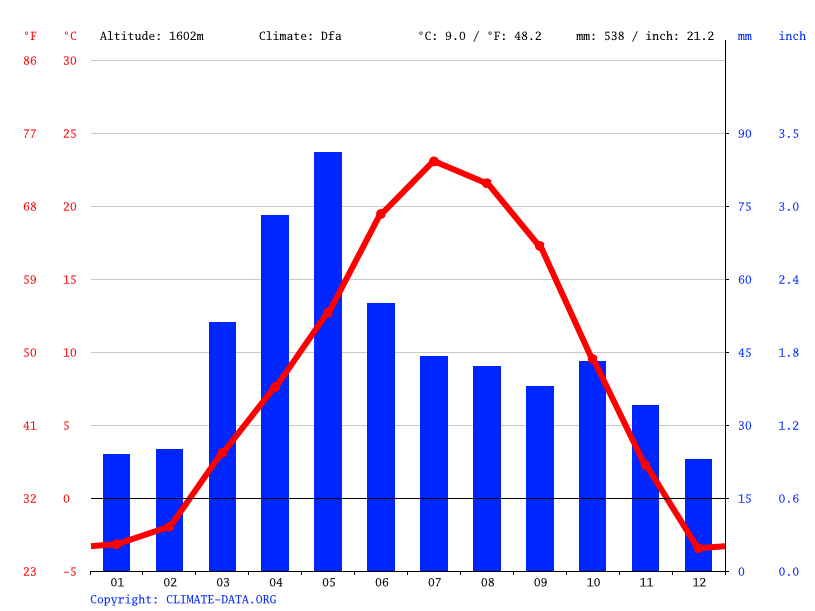
Spring in Denver, spanning from March to May, is a season of delightful contrasts and notorious unpredictability. Average daytime temperatures range from the mid-40s°F (7-9°C) in early spring to the mid-60s°F (15-18°C) by late May. Nighttime lows hover around freezing in March and gradually rise to the 40s°F (4-7°C) by May. What truly defines Denver’s spring, however, is the possibility of significant snowfall even after the daffodils have bloomed. It’s not uncommon for the city to experience heavy snowfalls in April or even early May, which often melt quickly under the strong spring sun.
This changeable weather means visitors need to pack layers and be prepared for anything. One day you might be enjoying an al fresco lunch in Cherry Creek North in a light jacket, and the next you could be admiring a fresh blanket of snow. This season is fantastic for exploring the city’s burgeoning culinary scene or visiting indoor attractions like the Denver Art Museum. For nature lovers, the Denver Botanic Gardens begin to burst with color, offering a vibrant spectacle against the backdrop of potential late-season snow. Travel during this period can offer more competitive accommodation rates, especially outside of school breaks, making it an attractive option for budget-conscious travelers seeking cultural immersion before the summer rush.

Summer in Denver: Sunny Days and Mountain Escapes
Summer, from June to August, is arguably Denver’s most popular season, characterized by abundant sunshine, low humidity, and warm, pleasant temperatures. Average daytime highs typically range from the low 80s°F (27-29°C) to the low 90s°F (32-34°C). While temperatures can occasionally spike higher, the dry air makes the heat much more bearable than in more humid climates. Evenings are refreshingly cool, often dropping into the 50s°F (10-15°C), providing a perfect reprieve from the daytime warmth.
This is prime time for outdoor enthusiasts. Hiking and mountain biking trails in the nearby Front Range are in full swing. Iconic outdoor venues like Red Rocks Amphitheatre host a packed schedule of concerts and events, offering breathtaking views alongside world-class entertainment. For those seeking a taste of Colorado’s renowned natural beauty, day trips to the Rocky Mountains National Park become easily accessible. Many hotels, from luxury resorts to family-friendly suites, feature outdoor pools and rooftop bars, capitalizing on the glorious weather. Summer lifestyle in Denver revolves around patios, parks, and al fresco dining, making it an ideal destination for family trips and those who enjoy an active, sun-drenched holiday.

Autumn’s Golden Hues: Crisp Air and Scenic Drives
September through November ushers in autumn, a truly magical season in Denver characterized by crisp air, clear skies, and spectacular fall foliage, particularly in the surrounding mountains. Daytime temperatures average from the high 60s°F (18-20°C) in early fall to the low 50s°F (10-12°C) by November. Nights become progressively colder, dipping into the 30s°F (0-4°C), signaling the approach of winter.
This season offers a perfect blend of comfortable weather for city exploration and breathtaking natural beauty just a short drive away. Leaf-peeping excursions along routes like the Mount Evans Scenic Byway (weather permitting before closures) or into areas around Golden and Idaho Springs are incredibly popular. Denver’s many parks transform into a kaleidoscope of reds, oranges, and yellows, inviting strolls and picnics. Harvest festivals and pumpkin patches become prevalent, offering a taste of local culture and agricultural heritage. Accommodation during the shoulder months of September and October can be a sweet spot, balancing pleasant weather with potentially fewer crowds than summer. This period is ideal for travelers interested in photography, scenic drives, and a more relaxed pace of exploring the city and its natural surroundings.
Winter Wonderland: Snow Sports and Cozy City Stays
Winter in Denver, from December to February, transforms the city into a gateway to world-class snow sports while offering its own unique charm within the urban landscape. Average daytime temperatures range from the low 40s°F (4-7°C), with nighttime lows often in the 20s°F (-6 to -2°C). While Denver experiences significant snowfall, averaging around 50-60 inches annually, snow typically melts quickly due to the abundant sunshine, often leaving streets clear within a day or two. The city usually experiences several major snowstorms each winter, creating a picturesque, festive atmosphere.
For many, Denver’s winter appeal lies in its proximity to renowned ski resorts like Vail, Breckenridge, and Aspen, making it a perfect base for ski and snowboard enthusiasts. Within the city, winter is a time for cozy indoor activities: exploring museums like the Molly Brown House Museum, enjoying the vibrant brewery scene, or ice skating in downtown Denver. Hotels often feature amenities like indoor pools, fireplaces in lobbies, and special winter packages. From luxurious resorts offering opulent winter escapes to more budget-friendly apartments perfect for longer stays, accommodation options cater to every traveler. Winter in Denver is an invitation to embrace the cold with warm spirits, whether hitting the slopes or enjoying the city’s festive lights and cultural offerings.
Planning Your Denver Trip Around the Thermometer
Effective planning is paramount for a truly rewarding visit to Denver, Colorado. Given its elevation and unique climate patterns, a well-thought-out itinerary and packing strategy will ensure you’re comfortable and ready to engage with all the city has to offer, regardless of the seasonal fluctuations in temperature.
Packing Smart for Denver’s Climate Swings
The golden rule for packing for Denver is layers, layers, layers. This is especially true during spring and fall, but even in summer, cool evenings make a light jacket or sweater essential. For winter, serious cold-weather gear is a must, particularly if you plan to venture into the mountains for skiing or snowboarding. Think waterproof outer layers, insulated jackets, thermal base layers, hats, gloves, and sturdy, waterproof boots. In summer, breathable fabrics are key for daytime comfort, but a medium-weight layer for evenings is still advisable.
Altitude sickness can be a concern for visitors coming from sea level. While not directly related to temperature, it’s a crucial climate-adjacent factor. Staying hydrated by drinking plenty of water, avoiding excessive alcohol on arrival, and taking it easy on your first day can help mitigate symptoms. Sun protection is also vital year-round due to the intense high-altitude sun; always carry sunscreen, sunglasses, and a hat, irrespective of the temperature.
Choosing the Right Accommodation for Every Season
Denver’s diverse range of accommodations offers something for every traveler and every season. When booking hotels, suites, resorts, or apartments, consider the time of year and your planned activities.
- Summer travelers might prioritize properties with refreshing outdoor pools or those offering easy access to city parks and outdoor dining patios. Many downtown hotels, such as the Hyatt Regency Denver, provide excellent amenities for warm-weather stays, including central locations for exploring urban attractions on foot. Vacation rentals and villas, popular for longer stays or family trips, often come with outdoor living spaces that are perfect for enjoying the pleasant summer evenings.
- Winter visitors, especially those heading to the slopes, might look for hotels offering shuttle services to ski resorts or those with cozy indoor amenities like heated pools, hot tubs, and inviting fireplaces. Boutique hotels like the Kimpton Hotel Born near Union Station offer sophisticated comfort perfect for chilly evenings, while larger resorts might feature on-site ski rentals and equipment storage. For a luxurious winter experience, consider options like The Ritz-Carlton, Denver, known for its opulent amenities and impeccable service.
- Spring and Fall offer a unique opportunity to experience both indoor and outdoor attractions. Hotels with flexible booking policies and comfortable common areas are ideal, allowing you to adapt to sudden weather changes. Look for properties that are centrally located, providing easy access to museums, restaurants, and shopping districts, regardless of whether it’s sunny or snowing.
Reviews and comparison sites are invaluable for finding the best accommodation that aligns with your seasonal needs and budget, from luxury escapes to more affordable, long-term stay options.
Maximizing Your Experience: Seasonal Activities and Events
Denver’s calendar of events and activities is intricately tied to its climate, offering a vibrant array of options throughout the year.
- Spring is excellent for cultural tourism. Explore the unique shops and art galleries in the RiNo Art District, enjoy craft brewery tours, or visit the Denver Museum of Nature & Science. As the weather warms, outdoor patios at restaurants and cafes begin to buzz, offering a taste of Denver’s acclaimed food scene.
- Summer is the undisputed season for outdoor activities. Beyond hiking and biking, consider whitewater rafting on the Arkansas River, catching a Colorado Rockies baseball game at Coors Field, or attending one of the many music festivals. The city’s parks host free concerts and movies, contributing to a lively, family-friendly atmosphere.
- Autumn is perfect for scenic drives to witness the changing aspens, visiting local pumpkin patches and corn mazes, or attending harvest festivals. Denver’s culinary scene shines with farm-to-table menus reflecting the season’s bounty. The cooler temperatures are also ideal for exploring historic neighborhoods and landmarks without the summer heat.
- Winter embraces snow sports and festive cheer. Beyond skiing, try ice skating at Skyline Park, explore the holiday markets, or marvel at the Denver Zoo Lights. Many indoor attractions, from the Downtown Aquarium to the History Colorado Center, provide engaging alternatives on colder days. Consider a cozy night out enjoying Denver’s award-winning restaurants and cocktail bars.
Denver’s Climate and Its Impact on Lifestyle and Tourism
Denver’s captivating climate doesn’t just dictate what you wear or where you stay; it profoundly shapes the very fabric of life in the city, influencing local culture, recreational pursuits, and its robust tourism economy. The year-round appeal of the outdoors, balanced with a thriving urban core, makes Denver a unique destination.
Outdoor Living: How Weather Shapes Denverite Life
The consistent sunshine and distinct seasons have fostered a highly active and outdoor-oriented lifestyle among Denver residents, affectionately known as Denverites. From morning runs along the Cherry Creek Trail to weekend excursions into the nearby Rocky Mountains, physical activity is woven into daily life. Parks are well-utilized in all but the harshest weather, and even in winter, a sunny day will see locals out walking, snowshoeing, or hitting the slopes. This active culture translates into a strong emphasis on health and wellness, with abundant fitness studios, outdoor gear shops, and fresh, locally sourced food options. This lifestyle appeal is a significant draw for those considering long-term stays or even relocation, contributing to Denver’s reputation as a city that truly balances urban sophistication with natural adventure.
Economic & Tourism Implications of Denver’s Weather
Denver’s climate is a cornerstone of its tourism economy. The mild, sunny summers attract visitors for hiking, biking, and festival-going, while the snowy winters position the city as the primary gateway to the state’s world-renowned ski industry. The predictable, dry conditions make it an attractive destination for conferences and business stays, ensuring comfortable transit and pleasant evenings. The year-round appeal supports a diverse tourism sector, from luxury travel to budget-friendly adventures, catering to families, solo travelers, and business professionals alike. The robust tourism also fuels the hospitality sector, from a wide array of hotels and resorts to a vibrant food and beverage scene, ensuring that every visitor finds not just a place to stay, but a memorable experience tailored to their tastes and the season’s offerings.
In conclusion, the temperature in Denver, Colorado is far more than a number on a thermometer. It’s an invitation to experience a city shaped by its environment, offering a spectrum of adventures and comforts across its four distinct seasons. Whether you crave the warmth of summer, the golden glow of autumn, the snowy embrace of winter, or the unpredictable charm of spring, Denver promises a dynamic and unforgettable journey, enriched by its unique climate. Plan wisely, pack smartly, and prepare to be captivated by the Mile-High City’s spirited embrace.
LifeOutOfTheBox is a participant in the Amazon Services LLC Associates Program, an affiliate advertising program designed to provide a means for sites to earn advertising fees by advertising and linking to Amazon.com. Amazon, the Amazon logo, AmazonSupply, and the AmazonSupply logo are trademarks of Amazon.com, Inc. or its affiliates. As an Amazon Associate we earn affiliate commissions from qualifying purchases.