
Florida, often affectionately known as the Sunshine State, is synonymous with pristine beaches, vibrant cities, world-class theme parks, and an unparalleled array of natural wonders. Among its most iconic residents, the American Alligator holds a special, almost legendary, status. These ancient reptiles are an integral part of Florida’s diverse ecosystem, captivating the imagination of millions of tourists and residents alike. The question, “How many alligators are in Florida?” is more than just a matter of curiosity; it speaks to the very heart of the state’s wild allure and the delicate balance between human development and natural preservation.
Understanding the alligator population is crucial for anyone planning a visit, seeking to enjoy Florida’s natural attractions, or simply curious about the wildlife that makes this destination so unique. Far from being elusive, alligators are a common sight across the state, from remote wetlands to urban retention ponds. Their presence shapes everything from local tourism offerings to safety guidelines, making them an unavoidable and fascinating aspect of the Florida experience.
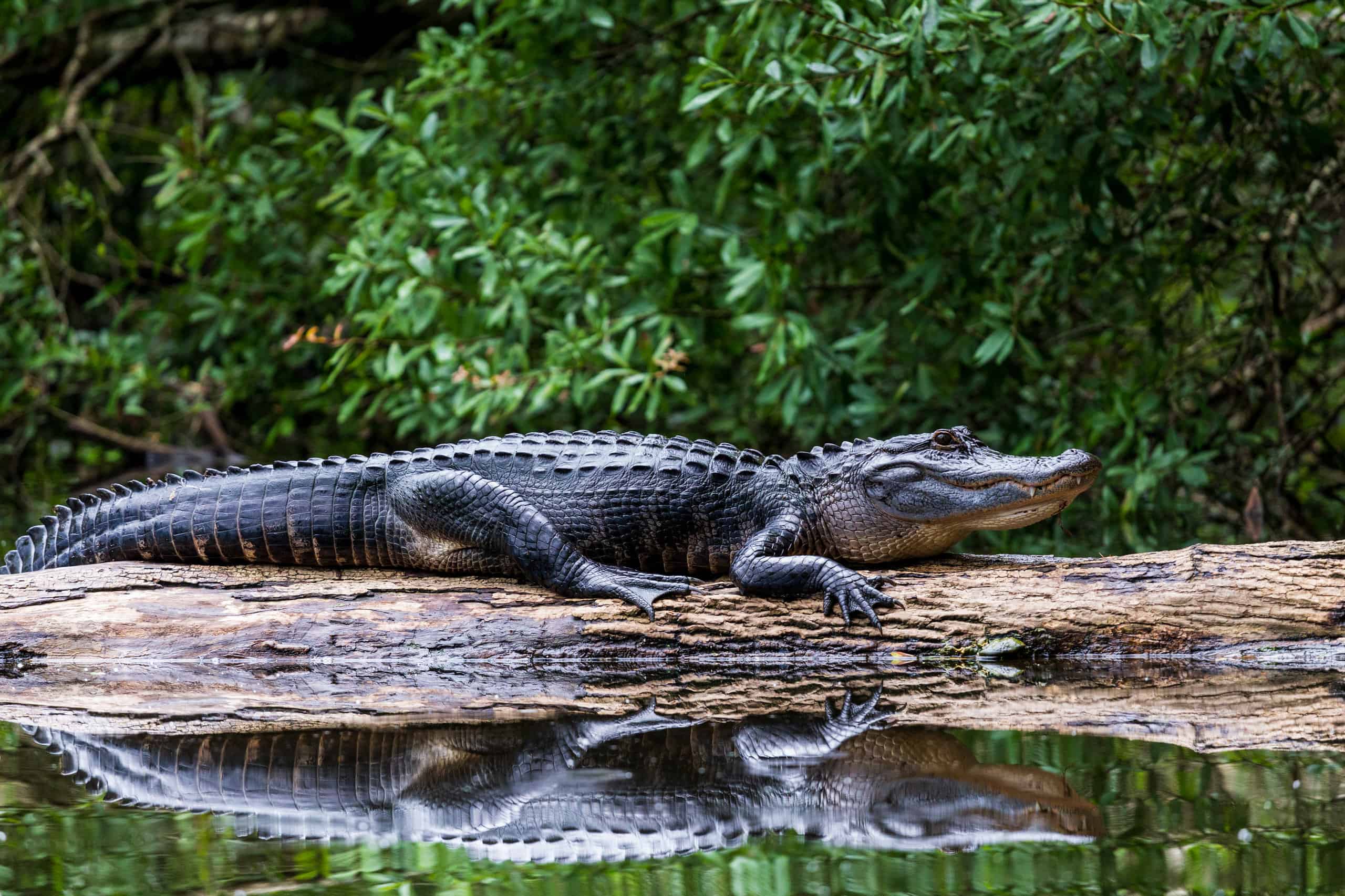
Florida’s Alligator Population: A Thriving Ecosystem
Florida is a true bastion for the American Alligator. While exact figures fluctuate, estimates from the Florida Fish and Wildlife Conservation Commission (FWC) suggest a staggering population of approximately 1.3 million alligators residing within the state’s borders. This makes Florida one of the most densely populated alligator habitats in the world. This impressive number isn’t just a testament to the resilience of these reptiles but also to the success of conservation efforts and the state’s abundant natural resources that provide ideal conditions for them to thrive.
The journey of the American Alligator is a remarkable conservation success story. Once listed as an endangered species in the late 1960s due to overhunting and habitat loss, stringent protections and dedicated wildlife management programs allowed their numbers to rebound dramatically. By 1987, the alligator was removed from the endangered species list, becoming one of the first species to fully recover under the Endangered Species Act. Today, they are classified as a species of “least concern,” a monumental achievement that underscores the importance of wildlife conservation for future generations of travelers and nature enthusiasts.
Where Alligators Thrive Across the Sunshine State
The vast majority of Florida’s 1.3 million alligators are distributed throughout the state’s diverse aquatic environments. From the vast expanse of the Everglades National Park in South Florida to the numerous lakes, rivers, canals, and swamps found in Central Florida and North Florida, alligators are ubiquitous. They prefer freshwater habitats but can also be found in brackish waters, showcasing their adaptability.
Key habitats include:
- Everglades National Park: This massive wetland ecosystem is perhaps the most famous alligator habitat in Florida, offering vast territories for these reptiles to roam and hunt.
- Lake Okeechobee: The largest freshwater lake in Florida is home to a significant alligator population, with its shallow waters and extensive marshlands providing excellent cover and food sources.
- State Parks and Wildlife Refuges: Numerous state parks and national wildlife refuges, such as Myakka River State Park near Sarasota, St. Marks National Wildlife Refuge in the Panhandle, and Lake Kissimmee State Park near Kissimmee, offer protected environments where alligators thrive and can be observed responsibly.
- Urban and Suburban Waters: It’s not uncommon to spot alligators in ponds, canals, and golf course water hazards even in heavily populated areas like Orlando, Miami, and Tampa. This proximity highlights the importance of respecting their presence and following safety guidelines, whether you’re staying in a luxury resort or a quaint apartment rental.
Encountering Alligators: Responsible Tourism and Safety
For many visitors, seeing an alligator in its natural habitat is a quintessential Florida experience. It’s a connection to the wild, ancient heart of the state that often overshadows the manufactured thrills of theme parks. Responsible tourism is paramount when seeking out these creatures, ensuring both visitor safety and the welfare of the alligators.
Prime Locations for Safe Alligator Sightings
While you might glimpse an alligator in almost any body of water, several destinations are specifically designed for safe and educational encounters, making them excellent attractions for travelers:
- Gatorland (Orlando): Known as the “Alligator Capital of the World,” Gatorland is a 110-acre theme park and wildlife preserve located just south of Orlando. It offers close-up views of thousands of alligators and crocodiles, thrilling shows, a breeding marsh, and unique experiences like the Screamin’ Gator Zip Line over alligator habitats. This is an ideal destination for families and those who prefer a curated wildlife experience.
- Everglades National Park: For a truly wild experience, the Everglades offers various ways to see alligators, including airboat tours, ranger-led programs, and observation decks along trails like the Anhinga Trail. Airboat tours, in particular, provide an exhilarating way to traverse the sawgrass prairies and mangrove forests, often bringing visitors within sight of basking alligators.
- St. Augustine Alligator Farm Zoological Park: As the only facility in the world to exhibit every living species of crocodilian, this historic park in St. Augustine offers an incredible educational opportunity alongside diverse wildlife displays and a popular zip-line course.
- Myakka River State Park: Located east of Sarasota, this park is one of Florida’s oldest and largest state parks. It’s renowned for its fantastic wildlife viewing, including numerous alligators, especially visible around the Upper Myakka Lake where airboat and tram tours are available.
These attractions not only provide a chance to see alligators but also contribute to conservation efforts and educate visitors on the importance of these reptiles to the ecosystem.
Essential Safety Tips for Visitors
While alligator attacks on humans are rare, they can occur, making awareness and caution essential for anyone exploring Florida’s natural areas. Adhering to simple safety rules can prevent potential conflicts and ensure a pleasant and safe experience for everyone, whether you’re enjoying a relaxing stay at a resort or venturing into the wilderness.
- Keep Your Distance: Always maintain a safe distance from alligators. If you see one, give it plenty of space, especially if it’s on land or appears agitated.
- Never Feed Alligators: Feeding alligators habituates them to humans, making them lose their natural fear and associate people with food. This is illegal and dangerous. Always discourage others from feeding them as well.
- Swim Only in Designated Areas: Avoid swimming, wading, or letting pets enter waters where alligators are known to live, especially during dawn, dusk, and nighttime when they are most active.
- Supervise Children and Pets: Keep children and pets away from the edges of bodies of water. Alligators perceive small animals as potential prey.
- Be Aware of Your Surroundings: When walking near lakes, ponds, or canals, stay alert and watch for signs of alligators.
- Report Concerns: If an alligator appears to be a threat to people or pets, contact the Florida Fish and Wildlife Conservation Commission (FWC) hotline immediately.
By following these guidelines, visitors can appreciate Florida’s wild inhabitants without incident, promoting a harmonious coexistence between humans and wildlife.
Planning Your Florida Getaway: Integrating Wildlife Encounters
Florida’s allure extends far beyond its famous theme parks. For many, the opportunity to connect with nature, witness its vibrant ecosystems, and encounter incredible wildlife like the American Alligator is the primary draw. When planning a trip to the Sunshine State, integrating these wildlife encounters into your itinerary can enrich your travel experience significantly.
Choosing Your Accommodation: Hotels and Resorts Near Wildlife Areas
Your choice of accommodation can greatly influence your ability to explore Florida’s natural side. Many hotels, resorts, suites, and even apartments are strategically located to provide easy access to national parks, state parks, and wildlife refuges.
- Near the Everglades: If an Everglades adventure is high on your list, consider staying in areas like Homestead or Florida City in South Florida, which offer a range of hotels and motels. For a more upscale experience, Miami offers numerous luxury resorts, and day trips to the Everglades are easily arranged.
- Orlando and Kissimmee Area: While known for theme parks, these areas also boast proximity to attractions like Gatorland and numerous natural lakes and wetlands. Many Orlando hotels and resorts cater to families and offer amenities that blend relaxation with opportunities for adventure, including guided nature excursions. Consider resorts that feature extensive grounds, as some may even have their own protected wetlands.
- Gulf Coast and Southwest Florida: Cities like Sarasota, Fort Myers, and Naples on the Gulf Coast are close to popular wildlife viewing spots like Myakka River State Park and the Ding Darling National Wildlife Refuge on Sanibel Island and Captiva. These areas offer everything from luxurious beachfront villas and resorts to cozy boutique hotels and vacation rentals, perfect for those seeking both beach relaxation and nature exploration.
- Booking and Reviews: When choosing accommodation, leverage online booking platforms and review sites. Look for feedback regarding proximity to natural attractions, quiet settings, and any specific eco-tourism initiatives the establishment might offer. Comparing different options – from full-service resorts with extensive amenities to more budget-friendly apartments – can help you find the perfect match for your travel style and budget.
Beyond the Gators: Exploring Florida’s Diverse Attractions
While alligators are undoubtedly a highlight, Florida’s appeal is incredibly broad. A comprehensive travel plan should balance wildlife encounters with the state’s other world-renowned attractions.
- Theme Parks: No trip to Florida is complete for many without experiencing the magic of Walt Disney World Resort or the thrills of Universal Studios Florida in Orlando, or the roller coasters of Busch Gardens Tampa Bay in Tampa.
- Beaches: Florida’s coastline boasts some of the best beaches in the world, from the sugar-white sands of Siesta Key to the vibrant shores of South Beach Miami.
- Cultural and Historical Landmarks: Explore the historic streets of St. Augustine, America’s oldest continuously inhabited European-established settlement, or delve into the rich Cuban culture of Miami’s Little Havana.
- Space Exploration: Witness the awe-inspiring power of space travel at the Kennedy Space Center Visitor Complex on the Atlantic Coast.
- Coastal Cities: Experience the vibrant arts scene and nightlife of Miami, the family-friendly charm of Tampa, or the laid-back, bohemian atmosphere of Key West at the southernmost tip of the Florida Keys.
Integrating these varied interests allows for a rich and diverse Florida experience, catering to different lifestyle preferences, whether you’re a luxury traveler seeking exclusive experiences or a budget-conscious adventurer.
Lifestyle Choices: Budget vs. Luxury Travel
Florida offers travel options to suit every lifestyle and budget.
- Luxury Travel: For those seeking opulent experiences, Florida abounds with five-star resorts, private villas, and bespoke tour operators. Imagine staying in a beachfront suite in Naples, chartering a private airboat tour of the Everglades, or indulging in gourmet dining in Miami after a day of exclusive shopping. High-end accommodations often feature amenities like private pools, concierge services, and curated experiences that can include guided wildlife photography tours.
- Budget Travel: Florida is also highly accessible for budget travelers. There are numerous affordable hotel chains, vacation rentals (including apartments and condos), and campgrounds, especially near state parks and less-traveled areas. Public parks and free beach access offer fantastic opportunities for nature viewing and relaxation without breaking the bank. Self-guided tours, picnics instead of restaurant meals, and taking advantage of free local attractions can significantly reduce costs. Family trips can be made affordable by opting for accommodation with kitchenettes and focusing on state parks and public beaches, which offer incredible value.
Regardless of your budget, thoughtful planning and researching options for booking, reviews, and comparison will help you craft an unforgettable Florida adventure that includes its wild side.
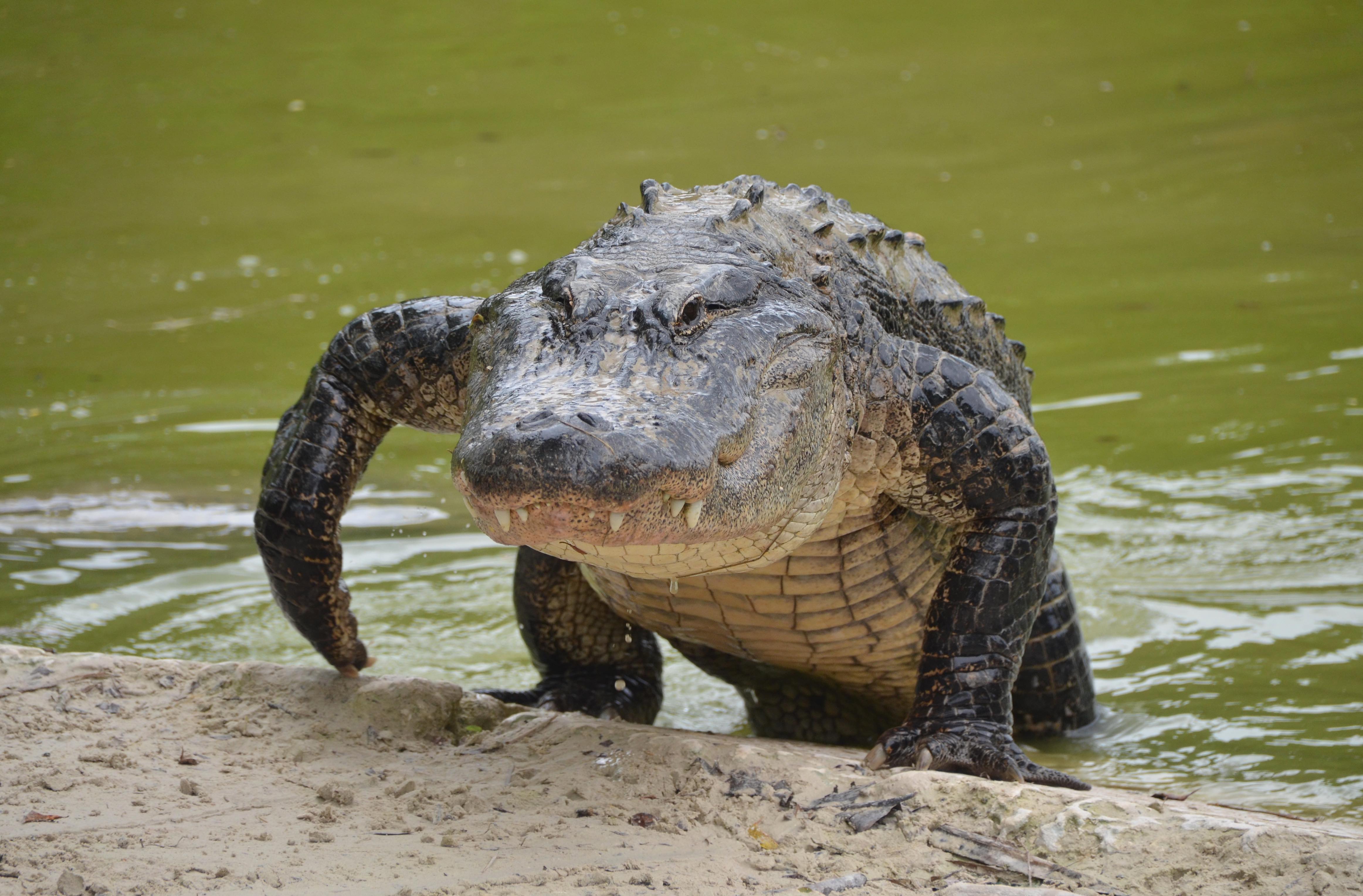
In conclusion, the answer to “How many alligators are in Florida?” is a robust 1.3 million, a testament to the state’s vibrant ecosystems and successful conservation efforts. These fascinating reptiles are an undeniable part of the Florida experience, offering unique opportunities for wildlife viewing and shaping the landscape of its tourism. By understanding their presence, respecting their habitats, and adhering to safety guidelines, visitors can safely enjoy the wild wonders of the Sunshine State while exploring its diverse attractions, from world-class hotels to pristine natural landmarks. Embark on your Florida adventure with an appreciation for its incredible natural heritage, and you’re sure to create memories that last a lifetime.
LifeOutOfTheBox is a participant in the Amazon Services LLC Associates Program, an affiliate advertising program designed to provide a means for sites to earn advertising fees by advertising and linking to Amazon.com. Amazon, the Amazon logo, AmazonSupply, and the AmazonSupply logo are trademarks of Amazon.com, Inc. or its affiliates. As an Amazon Associate we earn affiliate commissions from qualifying purchases.