
Florida, the Sunshine State, beckons millions of visitors each year with its pristine beaches, world-class theme parks, vibrant cities, and lush natural landscapes. Whether you’re planning a thrilling family adventure to Orlando’s famed attractions, a romantic getaway to the historic streets of St. Augustine, or a serene escape to the Florida Keys, understanding the local financial landscape is crucial for a smooth and enjoyable trip. Among the various aspects of budgeting for your Florida vacation, sales tax often emerges as a key consideration. Far more than just an added percentage, sales tax in Florida is a dynamic component that impacts everything from your morning coffee to your luxury hotel stay, and from souvenir shopping to admission to iconic landmarks.
For travelers, tourists, and those seeking temporary or long-term accommodation, navigating Florida’s sales tax system can seem complex. It’s not just a flat rate across the board; it varies by location, applies differently to various goods and services, and, most importantly for visitors, is complemented by specific tourism-related taxes that can significantly affect your overall expenditure. This comprehensive guide aims to demystify sales tax in Florida, offering insights into its structure, how it impacts your travel and lifestyle choices, and providing practical tips to help you budget effectively for your next Sunshine State experience.
Understanding Florida’s Sales Tax Landscape
At its core, sales tax in Florida is a consumption tax levied on the sale of goods and certain services. It’s a vital source of revenue for the state, funding public services and infrastructure that indirectly enhance the visitor experience, from well-maintained roads to public safety. However, the exact percentage you pay can fluctuate based on where you are in the state and what you are purchasing.
The Statewide Sales Tax Rate
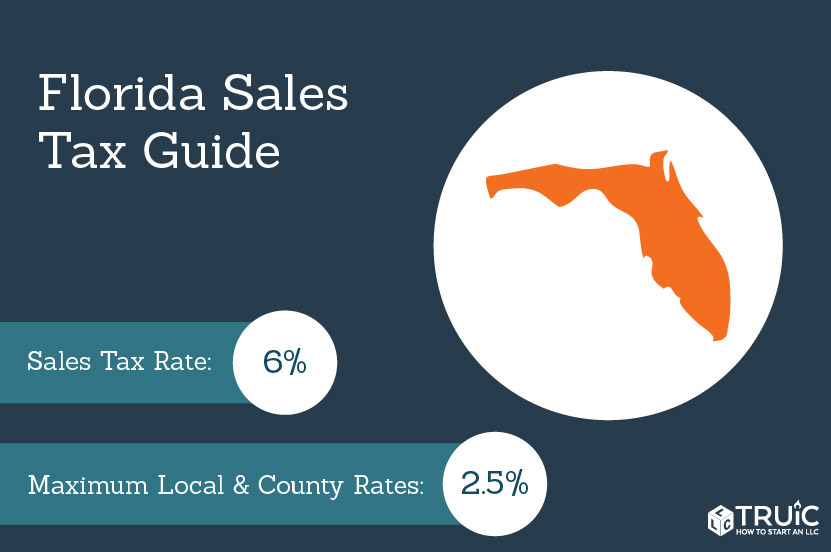
The state of Florida imposes a general sales tax rate of 6%. This rate applies to the retail sale of most tangible personal property, meaning physical goods, and a select range of services. When you buy a souvenir, groceries (excluding most unprepared food items), clothing, or dine out at a restaurant, this 6% is the foundational tax you’ll encounter. This consistent statewide rate provides a baseline for understanding your costs, but it’s crucial to remember that this is often just the beginning.
How Local Option Taxes Impact Your Bill
Beyond the statewide 6%, many Florida counties have the authority to impose an additional local discretionary sales surtax, often referred to as a “county sales tax” or “local option tax.” These surtaxes vary significantly from county to county, typically ranging from 0.5% to 2.5%, and are added on top of the state’s 6%. This means the combined sales tax rate can range from 6% to 8.5% depending on your specific location within the state.
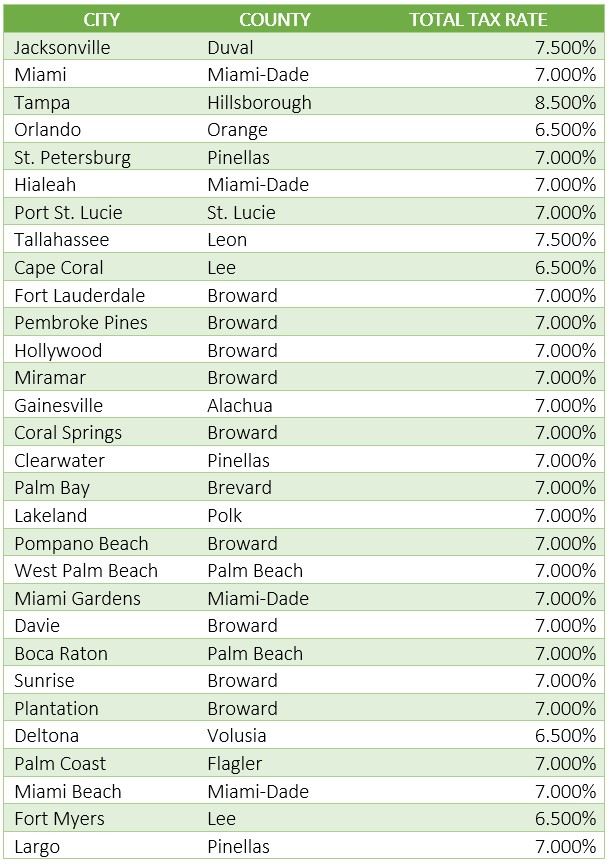
For instance, if you’re exploring the vibrant nightlife and pristine beaches of Miami-Dade County or enjoying the theme parks in Orange County, you’ll likely encounter a higher combined sales tax rate than in a county without a local surtax. These local taxes are usually dedicated to specific county-level projects, such as infrastructure improvements, public transportation, or school funding. Understanding these variations is essential, especially when comparing prices for larger purchases or evaluating the overall cost of a trip across different Florida destinations. Always factor in these additional percentages when budgeting for retail shopping, dining, and other purchases during your travels.
What Goods and Services Are Taxed?
The scope of Florida’s sales tax is broad, encompassing most purchases that a traveler would make. This includes:
- Retail Goods: Nearly all items purchased in stores, from clothing and electronics to gifts and souvenirs.
- Restaurant Meals and Prepared Foods: Whether you’re dining at a five-star restaurant in South Beach, grabbing a quick bite at a fast-food establishment, or enjoying a gourmet meal at a resort, sales tax applies to all prepared food and beverages.
- Admission Charges: Tickets to theme parks like Walt Disney World Resort and Universal Orlando Resort, attractions like the Kennedy Space Center Visitor Complex, museums, concerts, sporting events, and other entertainment venues are subject to sales tax.
- Rental Charges: This includes the rental of personal property like cars, boats, bicycles, and even some equipment for recreational activities.
- Certain Services: While most services are exempt, some specific ones, such as commercial rentals, pest control, and certain maintenance services, can be taxable. For travelers, this primarily applies to rental cars and often a portion of the total cost of other recreational rentals.
It’s worth noting that most unprepared food items purchased at grocery stores for consumption at home are exempt from sales tax. This distinction is important for those planning to cook some of their meals during a longer stay in a vacation rental or apartment.
Sales Tax and Your Florida Accommodation
For anyone planning a trip to Florida, the cost of accommodation is often the largest single expense. Understanding how sales tax, and especially the specialized tourism taxes, apply to your hotel or rental is paramount for accurate budgeting. This is where the intricacies of Florida’s tax system become most relevant to visitors.
The Tourist Development Tax (TDT)
Beyond the general sales tax, Florida counties are authorized to levy a Tourist Development Tax (TDT), also widely known as the “bed tax,” “resort tax,” or “occupancy tax.” This is an additional tax imposed specifically on the rental of short-term accommodations, which includes hotels, motels, suites, resorts, apartments, villas, timeshares, and vacation rentals for periods of six months or less. The TDT is typically charged as a percentage of the total rental amount, and it’s layered on top of the statewide sales tax and any applicable county discretionary sales surtax.
The primary purpose of the TDT is to fund tourism-related initiatives, such as advertising and marketing campaigns to attract more visitors, beach restoration projects, convention center facilities, and other tourism-related infrastructure improvements. These funds directly contribute to enhancing the very experiences that draw people to Florida, making it an indirect investment in your future enjoyment of the state.
How TDT Varies by County
The TDT rate is not uniform across Florida; it is determined at the county level, meaning it can vary significantly from one destination to another. Rates typically range from 2% to 6%, but when combined with the 6% state sales tax and any local surtax, the total tax on accommodation can easily reach 10% to 14% or even higher in popular tourist hubs.
For example, a hotel stay in Orange County (home to Orlando’s major theme parks like Magic Kingdom and Epcot) might incur the 6% state sales tax, a 0.5% local discretionary sales surtax, and a 6% TDT, totaling 12.5%. In contrast, a stay in Miami Beach within Miami-Dade County could see a 6% state sales tax, a 1% local surtax, and a 6% TDT, bringing the total to 13%. Some cities within counties may even impose additional resort taxes.
It’s crucial to check the specific TDT rate for your chosen county before booking, as this additional charge can add a substantial amount to the overall cost of your stay, especially for longer vacations or luxury travel experiences at properties like Disney’s Grand Floridian Resort & Spa or a lavish villa in Naples.
Budgeting for Hotel Stays
When reviewing prices for hotels, resorts, or vacation rentals in Florida, always look beyond the advertised nightly rate. Many online travel agencies and booking platforms will display the base rate, but the final price can significantly increase once state sales tax, county discretionary sales surtax, and the Tourist Development Tax are added. Furthermore, some properties might also levy “resort fees” or “amenity fees” that are separate from taxes and also add to the total cost.
To budget accurately, consider the following:
- Calculate the total tax percentage: Add the 6% state sales tax, the local discretionary sales surtax for your specific county (e.g., Broward County, Pinellas County), and the TDT for that county.
- Factor in additional fees: Be aware of any resort fees, cleaning fees (for vacation rentals), or parking fees. While not taxes, they contribute to your total accommodation cost.
- Look for “all-inclusive” pricing: Some booking sites allow you to see the total price with all taxes and fees upfront, which can simplify your budget travel planning.
Long-term Stays and Sales Tax
For individuals considering a longer sojourn in the Sunshine State, perhaps as a snowbird or for a temporary relocation, Florida offers a significant tax distinction for extended accommodation. Rentals of six months or more are generally exempt from both the state sales tax and the Tourist Development Tax. This provision is designed to differentiate between transient tourism and more permanent residency.
This exemption can lead to substantial savings for those planning to stay for extended periods in apartments, villas, or other forms of long-term accommodation. If you’re considering a stay approaching or exceeding this six-month threshold, it’s worth exploring the options for qualifying for this exemption. Always confirm the exact terms with your landlord or property management company to ensure your rental agreement meets the criteria for exemption. This aspect is particularly relevant for those exploring Florida as a potential new home or for extended business stays.
Sales Tax on Florida’s Attractions, Dining, and Experiences
Beyond accommodation, the myriad of attractions, diverse dining scenes, and unique experiences are primary draws for visitors to Florida. Understanding how sales tax applies to these aspects of your trip is essential for comprehensive budgeting.
Theme Parks and Attractions
Florida is renowned globally for its theme parks and family attractions. Visiting places like Walt Disney World Resort (including Magic Kingdom, Epcot, Hollywood Studios, and Animal Kingdom), Universal Orlando Resort (Universal Studios Florida and Islands of Adventure), SeaWorld Orlando, and Busch Gardens Tampa Bay is a highlight for many. The admission tickets to these grand entertainment complexes, along with tickets to smaller attractions like museums, zoos, and aquariums, are all subject to the combined state and local sales tax rate of the county in which they are located.
For example, a multi-day pass to Walt Disney World Resort in Orange County would have the 6% state sales tax plus the 0.5% county surtax applied to its base price, totaling 6.5%. While this might seem like a small percentage for a single ticket, for a family purchasing multiple passes, this additional cost can quickly add up. Always factor this into your calculations when planning your itinerary for these iconic landmarks.
Dining Out in the Sunshine State
Florida’s culinary scene is as diverse as its landscapes, offering everything from fresh seafood on the Gulf Coast to international flavors in Miami, and vibrant eateries in Tampa’s Ybor City. Every time you enjoy a meal at a restaurant, café, or bar, the combined state and local sales tax rate will be applied to your food and beverage bill. This includes alcoholic beverages.
Whether you’re indulging in fine dining, grabbing a casual lunch, or simply enjoying a coffee, expect to see the sales tax added to the subtotal before any gratuity. For those on a budget travel plan, cooking some meals at a vacation rental can help reduce costs, as most unprepared grocery items are sales tax-exempt. However, the convenience and local culture experience of dining out are undeniable parts of a Florida tourism adventure.
Retail Therapy and Souvenirs
Shopping is an integral part of many vacations, and Florida offers a wealth of options, from luxury boutiques at Bal Harbour Shops to outlet malls like Sawgrass Mills and The Florida Mall, and unique artisan shops in historic districts. Virtually all tangible goods purchased in retail stores are subject to the combined state and local sales tax.
This means that whether you’re buying a new swimsuit, a gift for someone back home, or essential supplies for your trip, the listed price won’t be your final cost. The sales tax will be added at checkout. This is especially important to remember when shopping in popular tourist corridors like International Drive in Orlando or the boutiques along Worth Avenue in Palm Beach.
Rental Cars and Transportation
For many travelers, a rental car is essential for exploring the vastness of Florida, from the Atlantic Coast to the Gulf Coast and through the Central Florida interior. The rental fee for vehicles is generally subject to state and local sales tax. Additionally, rental car companies often impose various fees, surcharges, and sometimes a specific “rental car surcharge” or “tourism impact fee” that are separate from sales tax but contribute to the overall cost.
While these additional fees are not sales tax, they are part of the total financial outlay for transportation. It’s always advisable to get a full breakdown of all costs, including taxes and fees, when booking a rental car to avoid surprises. Public transportation options, where available, typically charge a flat fare or use a pass system, with sales tax generally not applied to individual rides.
Practical Tips for Navigating Florida Sales Tax
Understanding Florida’s sales tax system is key to a stress-free and budget-friendly trip. Here are some practical tips to help you navigate these costs effectively.
Always Check Your Bill
Whether you’re checking out of a hotel in Fort Lauderdale, settling a dinner bill in Key West, or completing a purchase at a store, always take a moment to review your bill. Look for line items detailing the state sales tax, any county discretionary sales surtax, and, most critically for accommodation, the Tourist Development Tax. This diligence helps ensure that you are being charged correctly and that you fully understand what you’re paying for. If anything looks incorrect or unclear, don’t hesitate to ask for clarification.
Budgeting for Your Trip
Incorporating taxes into your overall travel budget from the outset is the most effective strategy. Don’t just factor in the base prices for hotels, attractions, and meals. Instead:
- Estimate Tax Percentages: Research the combined sales tax rate and TDT rate for each county you plan to visit. Add these percentages to your estimated costs for accommodation, dining, and entertainment.
- Build in a Buffer: Always allocate a little extra in your budget for unexpected costs or higher-than-anticipated taxes. A 10-15% buffer on top of your estimated base costs can prevent financial strain.
- Use Online Calculators: Several online tools can help estimate the total cost of a hotel stay, including all taxes and fees, which can be invaluable for planning.
Utilizing Tax-Free Shopping Periods (If Applicable)
Occasionally, Florida implements temporary sales tax holidays, typically for specific categories of items such as back-to-school supplies, hurricane preparedness items, or energy-efficient appliances. While these holidays are usually tailored to residents and specific needs, some travelers might find themselves in Florida during such a period. It’s always a good idea to check the Florida Department of Revenue website before your trip to see if any such holidays coincide with your vacation dates. However, generally, these apply to specific, non-tourism related purchases.
Understanding Different Tax Categories
A clear understanding of the distinction between the standard sales tax, the county discretionary sales surtax, and the Tourist Development Tax is vital. They serve different purposes, are levied at different rates, and apply to different types of purchases. Knowing which tax applies to what helps you anticipate costs, especially for major expenses like accommodation, where both sales tax and TDT will be applied simultaneously. This knowledge empowers you to ask informed questions and verify charges accurately.
In conclusion, while the thought of navigating various taxes might seem daunting, understanding “What Is Sales Tax In Florida?” is a straightforward process once broken down. The system, comprising a statewide sales tax, county-specific surtaxes, and the crucial Tourist Development Tax for short-term accommodations, is designed to fund the very infrastructure and tourism initiatives that make Florida such a captivating destination. By incorporating these tax considerations into your travel planning and budgeting, you can ensure a smooth, enjoyable, and financially transparent journey through the Sunshine State, allowing you to fully immerse yourself in all the unforgettable experiences it has to offer.
LifeOutOfTheBox is a participant in the Amazon Services LLC Associates Program, an affiliate advertising program designed to provide a means for sites to earn advertising fees by advertising and linking to Amazon.com. Amazon, the Amazon logo, AmazonSupply, and the AmazonSupply logo are trademarks of Amazon.com, Inc. or its affiliates. As an Amazon Associate we earn affiliate commissions from qualifying purchases.