
For any traveler planning a trip to the Sunshine State, a fundamental question often arises, seemingly simple yet profoundly impactful: “What time is it right now in Florida?” While seemingly a basic inquiry, understanding Florida’s time zones is far more crucial than just setting your watch. It’s a cornerstone for meticulously planning your travel itinerary, ensuring you maximize your time at world-famous attractions, coordinate seamless hotel check-ins, savor exquisite dining experiences, and truly immerse yourself in the vibrant local culture. From bustling theme parks to serene beaches and historic landmarks, every aspect of a Florida journey is intricately linked to the clock.
This guide will delve into the nuances of Florida’s time zones, offering essential insights for visitors focusing on travel, hotels, tourism, accommodation, landmarks, and lifestyle. We’ll explore how this seemingly minor detail can significantly influence your vacation, helping you avoid common pitfalls and make the most of every precious moment in this diverse and captivating state.
Navigating Florida’s Time Zones: A Traveler’s Essential Guide
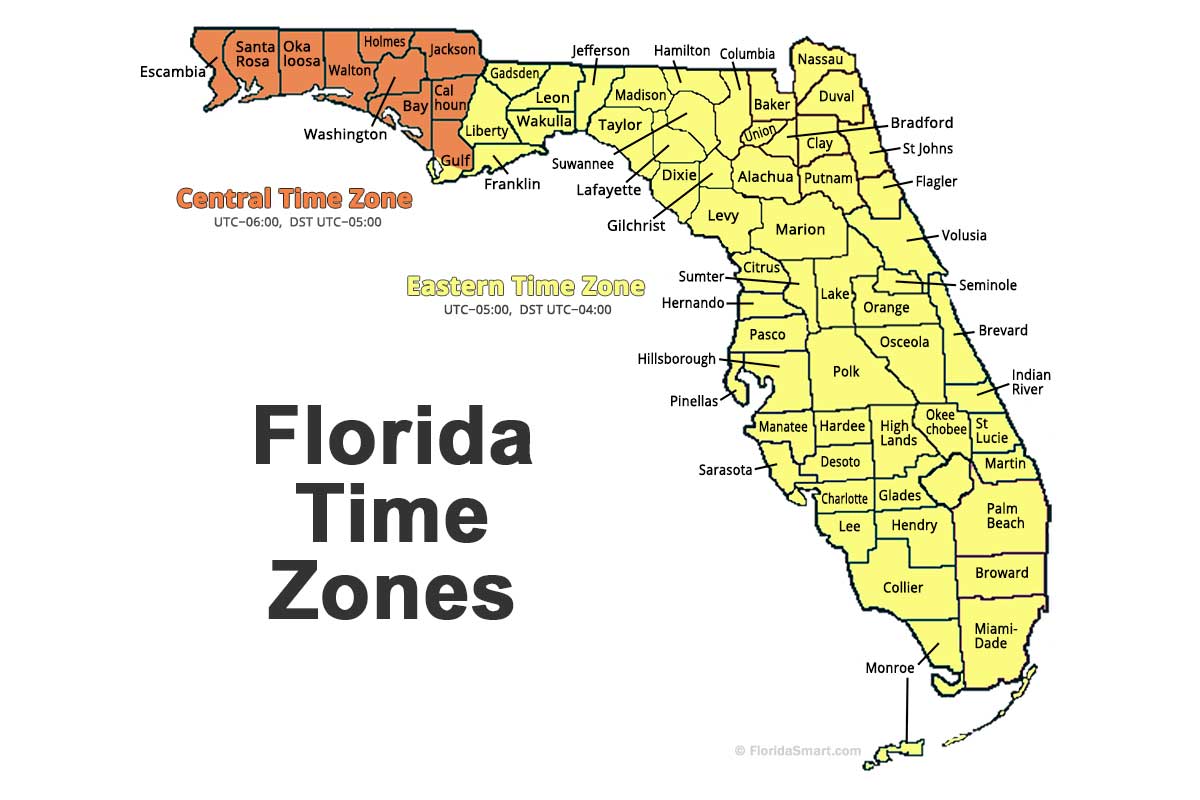
Florida, a state celebrated for its endless sunshine and diverse landscapes, primarily operates within a single time zone, simplifying planning for most visitors. However, a small but significant portion of the state observes a different time, a detail crucial for those exploring the wider reaches of the Florida Panhandle. Understanding these distinctions is the first step towards a perfectly synchronized trip.
The Eastern Standard Time Dominance
The vast majority of Florida, stretching from its southern tip through the central plains and up the Atlantic coast, observes Eastern Standard Time (EST) during standard months and Eastern Daylight Time (EDT) during Daylight Saving Time. This means that if you’re flying into major hubs or planning to visit iconic destinations, you’ll be operating on this time.
Cities like Miami, with its dazzling South Beach and vibrant nightlife, are firmly in EST/EDT. The magic of Orlando, home to the world-renowned Walt Disney World Resort and Universal Orlando Resort, also runs on Eastern Time. Further north, the bustling port city of Jacksonville and the dynamic Gulf Coast metropolis of Tampa also follow suit. The picturesque Florida Keys, stretching down to Key West, share this time zone, ensuring consistency for island hoppers and deep-sea fishing enthusiasts. This widespread adherence to Eastern Time simplifies planning significantly, as most major tourist attractions, hotels, and travel services across the state operate on a unified schedule. Travelers arriving from the Central Time Zone or further west will need to adjust their internal clocks forward, while those from the Atlantic Time Zone or east will set them back.
The Panhandle’s Central Time Zone Slice
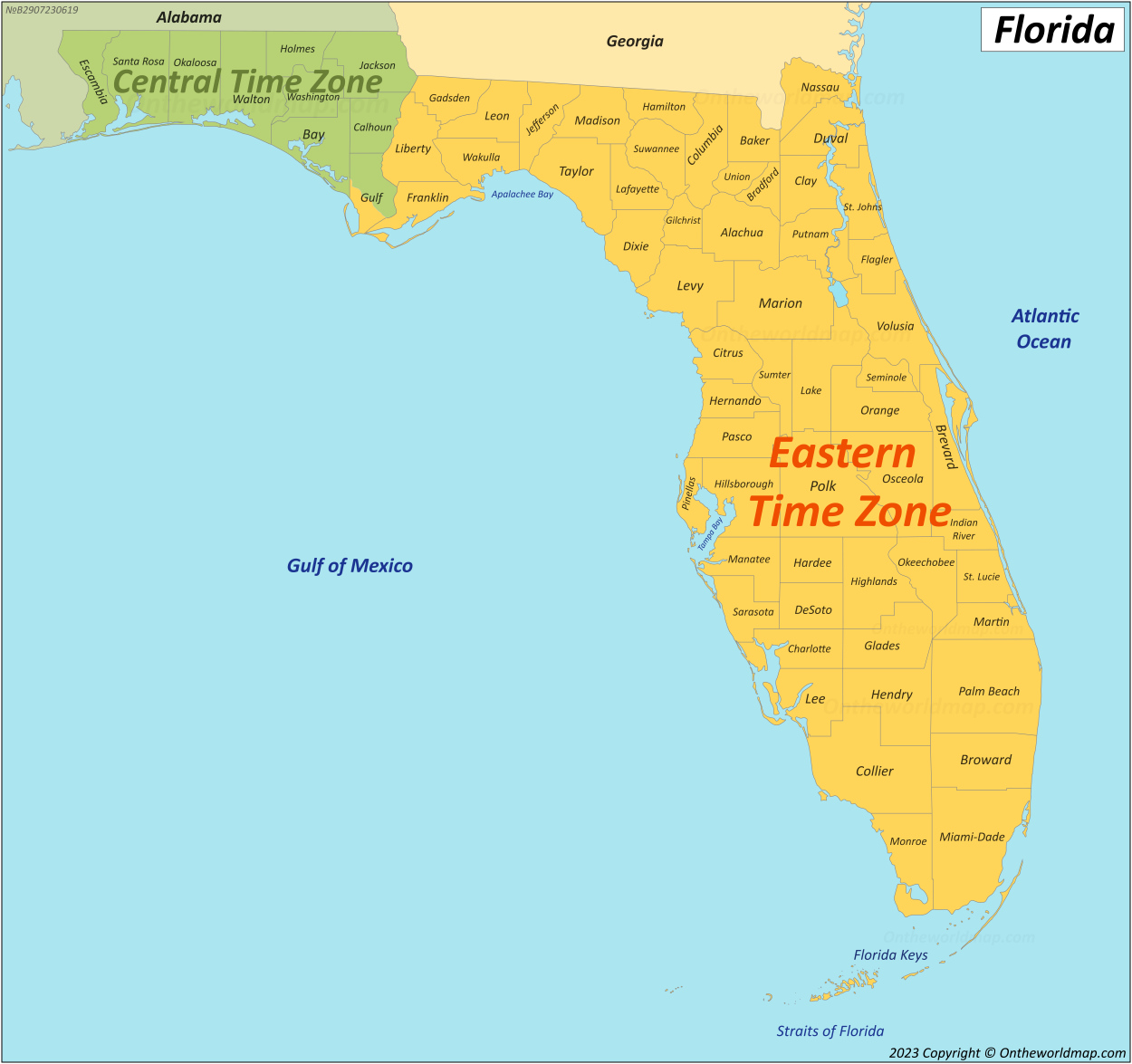
While most of Florida is on Eastern Time, a distinct segment of the Florida Panhandle observes Central Standard Time (CST) and Central Daylight Time (CDT). This region begins west of the Apalachicola River, creating a fascinating time zone divide within the state itself. Cities such as Pensacola, Panama City, and Destin all fall within the Central Time Zone.
This geographical split can sometimes catch unaware travelers off guard. Imagine driving from the state capital, Tallahassee, which is in EST, heading west towards a beach vacation in Destin. As you cross the invisible time zone boundary, you gain an hour – a welcome surprise for some, but a potential source of confusion if not anticipated for hotel check-ins or pre-booked activities. For those planning a multi-city tour that includes both central and panhandle Florida, it’s essential to factor in this hour difference when booking flights, scheduling appointments, or making reservations to avoid missing critical connections or experiences. Understanding this geographical time divide is key to a smooth and stress-free journey through Florida’s diverse regions.

Daylight Saving Time in the Sunshine State
Like much of the United States, Florida observes Daylight Saving Time (DST). This annual tradition typically begins on the second Sunday in March, when clocks “spring forward” by one hour, effectively moving from EST to EDT and from CST to CDT. It concludes on the first Sunday in November, when clocks “fall back” an hour, returning to standard time.
For travelers, DST has several implications. During the spring and summer months, when most visitors flock to Florida’s sunny shores, the later sunsets offer extended daylight hours for enjoying outdoor attractions, beach activities, and evening strolls. This extra hour of daylight can be a significant advantage, allowing for more leisurely sightseeing after a day at the theme parks or providing more time to relax by the ocean. However, it also means sunrises occur an hour later. If you’re an early bird hoping to catch a spectacular sunrise over the Atlantic or be among the first in line at a theme park, you’ll need to adjust your internal clock accordingly. Similarly, when DST ends in November, the earlier sunsets can impact evening plans, requiring tighter scheduling for outdoor activities. Staying aware of these seasonal time shifts is crucial for optimizing your itinerary and making the most of Florida’s abundant daylight, irrespective of whether you’re relaxing at a luxury resort like The Breakers Palm Beach or exploring the natural wonders of the Everglades.
Time-Sensitive Planning: Maximizing Your Florida Experience
Beyond merely knowing the current time, understanding Florida’s time zones and the rhythms of the day is paramount for crafting an unforgettable itinerary. Every minute counts when you’re on vacation, and strategic planning based on the clock can elevate your trip from good to extraordinary.
Synchronizing with Theme Park Schedules
Orlando is undeniably the theme park capital of the world, and timing is everything when navigating the vast empires of Walt Disney World Resort, Universal Orlando Resort, and SeaWorld Orlando. Park operating hours can vary by season, day of the week, and even special events. For instance, knowing when “rope drop” (park opening) occurs is essential for securing early access to popular rides and beating the longest queues. Many resorts offer early park admission benefits, allowing guests to enter select parks before the general public – an advantage that requires precise timing.
Similarly, showtimes for parades, fireworks displays (like those over Cinderella Castle at Magic Kingdom Park), and live performances are strictly scheduled. Missing a show by a few minutes can mean disappointment. Dining reservations, particularly for popular character meals or fine dining experiences within the parks or at Disney Springs, are often booked months in advance and have strict adherence to reservation times. Even managing ride virtual queues or mobile ordering food requires a keen eye on the clock. For the ultimate theme park experience, integrate park hours, showtimes, and dining reservations into a meticulous daily schedule, always double-checking for any last-minute changes.
Dining Reservations and Nightlife
Florida’s culinary scene is as diverse as its landscapes, from fresh seafood shacks in the Florida Keys to Michelin-starred restaurants in Miami Beach. Securing a table at popular eateries often requires advance planning, particularly during peak season or for highly sought-after restaurants. Understanding peak dining hours – typically between 6 PM and 8 PM Eastern Time – allows you to either book well in advance or plan for earlier or later meals to avoid the crowds. A late dinner reservation might mean a less rushed experience, while an early one could leave more time for evening entertainment.
The state’s vibrant nightlife also operates on a precise schedule. In areas like South Beach, clubs and bars often don’t truly come alive until late in the evening, with peak hours extending into the early morning. Knowing when Happy Hour specials end, when live music begins, or when the busiest times are at a popular lounge can significantly enhance your experience. For example, if you’re staying at a luxurious Miami Beach resort and plan to explore the local club scene, aligning your dinner plans with the rhythm of the city’s nightlife ensures you don’t miss out on either. Conversely, if you’re seeking a quieter evening, timing your visits to restaurants and bars outside of peak hours can provide a more relaxed ambiance.
Coastal Activities and Nature Tours
Florida’s natural beauty is a major draw, offering a plethora of outdoor activities that are often dictated by the sun, tides, and local ecosystems. Understanding the time of day is paramount for enjoying these experiences to their fullest. For beachgoers, knowing sunrise and sunset times can lead to breathtaking photo opportunities or tranquil moments on the sand. The best times for swimming, sunbathing, or shelling might also be influenced by the intensity of the sun, which can be particularly strong in the midday hours.
Many nature tours, such as airboat rides in the Everglades, kayaking through mangroves, or guided wildlife excursions, are scheduled around the optimal times for spotting animals. Early mornings and late afternoons are often preferred for wildlife viewing, as many creatures are more active during cooler parts of the day. Fishing charters in places like Key West or along the Gulf Coast are heavily influenced by tidal charts and fish feeding patterns, making precise departure times critical for a successful outing. Even activities like snorkeling or paddleboarding can be more enjoyable during calm morning waters. Always check with tour operators for their recommended timings and consider how the time of day will impact the light, temperature, and wildlife visibility for your chosen adventure.
Accommodation & Lifestyle: Time Considerations for Your Florida Stay
Beyond the attractions, the practicalities of your accommodation and the overall pace of your trip are also deeply intertwined with the clock. From seamless check-ins to managing your daily routine, understanding and planning around time ensures a stress-free and enjoyable stay.
Check-in/Check-out and Hotel Amenities
Arriving at your hotel after a long journey, the last thing you want is a delay or confusion regarding your room. Standard hotel check-in times in Florida are typically in the mid-afternoon, often around 3 PM or 4 PM Eastern Time, with check-out usually around 11 AM or 12 PM. These times are critical, especially if you’re arriving on an early flight or departing late. Knowing the local time of your destination hotel – be it a cozy apartment in St. Petersburg, a sprawling resort in Orlando, or a boutique villa in South Beach – is essential for smooth transitions.
Many hotels, from budget-friendly options to luxury accommodations like The Ritz-Carlton, Amelia Island, offer early check-in or late check-out options, often for an additional fee or based on availability. If your flight schedule doesn’t align with these standard times, it’s wise to contact your accommodation in advance to make arrangements. Furthermore, understanding the operating hours for hotel amenities such as swimming pools, fitness centers, concierge services, and on-site restaurants is crucial for maximizing your stay. A planned late-night swim might be thwarted if the pool closes at 10 PM, or a desire for an early breakfast could be missed if the restaurant doesn’t open until 7:30 AM. Planning your daily routine around these schedules ensures you can fully utilize all the services your chosen accommodation provides.
Business Travel and Remote Work
For business travelers or digital nomads opting for an extended stay in Florida, managing different time zones is an everyday challenge. If your colleagues or clients are based in different parts of the country or world, coordinating meetings and deadlines requires meticulous attention to the clock. A 9 AM meeting in Los Angeles is a 12 PM meeting in Miami, while a 5 PM call with a European client could mean a late evening for you in Florida.
Hotels and serviced apartments catering to business travelers often provide amenities designed to support productivity across time zones, such as high-speed internet, dedicated workspaces, and 24-hour business centers. Choosing accommodation with a comfortable work environment, whether it’s a quiet suite in Tampa or a co-working space in Jacksonville, becomes vital. Similarly, if you’re working remotely while enjoying Florida’s lifestyle, establishing a consistent work schedule that accommodates your professional commitments and allows time for leisure activities requires careful time management. Leveraging tools that convert time zones automatically can be invaluable for staying organized and ensuring you don’t miss critical appointments while enjoying the Florida lifestyle.
Beyond the Clock: Embracing Florida’s Diverse Offerings
While understanding time zones is critical for logistics, the true essence of Florida lies in its diverse offerings, each waiting to be explored. Effective time management empowers you to savor every facet of this incredible state, from its storied past to its vibrant present.
Iconic Landmarks and Attractions
Florida is brimming with landmarks and attractions that cater to every interest. A well-planned schedule ensures you don’t just visit them, but truly experience them. Consider the Kennedy Space Center Visitor Complex, where a full day is easily spent exploring rockets, astronaut encounters, and immersive exhibits. Arriving early can mean less waiting and more time for discovery. Similarly, exploring the ancient streets of St. Augustine Historic District, the nation’s oldest city, requires ample time to wander through its charming alleys, visit Castillo de San Marcos, and perhaps take a ghost tour in the evening.
Even the natural wonders demand thoughtful timing. A visit to the Everglades National Park might involve an airboat tour best experienced in the morning when wildlife is most active. For beach enthusiasts, the stunning sands of Clearwater Beach or Siesta Key Beach are perfect for a leisurely day, but knowing the best times to avoid crowds or catch a glorious sunset can enhance the experience. By managing your time effectively, you can immerse yourself in the history of Fort Lauderdale, marvel at the architecture of Sarasota, or enjoy the lively atmosphere of Naples, without feeling rushed.
Culinary Journeys and Local Culture
Florida’s culinary landscape is a delightful tapestry woven from diverse influences, from fresh Gulf Coast seafood to the vibrant Latin flavors of Little Havana in Miami. Timing your meals strategically can elevate your gastronomic adventure. Enjoying a leisurely brunch in South Beach on a Sunday morning, dining on farm-to-table cuisine in Winter Park, or savoring authentic Cuban coffee in Little Havana are experiences best enjoyed without feeling pressured by the clock.
Beyond food, experiencing local culture often involves specific timings. Attending a live music performance in Ybor City, catching a baseball game in St. Petersburg, or participating in a local festival requires checking event schedules. Many cities host farmers’ markets or art walks on specific days and times. Engaging with these local traditions offers a deeper insight into the true spirit of Florida. From the early morning fishermen in Key West to the late-night revelers in Miami, each segment of Florida’s culture has its own rhythm, and synchronizing with it enriches your travel experience significantly.
Seasonal Considerations
The time of year you visit Florida also influences how you’ll interact with the clock and the available daylight. Winter months offer cooler temperatures and more pleasant conditions for exploring outdoor attractions, but also bring shorter daylight hours. This means planning earlier starts for sightseeing and being mindful of earlier sunsets if you intend to capture outdoor photography or enjoy evening beach walks. Conversely, the longer days of summer allow for extended outdoor activities, but the intense heat and afternoon thunderstorms common in central and south Florida necessitate strategic planning to avoid the midday sun and potential downpours.
Hurricane season, primarily from June to November, also introduces a factor of unpredictability that can affect travel plans and schedules. While not directly related to time zones, understanding the seasonal patterns helps in preparing for potential changes to itineraries or operating hours of attractions. Whether you’re chasing the sun in high season or enjoying the quieter charm of the off-season, being aware of these seasonal shifts in daylight and weather patterns allows you to optimize your daily schedule, ensuring a comfortable and enjoyable trip regardless of when you choose to visit the Sunshine State.
Conclusion
So, what time is it right now in Florida? For most of the state, it’s Eastern Standard Time, transitioning to Eastern Daylight Time for much of the year. However, a crucial sliver of the Florida Panhandle observes Central Time. This seemingly simple fact holds immense power for the discerning traveler. From perfectly timed theme park adventures at Walt Disney World Resort to securing the ideal dining reservation in Miami Beach, from seamless hotel check-ins at a luxurious Ritz-Carlton property to maximizing daylight for an Everglades airboat tour, every aspect of your Florida journey hinges on understanding and respecting the clock.
By integrating Florida’s time zones, Daylight Saving shifts, and the operating hours of its myriad attractions, accommodations, and cultural experiences into your planning, you unlock the potential for a truly seamless and enriched vacation. It allows you to move beyond simply visiting, to truly experiencing the dynamic travel, tourism, and lifestyle offerings of this incredible state. Don’t let a simple oversight about time disrupt your dream Florida getaway. Plan wisely, set your watch correctly, and prepare to immerse yourself fully in the magic of the Sunshine State.
LifeOutOfTheBox is a participant in the Amazon Services LLC Associates Program, an affiliate advertising program designed to provide a means for sites to earn advertising fees by advertising and linking to Amazon.com. Amazon, the Amazon logo, AmazonSupply, and the AmazonSupply logo are trademarks of Amazon.com, Inc. or its affiliates. As an Amazon Associate we earn affiliate commissions from qualifying purchases.