
South Florida, a vibrant tapestry of sun-drenched beaches, bustling urban centers, and lush natural landscapes, has long captivated the imaginations of travelers and investors alike. As a premier destination within the United States, its appeal spans from the luxurious getaways of Palm Beach to the energetic pulse of Miami, and the sophisticated charm of Fort Lauderdale. This dynamic region of Florida is not just a place to visit; it’s a canvas for ambitious visions, continuously evolving to meet the demands of a globalized world. The question isn’t if they will build, but what groundbreaking projects will reshape its iconic skyline and enhance its already stellar reputation as a hub for travel, tourism, and an enviable lifestyle.
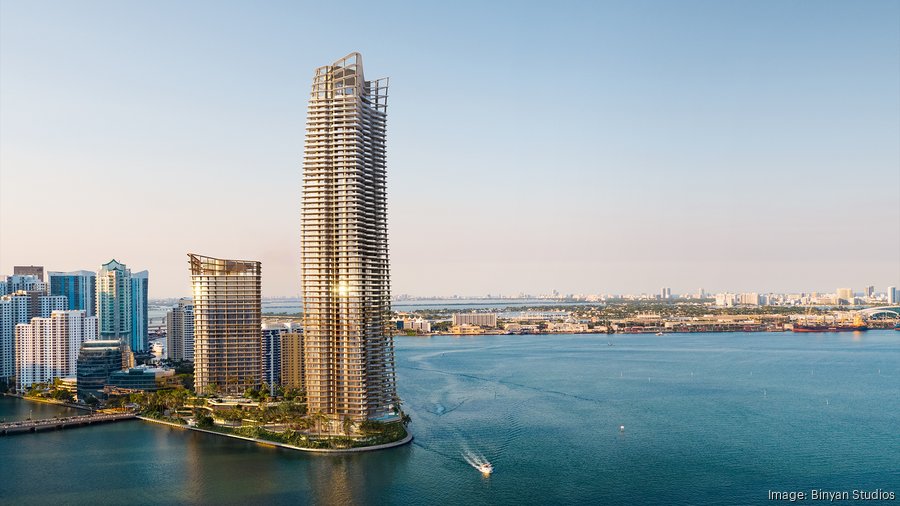
Driven by a robust economy, a steady influx of residents, and an insatiable demand for world-class experiences, South Florida is embarking on an unprecedented era of development. From towering residential complexes that redefine luxury living to innovative hospitality venues offering unparalleled comfort, and state-of-the-art infrastructure designed to improve connectivity and sustainability, the region is poised for significant transformation. This wave of construction promises to introduce a new generation of landmarks, attractions, and accommodations, further cementing South Florida’s status as a top-tier destination for every type of traveler – from those seeking opulent resorts and bespoke experiences to digital nomads searching for long-term stays in vibrant communities.
The upcoming projects are meticulously planned to cater to diverse interests, offering more than just bricks and mortar. They aim to create ecosystems where local culture thrives alongside global influences, where natural beauty is preserved amidst urban expansion, and where every visitor can find an experience tailored to their desires. This article delves into the exciting future of South Florida, exploring the architectural marvels, lifestyle enhancements, and tourism innovations that are on the horizon.
The Evolving Skyline: A Landscape of Luxury and Innovation
The architectural identity of South Florida has always been one of modern elegance and tropical allure, blending the historic charm of the Art Deco Historic District in Miami Beach with the sleek, contemporary lines of new high-rises. The next phase of development promises to push these boundaries even further, introducing structures that are not only visually striking but also embody cutting-edge design, sustainable practices, and integrated living concepts.
Residential Renaissance: High-Rise Living and Master-Planned Communities
One of the most prominent trends defining South Florida’s future skyline is the proliferation of high-end residential towers and master-planned mixed-use communities. These developments are more than just apartments or condos; they are complete ecosystems designed for modern living, offering a sophisticated blend of convenience, luxury, and community. Cities like Miami, Fort Lauderdale, and West Palm Beach are seeing a surge in projects that cater to a diverse demographic, including affluent families, young professionals, and retirees drawn to the region’s quality of life.
In areas such as Brickell in Miami, new residential skyscrapers are continuously breaking ground, offering residents breathtaking views of Biscayne Bay and the Atlantic Ocean. These units often feature expansive layouts, smart home technology, and access to an incredible array of amenities: private pools, state-of-the-art fitness centers, private dining rooms, co-working spaces, and even pet spas. Many developments integrate retail at their base, providing residents with immediate access to gourmet markets, designer boutiques, and upscale restaurants, transforming daily errands into luxurious experiences.
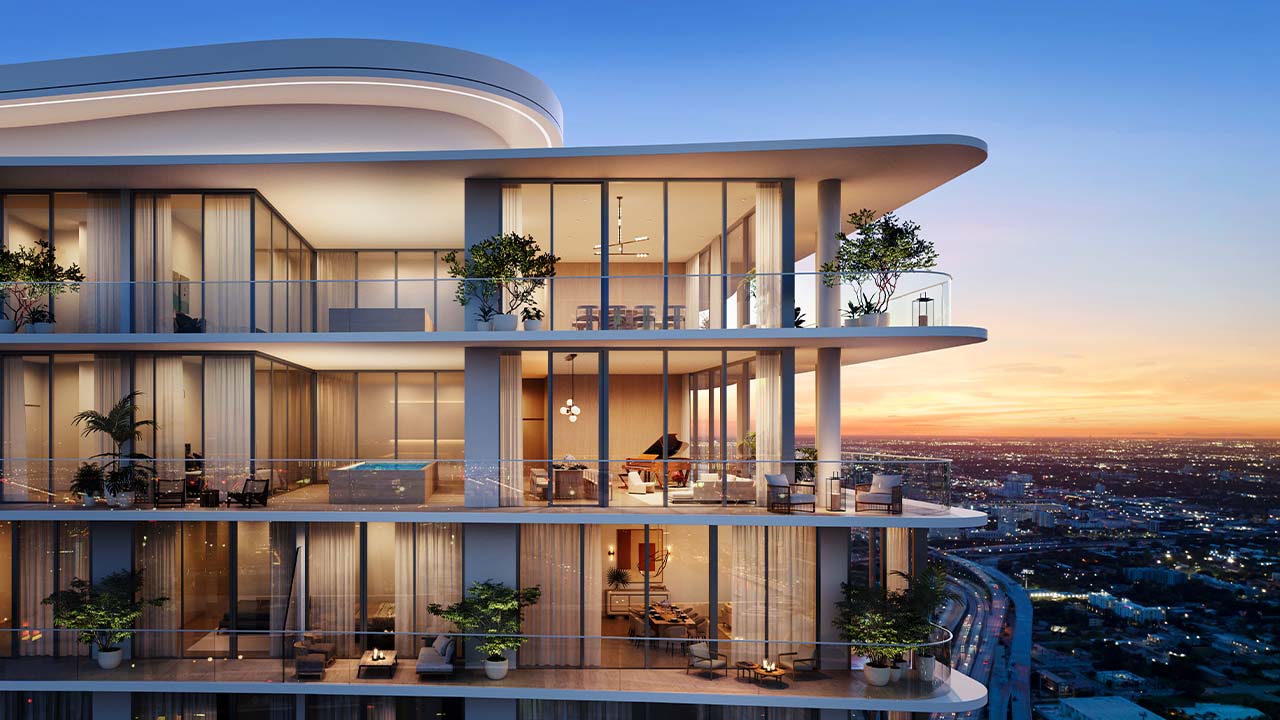
Beyond the urban core, master-planned communities are emerging in Miami-Dade County, Broward County, and Palm Beach County. These developments often encompass vast tracts of land, meticulously designed to include not only residential units—ranging from single-family homes to townhouses and mid-rise apartments—but also dedicated green spaces, parks, schools, and recreational facilities. The emphasis is on creating self-sufficient neighborhoods where residents can live, work, and play without extensive commutes. For visitors considering longer stays, perhaps for business or as a lifestyle choice, these communities offer an alternative to traditional hotel accommodation, providing a home-away-from-home experience with all the benefits of a well-serviced neighborhood. The concept of “apartment hotels” and serviced residences within these communities is also gaining traction, offering flexible long-term stay options that combine the comfort of a private home with hotel-like services.
Enhancing the Hospitality Scene: New Hotels and Resorts
The lifeblood of South Florida’s tourism industry is its exceptional range of accommodations, and the future promises even more diverse and luxurious options. Developers are investing heavily in new hotels, resorts, and boutique properties designed to cater to every taste and budget, while simultaneously pushing the boundaries of guest experience.
For the luxury traveler, expect to see an expansion of ultra-high-end resorts, often branded by internationally renowned names. These new establishments will likely offer expansive suites and villas, private beach access, world-class spas, Michelin-starred dining, and bespoke concierge services. Imagine a new beachfront sanctuary rivaling the sophistication of the Four Seasons Hotel at The Surf Club or the historic grandeur of The Breakers Palm Beach, but with even more innovative amenities. These new resorts are not just places to sleep; they are destinations in themselves, offering immersive experiences that blend local culture with global luxury standards.
Mid-range and boutique hotels are also seeing significant growth, particularly in revitalized urban districts and charming historic towns like Coral Gables and Coconut Grove. These properties often focus on unique design, personalized service, and a strong connection to the local community. They might feature art installations by local artists, farm-to-table restaurants highlighting regional cuisine, or themed activities that allow guests to delve deeper into the area’s heritage. The rise of these boutique accommodations offers travelers a more intimate and authentic experience, moving beyond the standardized offerings of larger chains.

Furthermore, the demand for extended-stay hotels and serviced apartments is fueling construction aimed at business travelers, families on longer vacations, and those exploring relocation. These options provide spacious layouts, fully equipped kitchens, and laundry facilities, offering the convenience of home combined with hotel amenities. This trend directly addresses the growing segment of travelers seeking flexible, comfortable, and cost-effective accommodation for stays exceeding a few nights, a perfect fit for digital nomads or those on extended business trips in cities like Hollywood or Delray Beach.
Beyond Accommodation: Crafting New Experiences and Destinations
South Florida’s appeal extends far beyond its places to stay; it’s a destination known for its vibrant activities, unique cultural offerings, and opportunities for unforgettable experiences. The upcoming developments are set to enhance these facets, creating new attractions and improving infrastructure to better connect visitors with the region’s diverse offerings.
Elevating Retail and Entertainment Districts
The shopping and entertainment landscape in South Florida is already legendary, from the luxury boutiques of the Design District to the sprawling outlets of Sawgrass Mills and upscale malls like Aventura Mall. The future will bring an evolution of these spaces, with a focus on creating integrated lifestyle hubs that combine retail with experiential dining, immersive entertainment, and public art.
Large-scale mixed-use developments, such as the ambitious Miami Worldcenter project, are designed to be destinations in themselves. These urban centers will feature open-air shopping streets, plazas for public gatherings and events, state-of-the-art cinemas, live music venues, and a diverse range of restaurants catering to every culinary preference. The aim is to create environments where visitors can spend an entire day or evening, seamlessly transitioning from shopping to dining to entertainment without ever leaving the complex. These new districts will not only serve local residents but also become significant tourist attractions, offering unique experiences that blend consumerism with culture and leisure.
Similarly, existing districts like Las Olas Boulevard in Fort Lauderdale are continually being revitalized, with new businesses, art galleries, and dining establishments adding to their charm. The focus is on creating pedestrian-friendly zones that encourage exploration and engagement, inviting travelers to linger and discover local gems. The future will see more emphasis on local and artisan markets, providing platforms for regional artists and entrepreneurs, offering visitors a taste of authentic South Florida creativity and craftsmanship.
Infrastructure for Tomorrow: Connectivity and Green Spaces
Efficient transportation and accessible green spaces are fundamental to a thriving urban and tourism environment. South Florida’s future development includes significant investments in infrastructure to enhance connectivity, reduce traffic, and expand public access to nature and recreation.
A key component of this strategy is the expansion of rail services. The success of Brightline, the inter-city express train connecting Miami, Fort Lauderdale, and West Palm Beach (with future plans to extend to Orlando), has demonstrated the demand for alternative transportation options. Expect further investment in commuter rail and light rail systems within and between cities to alleviate road congestion and provide easier access to tourist attractions, business centers, and residential areas. These improvements will make it significantly easier for visitors to explore different facets of South Florida without relying solely on rental cars, contributing to a more sustainable travel experience.
Beyond transportation, the development of new parks, waterfront promenades, and public plazas is a priority. These green spaces serve as vital urban lungs, providing residents and visitors alike with opportunities for recreation, relaxation, and cultural engagement. Projects often involve reclaiming industrial land or underutilized areas to create beautifully landscaped parks equipped with walking trails, bike paths, playgrounds, and outdoor event spaces. The goal is to connect urban areas with natural beauty, providing seamless transitions from bustling cityscapes to tranquil oases. Imagine new waterfront parks along the Hollywood or Fort Lauderdale beaches, offering breathtaking views and opportunities for outdoor activities like yoga, paddleboarding, or simply enjoying a sunset.
Sustaining Growth: Integrating Culture, Nature, and Future-Proofing
As South Florida continues its growth trajectory, there is a growing emphasis on balancing development with the preservation of its unique culture and natural environment. Future projects are increasingly incorporating principles of sustainability, resilience, and cultural integration, ensuring that growth is not just rapid but also responsible and enriching.
Cultural Hubs and Recreational Sanctuaries
South Florida’s cultural scene is as diverse as its population, ranging from the vibrant street art of Wynwood Walls to world-class museums and performing arts centers. The future will see an expansion and enhancement of these cultural offerings, making art, history, and performance more accessible to both residents and tourists. New museums, galleries, and performance venues are being planned, designed to house impressive collections and host international acts. These cultural institutions will not only enrich the local community but also serve as significant attractions for visitors seeking enriching experiences.
Consider the ongoing evolution of Museum Park in Miami, home to the Frost Science Museum and the Pérez Art Museum Miami. Future expansions might include specialized galleries, interactive exhibits, or even new institutions dedicated to specific fields like marine biology or Florida history. Furthermore, community-based cultural initiatives, supported by public and private partnerships, will continue to flourish, showcasing the region’s diverse heritage through festivals, art walks, and culinary events. The Adrienne Arsht Center for the Performing Arts in Miami, for instance, could see additional performance spaces or educational outreach programs, further solidifying its role as a cultural anchor.
Beyond urban culture, the commitment to preserving and enhancing natural recreational sanctuaries remains paramount. While development shapes the urban core, efforts are also directed at protecting and expanding access to South Florida’s unique ecosystems. This includes funding for the restoration of wetlands, the creation of nature preserves, and the development of eco-tourism initiatives within areas adjacent to the Everglades National Park or along the coastline. These initiatives aim to provide visitors with authentic experiences that highlight Florida’s natural beauty, from guided airboat tours to birdwatching excursions, ensuring that the region’s wild heart continues to thrive alongside its urban expansion. New boardwalks, observation decks, and educational centers are being planned to enhance visitor engagement with these precious natural resources.
The Push for Sustainable Development
With its coastal vulnerability and a strong community voice advocating for environmental stewardship, sustainable development is not just a buzzword in South Florida—it’s an imperative. Future construction projects are increasingly incorporating green building practices, climate-resilient designs, and renewable energy solutions.
New buildings are being designed with energy efficiency at their core, utilizing technologies such as solar panels, rainwater harvesting systems, and smart climate controls. Landscape architecture is focusing on native plantings that require less water and support local biodiversity. Developers are also integrating sea-level rise considerations into their designs, employing elevated foundations, advanced drainage systems, and resilient materials to protect against future environmental challenges. This forward-thinking approach ensures that South Florida’s growth is not only economically beneficial but also environmentally responsible and future-proof.
The emphasis on sustainability extends beyond individual buildings to entire communities. Plans for future developments often include extensive green infrastructure, such as permeable pavements, urban tree canopies, and neighborhood-level water management systems. These initiatives contribute to a healthier environment, mitigate the urban heat island effect, and enhance the overall quality of life for residents and visitors. For travelers, this means a destination increasingly committed to responsible tourism, where eco-friendly hotels and sustainable travel options are becoming the norm, reflecting a global shift towards conscious travel.
In conclusion, the future of South Florida is being built with an ambitious vision—one that combines luxurious living with vibrant cultural experiences, efficient infrastructure, and a deep commitment to sustainability. From the gleaming new high-rises gracing the skylines of Miami, Fort Lauderdale, and West Palm Beach to the thoughtful integration of green spaces and advanced transportation networks, every new development aims to elevate the region’s appeal. These projects will not only reshape its physical landscape but also enrich its identity as a world-class destination for travel, hospitality, and an unparalleled lifestyle, solidifying its position as a dynamic and future-ready hub on the global stage. Whether you’re seeking a lavish resort stay, an extended visit in a serviced apartment, or an adventure exploring new attractions and cultural landmarks, South Florida is building a future designed to captivate and inspire.
LifeOutOfTheBox is a participant in the Amazon Services LLC Associates Program, an affiliate advertising program designed to provide a means for sites to earn advertising fees by advertising and linking to Amazon.com. Amazon, the Amazon logo, AmazonSupply, and the AmazonSupply logo are trademarks of Amazon.com, Inc. or its affiliates. As an Amazon Associate we earn affiliate commissions from qualifying purchases.