
Florida, the Sunshine State, beckons millions of travelers each year with its pristine beaches, vibrant cities, and unparalleled attractions. From the magical theme parks of Orlando to the Art Deco charm of Miami and the laid-back vibe of the Florida Keys, there’s an endless array of experiences awaiting every visitor. However, like many tropical paradises, Florida experiences a distinct hurricane season, prompting a crucial question for prospective travelers: “When does the hurricane hit Florida?” Understanding this period is not about avoiding the state entirely, but rather about informed planning, preparedness, and ensuring a safe and enjoyable trip.
This guide will delve into the specifics of Florida’s hurricane season, offer practical advice for travel planning, provide essential tips for navigating potential storm threats, and ultimately help you make the most of your visit, whatever the time of year. Our aim is to equip you with the knowledge to travel confidently and responsibly, allowing you to focus on the unforgettable memories waiting to be made in this dynamic destination. Whether you’re considering a luxurious stay at a beachfront resort, a budget-friendly family adventure, or a long-term escape, being well-informed about hurricane season is an integral part of your travel lifestyle in Florida.
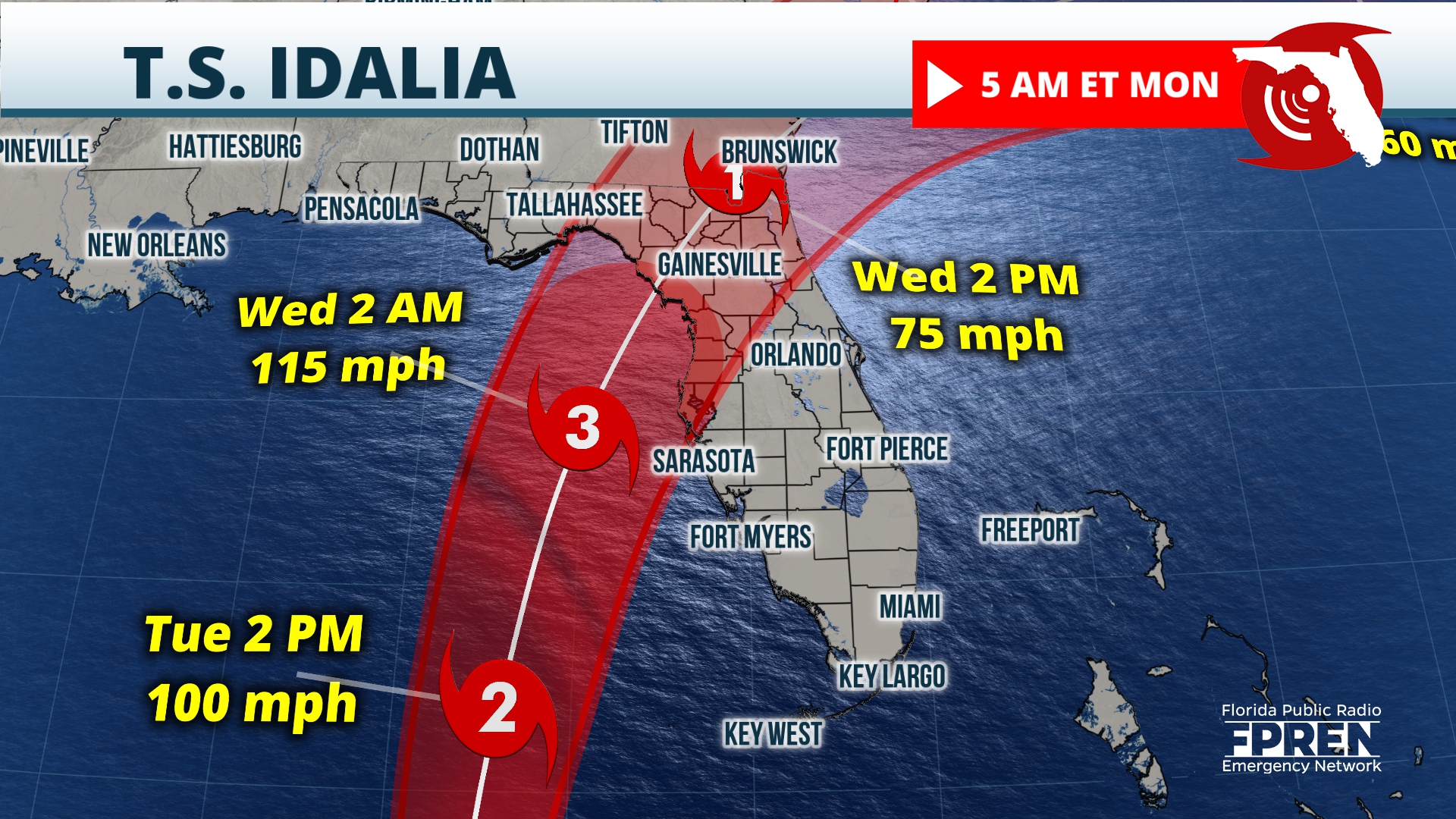
Understanding Florida’s Hurricane Season: What Travelers Need to Know
For those planning their dream vacation or even a business trip to Florida, knowing the official hurricane season dates is the first step in smart travel planning. This period dictates when the state is most susceptible to tropical storms and hurricanes, which can range from minor disruptions to significant weather events.
The Official Season and Peak Months
The official Atlantic hurricane season runs annually from June 1st to November 30th. During these six months, conditions in the Atlantic Ocean, Caribbean Sea, and Gulf of Mexico are most conducive to the formation of tropical cyclones. While storms can technically form outside these dates, it’s a rare occurrence.
Within this window, there are specific peak months when hurricane activity is historically highest. These are typically August, September, and October. September, in particular, often sees the most named storms and major hurricanes. This doesn’t mean a hurricane is guaranteed every year, or that storms only happen during these months, but rather that the probability increases significantly. Early season storms (June and July) and late season storms (November) tend to be less frequent but are by no means impossible.
For travelers, understanding this peak window is critical. Traveling during August or September, for instance, might offer more competitive rates for hotels and flights as it’s outside the traditional spring break and summer holiday rush for some, but it also comes with a higher risk of weather-related disruptions. Conversely, visiting in June or July still falls within hurricane season but statistically carries a lower immediate threat.
Historical Trends and Probabilities
Florida’s long coastline and geographic position make it the most hurricane-prone state in the United States. Over the decades, the state has seen its share of major storms, from Hurricane Andrew in 1992 devastating South Florida to Hurricane Irma impacting much of the state in 2017, and Hurricane Ian bringing widespread destruction to the southwest coast in 2022. However, it’s important to put this into perspective: while the risk is real, the vast majority of days during hurricane season pass without any direct storm impact on Florida.
Meteorologists and climate scientists continuously study historical trends to predict hurricane season activity. Factors like El Niño or La Niña weather patterns, Atlantic Ocean water temperatures, and atmospheric conditions all play a role in seasonal forecasts. Organizations like NOAA (National Oceanic and Atmospheric Administration) release their hurricane season outlooks in late spring, providing valuable insights into whether an above-average, near-average, or below-average season is expected. While these forecasts cannot predict individual storm tracks or landfalls, they offer a macro-level understanding of potential activity.
For travelers, this means staying informed. While historical data can highlight probabilities, it cannot predict the future. A quiet season can still produce a devastating storm, and an active season might see storms bypass Florida entirely. The key is to acknowledge the season, understand the risks, and put preparedness measures in place, rather than letting fear dictate travel plans entirely. Many fantastic travel experiences can still be had in Florida during hurricane season with proper planning.
Preparing for Your Florida Trip During Hurricane Season
Traveling to Florida during hurricane season doesn’t mean foregoing the trip altogether. It simply means elevating your preparation game. From booking accommodations to understanding weather alerts, a proactive approach ensures both safety and peace of mind.
The Importance of Travel Insurance and Flexible Bookings
One of the most crucial steps for anyone traveling to Florida during hurricane season is investing in comprehensive travel insurance. Not all policies are created equal, so it’s vital to read the fine print. Look for policies that explicitly cover trip cancellations or interruptions due to named hurricanes or other severe weather events. This often includes coverage for:
- Trip Cancellation: If a hurricane makes your destination uninhabitable or inaccessible before you depart.
- Trip Interruption: If you have to cut your trip short due to a storm.
- Travel Delay: If your flights are delayed or canceled.
- Evacuation: Costs associated with mandatory evacuations.
- Medical Expenses: In case of injury during a storm (though your primary health insurance should also be considered).
Be aware of “cancel for any reason” (CFAR) policies, which offer the most flexibility but are often more expensive and must be purchased within a short window of your initial trip deposit. Also, remember that once a hurricane is named or forecast to impact your destination, it’s generally too late to purchase insurance for that specific event. Buy your insurance early!
Alongside insurance, prioritize flexible bookings for flights, hotels, and car rentals. Many airlines and hotels offer waivers or allow changes without fees if a hurricane threat emerges. When booking accommodations, ask about their hurricane policies – specifically, what happens if a mandatory evacuation is issued or if the property sustains damage. Many reputable resorts and hotels in Florida have robust plans and clear communication regarding such scenarios. Look for options that allow free cancellation up to a few days before arrival. This flexibility can be a lifesaver, allowing you to alter plans without significant financial loss if a storm threat materializes.

Staying Informed: Reliable Weather Sources and Alerts
Staying informed is your best defense against unexpected hurricane impacts. Before and during your trip, make it a habit to monitor reliable weather sources.
- National Hurricane Center (NHC): The National Hurricane Center (part of NOAA) is the primary source for tropical weather forecasts and advisories in the United States. Their website (nhc.noaa.gov) provides up-to-the-minute storm tracks, intensity forecasts, and watches/warnings.
- Local News and Emergency Management Websites: Once you’re in Florida, tune into local TV and radio stations. These outlets provide region-specific information, including evacuation routes, shelter locations, and local emergency orders. Check the websites of the county emergency management office where you are staying, as they often have the most granular and critical information.
- Weather Apps: Download reputable weather apps that offer severe weather alerts and push notifications. Ensure they are set to your specific location in Florida.
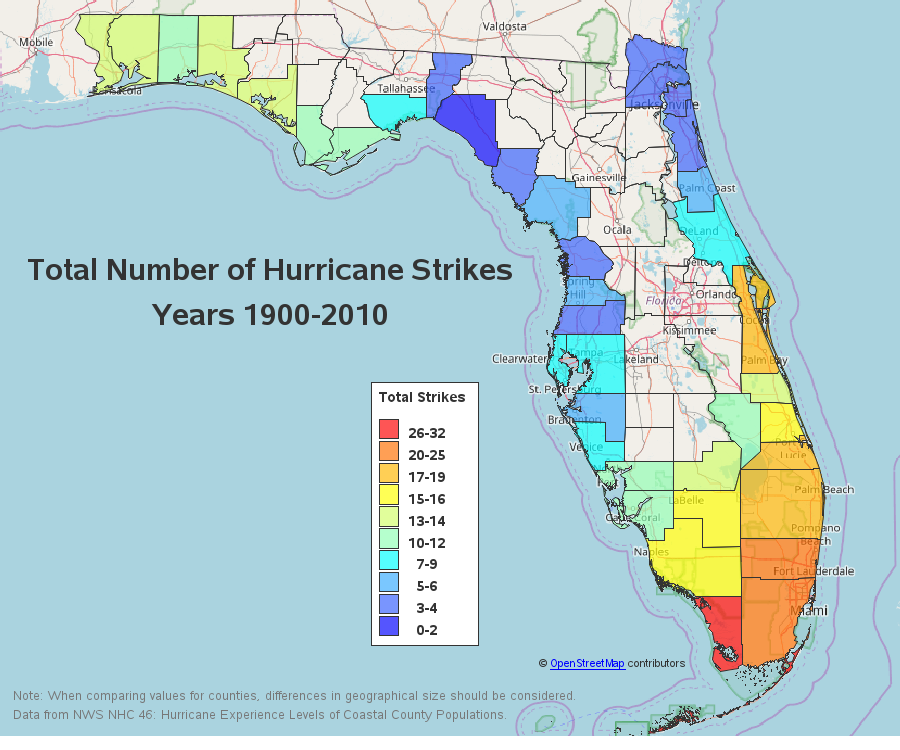
Heed all watches and warnings seriously:
- Hurricane Watch: Hurricane conditions are possible within the specified area, usually within 48 hours. This is your cue to finalize preparations and consider altering plans.
- Hurricane Warning: Hurricane conditions are expected within the specified area, usually within 36 hours. This means definitive action, such as evacuation or sheltering in place, should be taken.
Never rely solely on social media for critical weather updates, as misinformation can spread rapidly. Stick to official government and meteorological sources.
Accommodation Choices and Preparedness
Your choice of accommodation can significantly impact your experience during a hurricane threat. Many modern hotels and resorts in Florida are built to stringent building codes designed to withstand high winds and storm surge.
- Concrete Construction: Look for hotels or apartments made of concrete, which generally offer better protection than wood-frame structures.
- Higher Floors (for storm surge): If you’re staying near the coast, being on a higher floor can offer protection from storm surge, but remember that elevators may cease to operate during power outages.
- On-site Generators: Inquire if your hotel has backup generators that can power essential services like air conditioning, lighting, and elevators during a power outage. This amenity can make a significant difference in comfort if you have to shelter in place.
- Internal Rooms: During a strong storm, internal rooms or hallways away from windows can offer a safer place to shelter.
Before you arrive, and upon check-in, familiarize yourself with your accommodation’s emergency plans. Where are the emergency exits? What is their policy on sheltering in place versus evacuating? Do they provide emergency supplies? Many properties have emergency communication plans to keep guests updated. For those staying in rental properties, ensure you have direct contact information for the property manager and understand their emergency protocols, as these might differ from large resorts.
Navigating a Hurricane Threat While in Florida
While preparedness helps, knowing what to do if a hurricane actually threatens your Florida vacation is paramount. These steps are designed to keep you safe and minimize stress during a potentially frightening event.
Evacuation Orders and Emergency Procedures
If a mandatory evacuation order is issued for your area, you must comply immediately and without hesitation. These orders are given to protect lives and are based on expert assessments of storm intensity, expected storm surge, and potential for widespread damage.
- Know Your Zone: Florida counties have established evacuation zones, often designated by letters (e.g., Zone A, Zone B). Familiarize yourself with the zone your accommodation is in well before a storm threatens.
- Evacuation Routes: Major highways in Florida are designated as evacuation routes. Pay attention to signage and local news for contraflow instructions (where all lanes flow in one direction) during major evacuations. Plan your route inland, ideally to a destination outside the storm’s projected path, such as Atlanta or other parts of Georgia, or even further north.
- Don’t Wait: Traffic during evacuations can be severe. Leave as soon as an order is issued, or even before if you feel unsafe or have specific needs.
- Secure Your Accommodation: Before leaving, ensure all windows and doors are secured. If staying in a rental, follow the specific instructions from your property manager.
- Pack Essentials: Take important documents, medications, a change of clothes, toiletries, and any valuables. Keep your phone charged and a portable charger handy.
For travelers who are not residents, finding safe haven inland might involve booking an emergency hotel room in a non-evacuation zone or arranging to stay with friends or family. Remember that popular inland cities like Orlando can become crowded with evacuees, so booking ahead if you decide to self-evacuate is advisable.
Shelter-in-Place Guidelines and Emergency Kits
If you are not in an evacuation zone and are advised to shelter in place, or if evacuation is no longer feasible, preparation is key.
- Emergency Kit: Assemble an emergency kit well in advance. As a visitor, this may mean purchasing items upon arrival if a storm threatens. Your kit should include:
- Water: At least one gallon per person per day for several days, for drinking and sanitation.
- Food: A supply of non-perishable food for several days.
- Battery-powered or hand-crank radio: To receive emergency broadcasts.
- Flashlight and extra batteries.
- First-aid kit.
- Whistle: To signal for help.
- Dust mask: To help filter contaminated air.
- Wet wipes, garbage bags, and plastic ties: For personal sanitation.
- Wrench or pliers: To turn off utilities.
- Manual can opener for food.
- Local maps.
- Fully charged power banks for phones.
- Medications and glasses.
- Cash: ATMs may not work during power outages.
- Important documents (ID, insurance policies, booking confirmations) in a waterproof container.
- Secure Your Location: Move to the safest part of your accommodation, typically an interior room on the lowest floor if you’re concerned about high winds, or a higher floor if near the coast but not under an evacuation order. Stay away from windows and glass doors.
- Stay Indoors: Do not go outside during the storm, even if there’s a lull. The “eye” of the storm can be deceptively calm, but dangerous winds can return quickly.
- Pet Preparedness: If traveling with pets, ensure you have pet food, water, medications, and carriers. Not all emergency shelters accept pets, so research pet-friendly options beforehand.
Communication and Local Support
Maintaining communication is vital before, during, and after a storm.
- Inform Loved Ones: Let family and friends know your plans and where you intend to shelter or evacuate. Have a designated out-of-state contact for everyone in your group.
- Cell Phone: Keep your phone fully charged. During a storm, conserve battery by limiting usage and using text messages instead of calls, as texts often go through when calls can’t.
- Emergency Services: Know the local emergency number (911 in the United States) but use it only for life-threatening emergencies.
- Local Authorities: Follow instructions from local police, fire, and emergency management officials. They are your primary source of direct, actionable safety information during an event. Hotels will often have staff dedicated to communicating with guests.
- Community Support: In many Florida communities, there are strong local support networks. While primarily for residents, understanding the local spirit of resilience can be reassuring.
Post-Hurricane Florida: Recovery and Resilience
Even after a hurricane passes, the impacts can linger. Understanding what to expect and how to act responsibly in the aftermath is crucial for both your safety and the community’s recovery.
Safety First: What to Expect After a Storm
Immediately after a hurricane, safety should remain your top priority.
- Stay Indoors Until All Clear: Do not venture outside until local authorities declare that it is safe to do so. Downed power lines, submerged roads, weakened structures, and displaced wildlife can pose serious hazards.
- Assess Your Surroundings: If you sheltered in place, carefully check your immediate surroundings for damage. If you evacuated, wait for official confirmation that it’s safe to return to your specific area.
- Power Outages: Expect widespread power outages. This can affect traffic lights (treat intersections as four-way stops), ATMs, gas stations, and even water services.
- Boil Water Notices: After a significant storm, boil water notices may be issued for tap water due to potential contamination of water systems. Follow these notices diligently.
- Limited Services: Many businesses, including restaurants, attractions, and shops, may be closed for days or even weeks due to power outages, damage, or staff availability.
- Debris: Roads may be blocked by fallen trees, power poles, or other debris. Do not attempt to drive through flooded areas; “turn around, don’t drown.”
- Mental Health: Experiencing a hurricane can be frightening. Be prepared for potential stress, anxiety, or emotional distress, and support those around you.
The immediate aftermath is not the time for sightseeing. Roads need to be cleared for emergency vehicles, and essential services need to be restored. Respect the recovery efforts underway.
Supporting Local Recovery Efforts
If you are a visitor in Florida after a storm, there are ways you can contribute positively to the recovery:
- Patience and Understanding: The most important thing is to be patient with local residents and service providers who are likely dealing with personal challenges while trying to restore normalcy.
- Support Open Businesses: Once businesses begin to reopen, patronizing them (if it’s safe and appropriate to do so) can help inject much-needed funds back into the local economy.
- Respect Resources: Be mindful of consuming essential resources like gas, water, and ice, which may be scarce and prioritized for emergency services and affected residents.
- Volunteer (if appropriate): If you are able and willing to stay, inquire with official organizations like the Red Cross or local volunteer centers about how you can safely assist. However, often the best help for visitors is to safely depart and allow professional responders to do their work.
- Donate: If you wish to help, consider donating to reputable disaster relief organizations working in the affected areas.
For long-term stay visitors or those with deeper connections to the community, actively participating in clean-up efforts or providing non-perishable food and water to local shelters can be invaluable.
When to Revisit: Assessing the Aftermath
If your trip was cancelled or cut short due to a hurricane, deciding when to revisit requires careful consideration.
- Official Advisories: Wait for official announcements from local tourism boards and emergency management about when an area is ready to welcome visitors again. “Open for business” messages will indicate that infrastructure, accommodations, and attractions have recovered sufficiently.
- Infrastructure Recovery: Consider if the specific attractions or landmarks you wished to visit, such as Walt Disney World Resort in Orlando, South Beach in Miami, or the Everglades National Park, have reopened and are fully operational.
- Accommodation Availability: Post-storm, hotels might be occupied by residents displaced from their homes or by relief workers. Check availability and confirm bookings carefully.
- Long-Term Impact: Some areas, particularly coastal communities like Key West or the Florida Panhandle, may experience long-term impacts on natural landscapes, beaches, and smaller businesses. While recovery is often swift, some aspects might take longer to return to their pre-storm state.
Many parts of Florida bounce back remarkably quickly, demonstrating incredible resilience. While a specific coastal stretch might be heavily impacted, other areas just hours away may be completely unaffected and ready for visitors.
Balancing Risk and Reward: Enjoying Florida Year-Round
While hurricane season demands respect and preparation, it doesn’t diminish Florida’s allure as a world-class travel destination. With a balanced perspective, you can enjoy the state’s offerings throughout the year.
Why Florida Remains a Top Destination (Even in Summer)
Despite the hurricane risk, millions still flock to Florida during the summer and early fall, and for good reason:
- Warm Weather: The entire hurricane season is characterized by warm to hot temperatures, perfect for beach days, swimming, and enjoying water sports.
- Fewer Crowds: Outside of major holidays, the peak hurricane months often see slightly fewer crowds at popular attractions like Universal Orlando Resort or Busch Gardens Tampa Bay compared to the spring break or winter peak seasons. This can translate to shorter lines and a more relaxed experience.
- Better Deals: Hotels, airlines, and even some attractions may offer lower rates or special packages during the slower parts of hurricane season to attract visitors. This can make a luxury travel experience more accessible or enable budget travelers to stretch their funds further.
- Daily Afternoon Showers: Many summer days feature predictable afternoon thunderstorms that clear quickly, leaving beautiful evenings. These are not hurricanes, but typical tropical weather.
- Vibrant Local Culture: Florida’s diverse cities like Tampa, St. Augustine, and Fort Lauderdale offer rich cultural experiences, culinary delights, and unique activities that are largely unaffected by the general weather patterns, and only impacted by direct storm threats. Visiting places like the Salvador Dalí Museum in St. Petersburg or exploring the historic districts of Pensacola can be enjoyed regardless of the season.
The key is to remember that the vast majority of days during hurricane season in Florida are beautiful and perfectly safe for travel. The risk is managed through vigilance and preparedness, not by constant fear.
Alternative Destinations and Activities During Storm Threats
Should a hurricane threaten your chosen part of Florida, having alternative plans can save your vacation.
- Inland Retreats: If coastal areas are under threat, consider shifting your focus to inland attractions. Orlando’s theme parks, while still potentially impacted by extreme weather, are often safer from storm surge. Cities further north in Florida like Jacksonville or the Florida Panhandle might be safe if a storm is targeting South Florida, and vice-versa.
- Cruise Departures: Cruises from Florida ports like Miami or Fort Lauderdale often reroute to avoid storms, offering a way to escape land-based weather. However, be prepared for itinerary changes.
- Neighboring States: As a last resort, if Florida is experiencing widespread severe weather, considering a short trip to a neighboring state like Georgia or Alabama might be an option if your travel insurance covers it.
- Embrace Indoor Activities: On days with heavy rain (not necessarily a hurricane), Florida offers numerous indoor attractions: museums, aquariums, shopping malls, and entertainment complexes. In Tampa, you might explore the Florida Aquarium; in Orlando, indoor mini-golf or escape rooms; and in Miami, the Pérez Art Museum Miami.
- Nature-Based Experiences (Post-Storm): Once an “all clear” is given, many of Florida’s natural wonders, like exploring the St. Johns River or visiting parts of Biscayne National Park and Dry Tortugas National Park, can still offer serene experiences, though some areas might require time for debris removal.
Ultimately, flexibility and an open mind are your best companions during hurricane season travel.
Conclusion
The question “When does the hurricane hit Florida?” leads us to a comprehensive understanding of the state’s official hurricane season, running from June 1st to November 30th, with peak activity typically occurring in August, September, and October. While the threat of a hurricane is a reality, it is a manageable one with proper planning and informed decision-making.
Florida remains an incredibly attractive destination year-round, offering a diverse range of experiences from the bustling streets of Miami and Orlando to the tranquil beauty of the Gulf Coast cities like Naples and Sarasota. By investing in travel insurance, booking flexible accommodations, meticulously monitoring reliable weather sources like the National Hurricane Center, and understanding local emergency procedures, you empower yourself to travel confidently.
Remember that the vast majority of days in Florida during hurricane season are beautiful and perfectly safe. Should a storm threaten, your preparedness ensures you can react effectively, whether that means sheltering in place or safely evacuating. Post-storm, the resilience of Florida communities shines through, and with patience and support, the Sunshine State quickly restores its vibrant charm. So, plan smart, stay informed, and get ready to experience all the incredible travel, tourism, and lifestyle opportunities that Florida has to offer, no matter when you decide to visit.
LifeOutOfTheBox is a participant in the Amazon Services LLC Associates Program, an affiliate advertising program designed to provide a means for sites to earn advertising fees by advertising and linking to Amazon.com. Amazon, the Amazon logo, AmazonSupply, and the AmazonSupply logo are trademarks of Amazon.com, Inc. or its affiliates. As an Amazon Associate we earn affiliate commissions from qualifying purchases.