
Imagine a stretch of Florida’s coastline where skyscrapers give way to ancient forests, where bustling theme parks are replaced by the tranquil sounds of nature, and where the rhythm of life slows to the gentle ebb and flow of the tide. This enchanting, often overlooked expanse is the Big Bend region of Florida. Far from the glittering lights of Miami or the magical allure of Orlando, the Big Bend offers an authentic, unspoiled slice of the Sunshine State, celebrated for its pristine ecosystems, charming coastal towns, and a lifestyle deeply rooted in its natural surroundings. For travelers seeking an escape into the heart of wild Florida, a journey to the Big Bend promises an experience unlike any other, revealing a landscape where nature reigns supreme and adventure awaits at every turn.
Unveiling the Enigmatic Big Bend Region
The name “Big Bend” itself hints at its geographical significance. It’s the point where the Florida Panhandle curves south, creating a prominent “bend” along the Gulf of Mexico. This unique geographical feature has sculpted a coastline unlike any other in Florida – one devoid of barrier islands and dominated by expansive salt marshes, tidal flats, and cypress swamps. Understanding its location and its ecological wonders is the first step in appreciating the profound beauty and tranquility this region offers.
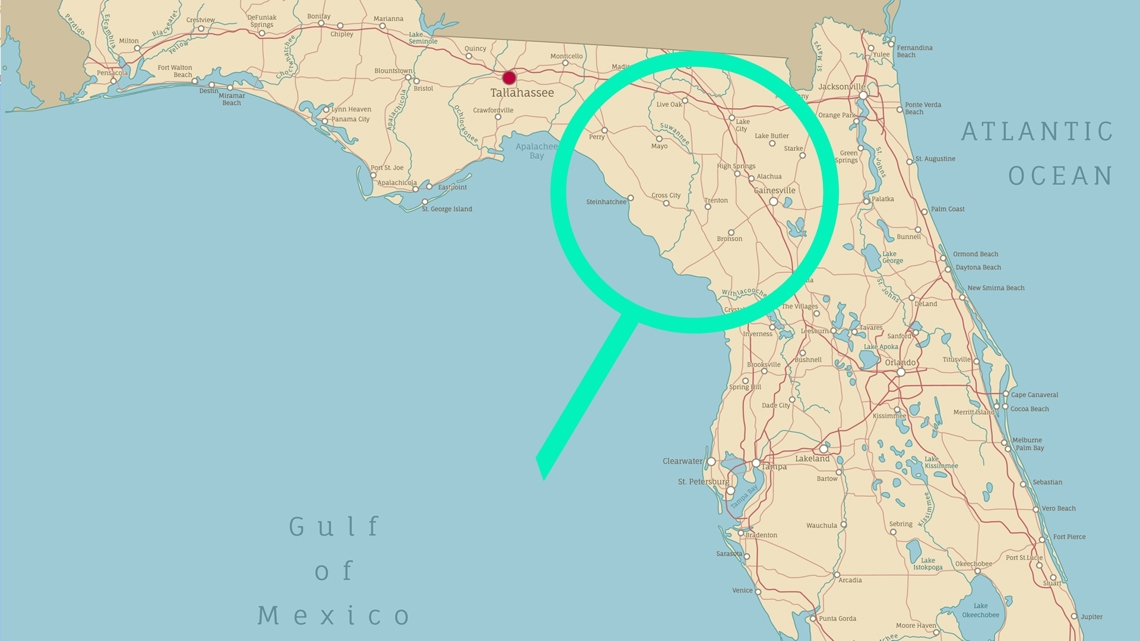
Pinpointing Big Bend on the Map of Florida
Geographically, the Big Bend region encompasses a significant portion of Florida’s northwestern coast. It generally stretches from the St. Marks National Wildlife Refuge near Tallahassee in the west, south to approximately Homosassa Springs in Citrus County. This broad definition includes coastal sections of several counties, notably Wakulla, Jefferson, Taylor, Dixie, and Levy counties. Each of these areas contributes to the distinct character of the Big Bend, offering a mosaic of landscapes from pristine rivers to historic fishing villages.
What truly sets the Big Bend apart is its largely undeveloped, natural coastline. Unlike the sandy beaches and bustling resorts that characterize much of Florida’s shores, the Big Bend coast is a vast expanse of marshes and tidal creeks. This unique habitat is crucial for a myriad of marine and avian species, making it a paradise for nature enthusiasts and those seeking solitude away from crowded tourist hubs. The absence of major development means that towns here are typically small, charming, and offer a genuine glimpse into old Florida life. Traveling through the Big Bend often means meandering along scenic country roads, where wildlife sightings are common and the pace of life feels refreshingly slow. This geographic isolation and commitment to preservation have kept the region a hidden gem, ripe for exploration by those who value authentic experiences and natural beauty over commercialized attractions.
The Natural Wonders and Pristine Ecosystems
The heart of the Big Bend’s allure lies in its unparalleled natural beauty and diverse ecosystems. This region is a sanctuary for wildlife, boasting an incredible array of habitats from sprawling national wildlife refuges to crystal-clear freshwater springs. The preservation of these areas ensures that visitors can immerse themselves fully in the wild heart of Florida.
One of the most prominent natural landmarks is the St. Marks National Wildlife Refuge, a sprawling expanse of coastal marshes, islands, and uplands that serves as a vital stopover for migratory birds, particularly monarch butterflies during their autumn migration. The refuge is also home to the historic St. Marks Lighthouse, providing a picturesque backdrop for birdwatching, hiking, and photography. Further south, the region is crisscrossed by an impressive network of rivers, including the renowned Suwannee River, which empties into the Gulf of Mexico within the Big Bend area. Other significant waterways like the Steinhatchee River and the Fenholloway River offer prime opportunities for fishing, kayaking, and wildlife observation, providing a crucial connection to the aquatic life that thrives here.
Beyond the rivers and refuges, the Big Bend is a gateway to Florida’s magnificent freshwater springs. These natural wonders, fed by the vast Florida aquifer, offer year-round swimming, snorkeling, and diving in waters that maintain a constant, refreshing temperature. Wakulla Springs State Park is home to one of the world’s largest and deepest freshwater springs, famous for its jungle cruise that often reveals alligators, manatees, and diverse birdlife. Similarly, Manatee Springs State Park and Fanning Springs State Park provide breathtaking settings for swimming, picnicking, and observing the gentle giants that give the former its name. These springs are not just recreational sites; they are critical habitats and significant natural landmarks that showcase the extraordinary biodiversity and geological richness of the Big Bend. The ecological integrity of this region offers a profound connection to nature, making it an essential destination for those seeking to understand and appreciate Florida’s wild side.

Planning Your Big Bend Adventure: Attractions and Activities
Venturing into Florida’s Big Bend region opens up a world of discovery, from quaint, historic towns to boundless outdoor adventures. This area is a haven for those who cherish authentic experiences, local culture, and activities that connect them intimately with nature.
Exploring Quaint Towns and Local Culture
The Big Bend is dotted with charming small towns, each possessing its own unique character and a rich history tied to the Gulf of Mexico and the state’s natural resources. These towns are far removed from the hustle and bustle of major metropolitan areas, offering a tranquil retreat and a glimpse into a bygone era.
Steinhatchee is famously known as the “Scalloping Capital of Florida.” During scallop season, typically from June to September, this small fishing village comes alive with visitors eager to snorkel for these delicious shellfish. Beyond scalloping, Steinhatchee offers excellent fishing charters, cozy local eateries serving fresh seafood, and a laid-back atmosphere perfect for unwinding. Its vibrant waterfront is a hub of activity, reflecting the town’s deep connection to the sea.
Further south, Cedar Key captivates visitors with its island charm and artistic flair. This historic island community, accessible by a scenic causeway, is renowned for its clam farms, eclectic art galleries, and colorful Victorian-era architecture. Cedar Key is a fantastic destination for kayaking through serene marshes, birdwatching, and indulging in some of the freshest seafood imaginable, particularly its famous clam chowder. The Cedar Key Historical Society Museum provides fascinating insights into the island’s past, from its days as a bustling port to its resilience against hurricanes.
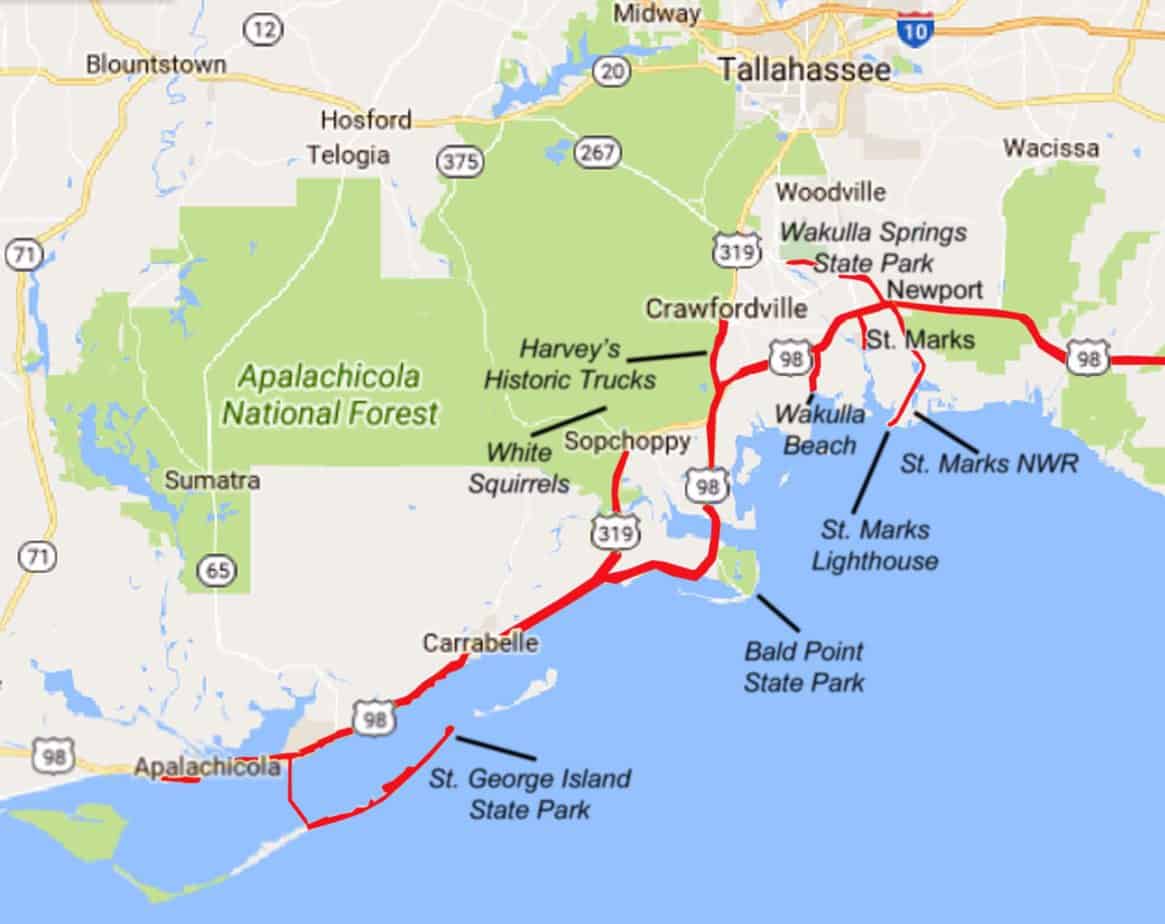
On the western edge of the Big Bend, towns like Carrabelle and Apalachicola offer a blend of maritime history and natural beauty. Carrabelle, home to the “World’s Smallest Police Station,” is a working waterfront community perfect for sport fishing and exploring nearby barrier islands. Apalachicola, a slightly larger historic town, is a culinary hotspot famous for its oysters and charming historic district filled with independent shops and restaurants. Its rich history as a port city is evident in its well-preserved architecture and vibrant local culture. These towns, each with its distinct flavor, provide the cultural backbone of the Big Bend, inviting travelers to slow down, connect with locals, and savor the authentic spirit of coastal Florida.
Outdoor Pursuits for Every Traveler
The Big Bend’s natural landscape is an open invitation to a myriad of outdoor activities, catering to adventurers of all skill levels. The region’s commitment to preserving its wild spaces ensures that these pursuits offer unparalleled access to unspoiled environments.
Fishing and Scalloping are perhaps the quintessential Big Bend experiences. The diverse waters, from the shallow flats of the Gulf of Mexico to the freshwater rivers and springs, teem with fish. Anglers can target redfish, trout, snapper, and grouper in the saltwater, or bass and catfish in the freshwater systems. During the summer months, the highly anticipated scalloping season draws families and friends to towns like Steinhatchee and Crystal River, where snorkeling for scallops offers a unique and delicious harvest. Many local guides and charters are available to ensure a successful and memorable outing, whether you’re casting a line or diving for scallops.
For those who prefer to explore by paddle, the Big Bend boasts an extensive network of waterways ideal for kayaking and canoeing. The tranquil tidal creeks, cypress-lined rivers, and calm spring runs provide breathtaking scenery and abundant opportunities for wildlife viewing. The Florida Paddling Trails Association has designated several trails throughout the region, guiding paddlers through mangroves, salt marshes, and alongside pristine forests. Imagine gliding silently through a spring run, spotting manatees, turtles, and a variety of wading birds in their natural habitat.
Hiking and Cycling also flourish here, with numerous trails weaving through state parks, national forests, and wildlife refuges. The Nature Coast State Trail, a paved rail-trail, offers miles of scenic cycling through shaded canopies and past small towns. Within the vast expanse of the St. Marks National Wildlife Refuge and other protected areas, hikers can discover diverse ecosystems, from pine flatwoods to coastal hammocks, providing opportunities for birdwatching and photography. For adventurers seeking more immersive experiences, diving and snorkeling in the crystal-clear freshwater springs are unforgettable. The constant 72-degree Fahrenheit water of springs like Wakulla Springs State Park provides an ideal environment for observing underwater geological formations and aquatic life, offering a unique perspective on Florida’s subterranean wonders.
Accommodation and Lifestyle in Florida’s Big Bend
Experiencing the Big Bend isn’t just about where you go, but also where you stay and how you embrace the local way of life. The region offers a range of accommodations that align with its natural, unpretentious character, providing comfortable bases from which to explore its wonders.
Where to Stay: Hotels, Resorts, and Unique Accommodations
Accommodation options in the Big Bend are as diverse as its landscape, catering to various preferences and budgets, though generally leaning towards a more authentic and less commercialized experience than Florida’s major tourist hubs. Visitors will find charming inns, family-run motels, rustic fishing lodges, and an increasing number of vacation rentals that offer a home-away-from-home feel.
In towns like Steinhatchee, dedicated fishing lodges and small hotels like The Steinhatchee River Inn provide convenient access to the river and Gulf of Mexico, often equipped with amenities for anglers such as boat ramps and cleaning stations. For a more boutique or island-style experience, Cedar Key offers cozy guesthouses and quaint hotel properties like the Cedar Key Island Resort, many with scenic views of the water. These establishments often emphasize local charm and personalized service, reflecting the community-oriented spirit of the island.
For those seeking an immersive natural retreat, destinations near the major springs or state parks offer unique stays. The historic Wakulla Springs Lodge within Wakulla Springs State Park provides an exceptional opportunity to stay directly amidst one of Florida’s most stunning natural wonders, with comfortable rooms and classic charm. Beyond traditional hotels, camping is a highly popular option, with numerous state parks, such as St. George Island State Park (just west of the Big Bend proper, offering a similar vibe) and privately run campgrounds, providing sites for tents and RVs, often with direct access to hiking trails, beaches, and waterways. Booking accommodations in advance, especially during peak seasons like scallop season or spring break, is highly recommended, as options can be limited and fill up quickly. Whether you prefer a rustic cabin, a comfortable hotel room, or a private vacation rental, the Big Bend offers a welcoming place to rest after a day of adventure.
Embracing the Laid-Back Lifestyle
The lifestyle in Florida’s Big Bend region is defined by its unhurried pace, deep connection to nature, and the genuine warmth of its local communities. This is not a place for extravagant luxury or frantic sightseeing, but rather for appreciating simplicity, natural beauty, and authentic experiences.
For budget travelers, the Big Bend offers exceptional value. Many of the primary attractions, such as state parks and national wildlife refuges, have affordable entry fees, and activities like hiking, birdwatching, and swimming in the springs are often free or low-cost. Dining predominantly focuses on fresh, locally sourced seafood and classic Southern comfort food served in casual, friendly establishments. While luxury options exist, the true charm of the region lies in its accessible, outdoor-centric experiences. Families will find the Big Bend an ideal destination for creating lasting memories, with safe, nature-focused activities like scalloping, kayaking, and exploring the springs. The absence of overwhelming crowds makes it easy for children to connect with nature and for parents to relax.
For those seeking a romantic getaway, the secluded natural settings, breathtaking sunsets over the Gulf of Mexico, and quiet charm of the small towns provide an intimate backdrop. Imagine a peaceful evening stroll along a historic waterfront or a private paddle through a serene marsh at dawn. The absence of bright city lights means stargazing opportunities are abundant, adding another layer of magic to the experience. The local culture is profoundly shaped by its maritime heritage and the bounty of the land. Locals are often eager to share stories, offer tips on the best fishing spots, or recommend a hidden gem eatery. Embracing this authentic Florida lifestyle means slowing down, savoring fresh seafood, respecting the environment, and enjoying the simple pleasures of life by the coast. It’s an invitation to disconnect from the digital world and reconnect with nature and genuine human interaction, making every trip to the Big Bend a restorative and enriching journey.
In conclusion, the Big Bend region of Florida is more than just a geographical location; it’s a state of mind, an untouched haven for nature lovers, adventure seekers, and anyone yearning for an authentic Florida experience. From its unique marshy coastline and pristine freshwater springs to its charming fishing villages and abundant wildlife, the Big Bend offers a compelling alternative to the state’s more frequented destinations. It’s a place where the wild beauty of Florida truly shines, inviting travelers to explore, discover, and immerse themselves in its tranquil and captivating embrace. Whether you come for the scalloping, the serene paddling, the historic towns, or simply to unwind amidst nature, the Big Bend promises a journey that will linger in your memory long after you’ve left its welcoming shores.
LifeOutOfTheBox is a participant in the Amazon Services LLC Associates Program, an affiliate advertising program designed to provide a means for sites to earn advertising fees by advertising and linking to Amazon.com. Amazon, the Amazon logo, AmazonSupply, and the AmazonSupply logo are trademarks of Amazon.com, Inc. or its affiliates. As an Amazon Associate we earn affiliate commissions from qualifying purchases.