
The question “Did the hurricane hit Florida?” resonates deeply with anyone planning a getaway to the Sunshine State, a travel haven synonymous with pristine beaches, world-class attractions, and vibrant culture. As a premier destination for travelers worldwide, Florida experiences a unique interplay between its alluring charm and its geographical position in a region prone to tropical weather systems. Understanding this dynamic is crucial for seamless travel planning, responsible tourism, and appreciating the remarkable resilience that defines the state and its communities.
Florida’s hurricane season typically runs from June 1st to November 30th, with the peak months often falling between August and October. During this period, the state can indeed be affected by hurricanes, which vary significantly in intensity, trajectory, and subsequent impact. From the bustling streets of Miami to the serene shores of Sanibel Island, and from the family-friendly theme parks of Orlando to the historic charm of Key West, no part of the state is entirely immune from the possibility of a direct hit or the peripheral effects of a storm.
However, the narrative of hurricanes in Florida is not one of perpetual devastation but rather one of preparedness, rapid response, and an unwavering commitment to recovery and rebuilding. For travelers, hoteliers, and tourism professionals alike, understanding the risks, the recovery process, and how to plan around potential weather events is key to enjoying all that Florida has to offer, year-round. This article delves into the realities of hurricanes hitting Florida, exploring their impact on travel, accommodation, tourism, and the enduring lifestyle that makes the state a beloved destination.
Florida’s Dance with Tropical Systems: A Tale of Resilience and Rebuilding
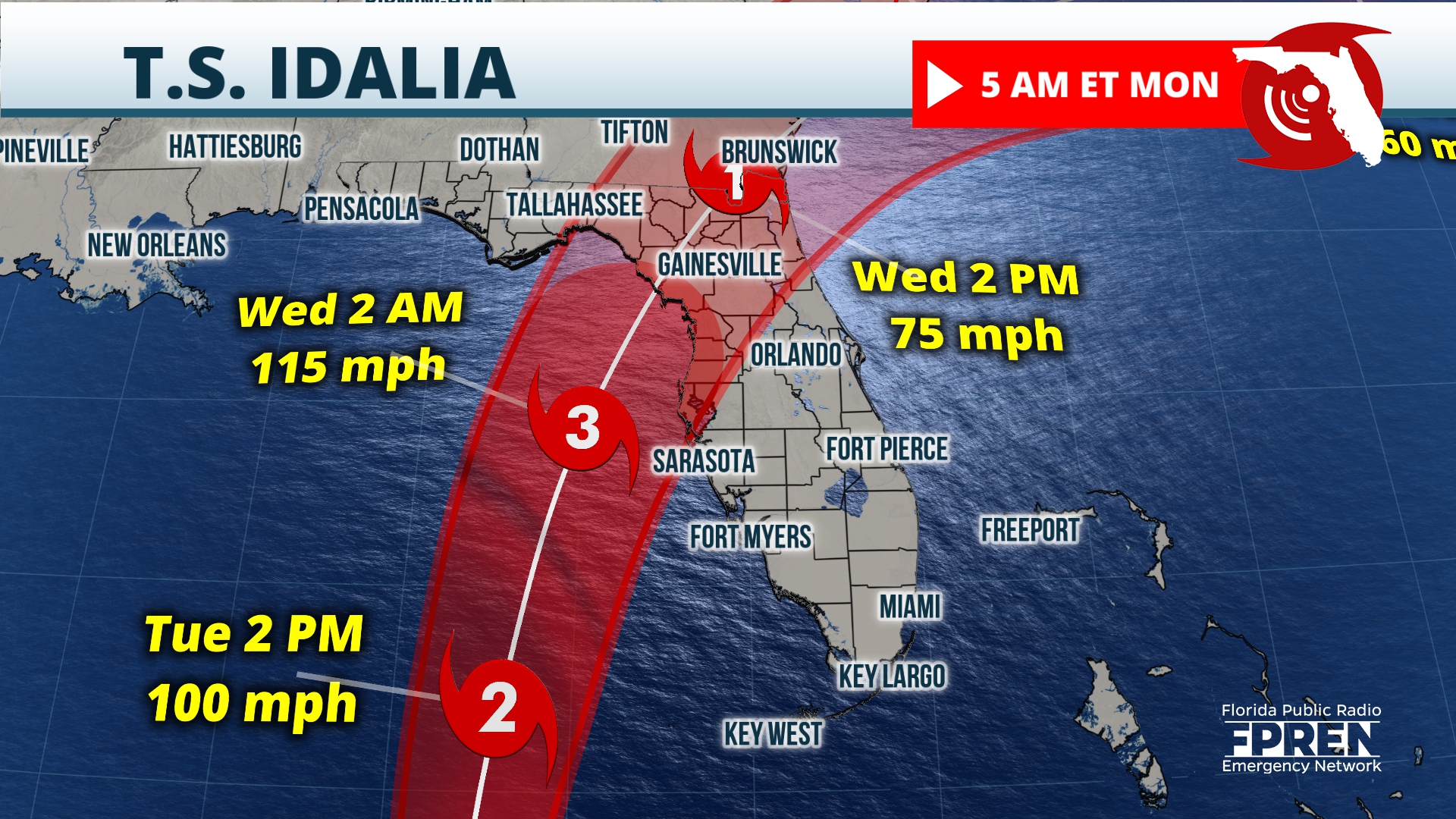
Florida’s encounter with hurricanes is a cyclical phenomenon, shaping not just its physical landscape but also the spirit of its communities. Over the years, numerous storms have tested the state’s mettle, each leaving its own imprint and contributing to a rich history of adaptation and recovery. While a hurricane strike is undeniably a serious event, the state has developed robust infrastructure and emergency management systems designed to mitigate risks and facilitate swift recovery, lessons learned from significant events like Hurricane Andrew in 1992, the unprecedented 2004 hurricane season, and more recently, Hurricane Irma in 2017 and Hurricane Ian in 2022.
The impact of a hurricane varies dramatically depending on its strength, size, and landfall location. A Category 1 storm might bring heavy rains and some localized flooding, leading to temporary inconveniences. In contrast, a major Category 4 or 5 hurricane can cause widespread damage, affecting infrastructure, power grids, and buildings, as seen with Hurricane Michael in the Florida Panhandle in 2018. However, even in the wake of severe storms, the story is often one of rapid mobilization and community spirit, with residents and businesses working tirelessly to restore normalcy.

A Legacy of Preparedness and Swift Recovery
Florida leads the nation in hurricane preparedness and response. State and local agencies, alongside organizations like the National Hurricane Center, provide timely forecasts and advisories, enabling residents and visitors to make informed decisions. Evacuation routes are well-established, and shelters are prepped long before hurricane season begins. This proactive approach ensures that when a storm threatens, the focus can immediately shift to protecting lives and properties.
Post-storm recovery is equally impressive. Utility companies often work around the clock to restore power, sometimes bringing electricity back to affected areas within days. Roads are cleared, and essential services are reinstated with remarkable speed. This efficiency is critical for the travel and tourism industry, as it allows destinations to reopen to visitors as quickly as possible, minimizing economic disruption. The commitment to rebuilding stronger and smarter is evident in new construction codes and resilient infrastructure projects across the state, from strengthened bridges to elevated buildings. This long-term view safeguards Florida’s status as a premier destination, ensuring its natural beauty and iconic landmarks remain accessible and enjoyable for generations to come.
Navigating Travel and Tourism in a Post-Hurricane Landscape
For travelers, the prospect of a hurricane hitting Florida naturally raises concerns about travel plans, safety, and the condition of their chosen destinations. However, with proper planning and awareness, a fantastic Florida vacation is entirely possible, even during hurricane season. The key lies in understanding how hurricanes affect different aspects of a trip, from flights and accommodations to attractions and local experiences.
A significant hurricane can lead to temporary closures of airports, such as Miami International Airport or Southwest Florida International Airport, and disruptions to road networks, particularly in coastal areas or low-lying regions like the Florida Keys. Cruise lines often reroute ships to avoid severe weather, impacting itineraries for those embarking from PortMiami or Port Everglades. While these disruptions can be frustrating, they are ultimately implemented for the safety of travelers and residents.
Destinations Under Scrutiny: Where Was the Impact Felt?
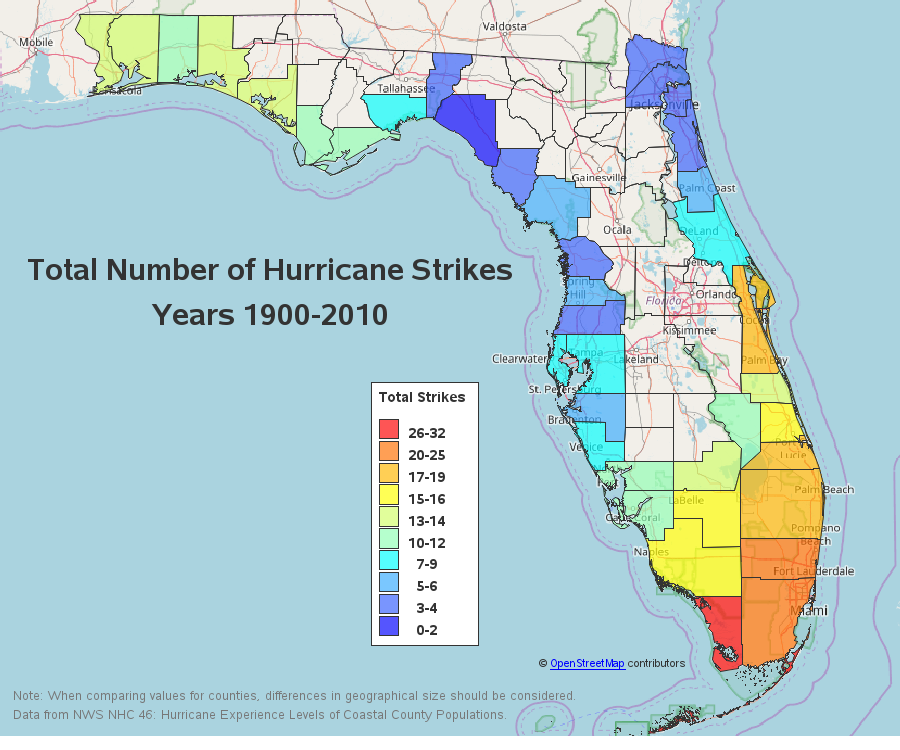
The impact of a hurricane is highly localized. One part of Florida might experience severe damage, while another, just a few hundred miles away, remains completely untouched and open for business.
- Southwest Florida: Regions like Fort Myers, Naples, and especially barrier islands like Sanibel Island and Captiva Island, often bear the brunt of storms making landfall from the Gulf of Mexico, as demonstrated by Hurricane Ian. These areas, known for their stunning beaches and nature preserves, typically require more extensive recovery efforts.
- Southeast Florida: Miami, Fort Lauderdale, and West Palm Beach are often impacted by storms tracking up the Atlantic coast. While resilient, these metropolitan areas can experience flooding, power outages, and temporary closures of attractions and businesses.
- Central Florida: Inland cities like Orlando, home to major theme parks such as Walt Disney World Resort and Universal Orlando Resort, are less prone to direct coastal impacts but can still experience heavy rain, high winds, and isolated flooding. Theme parks often have robust protocols for temporary closures and quick reopenings.
- Florida Panhandle: Destinations like Panama City Beach and Destin have historically been vulnerable to Gulf storms, as seen with Hurricane Michael. Recovery here focuses on restoring vital infrastructure and rebuilding coastal communities.
Before traveling, always check local news, official government advisories, and direct communications from your chosen hotels or attractions to gauge the specific conditions of your intended destination.
The Hotel and Accommodation Industry’s Response
The accommodation sector in Florida, ranging from luxury resorts to budget-friendly apartments and villas, is highly attuned to hurricane preparedness. Hotels often have comprehensive emergency plans, which include securing properties, relocating guests if necessary, and having contingency plans for power and water supply.
In the aftermath of a storm, many hotels, even if damaged, play a vital role in the community’s recovery, often housing emergency responders, essential workers, and displaced residents. Properties like The Ritz-Carlton, Naples or the Hyatt Regency Coconut Point Resort & Spa on the Southwest Florida coast exemplify the robust efforts in rebuilding and renovating to ensure guest safety and comfort. They often utilize the downtime to upgrade amenities, ensuring an even better experience for returning visitors. Similarly, across the Florida Panhandle, properties such as the Hilton Sandestin Beach Golf Resort & Spa often undergo significant refurbishment to bounce back stronger than ever.
Travelers with existing bookings should contact their accommodation providers directly for updates on operational status. Many hotels offer flexible cancellation policies during hurricane threats, and travel insurance is always highly recommended for protection against unforeseen disruptions.
Planning Your Florida Getaway: Pre- and Post-Hurricane Considerations
Despite the occasional challenges posed by hurricanes, Florida’s enduring appeal as a travel destination remains undiminished. Smart planning and an understanding of the state’s resilience can ensure a rewarding and safe trip, no matter the season.
Essential Tips for Travelers During Hurricane Season
- Monitor Forecasts: Stay informed by following reliable sources like the National Hurricane Center and local news outlets.
- Travel Insurance: Invest in comprehensive travel insurance that covers hurricane-related cancellations, delays, and medical emergencies. Read the policy carefully to understand its specific coverage.
- Flexible Bookings: Whenever possible, choose airlines and accommodations that offer flexible cancellation or rebooking policies.
- Emergency Kit: If you’re driving or staying in a less serviced area, consider packing a basic emergency kit with non-perishable food, water, first-aid supplies, and a power bank.
- Stay Connected: Keep your family and friends informed of your travel plans and check-in regularly.
- Heed Warnings: Always follow instructions from local authorities, including any evacuation orders. Your safety is paramount.
Supporting Local Tourism During Recovery
One of the most impactful ways travelers can contribute to Florida’s recovery efforts is by returning to affected areas once they are deemed safe and open for business. Tourism is a cornerstone of Florida’s economy, and your patronage directly supports local businesses, creates jobs, and helps communities rebuild their livelihoods.
- Visit Reopened Attractions: Many popular sites, from Busch Gardens Tampa Bay to the Kennedy Space Center Visitor Complex, are quick to resume operations. Your visit signals confidence and provides vital revenue.
- Explore Natural Landmarks: Iconic natural attractions such as Everglades National Park or Dry Tortugas National Park might experience temporary closures for cleanup, but their beauty quickly returns.
- Dine and Shop Locally: Support local restaurants, boutiques, and artisans. This injects money directly into the local economy and helps small businesses bounce back.
- Consider Off-Peak Travel: Traveling during the shoulder seasons (spring and late fall) or even the early parts of hurricane season can offer great deals and fewer crowds, while still supporting the industry.
- Volunteer (if appropriate): For those seeking a deeper connection, organizations often welcome volunteers in long-term recovery efforts, offering a unique travel experience focused on giving back.
A Look at Florida’s Enduring Appeal
Despite its vulnerabilities to tropical weather, Florida’s allure remains magnetic. Its diverse offerings cater to every lifestyle and travel preference: from luxurious escapes at resorts like Loews Portofino Bay Hotel to budget-friendly family trips, and from vibrant urban adventures in Tampa to serene nature explorations. The state’s natural beauty, cultural richness, and endless recreational opportunities ensure its continued prominence on the global tourism map.
The warmth of its people, the innovative spirit of its cities, and the breathtaking scenery continue to draw millions of visitors each year. The ability of Florida to rebound from adversity, often emerging with enhanced facilities and stronger communities, is a testament to its enduring strength and appeal.
In conclusion, while hurricanes can and do hit Florida, the state’s advanced preparedness, rapid recovery mechanisms, and resilient spirit ensure that it remains a safe and welcoming destination. For travelers, an informed approach, coupled with flexible planning and a readiness to support local communities, can transform potential concerns into an opportunity to experience Florida’s unparalleled beauty and vibrant lifestyle, come rain or shine.
LifeOutOfTheBox is a participant in the Amazon Services LLC Associates Program, an affiliate advertising program designed to provide a means for sites to earn advertising fees by advertising and linking to Amazon.com. Amazon, the Amazon logo, AmazonSupply, and the AmazonSupply logo are trademarks of Amazon.com, Inc. or its affiliates. As an Amazon Associate we earn affiliate commissions from qualifying purchases.