
Hawaii, a tropical paradise renowned for its pristine beaches, vibrant culture, and breathtaking landscapes, captivates millions of travelers each year. When planning a trip to this idyllic destination, a common concern that surfaces for many visitors revolves around the potential for hurricanes. The short answer is yes, Hawaii can and does experience hurricanes. However, the reality is far more nuanced than a simple yes or no. While the islands are situated in a region where tropical cyclones form, the actual risk of a direct and powerful hurricane strike on any given island is remarkably low, particularly when compared to other coastal regions in the United States like the Gulf Coast or the Atlantic Seaboard. Understanding the dynamics of hurricane activity in the Pacific Ocean, Hawaii’s unique geographical protections, historical events, and the preparedness measures in place can help travelers make informed decisions and enjoy their Hawaiian experience with peace of mind.
Understanding Hawaii’s Hurricane Landscape
The potential for hurricanes in Hawaii is intrinsically linked to the broader tropical cyclone activity in the Pacific Ocean. The islands are located within the Central Pacific hurricane basin, which is bordered by the Eastern Pacific to the east and the Western Pacific to the west. While storms can originate in any of these areas, those that threaten Hawaii typically form in the Eastern Pacific (off the coast of Mexico) and track westward.
The Pacific Hurricane Season Explained
The official hurricane season for the Central Pacific typically runs from June 1st through November 30th. Historically, the peak months for tropical cyclone activity in this region are August and September, though storms can occur outside this window. During these months, sea surface temperatures are warmest, providing the energy needed for tropical depressions to strengthen into tropical storms and, potentially, hurricanes.
The National Oceanic and Atmospheric Administration (NOAA), through its Central Pacific Hurricane Center (CPHC) in Honolulu, monitors weather patterns rigorously. They issue forecasts and advisories for any developing systems that pose a threat to the islands. Travelers planning trips during these months should pay closer attention to weather forecasts, though the overall probability of a direct hit remains low. It’s crucial to remember that a hurricane watch or warning for Hawaii is a relatively rare event.
Why Hawaii’s Location Offers Unique Protection
Despite being in the hurricane belt, Hawaii benefits from several natural deterrents that often protect it from the full wrath of these powerful storms.
Firstly, its remote location in the middle of the Pacific Ocean means that storms typically have to travel vast distances to reach the islands. This long journey often causes storms to weaken due to various environmental factors.
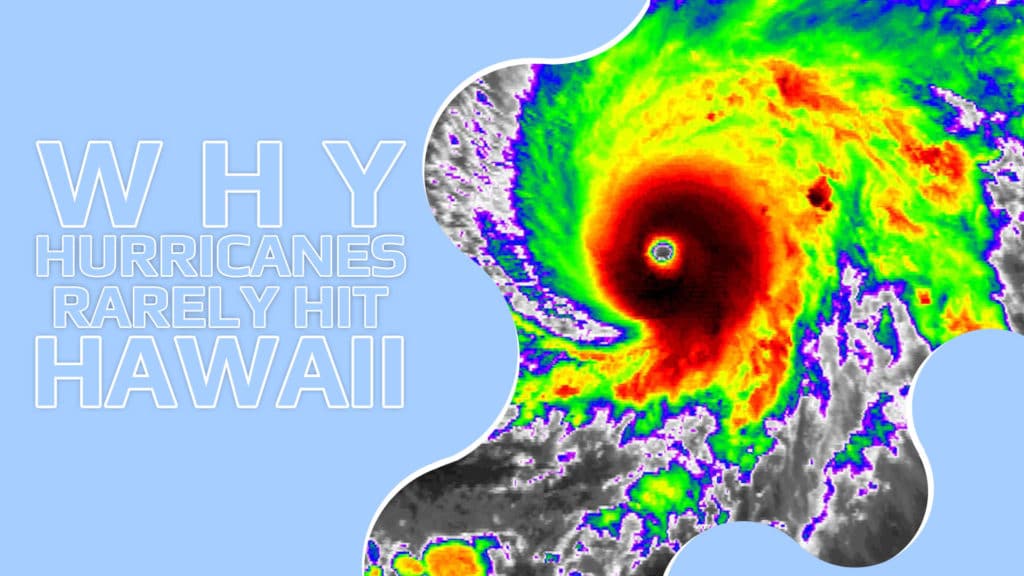
Secondly, and perhaps most significantly, is the presence of cooler ocean waters northwest of Hawaii, along with prevailing winds and upper-level atmospheric conditions, particularly the “Kona Low” phenomenon and the subtropical jet stream. These factors can create an environment hostile to tropical cyclone intensification. As storms approach Hawaii, they frequently encounter these less favorable conditions, which can shear away their tops, weaken their intensity, or even cause them to dissipate entirely or curve away. The trade winds also play a role, often pushing storms to the south or north of the island chain.
This combination of factors acts as a natural shield, making direct, devastating hurricane landfalls infrequent. While tropical storms or depressions with heavy rain and strong winds are more common, the full-blown, Category 3+ hurricane making landfall is a historical anomaly rather than a regular occurrence.
A Glimpse into Hawaii’s Hurricane History
While rare, Hawaii has experienced direct hurricane hits, serving as a reminder that vigilance and preparedness are always necessary. These historical events offer valuable lessons in understanding the potential impact and the importance of robust emergency response systems.
Notable Past Events and Their Lessons
The most significant hurricanes to impact Hawaii include:
- Hurricane Dot (1959): This was the first recorded hurricane to hit Kauai directly since 1950, causing significant damage, primarily to agriculture and infrastructure. Its impact highlighted the vulnerability of the islands, even with their natural protections.
- Hurricane Iwa (1982): Iwa made landfall on Kauai as a Category 1 hurricane, also affecting Oahu. It was a costly storm, causing widespread power outages, property damage, and disrupting tourism. The recovery efforts underscored the need for improved building codes and emergency communication.
- Hurricane Iniki (1992): Without a doubt, Iniki stands as the most devastating hurricane to strike Hawaii in modern history. As a powerful Category 4 storm, it made a direct hit on Kauai, causing widespread destruction across the island. Homes, resorts, and infrastructure were severely damaged or destroyed, leading to billions of dollars in losses. The response to Iniki led to significant enhancements in Hawaii’s emergency preparedness, building resilience, and disaster recovery protocols.
- Hurricane Lane (2018): While Lane did not make a direct landfall as a hurricane, it came exceptionally close to Maui and the Big Island as a major Category 4 hurricane before weakening. It brought record-breaking rainfall, triggering severe flooding and mudslides, particularly on the Big Island. The event demonstrated that even a near-miss can cause substantial damage due to associated hazards like extreme precipitation.
These events, while spaced decades apart, serve as critical benchmarks for emergency planning and public awareness. They highlight that even with low probability, the potential for significant impact exists, underscoring the importance of robust infrastructure and community preparedness.
The Evolving Science of Hurricane Prediction
The ability to predict hurricane tracks and intensity has vastly improved since the days of Dot and Iwa. Advancements in satellite technology, weather modeling, and reconnaissance aircraft allow agencies like the CPHC to provide earlier and more accurate warnings. This gives residents and visitors more time to prepare or adjust travel plans.
These improved prediction capabilities are invaluable for the tourism industry. Hotels and resorts can implement their emergency plans more effectively, airlines can adjust flight schedules, and tour operators can modify itineraries, all with the goal of ensuring visitor safety and minimizing disruption. Travelers can now access real-time information through numerous channels, enabling proactive decision-making.
Preparing for Your Hawaiian Getaway
For travelers, awareness and preparation are key to a stress-free Hawaiian vacation, regardless of the season. While the hurricane risk is low, understanding how to prepare for any eventuality is a cornerstone of responsible travel and lifestyle planning.
Essential Pre-Trip Planning and Travel Insurance
When booking your Hawaiian escape, especially if traveling during the hurricane season (June-November), consider the following:
- Travel Insurance: This is perhaps the most crucial recommendation. A comprehensive travel insurance policy can cover unexpected trip cancellations, delays, medical emergencies, and even provide evacuation assistance due to natural disasters. Carefully read the policy details to understand what is covered regarding hurricane-related disruptions.
- Flexible Bookings: Whenever possible, opt for hotels, flights, and car rentals that offer flexible cancellation or rebooking policies. This provides a safety net if a storm threat emerges.
- Stay Informed: Before and during your trip, monitor reputable weather sources like the CPHC, NOAA, and local Hawaiian news outlets.
- Pack Smart: In addition to your beachwear, consider packing a basic emergency kit. This doesn’t mean a full survival pack, but rather essentials like a small first-aid kit, any necessary prescription medications, and copies of important documents (passports, insurance details).
On-Island Preparedness: What to Do If a Storm Approaches
Should a hurricane watch or warning be issued while you are in Hawaii, local authorities will disseminate clear instructions. Here’s what travelers should typically expect and do:
- Follow Local Authorities: Adhere strictly to the advice and instructions from local emergency management officials, hotel staff, and public safety announcements.
- Hotel Emergency Plans: Most resorts and hotels in Hawaii have detailed emergency preparedness plans. Familiarize yourself with your accommodation’s specific procedures, including evacuation routes, shelter locations, and communication protocols. Staff will guide guests on what actions to take.
- Stock Up on Essentials: If advised, purchase a small supply of water, non-perishable snacks, and any personal necessities. Gas up your rental car if you have one.
- Stay Indoors: During a storm, stay inside your hotel room or designated shelter. Avoid venturing outside, especially near coastal areas or flood-prone regions.
- Communication: Keep your cell phone charged. Have a plan to communicate with family and friends.
- Evacuation: If an evacuation order is issued for your area, comply immediately. Transportation routes can become congested quickly.
The state of Hawaii and its various counties have well-established emergency management agencies, often working in conjunction with the Federal Emergency Management Agency (FEMA) and the American Red Cross, to ensure public safety. Their protocols are designed to protect both residents and visitors.
Navigating Travel and Accommodation During Hurricane Season
The website’s focus on Travel, Hotels, Tourism, and Accommodation makes it essential to discuss how hurricanes, even distant ones, can impact these aspects of a Hawaiian trip.
The Impact on Flights, Resorts, and Attractions
Even if a hurricane doesn’t make a direct hit, its proximity can still lead to significant disruptions for travelers:
- Flights: Airlines may cancel or delay flights to and from Hawaii if a hurricane is approaching or if conditions at Hawaiian airports (like Honolulu International Airport) become unsafe. This can lead to stranded travelers or missed connections. Always check with your airline directly for the latest updates.
- Resorts and Hotels: While hotels are built to withstand tropical weather, many might close certain amenities like pools, beachfront access, or outdoor restaurants during a storm for safety. In severe cases, hotels might issue evacuation orders, requiring guests to move to designated shelters. Booking a resort in a sheltered area, or one known for its robust emergency plans, can add an extra layer of peace of mind.
- Attractions and Activities: Many popular attractions, especially those outdoors like hiking trails (e.g., in Diamond Head State Monument), beaches, and water sports (surfing, snorkeling in Waikiki), will likely be closed during a storm for safety reasons. Department of Land and Natural Resources (DLNR) often closes state parks and trails. Tour operators might cancel excursions like submarine tours, helicopter rides, or Pearl Harbor visits, leading to last-minute changes to your itinerary.
These disruptions can be frustrating, but they are implemented for the safety of everyone. The Hawaii Tourism Authority often provides updates and guidance during such events.
Flexible Booking and Emergency Protocols
To mitigate the stress of potential disruptions, travelers should prioritize flexibility when booking. Look for hotel brands that are known for their customer service and willingness to accommodate changes during emergencies. Many major chains, like Hyatt or Marriott resorts on Maui or Oahu, will have clear policies regarding hurricane-related cancellations or rebookings.
It’s also wise to keep copies of all booking confirmations and contact information for your hotel, airline, and travel insurance handy. Most reputable travel providers will have emergency hotlines or dedicated staff to assist travelers during weather events. Understanding these protocols before you travel can save valuable time and reduce anxiety if a storm threat materializes.
Beyond Hurricanes: Other Natural Phenomena in Hawaii
While hurricanes grab headlines, Hawaii’s dynamic natural environment presents other phenomena that travelers should be aware of, all of which fall under the umbrella of responsible tourism and lifestyle choices in the islands.
Tsunami Threats and Safety Protocols
Hawaii is located in the middle of the Pacific Ring of Fire, making it susceptible to tsunamis generated by distant earthquakes. Tsunamis are much more frequent than hurricanes. The state has an advanced tsunami warning system that includes sirens and public alerts.
If a tsunami warning is issued, it is critical to move immediately to higher ground. Coastal resorts typically have designated evacuation zones and will guide guests to safety. Unlike hurricanes, which develop over days, tsunamis can strike with little warning, emphasizing the need to heed all alert signals without delay.
Volcanic Vog and Flash Floods: What Travelers Should Know
- Volcanic Vog: Derived from the words “volcanic fog,” vog is a hazy mixture of sulfur dioxide gas and other volcanic particles released from active volcanoes, primarily Kilauea on the Big Island and sometimes Mauna Loa. While generally not dangerous for most people, vog can cause respiratory issues, eye irritation, and headaches for individuals with pre-existing conditions (e.g., asthma) or during periods of high concentration. Vog levels fluctuate based on volcanic activity and wind patterns. Travelers with respiratory sensitivities should monitor vog forecasts, especially when visiting the Big Island.
- Flash Floods: Hawaii is characterized by steep terrain and heavy rainfall, making flash floods a common occurrence, particularly in valleys and stream beds. Even localized, intense downpours can quickly turn dry stream beds into raging torrents. Areas like the road to Hana on Maui or parts of Kauai are particularly susceptible. Hikers should exercise extreme caution, especially when crossing streams or hiking in valleys during or after heavy rain. Always check local weather and trail conditions before embarking on outdoor adventures. Never cross flooded roads or trails.
In conclusion, while the headline “Does Hawaii Get Hurricanes?” can be answered with a qualified “yes,” the actual risk of a major hurricane disrupting your vacation is quite low compared to other destinations. Hawaii’s natural geographical protections, combined with robust emergency preparedness, make it a relatively safe destination. By understanding the hurricane season, reviewing historical contexts, investing in travel insurance, and staying informed about all potential natural phenomena, travelers can ensure their Hawaiian experience remains unforgettable for all the right reasons.
LifeOutOfTheBox is a participant in the Amazon Services LLC Associates Program, an affiliate advertising program designed to provide a means for sites to earn advertising fees by advertising and linking to Amazon.com. Amazon, the Amazon logo, AmazonSupply, and the AmazonSupply logo are trademarks of Amazon.com, Inc. or its affiliates. As an Amazon Associate we earn affiliate commissions from qualifying purchases.