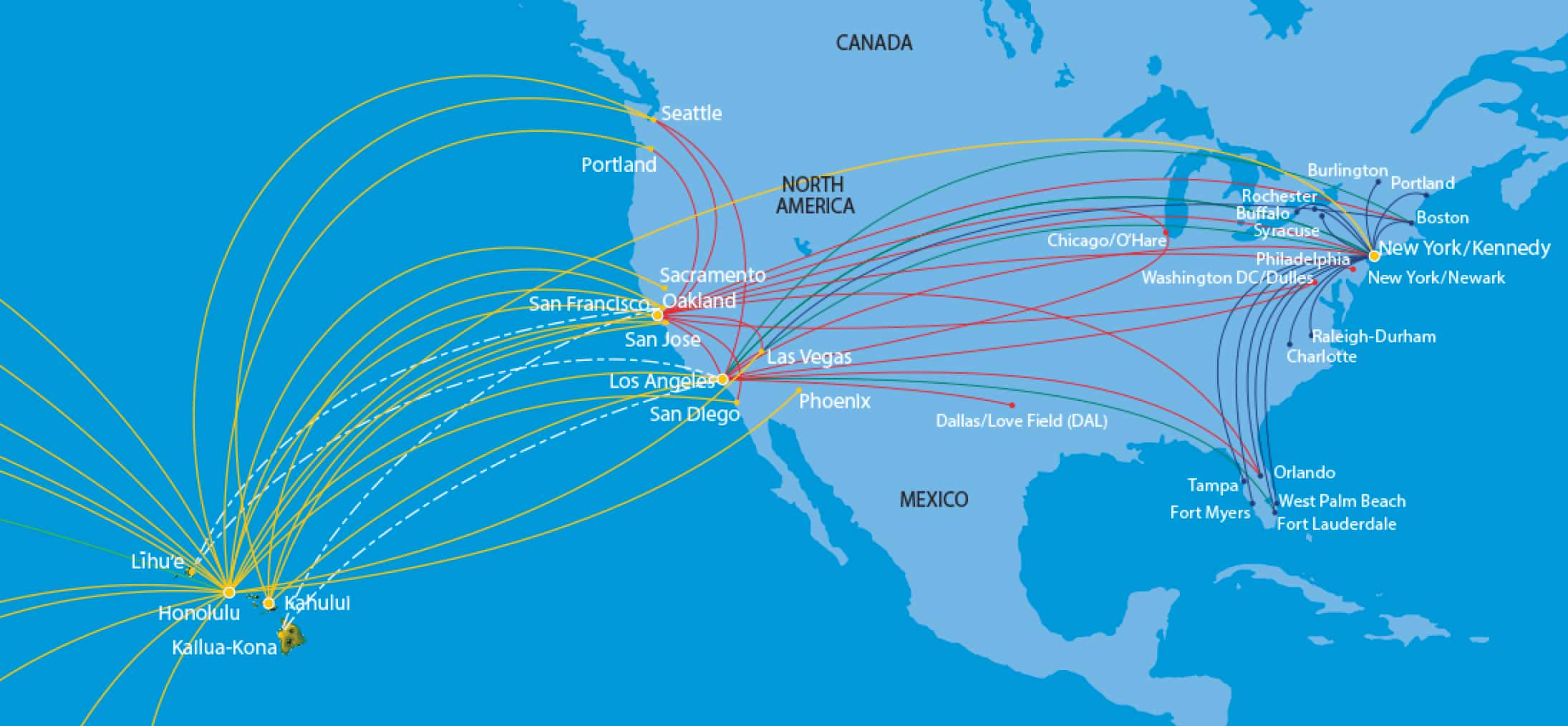
Embarking on a journey to the idyllic shores of Hawaii is a dream for many, conjuring images of pristine beaches, lush volcanic landscapes, and vibrant local culture. However, for most travelers, especially those hailing from distant continents, the allure of paradise often comes with a significant travel commitment. One of the most common questions on the minds of prospective visitors, right after “When should I go?” or “Which island is best?”, is undoubtedly: “How long is a flight to Hawaii?”
The answer, as with most travel inquiries, isn’t a simple, single number. Flight duration to Hawaii can vary dramatically based on several key factors, including your departure city, whether you opt for a direct or connecting flight, and your final Hawaiian island destination. Understanding these variables is crucial for planning your perfect Hawaiian escape, ensuring you arrive refreshed and ready to immerse yourself in the Aloha Spirit. From bustling metropolitan hubs on the United States West Coast to far-flung international airports, the journey itself is an integral part of the adventure.
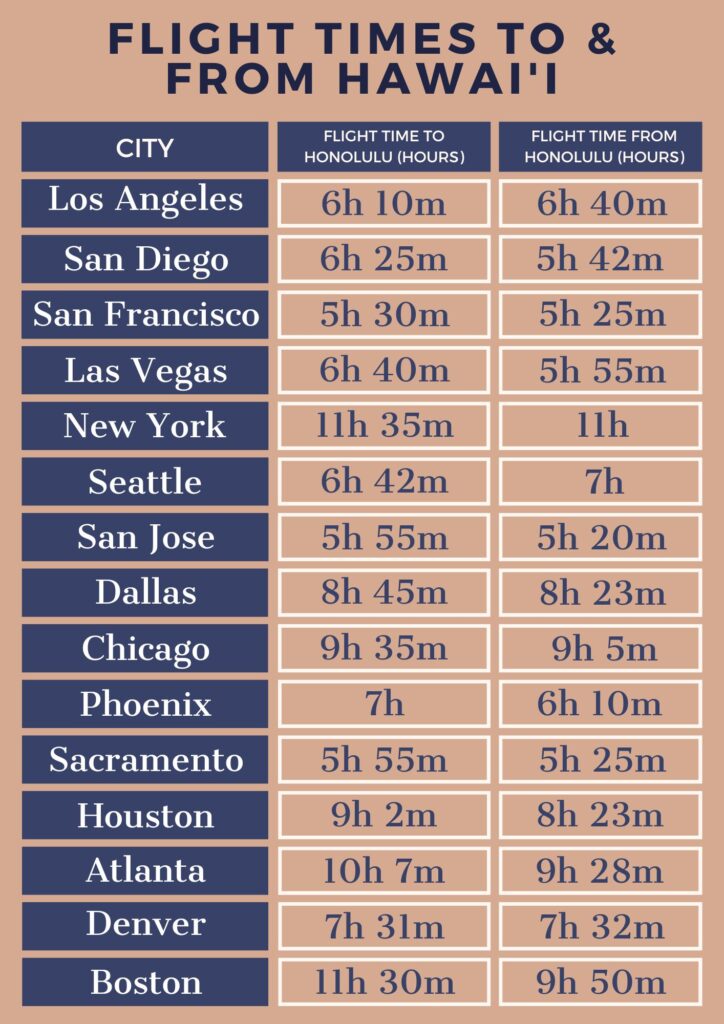
This comprehensive guide will break down typical flight durations from various regions, explore the factors that influence these times, and offer tips for making your long-haul flight as comfortable and enjoyable as possible, paving the way for unforgettable experiences in America’s 50th state.
Factors Influencing Flight Duration to Hawaii
The seemingly straightforward question of flight length to Hawaii is, in reality, quite complex, with several significant elements contributing to the total time spent in the air and in transit. Understanding these factors will help you better estimate your travel time and plan your itinerary accordingly.
Departure City and Region
The most significant determinant of your flight duration to Hawaii is your starting point. The further east or north you are from the islands, the longer your flight will generally be.
- West Coast (United States & Canada): Cities like Los Angeles, San Francisco, Seattle, and Vancouver are the closest major departure points to Hawaii. Flights from these locations are typically the shortest, often direct, and the most frequent.
- Midwest (United States): Travelers from the Midwest, including cities like Chicago, Dallas, and Houston, will experience longer flight times. While direct flights are available from some major hubs, connecting flights are also common, adding to the overall travel duration.
- East Coast (United States): For those originating from the East Coast cities such as New York City, Boston, Miami, or Orlando, the journey to Hawaii is significantly longer. Direct flights are less common but do exist from a few major airports; otherwise, a connection, usually on the West Coast, is required.
- International Destinations: Flights from international locations, particularly from Asia (e.g., Tokyo, Seoul, Sydney) or Europe, involve considerable travel time, often exceeding 10 hours for direct routes and much longer with connections.
Specific Hawaiian Island Destination
While Honolulu on Oahu is the primary gateway to Hawaii, not all flights terminate there. Many major airlines offer direct service to other popular islands.
- Oahu (Daniel K. Inouye International Airport – HNL): As the most populous island and home to the capital, Honolulu, Oahu receives the most direct flights. Flights to Honolulu are often slightly shorter than those to other islands due to its central location and robust air traffic infrastructure.
- Maui (Kahului Airport – OGG): Many travelers fly directly to Maui, often adding about 30 minutes to an hour to a flight that would otherwise go to Oahu.
- Big Island (Kona International Airport – KOA & Hilo International Airport – ITO): Direct flights to Kona or Hilo are also common, with flight times comparable to Maui or slightly longer.
- Kauai (Lihue Airport – LIH): Direct services to Kauai are available, generally similar in duration to Maui or the Big Island.
- Molokai & Lanai: These smaller islands typically require an inter-island flight connection from Honolulu or Maui, adding significant transit time.
Direct vs. Connecting Flights
The choice between a direct flight and one with layovers profoundly impacts your total travel time.
- Direct Flights: Offer the fastest travel, involving no changes of aircraft or lengthy waits in airports. They are ideal for those prioritizing speed and convenience.
- Connecting Flights: While often more budget-friendly, connecting flights add substantial time due to layovers, which can range from a quick 1-2 hour stop to an overnight stay. When factoring in gate changes, baggage rechecks, and potential delays, a connecting flight can easily double your perceived “flight time.”
Aircraft Type, Air Traffic, and Weather
While less impactful than distance and connections, other variables can subtly influence flight duration:
- Aircraft Type: Modern, more efficient aircraft can sometimes shave minutes off a flight.
- Air Traffic: Congestion at departure or arrival airports can cause delays.
- Jet Streams: Prevailing winds, particularly strong jet streams over the Pacific Ocean, can significantly affect flight times. Flights heading east (away from Hawaii) often benefit from tailwinds, making them faster, while westbound flights (to Hawaii) might face headwinds, slightly extending the journey.
Typical Flight Durations by Region
Let’s delve into the estimated flight times from various popular departure regions to the main Hawaiian islands, primarily focusing on direct flights to Honolulu, as it’s the most common arrival point. Adjustments for other islands or connecting flights will be noted.
West Coast Flights to Hawaii
The West Coast of the United States and Canada serves as the primary jumping-off point for flights to Hawaii. These are generally the shortest and most frequent routes.
- From Los Angeles (LAX) / San Francisco (SFO) / Seattle (SEA):
- To Honolulu (Oahu): Approximately 5 to 6 hours.
- To Maui (Kahului Airport): Approximately 5.5 to 6.5 hours.
- To Kona (Big Island): Approximately 5.5 to 6.5 hours.
- To Lihue (Kauai): Approximately 5.5 to 6.5 hours.
- From Vancouver (YVR) / Calgary (YYC) (Canada):
- To Honolulu: Approximately 5.5 to 7 hours.
These routes are often operated by major carriers such as United Airlines, Delta Air Lines, American Airlines, Alaska Airlines, and Hawaiian Airlines.
Midwest Flights to Hawaii
Travelers from the heartland of the United States face a considerably longer journey, often with fewer direct options.
- From Chicago (ORD) / Dallas (DFW) / Houston (IAH):
- To Honolulu (Oahu): Direct flights, if available, typically range from 8 to 9 hours. However, many journeys will involve a connection on the West Coast, extending total travel time to 10-14+ hours, including layovers.
- Connecting flights to other islands like Maui or Kona would add even more time.
East Coast Flights to Hawaii
For those starting their adventure from the East Coast, flying to Hawaii is a true long-haul commitment.
- From New York City (JFK/EWR) / Boston (BOS) / Miami (MIA) / Orlando (MCO):
- To Honolulu (Oahu): Direct flights are rare but do exist from some major hubs (e.g., New York City), lasting approximately 10 to 12 hours. The vast majority of East Coast flights will involve at least one stop, usually on the West Coast. With layovers, total travel time can range from 12 to 18+ hours.
- Flights to other islands will almost certainly require a connection and potentially an additional inter-island hop.
International Flights to Hawaii
Hawaii is a popular international destination, especially for travelers from the Pacific Rim.
- From Tokyo (Japan): Direct flights to Honolulu are very frequent, typically taking 7 to 8 hours. Airlines include Japan Airlines, All Nippon Airways, and Hawaiian Airlines.
- From Sydney (Australia): Direct flights to Honolulu usually last 9 to 10 hours.
- From Seoul (South Korea): Direct flights to Honolulu are approximately 8 to 9 hours.
- From Auckland (New Zealand): Direct flights to Honolulu average 8.5 to 9.5 hours.
For travelers from Europe, flights to Hawaii involve extensive travel, typically with at least two connections and total travel times often exceeding 20 hours.
Maximizing Comfort During Your Long Flight to Hawaii
Given the considerable flight durations, especially from the Midwest, East Coast, or international points, maximizing your comfort becomes paramount. A well-prepared journey ensures you arrive in Hawaii feeling refreshed and ready to enjoy your vacation.
Choosing the Right Airline and Seat
Investing a little extra in your flight experience can make a huge difference, particularly for longer routes.
- Airline Choice: Research airlines known for their in-flight service, seat comfort, and entertainment options. Some carriers offer more generous legroom in economy class or better amenities.
- Seat Selection: If your budget allows, consider upgrading to premium economy, business class, or even first class for a truly luxurious lifestyle experience. These options provide significantly more space, enhanced dining, and often lie-flat beds. For luxury travel enthusiasts, this can transform a long flight into an enjoyable part of the journey. Even in economy, choosing an aisle seat allows for easier movement, while a window seat offers a place to lean and enjoy views. Exit row seats or bulkhead seats typically offer more legroom but come with specific restrictions.
In-Flight Entertainment and Essentials
Keep boredom at bay and ensure your well-being with a carefully packed carry-on.
- Entertainment: Load up your devices with movies, TV shows, podcasts, and e-books. Don’t rely solely on the airline’s in-flight entertainment, as selections can be limited or systems might malfunction. Noise-canceling headphones are a game-changer for tuning out cabin noise.
- Comfort Essentials: A good neck pillow, a travel blanket (if the airline doesn’t provide one or it’s insufficient), an eye mask, and earplugs can significantly aid sleep. Pack a small toiletry bag with a toothbrush, toothpaste, moisturizer, and lip balm to freshen up.
- Snacks and Hydration: While airlines provide meals, having your favorite non-liquid snacks can be a lifesaver. Staying hydrated is crucial on long flights; drink plenty of water and limit caffeine and alcohol. Bring a refillable water bottle to fill after security.
Staying Hydrated and Moving
Deep vein thrombosis (DVT) and general discomfort are real concerns on long flights.
- Move Regularly: Get up and walk the aisles every few hours, if possible. Perform simple stretches in your seat to keep blood circulating. Compression socks can also be beneficial.
- Hydrate, Hydrate, Hydrate: The dry cabin air can lead to dehydration. Consistently sipping water will help prevent fatigue and headaches.
Managing Jet Lag
Crossing multiple time zones to reach Hawaii almost guarantees some degree of jet lag.
- Adjust Before You Go: Try to shift your sleep schedule gradually in the days leading up to your trip to align with Hawaiian time (which is several hours behind the continental United States).
- Upon Arrival: Expose yourself to natural sunlight as much as possible, especially in the morning. Stay active during the day and try to go to bed at a reasonable local time. Avoid long naps on your first day.
Beyond the Flight: Planning Your Hawaiian Getaway
Once you’ve navigated the long flight to Hawaii, the real adventure begins. Planning your activities, accommodations, and exploring the rich cultural tapestry of the islands are key to a fulfilling tourism experience.
Selecting Your Ideal Hawaiian Island
Each Hawaiian island offers a distinct flavor and set of attractions, catering to diverse travel preferences.
- Oahu: Known as “The Gathering Place,” Oahu offers a blend of city life, history, and famous beaches. Explore Waikiki Beach, visit historical landmarks like Pearl Harbor and the USS Arizona Memorial, hike Diamond Head, and experience the Polynesian Cultural Center.
- Maui: “The Valley Isle” is renowned for its stunning beaches, luxury resorts, and natural beauty. Drive the scenic Hana Highway, watch the sunrise from Haleakala, or enjoy whale watching.
- Big Island: “The Orchid Isle” is home to Hawaii Volcanoes National Park, where you can witness active volcanoes like Kilauea and the towering Mauna Kea. It offers diverse landscapes from black sand beaches to lush rainforests.
- Kauai: “The Garden Isle” is a paradise for nature lovers, with dramatic cliffs of the Na Pali Coast, lush valleys, and cascading waterfalls. Hiking, kayaking, and helicopter tours are popular activities.
- Molokai & Lanai: For those seeking tranquility and a more authentic, less touristy experience, these islands offer secluded beaches, rich history, and a slower pace of life.
Accommodation Choices
Your choice of accommodation can greatly enhance your Hawaiian vacation, whether you’re looking for luxury travel, a budget travel option, or something suitable for family trips or business stays.
- Hotels & Resorts: From grand beachfront resorts like the Hyatt Regency Waikiki Beach Resort and Spa or the Four Seasons Resort Maui at Wailea to boutique hotels, Hawaii offers a spectrum of options with varying amenities and suites. Many provide extensive services, dining, and activities.
- Villas & Apartments: For those seeking more space, privacy, or the ability to cook their own meals, vacation villas and rented apartments are excellent choices. This can be particularly cost-effective for family trips or long-term stays. Websites for booking and comparison offer numerous reviews to help you choose.
Embracing Local Culture and Activities
Hawaii is much more than just beautiful scenery; it’s a place rich in history, traditions, and unique experiences.
- Local Food: Don’t miss out on Hawaiian delicacies like poke, shave ice, kalua pig, and fresh seafood. Explore local markets and food trucks.
- Cultural Experiences: Attend a luau, learn to hula, visit ancient Hawaiian sites, or explore museums showcasing the islands’ heritage. These experiences offer deeper insight into the spirit of aloha.
- Outdoor Nature & Adventure: Beyond the beaches, Hawaii offers unparalleled opportunities for surfing, snorkeling, diving, hiking, and exploring volcanic nature.
In conclusion, while the flight to Hawaii can indeed be a long one, ranging from a brisk 5 hours from the West Coast to an epic 18+ hour journey from the East Coast or even further, the destination undeniably makes every minute of the journey worthwhile. By understanding the factors that influence your travel time and implementing strategies for comfort, you can ensure your trip to paradise begins and ends on a high note. So pack your bags, prepare for an oceanic adventure, and get ready to experience the magic of Hawaii. The endless beauty, warm hospitality, and unforgettable experiences that await you will quickly erase any memory of the journey there.