
The allure of Hawaii is undeniable. A remote archipelago nestled in the heart of the Pacific Ocean, it conjures images of pristine beaches, lush rainforests, and vibrant volcanic landscapes. For many, Hawaii represents the ultimate travel destination, a place where the “aloha spirit” permeates every interaction. But beyond the picture-postcard scenery, Hawaii is also home to a unique and diverse population, a community that shapes the islands’ culture, infrastructure, and the very essence of the visitor experience. Understanding “how many people live in Hawaii” is more than just a statistical inquiry; it’s a gateway to appreciating the complexities of this island paradise, from its vibrant local culture and lifestyle to the practicalities of travel, accommodation, and sustainable tourism.
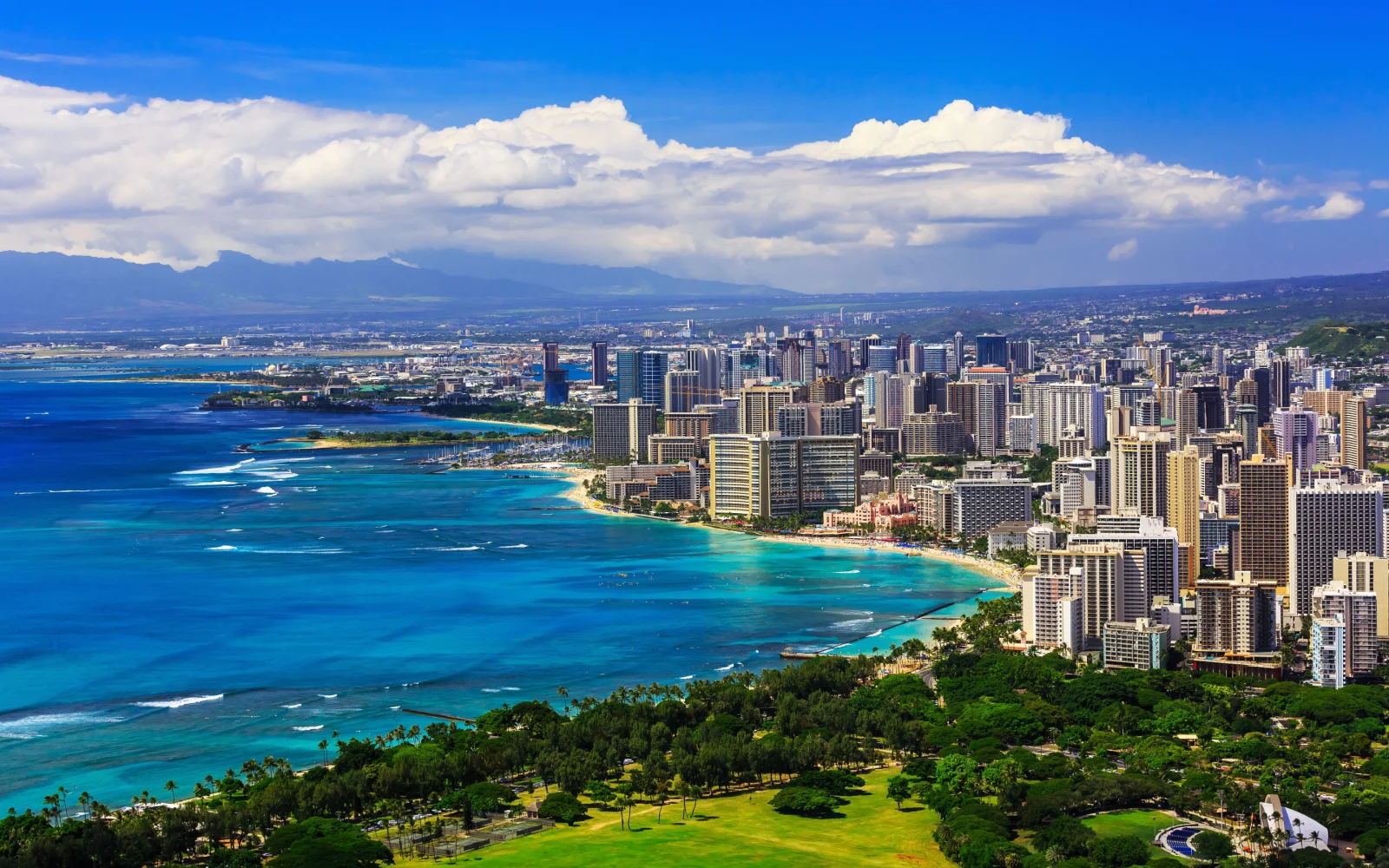
For anyone planning a trip, considering a long-term stay, or simply curious about the demographics of this extraordinary state, delving into its population provides invaluable context. It helps travelers choose the right island for their desired experience – whether seeking bustling city life or secluded tranquility – and understand the subtle nuances that make each island distinct. Moreover, it sheds light on the challenges and opportunities inherent in managing a flourishing tourism industry alongside the needs of a resident population in a finite geographic space.
A Snapshot of Hawaii’s Population
Hawaii’s population figures are a fascinating reflection of its isolated location and rich history. While it might feel densely populated in certain tourist hotspots, the overall numbers are relatively modest compared to many mainland United States destinations. This balance contributes significantly to the islands’ unique charm, offering both lively urban centers and vast stretches of untouched natural beauty.
The Latest Population Figures
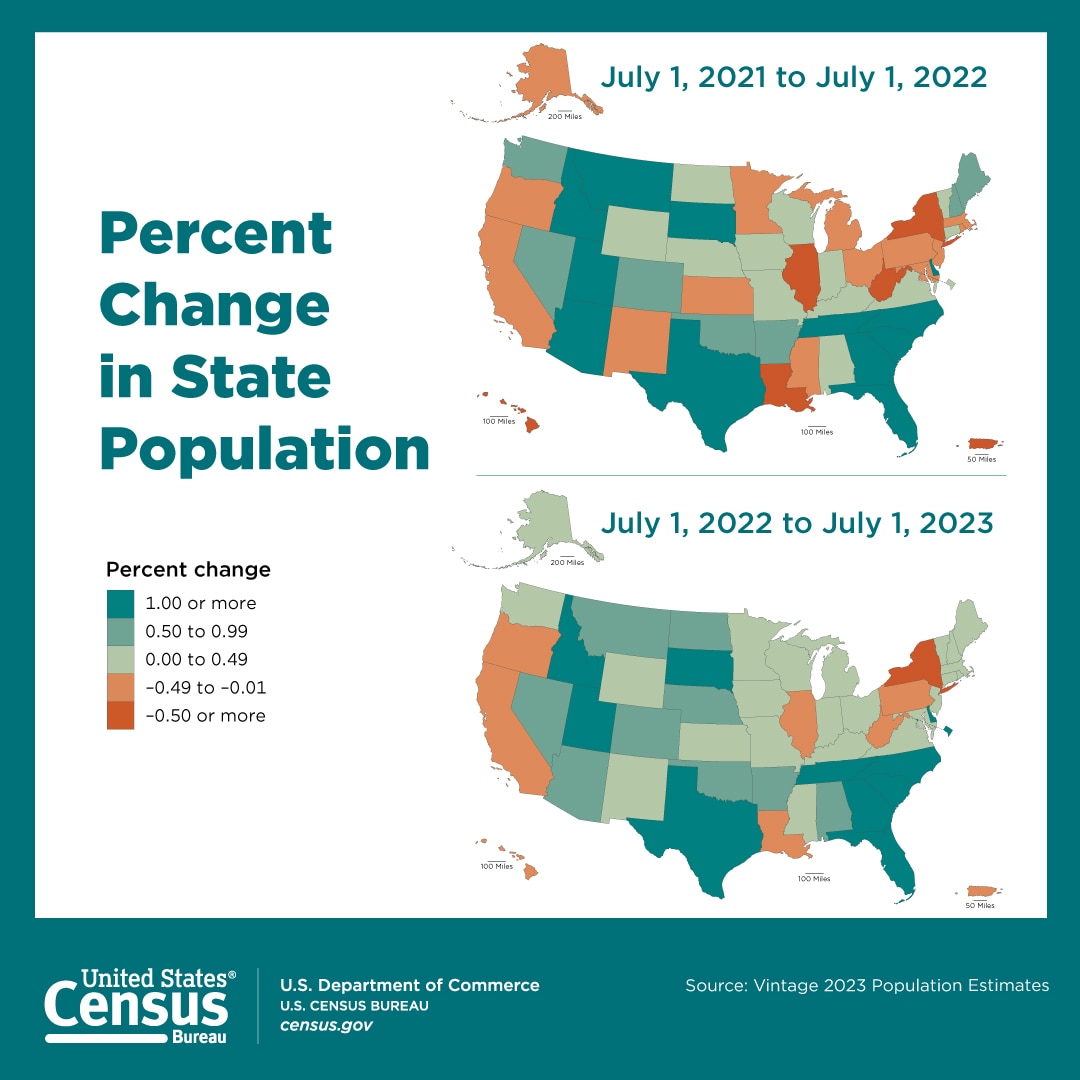
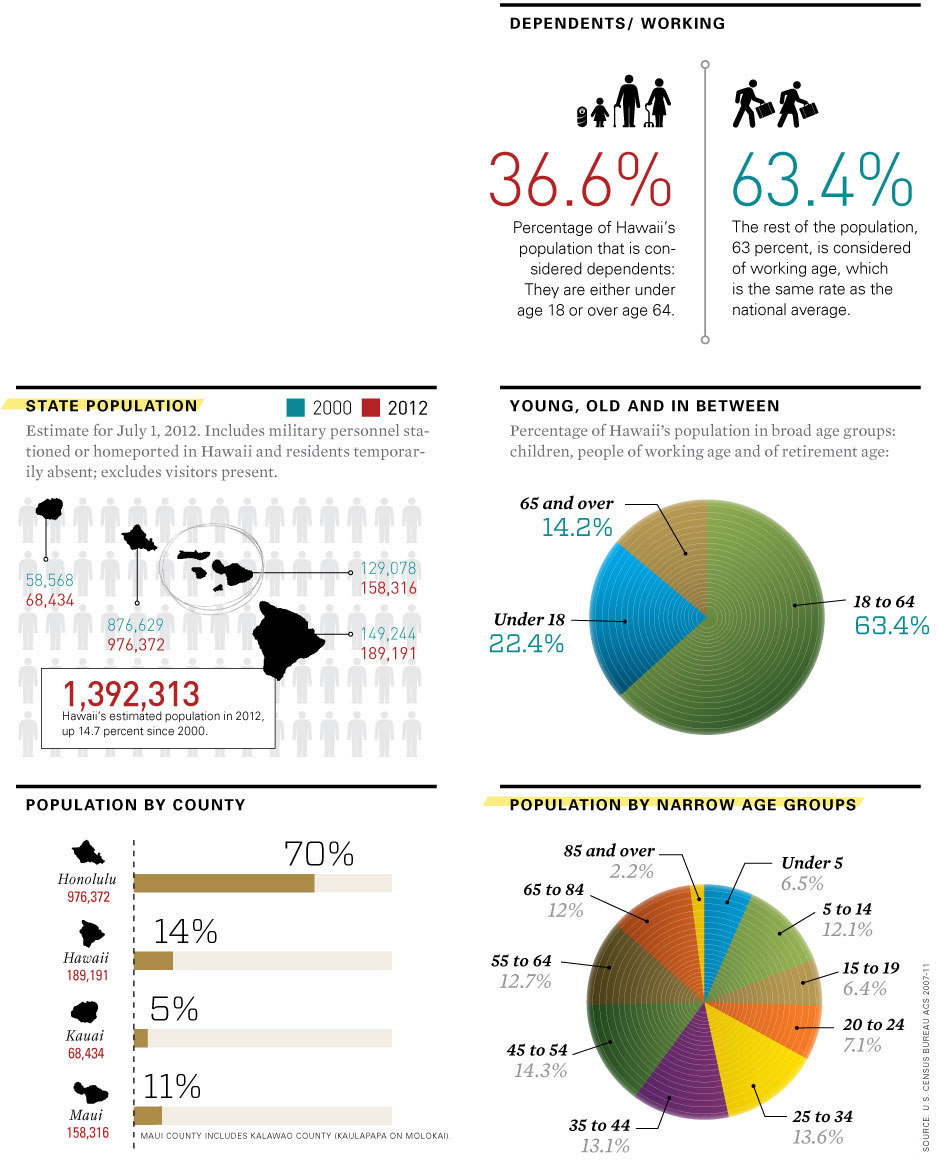
As of recent estimates from sources like the U.S. Census Bureau, the population of Hawaii hovers around 1.4 million people. This makes it one of the less populous states in the U.S., yet its residents are concentrated on a relatively small landmass, especially when considering only the inhabitable areas. For travelers, this means that while certain areas, particularly around major cities and tourist zones, can feel busy, it’s always possible to find quieter retreats if that’s what you’re seeking. The population count is a dynamic figure, influenced by birth rates, death rates, and both internal (within the U.S.) and international migration. These shifts have tangible impacts on local communities, affecting everything from housing availability to the workforce supporting the tourism industry.
When considering accommodation options, this population density means that urban centers like Honolulu on Oahu offer a wide array of hotels, from luxury resorts to budget-friendly apartments. In contrast, less populated islands might feature more boutique hotels, villas, or unique guesthouses, reflecting a different demand and supply dynamic. Understanding the overall population helps set expectations for everything from traffic congestion to the availability of local amenities and services.
Distribution Across the Islands
The roughly 1.4 million residents of Hawaii are not evenly distributed across its eight main islands. In fact, one island stands out as the undeniable center of population, commerce, and governance:
- Oahu: Home to approximately two-thirds of the state’s total population, Oahu is the most populous island by a significant margin. Its capital city, Honolulu, is the largest urban area in Hawaii and acts as the economic and cultural hub. For visitors, this means Oahu offers the most diverse range of attractions, landmarks, dining, and nightlife. Iconic spots like Waikiki Beach, Pearl Harbor, and the Diamond Head Crater are all found here. The density also translates to a wider selection of hotels, resorts, and long-term accommodation options, catering to every budget and lifestyle. Traffic can be a significant consideration for travelers on Oahu, especially during peak hours around Honolulu.
- Maui: Known as the “Valley Isle,” Maui is the second most populous island. While significantly less crowded than Oahu, it still boasts a substantial population, particularly in areas like Kahului and Lahaina. Maui strikes a balance between vibrant tourism infrastructure and serene natural beauty, offering luxury resorts, renowned beaches, and scenic drives like the Road to Hana.
- Hawaii Island (The Big Island): Despite its moniker, Hawaii Island is the third most populous, spread across a vast and geographically diverse landscape. Its population centers include Hilo on the east and Kailua-Kona on the west. This island offers a more spread-out experience, with major attractions like Hawaii Volcanoes National Park requiring significant travel. Accommodation here ranges from full-service resorts to quaint bed and breakfasts, often catering to those seeking adventure and natural wonders.
- Kauai: The “Garden Isle” is the fourth most populous, celebrated for its dramatic cliffs (Na Pali Coast), lush valleys, and laid-back atmosphere. The main town is Lihue. Its lower population density makes it ideal for travelers seeking outdoor adventures, hiking, and a slower pace. Hotels and resorts here tend to blend more seamlessly into the natural environment, offering a tranquil escape.
- Molokai and Lanai: These islands have significantly smaller populations and offer a distinctly different experience, focusing on quiet retreats, cultural immersion, and untouched landscapes. They are perfect for travelers looking to truly unplug and experience a more authentic, less tourist-driven side of Hawaii, often featuring exclusive resorts or locally-run accommodations.
This varied distribution means that a traveler’s experience of “crowds” or “seclusion” will largely depend on which island, and even which part of an island, they choose to visit. It’s a critical factor when planning an itinerary and selecting accommodations, directly influencing the type of lifestyle experience one can expect.
Demographics and Cultural Richness
Hawaii’s population isn’t just a number; it’s a vibrant tapestry woven from countless cultures and histories. This rich demographic mix is arguably one of Hawaii’s most compelling features, offering a unique cultural landscape found nowhere else in the U.S.. For travelers, this translates into an incredibly diverse range of culinary experiences, festivals, and opportunities for cultural immersion that extend far beyond typical tourist activities.
A Melting Pot of Cultures
The islands’ history as a crossroads in the Pacific and the legacy of its plantation era have created a truly multicultural society. Hawaii is unique among U.S. states for having no single majority ethnic group. Its population comprises a significant percentage of people of Asian descent (including Japanese, Filipino, Chinese, and Korean), Native Hawaiian and other Pacific Islander groups, White individuals, and a growing Hispanic population. A large portion of residents identify as multiracial, reflecting generations of intermarriage and cultural blending.
This incredible diversity is evident in every aspect of life:
- Food: Hawaii boasts a fusion cuisine that blends traditional Hawaiian flavors with Asian, Portuguese, and mainland U.S. influences. From local plate lunches to high-end farm-to-table restaurants, the food scene is a direct reflection of its people. Exploring the local food is a crucial part of any tourism experience.
- Festivals and Traditions: Throughout the year, numerous festivals celebrate the various cultures that call Hawaii home. Events like the Merrie Monarch Festival on the Big Island (a renowned hula competition), Chinese New Year celebrations, and Japanese Obon festivals offer deep insights into the local lifestyle and customs.
- Language: While English is the primary language, Hawaiian Pidgin (a creole language) is widely spoken among locals, and you’ll hear snippets of Japanese, Tagalog, and other languages, particularly in areas with strong ethnic communities.
For travelers, engaging with this cultural richness goes beyond visiting famous landmarks. It involves seeking out local eateries, attending community events, and simply observing and appreciating the unique blend of traditions. This interaction enriches the travel experience immensely, moving beyond superficial tourism to a deeper understanding of the destination.
The Local Lifestyle and Visitor Interaction
The concept of “Aloha Spirit” is central to the Hawaiian way of life – encompassing love, peace, compassion, and mutual respect. This spirit is a guiding principle for many residents, influencing how they interact with each other and with visitors. For tourists, understanding this cultural bedrock is key to having a respectful and rewarding experience.
The relationship between Hawaii’s residents and its millions of annual visitors is complex. Tourism is the state’s largest industry, providing countless jobs in hotels, resorts, attractions, and various service sectors. However, the sheer volume of visitors can also put a strain on resources, infrastructure, and the daily lives of residents, contributing to traffic, increased cost of living, and environmental impacts.
Responsible tourism is therefore paramount. This includes:
- Respecting Local Customs: Learning a few Hawaiian phrases, being mindful of noise levels in residential areas, and understanding the sacredness of certain sites.
- Supporting Local Businesses: Choosing to dine at locally-owned restaurants, buying from local artisans, and booking tours with local operators helps ensure that tourism benefits the community directly.
- Environmental Stewardship: Adhering to “Leave No Trace” principles, protecting marine life, and conserving water are vital in preserving Hawaii’s delicate ecosystems for both residents and future visitors.
The local lifestyle is characterized by a strong connection to the land (aina) and sea (kai), a relaxed pace, and a sense of community. By being aware of the resident population and their way of life, travelers can foster more meaningful interactions and contribute positively to the islands they visit, moving beyond simply being a guest to becoming a respectful temporary resident.
Population Dynamics: Growth, Challenges, and Opportunities
Understanding how many people live in Hawaii today also requires looking at the forces that have shaped its population over time and continue to influence it. Population dynamics – including growth, migration, and demographic shifts – profoundly impact the islands’ infrastructure, economy, and environment, directly affecting both residents and the tourism sector.
Factors Influencing Population Change
Hawaii’s population has seen fluctuations driven by several key factors:
- Migration: This is perhaps the most significant influencer. While many dream of moving to Hawaii, the reality of its high cost of living often leads to out-migration, particularly among young adults and families seeking more affordable housing and career opportunities on the mainland U.S.. Conversely, the allure of the islands, military assignments, and certain job markets (like tourism) continue to attract new residents. This constant churn affects the demographic makeup and the availability of a stable workforce for industries such as hotels and accommodation.
- Birth and Death Rates: Like most developed regions, Hawaii generally experiences lower birth rates and increasing life expectancy, contributing to an aging population. This has implications for healthcare services and the future workforce.
- Economic Conditions: The strength of the tourism industry, federal spending (especially related to the military presence), and the performance of other sectors (like agriculture and technology) directly influence job availability and economic stability, which in turn impact migration patterns. A robust tourism sector, for example, can attract workers but also drive up the cost of living for everyone.
- Environmental Factors: Hawaii’s vulnerability to natural disasters (tsunamis, volcanic activity on the Big Island) and the long-term threat of climate change (sea-level rise, coastal erosion) also play a role, influencing where people live and the resilience of communities.
The Impact on Infrastructure and Resources
With a population of 1.4 million concentrated on relatively small islands, the strain on infrastructure and natural resources is considerable, particularly on Oahu.
- Housing Affordability: This is a critical challenge. The demand for housing, fueled by both residents and vacation rental markets, far outstrips supply. This leads to some of the highest housing costs in the U.S., making it difficult for many to afford to live in their home state. This directly impacts the workforce for hotels and hospitality, as employees often face long commutes or struggle to find affordable accommodation.
- Traffic Congestion: Especially in Honolulu, daily traffic can be severe, impacting residents’ quality of life and potentially affecting tourists’ travel times between attractions. Public transportation systems, while improving, still face challenges.
- Natural Resources: Water management, waste disposal, and energy production are constant concerns. The growing population, coupled with high visitor numbers, places significant demand on these finite island resources. Sustainable practices in hotels and by tourists become even more crucial in this context.
- Coastal Development: The pressure for more accommodation and commercial spaces often leads to development along the coasts, impacting sensitive ecosystems and traditional access points. Balancing economic growth with environmental preservation is an ongoing challenge.
Tourism’s Role in Population Dynamics
Tourism is a double-edged sword for Hawaii’s population. On one hand, it is the lifeblood of the economy, creating hundreds of thousands of jobs directly and indirectly. These jobs range from hotel staff and tour guides to local food producers and craft artisans. Many residents rely on this industry for their livelihoods, allowing them to remain in their home state.
On the other hand, a high volume of tourism can exacerbate the challenges faced by the local population. Increased demand for services can drive up prices, contributing to the high cost of living. The perception of overcrowding can lead to tensions between visitors and residents, particularly in popular areas. This underscores the need for sustainable tourism initiatives, which aim to:
- Manage Visitor Flows: Directing tourists to less-impacted areas or promoting off-peak travel.
- Support Local Communities: Ensuring tourism revenue directly benefits residents through local businesses and cultural preservation efforts.
- Protect the Environment: Encouraging eco-friendly practices from both visitors and tourism operators.
Understanding the interplay between tourism and population dynamics allows for a more informed and empathetic approach to travel. It encourages visitors to be part of the solution rather than contributing to the problem, fostering a more harmonious relationship between guests and their hosts.
Planning Your Hawaiian Journey: What Population Means for Travelers
The number of people living in Hawaii, and how they are distributed, is a fundamental piece of information for any traveler. It directly influences the atmosphere of each island, the availability and type of accommodation, the ease of navigating attractions, and the overall lifestyle experience you can expect. By considering the population dynamics, you can better tailor your trip to your preferences and ensure a more enriching and responsible visit.
Choosing Your Island: Density vs. Seclusion
The varying population densities across the islands offer diverse experiences, allowing travelers to choose the perfect setting for their vacation:
- For the Urban Explorer and Social Butterfly (High Density): If you thrive on energy, variety, and convenience, Oahu is your ideal choice. With Honolulu as its vibrant core, Oahu offers the widest selection of restaurants, shops, museums, and historical landmarks like the Iolani Palace. The larger population ensures a bustling nightlife, extensive public transport options, and a broad spectrum of hotels, from budget-friendly options to luxurious Waikiki resorts operated by brands like Marriott and Hilton.
- For the Resort Lover and Scenic Driver (Medium Density): Maui offers a fantastic blend of tourist amenities and stunning natural beauty. Its population supports a robust tourism infrastructure, with numerous high-end resorts, golf courses, and a lively dining scene, particularly in areas like Wailea and Ka’anapali. Yet, escape is always possible, with plenty of opportunities for outdoor adventure and breathtaking scenic drives away from the main towns.
- For the Adventurer and Nature Enthusiast (Lower Density, Diverse Landscapes): Hawaii Island (The Big Island) provides a vast canvas for exploration. Its lower population density means more wide-open spaces, diverse climate zones, and dramatic natural wonders like active volcanoes. Accommodation varies from resort communities on the Kona side to charming guesthouses in Hilo and upcountry farms, appealing to those who prioritize exploration over crowds.
- For the Seeker of Serenity and Lush Beauty (Lowest Density among major islands): Kauai delivers unparalleled natural grandeur and a slower pace of life. Its relatively small population ensures a tranquil atmosphere, perfect for hiking, kayaking, and enjoying pristine beaches. Accommodation often emphasizes integration with nature, including boutique hotels and secluded villas.
- For the Ultimate Escape (Extremely Low Density): Molokai and Lanai are ideal for travelers seeking profound quietude, a deep dive into local culture, or exclusive, high-end retreats (especially on Lanai). Their minimal populations ensure an experience far removed from the typical tourist trail, often requiring more specialized accommodation bookings.
Navigating Accommodation and Activities
Understanding Hawaii’s population and its distribution also provides practical insights for travel planning:
- Booking in Advance: Especially during peak seasons or for popular accommodation types (e.g., specific resorts, long-term stay apartments, or unique villas), booking well in advance is crucial. High demand, driven by both resident needs and tourism, can lead to limited availability and higher prices. Websites comparing hotels and accommodation options can be invaluable here.
- Transportation: On more populous islands like Oahu, consider traffic patterns when planning activities. Renting a car is often recommended for exploring beyond major city centers on all islands, but knowing the busiest times can help you plan your excursions more efficiently.
- Local Experiences: Seek out opportunities to engage with the local population. This might mean visiting farmers’ markets, attending local events, or choosing tour operators who emphasize cultural education and interaction. Such experiences offer a glimpse into the real Hawaii beyond the tourist brochures.
- Respecting Residential Areas: Be mindful that many popular attractions and beaches are close to residential neighborhoods. Respect noise levels, parking rules, and private property to maintain a harmonious relationship with the local community. This is part of being a thoughtful traveler who understands the lifestyle of the place they are visiting.
In conclusion, the question “How many people live in Hawaii?” opens up a rich dialogue about the islands’ unique identity. With approximately 1.4 million residents shaping its diverse culture, economy, and environment, Hawaii offers a travel experience unlike any other. By understanding its population dynamics, distribution, and cultural tapestry, travelers can make informed decisions about their destinations, accommodation, and activities, ensuring a visit that is not only unforgettable but also respectful and beneficial to the beloved islands and their people. Whether you seek vibrant city life, serene natural escapes, or deep cultural immersion, Hawaii’s diverse population ensures an array of experiences, all bound by the enduring spirit of Aloha.
LifeOutOfTheBox is a participant in the Amazon Services LLC Associates Program, an affiliate advertising program designed to provide a means for sites to earn advertising fees by advertising and linking to Amazon.com. Amazon, the Amazon logo, AmazonSupply, and the AmazonSupply logo are trademarks of Amazon.com, Inc. or its affiliates. As an Amazon Associate we earn affiliate commissions from qualifying purchases.