
The question “Is Hawaii a US state?” might seem straightforward to many, but it hints at a deeper, more complex history that distinguishes this archipelago from any other part of the United States. Tucked away in the vast Pacific Ocean, Hawaii’s journey to statehood is a captivating tale of ancient kingdoms, foreign influence, and a fierce determination to preserve its unique identity while embracing its modern status. For travelers and those interested in its vibrant Hawaiian culture, understanding this history enriches every visit and appreciation of the islands.
The Definitive Answer: Hawaii’s Place in the Union
Yes, Hawaii is indeed a state of the United States. On August 21, 1959, it officially became the 50th state, making it the most recent addition to the Union. This momentous event marked the culmination of decades of political maneuvering, cultural shifts, and economic development, transforming a remote island territory into a full-fledged member of the American federal system.
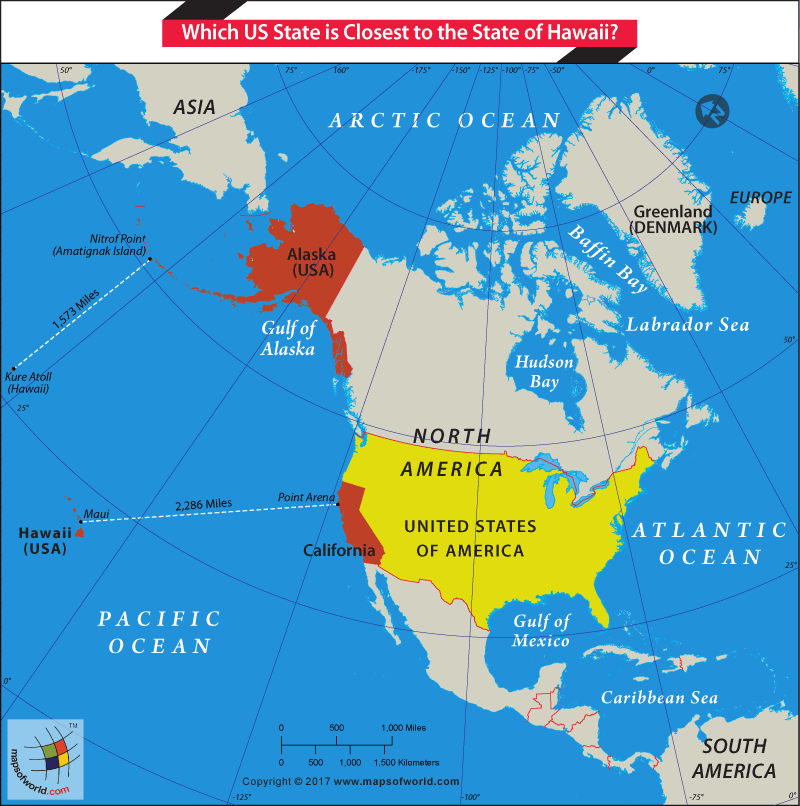
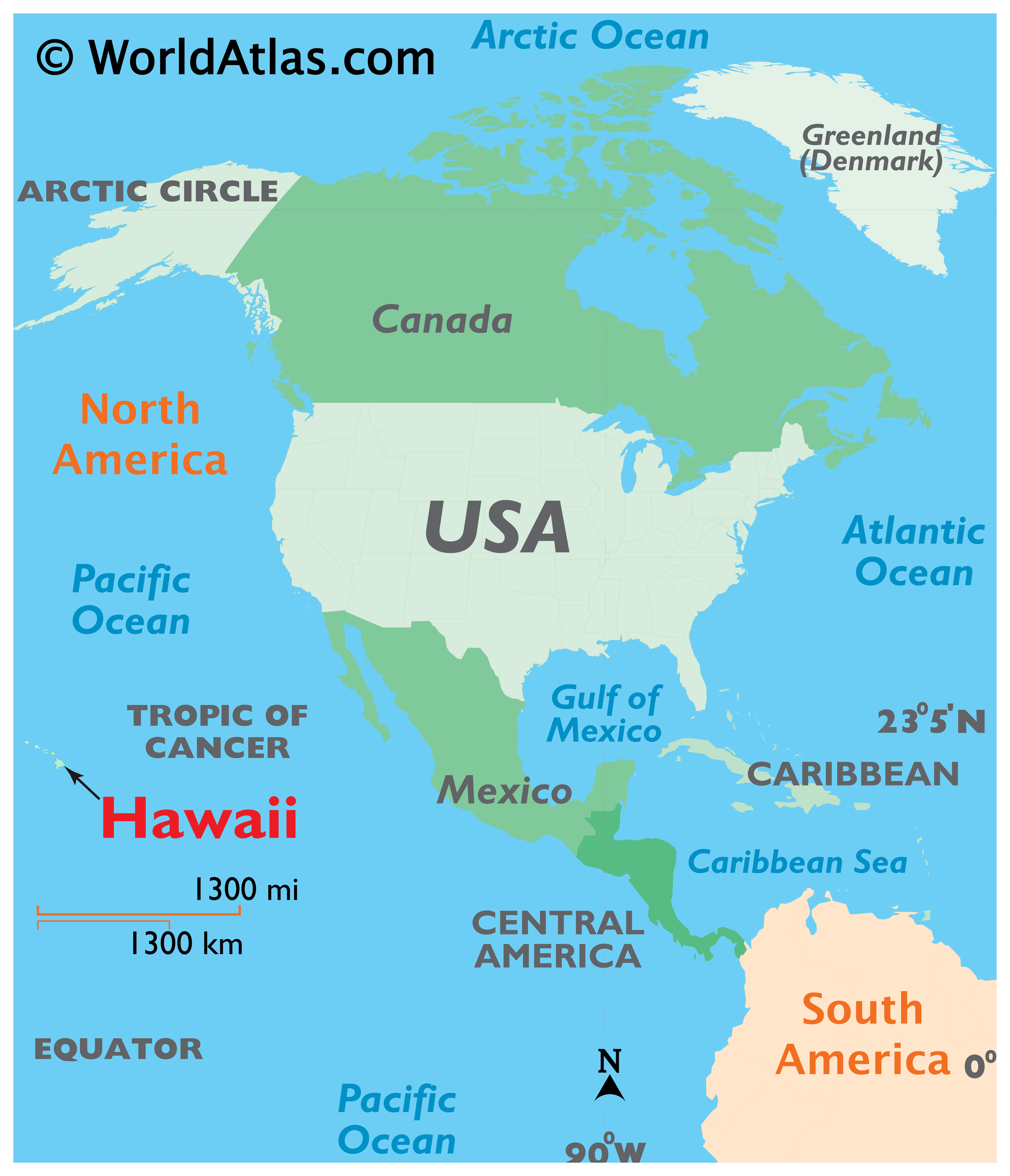
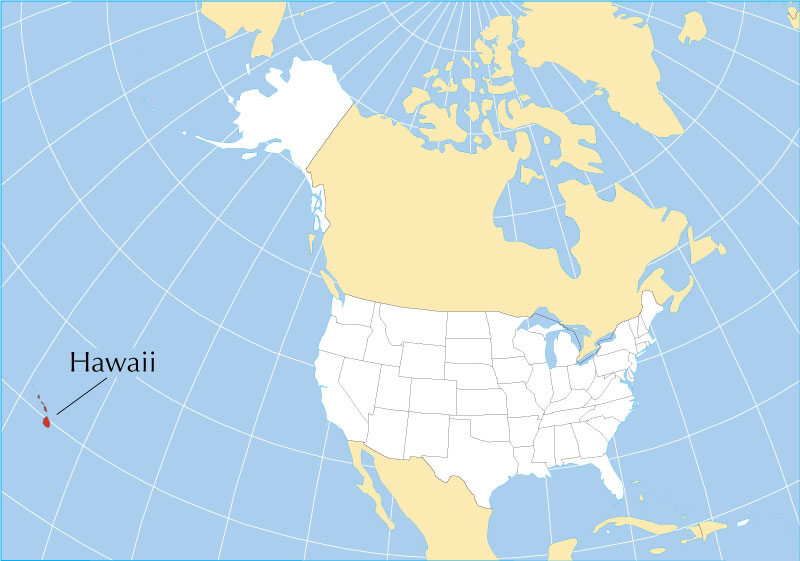
The reason the question of Hawaii’s statehood might even arise stems from its truly unique geographical and cultural position. Unlike any other state, Hawaii is an archipelago located thousands of miles from the North American mainland, sharing more geographical and cultural ties with Polynesia than with the contiguous United States. Its distinct heritage, combined with its historical trajectory from an independent kingdom to a US territory, sets it apart and makes its story particularly compelling for anyone delving into the history of American expansion and diversity.
For visitors, Hawaii’s status as a state means seamless travel, using the same currency, laws, and federal services as any other part of the nation. Yet, it maintains an unparalleled sense of exoticism and cultural richness, offering a blend of familiar convenience and thrilling discovery that makes it a top destination for global travelers seeking everything from serene escapes to adventurous explorations.
A Rich Tapestry of History: From Kingdom to Statehood
To truly appreciate Hawaii’s place in the United States, one must journey back through its fascinating past, a saga that predates European contact by centuries and continues to shape its identity today.
The Ancient Kingdom of Hawaii
The first inhabitants of Hawaii were Polynesian navigators who arrived in canoes, likely from the Marquesas Islands and later Tahiti, sometime between 300 and 800 AD. These skilled voyagers established a sophisticated society, developing a rich Hawaiian culture centered around intricate social structures, spiritual beliefs, and sustainable agricultural practices. For centuries, the islands existed as independent chiefdoms, with distinct customs and dialects flourishing on each landmass.
The late 18th century saw a pivotal moment with the rise of King Kamehameha I. Through a series of strategic alliances and formidable military campaigns, Kamehameha I successfully united the warring islands under a single monarchy by 1810, establishing the Kingdom of Hawaii. This kingdom thrived, navigating the complexities of increasing contact with Western explorers, traders, and missionaries throughout the 19th century. Despite external pressures, the Kingdom of Hawaii gained international recognition as a sovereign nation, developing its own constitution, legal system, and diplomatic relations with major world powers.
The Overthrow and the Republic
The late 19th century brought significant challenges to the Hawaiian monarchy. American and European business interests, particularly in the booming sugar and pineapple industries, grew powerful, exerting considerable influence over the kingdom’s politics and economy. These foreign-born residents, many of whom were descendants of missionaries and plantation owners, sought greater political control, often clashing with the native Hawaiian government’s efforts to maintain sovereignty and traditional land rights.
The culmination of these tensions occurred in 1893, when a group of American and European businessmen, supported by the United States Minister to Hawaii and a contingent of US Marines, orchestrated the overthrow of Queen Liliuokalani, Hawaii’s last reigning monarch. The Queen, who had sought to restore power to the monarchy and native Hawaiians, was forced to abdicate. This controversial event led to the establishment of the provisional government, which soon declared itself the Republic of Hawaii in 1894, with Sanford B. Dole as its first and only president.
A Territory of the United States
The leaders of the Republic of Hawaii actively pursued annexation by the United States. Their efforts were eventually successful, and in 1898, amid the backdrop of the Spanish-American War and the growing strategic importance of Hawaii as a naval base in the Pacific, Hawaii was formally annexed. It became a US territory, governed by a presidentially appointed governor, and its residents became US citizens.
For over 60 years, Hawaii functioned as a territory. During this period, its economy continued to flourish, largely driven by sugar and pineapple exports, and the strategic military importance of places like Pearl Harbor grew exponentially, especially leading up to and during World War II. The attack on Pearl Harbor in 1941 solidified Hawaii’s critical role in national defense. Throughout these decades, a movement for statehood gained momentum, fueled by residents who desired full political representation and the benefits of being an equal part of the United States. Despite opposition from some who feared the impact on Hawaiian culture or the economic implications, the dream of statehood became a reality in 1959.
The Impact of Statehood: What It Means for Residents and Visitors
Hawaii’s transition from a territory to the 50th state of the United States brought about profound changes, shaping its political landscape, economic opportunities, and its standing as a world-renowned destination.
Political and Economic Integration
Statehood granted Hawaii full political representation in the United States Congress, with two senators and a number of representatives, allowing its unique voice to be heard in national policy-making. This integration meant access to federal programs, funding for infrastructure development, and a more robust legal framework, all of which contributed to greater stability and growth. The shift solidified Hawaii’s position within the national economy, attracting investment and fostering diverse industries beyond its traditional agricultural roots.
Economically, statehood provided a boost to various sectors. Federal aid for roads, schools, and hospitals improved the quality of life for residents. The enhanced political stability also made Hawaii an even more attractive destination for businesses and individuals seeking opportunities in a growing economy. While it maintained its unique characteristics, statehood allowed Hawaii to benefit from the resources and protections afforded to all states, while still navigating the challenges of its remote location and high cost of living.
Preserving Culture and Fostering Tourism
One of the most significant impacts of statehood, particularly for visitors and those interested in Hawaiian culture, was the subsequent boom in tourism. While tourism existed before 1959, statehood removed many of the ambiguities and logistical hurdles associated with territorial status. Travel between the mainland United States and Hawaii became as simple as domestic air travel, requiring no passports or special permits for US citizens. This ease of access opened the floodgates for millions of tourists, fundamentally transforming Hawaii’s economy and shaping its modern identity.
The increase in visitors necessitated the development of extensive infrastructure, including airports, hotels, and visitor services, which now form the backbone of the islands’ economy. While the surge in tourism brought economic prosperity, it also intensified discussions around cultural preservation and environmental sustainability. Efforts were made to balance the demands of a thriving tourism industry with the need to protect Hawaii’s fragile ecosystems and unique indigenous culture. Today, many tourism experiences are designed not only to entertain but also to educate visitors about the islands’ history, traditions, and the importance of the ” Aloha Spirit.”
Hawaii as a Premier Travel and Lifestyle Destination
Beyond its fascinating political journey, Hawaii stands as a testament to natural beauty and cultural richness, making it a dream destination for travelers worldwide. Its status as a US state ensures a level of familiarity and convenience that complements its exotic allure, offering an unparalleled experience across various travel categories, from luxury to adventure.
Diverse Islands, Endless Experiences
The Hawaiian archipelago comprises eight main islands, each offering a distinct personality and a myriad of attractions.
- Oahu, home to the vibrant capital city of Honolulu and the iconic Waikiki Beach, blends urban sophistication with world-class surfing waves and historical sites like Pearl Harbor. It’s ideal for those seeking a mix of city life, cultural experiences, and easy access to stunning beaches.
- Maui, known as the “Valley Isle,” captivates with its luxurious resorts, the scenic Road to Hana, and the breathtaking sunrises from Haleakala National Park’s summit. It’s a haven for romantic getaways, adventure sports, and whale watching.
- Kauai, the “Garden Isle,” is a lush paradise famous for its dramatic Na Pali Coast, deep canyons like Waimea Canyon, and verdant rainforests. It appeals to hikers, nature lovers, and those seeking serene, unspoiled beauty.
- The Big Island (officially Hawaii Island) is a land of extremes, boasting active volcanoes within Volcanoes National Park, snow-capped mountains, black sand beaches, and diverse climate zones. It’s perfect for adventurers eager to witness lava flows, stargaze from high altitudes, or explore coffee plantations.
Each island presents a unique canvas for exploration, ensuring that every traveler finds their perfect piece of paradise.
Accommodation and Amenities for Every Traveler
Hawaii’s tourism infrastructure is designed to cater to every taste and budget, offering a comprehensive range of accommodation options.
- Luxury resorts like the Four Seasons Resort Maui at Wailea or the Grand Hyatt Kauai Resort & Spa provide opulent suites, world-class spas, championship golf courses, and exquisite dining experiences, often with breathtaking oceanfront views. These properties are ideal for those seeking an indulgent, all-inclusive escape.
- Beyond the high-end, a plethora of boutique hotels, charming vacation rentals, and budget-friendly options ensures that comfortable stays are accessible to all. From cozy apartments in Honolulu to secluded villas on Maui, travelers can easily find a place that fits their style and needs. Services for booking, comparing prices, and reading reviews are readily available, simplifying the planning process for short and long-term stays.
Immersive Tourism and Local Culture
Tourism in Hawaii goes beyond scenic beauty; it’s an invitation to immerse oneself in a rich and ancient Hawaiian culture.
- Experiencing a traditional luau is a must, offering a festive evening of kalua pig, poi, and mesmerizing hula performances under the stars.
- The culinary scene is a delight, from fresh poke bowls and shave ice to gourmet Pacific Rim cuisine, reflecting Hawaii’s multicultural heritage.
- Activities abound, catering to every interest: surfing the legendary waves of the North Shore, snorkeling in the clear waters of Molokini Crater, diving with manta rays, hiking through lush rainforests to hidden waterfalls, or embarking on unforgettable whale-watching excursions during winter months. Learning a few Hawaiian phrases or the significance of the ” Aloha Spirit” can deepen your connection to the islands and its people.
Landmarks and Natural Wonders
Hawaii is a living gallery of natural and historical landmarks. Iconic natural formations like the majestic volcanic crater of Diamond Head on Oahu, the dramatic cliffs of the Na Pali Coast on Kauai, and the active lava flows of Volcanoes National Park on the Big Island offer unparalleled geological spectacles. Historic sites, particularly Pearl Harbor, provide solemn reflections on pivotal moments in world history. These sites, both natural and man-made, provide profound insights into the islands’ powerful past and enduring beauty.
Crafting Your Ideal Hawaiian Lifestyle Experience
Whether you dream of a luxurious honeymoon, an adventurous family trip, or a budget-friendly solo exploration, Hawaii offers a lifestyle experience tailored to your desires. Its status as a US state ensures ease of planning and familiarity, while its distinct Hawaiian culture and breathtaking landscapes provide an exotic escape. From the bustling streets of Honolulu to the serene beaches of Kauai, the ” Aloha Spirit” permeates every interaction, promising a warm welcome and an unforgettable journey. Hawaii truly encapsulates the best of both worlds: the convenience of domestic travel and the magic of an international paradise.
LifeOutOfTheBox is a participant in the Amazon Services LLC Associates Program, an affiliate advertising program designed to provide a means for sites to earn advertising fees by advertising and linking to Amazon.com. Amazon, the Amazon logo, AmazonSupply, and the AmazonSupply logo are trademarks of Amazon.com, Inc. or its affiliates. As an Amazon Associate we earn affiliate commissions from qualifying purchases.