
For many, the very thought of Hawaii conjures images of endless sunshine, pristine beaches, and perfect surf. This tropical paradise, a dream destination for millions, is known for its idyllic weather patterns. However, like any destination situated within a vast ocean basin, Hawaii experiences a specific period designated as hurricane season. While direct hits are statistically rare, understanding this season is crucial for travelers and residents alike, ensuring a smooth and enjoyable experience, free from unexpected disruptions. This comprehensive guide delves into everything you need to know about Hawaii’s hurricane season, offering insights into its timing, potential impacts, and how to plan your travel with confidence, leveraging smart accommodation strategies and a deep appreciation for local tourism and lifestyle considerations.
Understanding Hawaii’s Hurricane Season
Hawaii lies in the Central Pacific basin, a region that, while less active than the Atlantic or Eastern Pacific, is still subject to tropical cyclone development. Knowing the official timeline and the factors that influence storm activity is the first step toward informed planning.
When Does It Officially Begin and End?
The official hurricane season for the Central Pacific, which includes Hawaii, runs annually from June 1st to November 30th. During this six-month window, conditions are generally more favorable for the formation and development of tropical depressions, tropical storms, and hurricanes. The peak of the season typically occurs in August and September, when ocean waters are warmest, providing the necessary fuel for these powerful weather systems. While tropical activity can occur outside these dates, it is far less common.
Historical Context and Probability
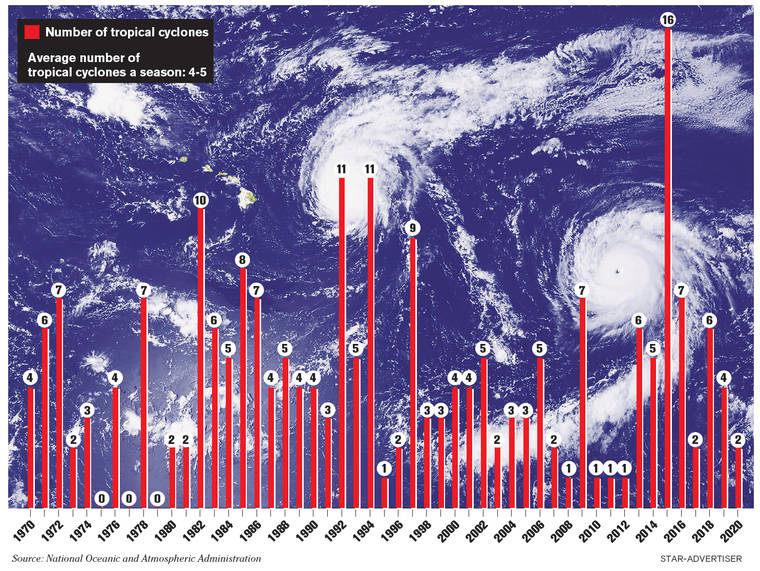
It’s important to put the risk into perspective. Despite being in a designated hurricane season, direct hits on the Hawaiian Islands by a powerful hurricane are historically infrequent. Since 1950, only a handful of hurricanes or tropical storms have directly impacted the islands, causing significant damage. Notable examples include Hurricane Iwa in 1982, Hurricane Iniki in 1992, and Hurricane Lane in 2018, which brought heavy rainfall and flooding, though it weakened significantly before making a direct landfall as a hurricane.
The low probability is due to several factors, including the small target presented by the islands in a vast ocean, and the presence of natural atmospheric conditions that often steer storms away or cause them to weaken. The Central Pacific Hurricane Center (CPHC) is responsible for monitoring these systems and issuing forecasts, providing invaluable resources for both residents and visitors. Their data consistently shows that while storms do form, the chances of a vacation-disrupting event remain relatively low compared to other hurricane-prone regions.
Key Factors Influencing Storms
Several meteorological phenomena influence the intensity and trajectory of tropical cyclones in the Central Pacific:
- Sea Surface Temperatures: Warm ocean waters (typically above 80°F or 26.5°C) are the primary energy source for hurricanes. During the summer and fall months, these temperatures rise, creating ripe conditions for storm development.
- El Niño and La Niña: These are major climate patterns that describe the warming and cooling phases of sea surface temperatures in the equatorial Pacific Ocean.
- El Niño conditions typically lead to a more active hurricane season in the Central Pacific and Eastern Pacific, as warmer waters and reduced wind shear create a more favorable environment for storm formation and intensification.
- La Niña usually brings a less active season for the Central Pacific due to cooler waters and increased wind shear.
- Wind Shear: This refers to the change in wind speed or direction with height in the atmosphere. High wind shear can tear apart developing storms, preventing them from intensifying. Low wind shear, conversely, allows storms to strengthen.
- African Easterly Waves: While more relevant to the Atlantic, it’s worth noting that some systems can track all the way across the Pacific. Most systems affecting Hawaii originate from tropical disturbances east of the islands.
Understanding these factors helps forecasters predict seasonal activity and allows travelers to grasp the scientific basis behind weather advisories.
Travel Considerations During Hurricane Season
Deciding when to travel to Hawaii involves weighing various factors, and hurricane season is certainly one of them. However, it’s not simply a matter of avoiding these months altogether. Many find this period to be an excellent time to visit, provided they are well-prepared.
Weighing the Pros and Cons
Pros:
- Fewer Crowds: The summer and early fall months (outside of specific holiday weeks) can see a slight dip in tourism compared to peak winter or spring break times. This means less crowded beaches, attractions, and restaurants.
- Lower Prices: While not universally true, some airlines and hotels may offer slightly reduced rates during parts of the hurricane season, making a luxury trip more accessible or a budget travel experience even more affordable. This can apply to resorts, suites, and villas.
- Excellent Weather (Mostly): Even during hurricane season, most days in Hawaii are beautiful, with warm temperatures, abundant sunshine, and gentle trade winds. The risk of a major storm is low.
Cons:
- Risk of Disruption: The primary drawback is the possibility, however small, of a tropical storm or hurricane disrupting your plans. This could mean flight delays or cancellations, closure of certain attractions, or even needing to shelter in place.
- Increased Humidity: The air can feel heavier and more humid during these months compared to the drier winter season.
- Bigger Swells (South Shores): While the North Shores of islands like Oahu and Maui are famous for their massive winter waves, the south-facing beaches can experience larger swells during the summer, particularly if tropical activity is present, which might impact swimming or snorkeling conditions.
Accommodation Choices and Flexibility
When booking your accommodation during hurricane season, flexibility and foresight are key.
- Travel Insurance: This is paramount. Look for policies that specifically cover trip interruption, cancellation due to severe weather, and emergency medical evacuation. Read the fine print carefully, especially regarding “named storms” – some policies require a storm to be officially named before you book your trip for coverage to apply.
- Flexible Booking Policies: Opt for hotels, resorts, apartments, or villas that offer generous cancellation or rebooking policies. Many establishments in Hawaii are accustomed to seasonal weather concerns and offer specific clauses for hurricane-related events. Check hotel reviews for insights into their handling of previous weather disruptions.
- Amenities and Preparedness: When selecting a resort or hotel, consider their amenities and emergency preparedness plans. Larger resorts often have backup generators, robust communication systems, and internal resources to care for guests during a storm. If you choose a more secluded villa or apartment, ensure you understand local emergency procedures and have a communication plan. Look for details on their websites or inquire directly about their hurricane protocols.
- Comparison Websites: Utilize booking and comparison websites to find options with good cancellation policies and to compare different types of accommodation (e.g., luxury travel versus budget travel) that fit your risk tolerance and budget.
Activities and Experiences
Even if a tropical storm approaches, it doesn’t mean your entire vacation is ruined. Hawaii offers a wealth of indoor and sheltered activities.
- Museums and Cultural Centers: Explore the rich history and culture at places like the Bishop Museum in Honolulu, the Pacific Aviation Museum Pearl Harbor on Oahu, or the Whalers Village Museum on Maui. These provide fascinating insights into Hawaii’s past, from ancient Polynesian voyagers to World War II history.
- Aquariums and Ocean Centers: The Maui Ocean Center or the Waikiki Aquarium are excellent options for experiencing marine life without being directly exposed to the elements.
- Shopping and Dining: Enjoy retail therapy at places like Ala Moana Center or explore local boutiques. Indulge in Hawaii’s diverse culinary scene, from fine dining to local grinds. Food tours or cooking classes can be great indoor activities.
- Spa and Wellness: Many resorts offer world-class spa facilities, perfect for relaxation on a rainy day.
- Scenic Drives (with caution): If the weather is merely rainy and not severe, a scenic drive through the lush interior of an island can still be breathtaking, but always adhere to local advisories regarding road closures or flash flood warnings.

Even with a storm nearby, it often only impacts one side of an island or moves through relatively quickly, allowing for other days of sunshine. Flexibility in your itinerary is crucial.
Preparing for a Trip During Hurricane Season
Preparation is the cornerstone of a worry-free vacation, especially when traveling during Hawaii’s hurricane season. A proactive approach ensures you’re ready for any eventuality, allowing you to focus on the joy of your trip.
Essential Pre-Trip Planning
- Comprehensive Travel Insurance: Reiterate the importance of a robust travel insurance policy. Ensure it covers cancellation for “named storms,” trip delay, medical emergencies, and evacuation. Understand the policy’s terms and conditions before you buy.
- Monitor Forecasts Diligently: In the weeks leading up to and during your trip, regularly check weather forecasts from reputable sources like the National Weather Service, the CPHC, or local Hawaiian news outlets. Websites and apps dedicated to weather tracking are invaluable tools.
- Emergency Contact List: Keep a physical and digital list of important contacts: airline, hotel/accommodation, travel insurance provider, U.S. Embassy (if you are an international traveler), and family/friends.
- Important Documents: Scan copies of your passport, tickets, hotel reservations, and insurance policies. Store them digitally (e.g., cloud storage) and keep physical copies in a waterproof bag.
- Cash Reserves: In the event of power outages, ATMs and credit card machines may not work. Carry a reasonable amount of cash for emergencies.
On-Island Safety and Preparedness
Once you arrive in Hawaii, local knowledge and preparedness are your best allies.
- Stay Informed Locally: Pay attention to local news, radio, and official government advisories. The Hawaii Emergency Management Agency (HI-EMA) is the primary resource for emergency information. Many hotels and resorts have internal communication systems to keep guests updated.
- Emergency Kit (Basic): While your hotel or resort will have supplies, it’s wise to have a small personal emergency kit. This could include a flashlight, portable phone charger, basic first-aid supplies, any necessary prescription medications, and a supply of bottled water.
- Communication Plan: Discuss a communication plan with your travel companions. If separated, where will you meet? How will you contact each other if cell service is down?
- Evacuation Routes: Familiarize yourself with your accommodation’s emergency exits and any designated shelter areas. If an evacuation order is issued, follow instructions immediately.
- Rental Car: If you plan on renting a car, ensure you have a full tank of gas and know how to check local road conditions.

Best Practices for Tourists
- Flexibility is Key: Embrace the spirit of aloha and be prepared to adjust your plans. If a certain activity or area is deemed unsafe, have backup plans for indoor activities or exploring a different part of the island.
- Respect Local Guidance: Hawaii’s emergency responders and locals are experienced in managing tropical weather. Always follow their advice and warnings. Do not underestimate the power of the ocean or weather conditions, even if they appear mild.
- Don’t Panic: Remember, a hurricane warning doesn’t mean a direct hit is guaranteed. Stay calm, get your information from official sources, and follow established protocols. Most tropical systems either bypass the islands or weaken significantly before approaching.
Beyond the Storm: Enjoying Hawaii’s Off-Peak Season
Even with the remote possibility of a storm, the official hurricane season months in Hawaii offer unique advantages that contribute to a memorable and often more authentic experience. This period, often considered “off-peak” compared to the high seasons, provides opportunities for deeper cultural immersion and more value-oriented travel.
Cultural Immersion and Local Lifestyle
Visiting during the quieter months allows for a more relaxed pace, ideal for soaking in Hawaii’s rich local culture.
- Local Markets and Festivals: Explore farmers’ markets like the KCC Farmers’ Market on Oahu or the Upcountry Farmers Market on Maui, where you can interact with local vendors, sample fresh produce, and discover unique crafts. You might even catch a local festival or event that highlights traditional music, dance, or food, away from the major tourist hubs.
- Culinary Delights: Delve deeper into Hawaiian cuisine beyond the resort restaurants. Seek out local plate lunch spots, poke bowls, and shave ice. Engage with local chefs and learn about the fusion of Polynesian, Asian, and American flavors.
- Community Events: Check local calendars for community events, art shows, or hula performances that offer a genuine glimpse into the local lifestyle and traditions. These experiences are often more intimate when crowds are thinner.
Value-Added Travel
The slightly reduced demand during hurricane season can translate into significant value for various lifestyle travel preferences.
- Budget-Friendly Options: For budget travelers, this might mean more affordable flights, better deals on car rentals, and competitive pricing for hotels, vacation rentals, or long-term stays. Comparing accommodation options becomes easier, allowing for more choices within your price range.
- Luxury at a Discount: Even for luxury travel enthusiasts, the off-peak season can present opportunities for upgrades or special packages at five-star resorts and suites. Imagine experiencing the unparalleled amenities of a Grand Hyatt Hotel or a Four Seasons Resort with fewer guests and potentially better rates.
- Family Trips and Business Stays: For family trips, less crowded attractions make for a more manageable and enjoyable experience. For business stays, the quieter atmosphere might offer a more focused environment for work, with opportunities to enjoy Hawaii’s beauty during downtime without the peak season bustle.
Nature and Landmarks
Hawaii’s stunning natural landmarks and vibrant ecosystems are accessible year-round, and visiting during the hurricane season months often means a more serene encounter with these iconic sites.
- Volcanic Landscapes: Explore Hawaii Volcanoes National Park on the Big Island (also known as Hawaiʻi Island), home to Kīlauea and Mauna Loa. The dramatic landscapes and active lava flows (when present) are awe-inspiring regardless of the season.
- Iconic Coasts and Beaches: Hike up to Diamond Head for panoramic views of Waikiki Beach and Honolulu on Oahu. Experience the breathtaking beauty of the Na Pali Coast on Kauai via boat tour or helicopter (weather permitting). Enjoy the red sands of Kaihalulu Beach on Maui or the black sands of Punaluʻu Beach on the Big Island.
- National Parks and Natural Wonders: Witness the sunrise from Haleakala National Park’s summit on Maui. Discover hidden waterfalls and lush rainforests. While heavy rains can impact trail conditions or lead to flash floods, many days are perfectly clear for exploration. Always check park advisories before heading out.
- Historical Sites: Visit Pearl Harbor on Oahu, a profoundly moving historical landmark that is less affected by weather fluctuations.
The natural beauty of Hawaii is resilient and captivating, offering serene moments and breathtaking vistas even during periods when the weather might be a consideration. It’s about choosing your activities wisely and always prioritizing safety.
In conclusion, Hawaii’s hurricane season, from June 1st to November 30th, is a period that merits awareness but not necessarily avoidance. While the possibility of a tropical storm exists, the statistical likelihood of a direct, destructive hit remains low. By understanding the season’s characteristics, investing in comprehensive travel insurance, choosing flexible accommodation options, and staying informed through official channels, you can mitigate potential risks. This “off-peak” period often rewards travelers with fewer crowds, potentially better deals, and a more authentic experience of Hawaii’s rich culture and unparalleled natural beauty. With proper planning and a flexible mindset, your dream trip to Hawaii can be a reality, regardless of the calendar month.
LifeOutOfTheBox is a participant in the Amazon Services LLC Associates Program, an affiliate advertising program designed to provide a means for sites to earn advertising fees by advertising and linking to Amazon.com. Amazon, the Amazon logo, AmazonSupply, and the AmazonSupply logo are trademarks of Amazon.com, Inc. or its affiliates. As an Amazon Associate we earn affiliate commissions from qualifying purchases.