
When you ask, “What time is it in New Orleans?”, you might expect a simple answer. But in a city as vibrant and multifaceted as the Crescent City, that question resonates far beyond a mere glance at a clock. It’s an invitation to delve into the rhythms of daily life, the pulse of its unique culture, the optimal moments for discovery, and the unforgettable experiences that define a visit to this iconic Louisiana destination. From the precise ticking of the Central Standard Time zone to the cyclical magic of its festivals and the timeless allure of its historic streets, understanding “what time it is” in New Orleans is key to unlocking its deepest charms.
This article serves as your comprehensive guide, bridging the literal and experiential aspects of time in New Orleans. We’ll explore the practicalities of its time zone, help you pinpoint the best seasons for your visit, illustrate the daily cadence of its world-famous attractions and hidden gems, and offer insights on how to plan your itinerary to maximize every precious moment. Whether you’re a first-time visitor or a seasoned traveler returning to savor its unique blend of history, music, and cuisine, preparing your trip with a keen understanding of New Orleans’ diverse timelines will elevate your experience from good to absolutely unforgettable.
What Time Is It, Really? Understanding New Orleans’ Central Time Zone
At its most fundamental, asking “What time is it in New Orleans?” yields a straightforward answer: New Orleans observes Central Standard Time (CST) during the fall and winter months, which is UTC-6. During spring and summer, the city switches to Central Daylight Time (CDT), aligning with UTC-5. This adjustment, commonly known as daylight saving time, means clocks “spring forward” one hour in March and “fall back” one hour in November. For travelers, especially those arriving from different continents or time zones within the United States, understanding this is the first crucial step in planning.
The Practicalities of CST/CDT
For most domestic travelers, adjusting to the Central Time Zone is relatively minor, usually involving a one or two-hour shift. However, for international visitors or those on tight schedules, a greater adjustment may be necessary. It’s always wise to confirm the current time in New Orleans relative to your departure point before you travel. Most modern smartphones and digital devices automatically adjust, but double-checking flight times, tour bookings, and restaurant reservations against the local time upon arrival is a recommended practice to avoid any missed connections or appointments.
Navigating Time Across the Globe
If you’re flying in from, say, London (GMT/UTC+0 or BST/UTC+1) or Sydney (AEST/UTC+10), the time difference can be substantial. This makes a timezone converter an indispensable tool during your planning phase. Being aware of the time difference not only helps with jet lag preparation but also allows you to communicate effectively with those back home and synchronize schedules for virtual meetings, if your trip combines business with leisure. Remember, a well-rested traveler is a happy traveler, and accounting for the clock change will allow you to hit the ground running, ready to immerse yourself in all the wonders New Orleans has to offer.
Timing Your Trip: The Best Seasons to Experience New Orleans
Beyond the literal ticking of the clock, “what time is it in New Orleans?” also refers to the best time of year to visit, a decision that profoundly shapes your travel experience. Each season brings its own distinct flavor, from bustling festivals to serene quietude, impacting everything from hotel prices to the availability of attractions.
Spring: Festival Season and Pleasant Weather
Many would argue that spring is the absolute prime time to visit New Orleans. From March to May, the weather is often glorious – mild temperatures, low humidity, and a gentle breeze. This is also the city’s festival season, a continuous celebration of music, food, and culture. Highlights include the French Quarter Festival, a free, multi-stage event showcasing local musicians and culinary talent, and the world-renowned New Orleans Jazz & Heritage Festival, affectionately known as Jazz Fest. These events draw massive crowds, making accommodation bookings essential far in advance. Luxury hotels and boutique guesthouses alike see peak demand during this period, so expect higher prices but unparalleled vibrancy.
Fall: Culinary Delights and Cultural Vibrancy
As the summer heat begins to subside, New Orleans enters another fantastic season for tourism. From September to November, the weather becomes increasingly pleasant, perfect for strolling through the Garden District or enjoying al fresco dining. This period is marked by a focus on the city’s incredible culinary scene, with various food festivals and special dining events. Halloween is a major celebration, particularly in the French Quarter, with elaborate costumes and spirited parades, offering a taste of Mardi Gras energy on a smaller scale. The Voodoo Music + Arts Experience is another prominent event, drawing music lovers to City Park.
Winter: Holiday Magic and Mardi Gras Madness
Winter, from December to February, offers a diverse range of experiences. Early winter brings a festive atmosphere, with Christmas decorations adorning the historic architecture of the French Quarter and special holiday events like “Celebration in the Oaks” in City Park. New Year’s Eve is celebrated with fireworks over the Mississippi River. However, the undisputed highlight of late winter is Mardi Gras. This legendary carnival, which typically falls in February or early March, transforms the entire city into a spectacular party. While incredibly exciting, it also means sky-high accommodation prices and requires booking months, if not a year, in advance. For those seeking cultural immersion and festive revelry, there’s no time like Mardi Gras, but be prepared for crowds and a lively atmosphere. Beyond the parades, winter is also when the Superdome hosts thrilling sporting events, drawing another type of visitor.
Summer: A Quieter Charm
June through August sees high temperatures and humidity, making it the least popular time for tourists. However, this season offers a unique appeal for those willing to brave the heat. With fewer crowds, you can often find excellent deals on hotels and flights, and experience a more relaxed, local side of New Orleans. Many attractions are less crowded, and the city’s indoor delights – museums, air-conditioned restaurants, and jazz clubs – provide cool retreats. Events like Satchmo SummerFest, celebrating Louis Armstrong, offer cultural highlights. For budget-conscious travelers or those who prefer a more intimate experience, summer can be surprisingly rewarding, despite the weather.
A City That Never Truly Sleeps: Daily Rhythms and Nightlife in New Orleans
New Orleans operates on its own unique clock, a blend of centuries-old traditions and modern vibrancy. The question “what time is it?” also speaks to the daily progression of activities, from tranquil mornings to energetic late nights, allowing travelers to immerse themselves in the city’s evolving atmosphere.
Mornings: Coffee, Beignets, and Historic Strolls
The New Orleans morning often begins with the aroma of coffee and chicory. A quintessential experience is breakfast at Café Du Monde, where you can savor warm beignets dusted with powdered sugar, paired with a café au lait. As the city awakens, the historic heart of the French Quarter beckons. Early morning is the perfect time for a peaceful stroll through Jackson Square, admiring the artists and street performers who are just setting up, and visiting the majestic St. Louis Cathedral before the crowds arrive. A quiet walk along the Mississippi River offers serene views and a chance to watch the steamboats begin their daily excursions.
Afternoons: Jazz, Art, and Garden District Grandeur
Afternoons in New Orleans can be filled with diverse activities. Dive into history at the profound National WWII Museum, or escape the midday sun with a leisurely ride on the historic St. Charles Streetcar through the elegant Garden District, marveling at its antebellum mansions. For art enthusiasts, the New Orleans Museum of Art (NOMA), nestled within the sprawling City Park, offers a stunning collection. City Park itself provides ample opportunities for recreation, from wandering through ancient oak groves to visiting Storyland or the New Orleans Botanical Garden. Further afield, the Audubon Park and Audubon Zoo offer family-friendly fun.
Evenings: Culinary Journeys and Lively Entertainment
As dusk descends, New Orleans transforms into a culinary paradise. This is the time to indulge in world-class dining, from classic Creole at institutions like Commander’s Palace or Galatoire’s to innovative contemporary cuisine. Following dinner, the city’s legendary music scene takes center stage. Head to Frenchmen Street in the Marigny neighborhood for an authentic local experience, with numerous clubs offering live jazz, blues, and funk until the early hours. A visit to Preservation Hall in the French Quarter offers an intimate, traditional jazz experience that transports you back in time.
Late Night: The Pulse of Bourbon Street and Beyond
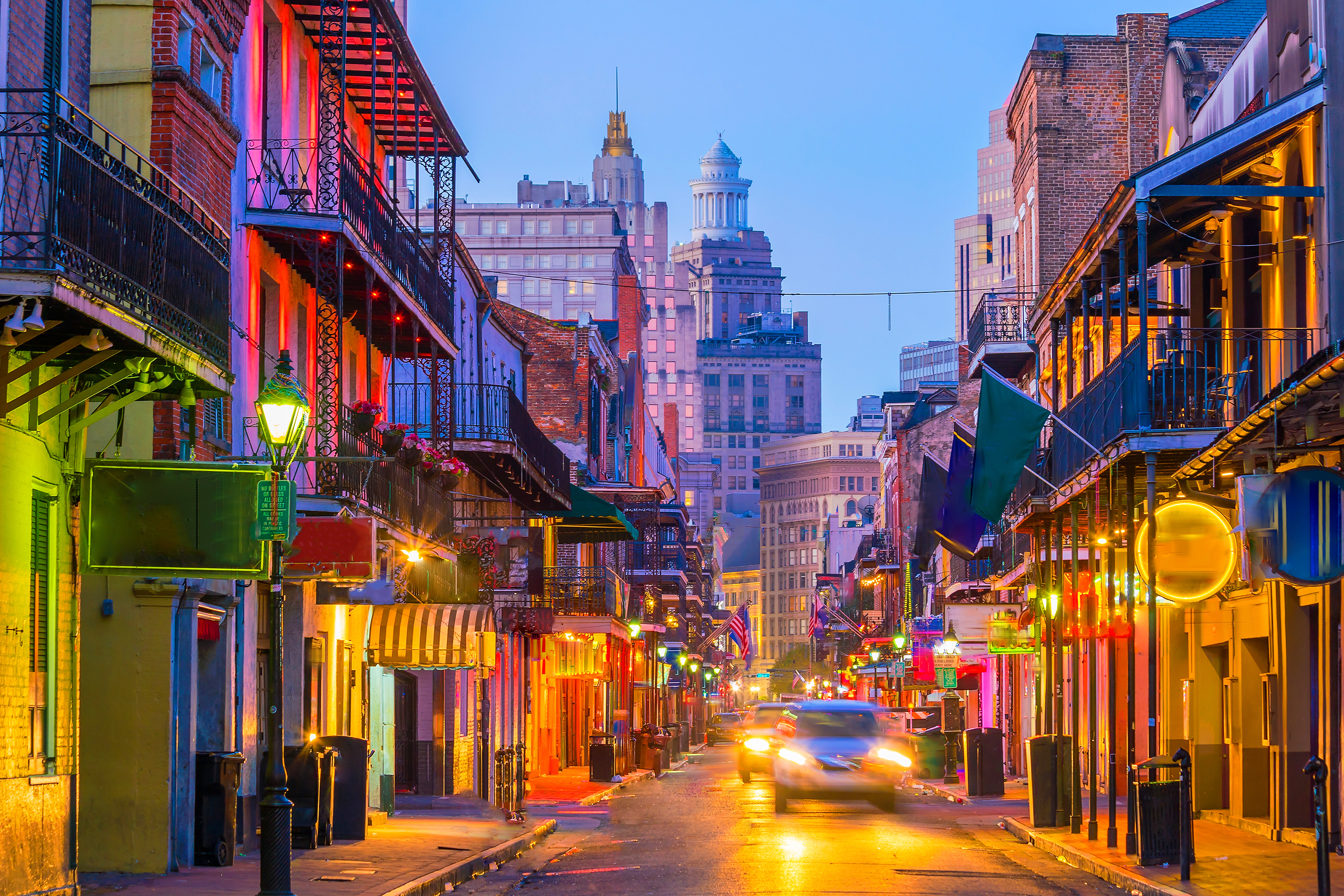
For those seeking the quintessential New Orleans nightlife, the late hours pulse with energy. Bourbon Street lights up with neon, live music spilling from every doorway, and a constant stream of revelers enjoying cocktails and camaraderie. While known for its lively, sometimes raucous, atmosphere, there are also quieter, more intimate bars and lounges to discover, such as the elegant Carousel Bar & Lounge within the Hotel Monteleone. Beyond the bars, ghost tours offer a chilling late-night exploration of the city’s supernatural legends, adding another dimension to the New Orleans experience under the shroud of darkness. The city’s 24/7 spirit ensures that there’s always something to do, no matter what time it is.
Maximizing Your Time: Planning Your New Orleans Itinerary
Effective planning is paramount to truly savoring your time in New Orleans. Given the city’s rich tapestry of attractions and experiences, a well-thought-out itinerary ensures you capture the essence of this extraordinary destination without feeling rushed.
Strategic Accommodation Booking
Choosing the right accommodation and booking it at the opportune moment can significantly enhance your trip. During peak seasons like spring festivals or Mardi Gras, securing your preferred hotel or guesthouse several months, or even a year, in advance is crucial. Popular choices range from luxurious resorts such as The Roosevelt New Orleans and Windsor Court Hotel to historic boutique hotels like Hotel Monteleone in the French Quarter, or charming guesthouses in the Garden District or Marigny. Consider the neighborhood that best suits your travel style – whether it’s the bustling energy of the French Quarter, the artistic vibe of the Warehouse District, or the serene residential streets of the Garden District. Off-peak seasons, particularly summer, often present opportunities for significant savings and more availability across all accommodation types.
Essential Landmarks and Attractions
To make the most of your visit, prioritize a list of must-see landmarks and attractions, then group them geographically to minimize travel time. Start your exploration in the historic core with Jackson Square, the St. Louis Cathedral, and the surrounding French Quarter architecture. Dedicate a morning to the immersive experience of the National WWII Museum, which typically requires 3-4 hours. Consider a picturesque steamboat cruise on the Mississippi River for a different perspective of the city. No trip to New Orleans is complete without a cemetery tour – St. Louis Cemetery No. 1 is the oldest and most famous, offering a glimpse into the city’s unique burial practices and rich history. For nature lovers, allocate time to explore the expansive City Park, home to ancient live oaks and various attractions.
Embracing Local Culture and Experiences
Beyond the major sights, New Orleans thrives on its experiences. Integrate culinary activities like a cooking class focusing on Creole and Cajun cuisine, or a guided food tour through the city’s gastronomic hotspots. Explore the spiritual side with visits to local voodoo shops or a tour discussing the city’s unique spiritual heritage. Consider venturing beyond the city limits for a thrilling swamp tour to witness Louisiana’s wild side. Embrace the spontaneous – pop into a street art gallery, linger over a cup of coffee at a hidden cafe, or simply sit on a bench in Jackson Square and soak in the vibrant street life and sounds of jazz. Allowing flexibility in your schedule for such serendipitous moments will enrich your trip and offer a deeper connection to the local lifestyle.
The Unforgettable Clock of New Orleans
In New Orleans, time isn’t just a measurement; it’s a dynamic force that shapes every facet of the visitor experience. From the practicalities of its Central Time Zone to the profound influence of seasonal events like Mardi Gras and Jazz Fest, every moment in this captivating city holds a unique significance. The daily rhythm, evolving from peaceful mornings sipping café au lait to the exhilarating late-night revelry on Bourbon Street or Frenchmen Street, underscores the city’s unparalleled ability to offer endless discovery around the clock.
“What time is it in New Orleans?” is a question that invites you not just to check your watch, but to truly understand and embrace the spirit of a place where history, music, and cuisine converge in a timeless celebration of life. By thoughtfully considering the literal and experiential dimensions of time, you can meticulously plan your travel, accommodation, and activities to create an itinerary that maximizes every second, immersing you fully in the magic that only New Orleans can provide. So, set your clock, but more importantly, set your intentions to explore, indulge, and dance to the rhythm of this unforgettable city.
LifeOutOfTheBox is a participant in the Amazon Services LLC Associates Program, an affiliate advertising program designed to provide a means for sites to earn advertising fees by advertising and linking to Amazon.com. Amazon, the Amazon logo, AmazonSupply, and the AmazonSupply logo are trademarks of Amazon.com, Inc. or its affiliates. As an Amazon Associate we earn affiliate commissions from qualifying purchases.