
Las Vegas, the dazzling jewel of the Nevada desert, is a city built on extremes – extreme entertainment, extreme luxury, and, indeed, extreme temperatures. Understanding the climate of this iconic destination is paramount for any traveler planning their dream getaway. Whether you’re seeking to explore its vibrant streets, indulge in world-class amenities, or venture into the stunning surrounding landscapes, the temperature in Las Vegas will significantly shape your experience. From scorching summer days that demand poolside relaxation to surprisingly mild winters perfect for outdoor adventures, knowing what to expect from the weather can be the key to unlocking the perfect Las Vegas vacation.
This guide delves deep into the temperature variations throughout the year, offering insights into how to best plan your travel itinerary, select the ideal accommodation, and make the most of the city’s diverse attractions, no matter when you visit. We’ll explore how the unique desert environment influences everything from your packing list to your choice of activities, ensuring your Las Vegas adventure is as comfortable as it is unforgettable.
Understanding Las Vegas’s Desert Climate
Las Vegas is nestled within the Mojave Desert, a geographical fact that dictates its weather patterns: hot, dry summers and mild, relatively short winters. This arid climate means low humidity year-round, which, while reducing the oppressive stickiness often associated with heat, doesn’t diminish the intensity of the sun. The city experiences over 300 days of sunshine annually, making it a bright and inviting destination for much of the year, but also one that requires careful consideration of sun protection and hydration, particularly during the hotter months.
Temperature swings between day and night can be significant, especially in the shoulder seasons, due to the desert’s inability to retain heat as effectively as more humid environments. This diurnal variation means a warm day can transition into a cool evening, necessitating layers for those venturing out after dark. Understanding these nuances is crucial for any visitor, whether you’re planning a luxury travel escape or a budget travel adventure, as it impacts everything from pool accessibility to outdoor dining preferences.
The Scorching Summers: June to September
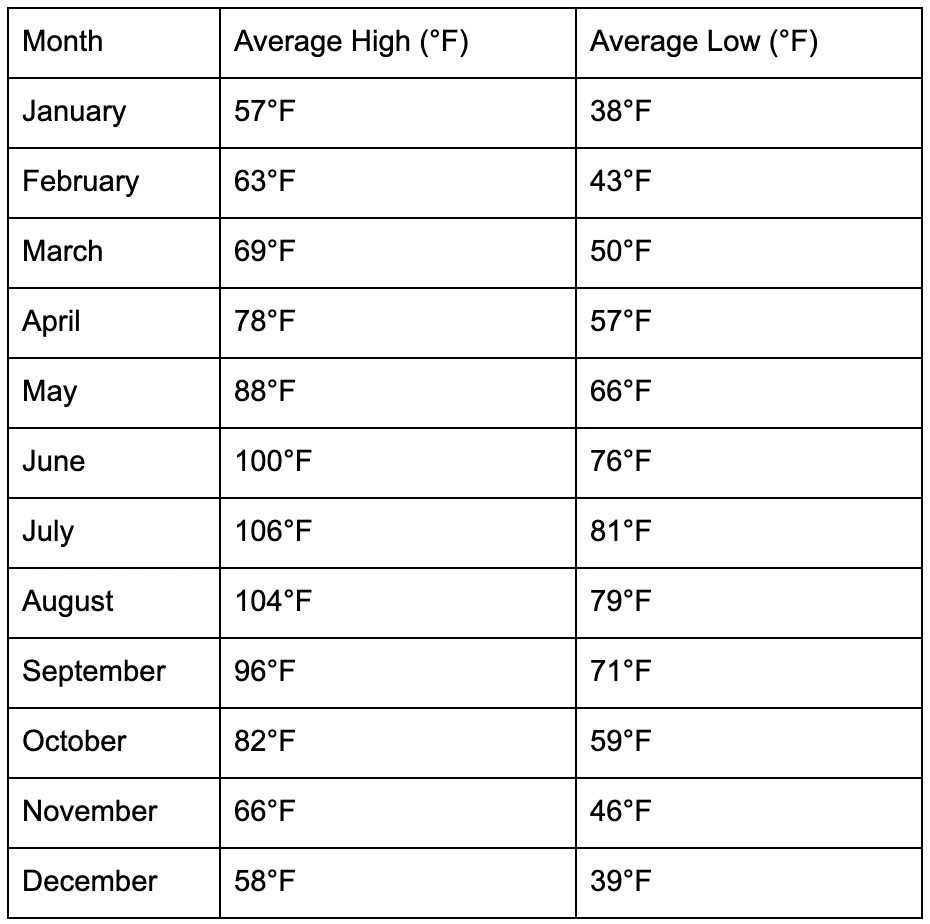
When most people think of Las Vegas weather, they often picture its summers, and for good reason. From June through September, the city truly lives up to its desert reputation, with average daily high temperatures consistently soaring above 100°F (38°C). July and August are typically the hottest months, often seeing mercury climb to 105-110°F (41-43°C) or even higher. Lows during this period remain warm, usually in the mid-70s to low 80s°F (24-28°C), providing little relief until the very early hours of the morning.
While this intensity might sound daunting, Las Vegas is exceptionally well-equipped to handle the heat. Every hotel, casino, and indoor attraction is heavily air-conditioned, transforming the interior spaces into cool, refreshing oases. The notorious dry heat also makes these temperatures more manageable than humid equivalents. However, visitors must prioritize hydration, wear light clothing, and seek shade whenever outdoors during the day. Summer in Las Vegas is synonymous with elaborate resort pools and vibrant nightlife, where the slightly cooler evenings allow for comfortable outdoor strolls along The Strip and open-air experiences after sunset. This period often presents opportunities for budget travel deals, as some visitors are deterred by the heat, leading to lower prices for hotels and flights.
Mild Winters: December to February
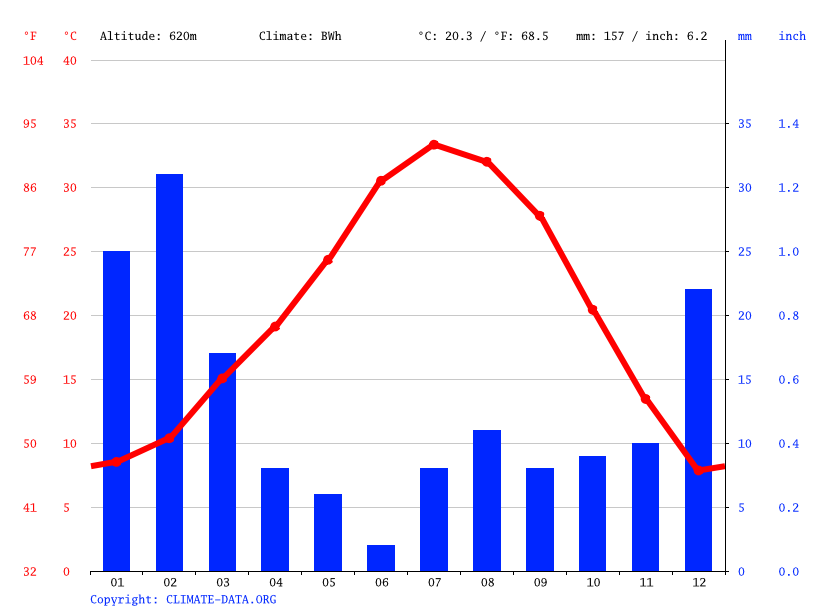
In stark contrast to its summers, Las Vegas experiences remarkably mild winters. From December to February, average daytime high temperatures typically range from the mid-50s to low 60s°F (13-17°C), making it a pleasant escape from colder climates. Evenings, however, can get quite chilly, often dipping into the low 30s to 40s°F (0-9°C), with occasional overnight freezes. While snowfall in the city is rare, the surrounding mountains like Mount Charleston often receive a dusting, creating a picturesque backdrop.
Winter is an excellent time for those who prefer cooler weather for exploring. Outdoor attractions become much more accessible, and walking The Strip is far more comfortable. Many hotels offer heated pools, ensuring swimming remains an option. The city also buzzes with a different kind of energy during the holiday season, with festive decorations and special events adding to its allure. Packing layers is essential for winter visitors, allowing for adjustment between warm indoor environments and cooler outdoor excursions. This season is popular for business stays and conferences, as well as those seeking a vibrant urban escape without the sweltering heat.

Pleasant Shoulder Seasons: Spring (March-May) & Fall (October-November)
For many, the spring and fall shoulder seasons represent the ideal time to visit Las Vegas. These periods offer a perfect balance of warm, sunny days and comfortable evenings, avoiding the extremes of summer and winter.
- Spring (March-May): As temperatures steadily rise, highs typically range from the high 60s°F (20°C) in March to the high 80s or low 90s°F (30-34°C) by May. Nights are mild, generally in the 40s to 60s°F (4-20°C). This is prime time for pool parties, outdoor dining, golf, and exploring the natural beauty of the surrounding desert landmarks. The desert wildflowers often bloom in early spring, adding an extra layer of beauty to excursions outside the city.
- Fall (October-November): Mirroring spring, fall brings a gradual cooling trend. October sees beautiful days with highs in the mid-80s°F (29°C), perfect for enjoying any outdoor activity. By November, temperatures settle into the low 70s°F (22°C), with cooler nights in the 40s-50s°F (4-15°C). The crisp air and brilliant sunshine make fall another fantastic time for outdoor exploration and enjoying the city’s many amenities.
These shoulder seasons are generally considered the “best” times to visit Las Vegas due to the near-perfect weather. Consequently, they often coincide with higher prices for accommodation and larger crowds, as everyone vies for a slice of this ideal climate. However, for those prioritizing comfortable conditions for a mix of indoor and outdoor activities, the spring and fall cannot be beaten.
Planning Your Las Vegas Itinerary Based on Weather
The diverse climate of Las Vegas means that your itinerary will look significantly different depending on the time of year you visit. Strategic planning, keeping temperatures in mind, ensures you get the most enjoyment out of every moment, whether you’re exploring landmarks or indulging in luxury travel experiences.
Summer Survival Guide: Embracing Indoor Luxury and Nightlife
Visiting during the summer requires a shift in focus to indoor activities and leveraging the city’s air-conditioned havens. Daytime hours are best spent inside the magnificent hotels and resorts that line The Strip.
Dive into the world of indoor entertainment at renowned properties like Bellagio, ARIA, and The Venetian, where you can explore vast casinos, enjoy elaborate stage shows, or marvel at indoor attractions like the Bellagio Conservatory & Botanical Gardens (an inferred landmark). Shopping becomes a high-class affair in climate-controlled malls such as the Fashion Show Mall or the shops at Caesars Palace.
Pool culture reaches its peak in summer. Virtually every major resort boasts an impressive pool complex, often with lazy rivers, wave pools, and cabana rentals. Mandalay Bay Beach, with its sandy beach and wave pool, is a prime example of how to beat the heat in style. Many hotels also host vibrant pool parties with DJs and bottle service, offering a quintessential Las Vegas daytime experience.
As the sun sets and temperatures drop slightly, the city’s legendary nightlife comes alive. Outdoor patios at restaurants and bars become more inviting, and strolling The Strip to admire the dazzling lights is a pleasant evening activity. Consider attractions like the High Roller Observation Wheel or the Eiffel Tower Viewing Deck for nighttime panoramic views. Day trips to natural landmarks like the Grand Canyon or Red Rock Canyon are still possible, but it’s crucial to start very early in the morning to avoid the midday sun and ensure sufficient hydration.
Winter Wonders: Outdoor Exploration and Festive Cheer
Winter in Las Vegas opens up a world of outdoor possibilities that are often too challenging in summer. The cooler temperatures make it an ideal time for extended walks, exploring The Strip on foot without breaking a sweat, or venturing off to nearby natural landmarks.
Day trips to stunning desert parks like Red Rock Canyon and Valley of Fire State Park are incredibly rewarding in winter, offering comfortable hiking conditions and breathtaking scenery. A visit to the majestic Hoover Dam or Lake Mead also becomes a pleasant excursion. For those craving snow, a short drive to Mount Charleston offers opportunities for skiing, snowboarding, or simply playing in the snow – a surreal contrast to the desert below.
Within the city, attractions like the Fremont Street Experience in downtown Las Vegas are more enjoyable in the cooler evenings. Winter also brings a festive atmosphere, especially around the holidays. Many resorts and hotels adorn their properties with elaborate decorations, and some even transform into winter wonderlands. For example, The Cosmopolitan famously converts its Boulevard Pool into an outdoor ice rink with stunning Strip views, offering a unique holiday experience. Indoor cultural attractions like the Neon Museum and the Mob Museum are popular year-round but can be particularly appealing on a chilly day.
Spring and Fall: The Best of Both Worlds
The shoulder seasons of spring and fall truly offer the best of both Las Vegas worlds, allowing visitors to enjoy a wide array of activities without the extreme temperatures. This is the time to experience the city’s full spectrum of tourism offerings.
Pool days are still fantastic, but without the intense glare and heat of summer, making lounging by the water more comfortable and less about constant shade-seeking. Golf courses are in their prime, with perfect weather for a round on one of Las Vegas’s many championship courses. Outdoor dining on beautiful patios becomes a highlight, allowing you to savor exquisite cuisine while enjoying the pleasant air.
These seasons are also ideal for combining city exploration with natural excursions. You can spend a morning hiking in Red Rock Canyon, return to the city for an afternoon of shopping or a spa treatment, and then enjoy a spectacular show and dinner on The Strip. Spring and fall are popular for family trips, as the milder temperatures make it easier to entertain children, balancing indoor attractions with outdoor play. The pleasant weather also makes these seasons popular for conventions and business stays, drawing large crowds and creating a vibrant atmosphere across the city. Booking accommodation well in advance is highly recommended during these peak times to secure desired hotels and resorts.
Accommodation and Lifestyle Choices Influenced by Las Vegas Weather
The temperature in Las Vegas plays a crucial role not only in activity planning but also in selecting the right accommodation and shaping your overall travel lifestyle experience. Hotels and resorts in Las Vegas are designed with the climate in mind, offering a wealth of amenities that cater to comfort regardless of the season.
Hotel Amenities for Every Season
Regardless of the outside temperature, Las Vegas hotels are engineered to ensure guest comfort. Air conditioning is ubiquitous and highly effective, making every indoor space a sanctuary from the heat. During summer, access to a refreshing pool is non-negotiable for many. Resorts like Mandalay Bay (an inferred proper noun), MGM Grand (inferred), and The Venetian boast elaborate pool complexes that serve as major attractions themselves, offering relief from the desert sun. Many pools are also heated, extending their usability into the cooler shoulder seasons and even winter for a comfortable dip. Some properties, like The Cosmopolitan, even offer distinct pool experiences catering to different moods and temperatures.
Beyond pools, hotels offer extensive indoor entertainment complexes, including theaters for shows, casinos, shopping arcades, and a vast array of restaurants (inferred proper noun), ensuring that there’s always something to do, regardless of whether it’s 110°F or 50°F outside. Many luxury hotels feature world-class spas and wellness centers, providing climate-controlled environments for relaxation and rejuvenation year-round. When booking your accommodation, consider the importance of these amenities relative to your travel dates. If you’re visiting in summer, a hotel with an incredible pool is likely a higher priority than if you’re visiting in winter when you might focus more on proximity to indoor attractions or dining options.
Lifestyle Considerations: Luxury, Budget, and Family Travel
The temperature also influences different travel lifestyles and budgets.
- Luxury Travel: For those indulging in luxury travel, Las Vegas’s high-end resorts like Bellagio, ARIA, and The Venetian offer an unparalleled experience of climate-controlled comfort and opulence. These establishments feature extensive indoor environments, from designer boutiques to elaborate suites and private villas, allowing guests to escape the elements entirely. Many offer exclusive poolside service, ensuring hydration and comfort even on the hottest days. Luxury travel in Las Vegas means seamless transitions between air-conditioned spaces and enjoying amenities that mitigate any weather discomfort.
- Budget Travel: For budget travelers, visiting during the hotter summer months can offer significant savings on accommodation and flights, as demand can be lower. Choosing hotels with good air conditioning and a decent pool becomes essential. Hotels further down The Strip or downtown, like Luxor, Excalibur, or the STRAT (formerly Stratosphere), might offer more competitive rates. Focusing on indoor activities or planning outdoor excursions during cooler evening hours can still provide a fantastic Las Vegas experience without breaking the bank.
- Family Trips: Family trips require extra consideration for the weather. In summer, water parks like Cowabunga Bay or the various resort pools become primary attractions. Indoor options like the Discovery Children’s Museum or the Aquarium at Mandalay Bay (inferred) provide excellent climate-controlled fun. During the milder spring and fall, families can enjoy a wider range of activities, including outdoor adventures and comfortable strolls. Winter opens up opportunities for festive activities and exploring the city’s less crowded landmarks. Choosing accommodation with family-friendly amenities and understanding how temperature will impact daily plans is key to a successful family vacation.
In conclusion, while Las Vegas is undeniably hot for a significant portion of the year, its infrastructure and extensive range of attractions are perfectly adapted to ensure a comfortable and enjoyable visit in any season. By understanding the typical temperatures and planning your travel accordingly, you can curate an unforgettable experience, whether you’re seeking poolside relaxation, outdoor adventure, or world-class indoor entertainment. This dynamic city truly offers something for everyone, regardless of what the thermometer reads.
LifeOutOfTheBox is a participant in the Amazon Services LLC Associates Program, an affiliate advertising program designed to provide a means for sites to earn advertising fees by advertising and linking to Amazon.com. Amazon, the Amazon logo, AmazonSupply, and the AmazonSupply logo are trademarks of Amazon.com, Inc. or its affiliates. As an Amazon Associate we earn affiliate commissions from qualifying purchases.