
The Los Angeles Dodgers are more than just a baseball team; they are an iconic institution, a cultural touchstone woven deeply into the fabric of Los Angeles. Their storied history, spanning over a century, has seen the team evolve from its Brooklyn roots to become one of Major League Baseball’s most celebrated franchises in Southern California. A team of this magnitude naturally draws immense interest, not just from dedicated fans but also from those curious about the economics of sports, the influence of ownership on team success, and the broader impact on local tourism and lifestyle. For travelers exploring Los Angeles, understanding the forces behind the Dodgers can enrich the experience, offering insights into the city’s identity and the vibrant scene around Dodger Stadium. The question of “who owns the Los Angeles Dodgers?” uncovers a fascinating narrative of high-stakes investment, celebrity involvement, and a commitment to maintaining a legacy that significantly contributes to the allure of LA as a world-class destination.
The current ownership group, Guggenheim Baseball Management, took the reins in 2012 in a landmark deal that reshaped the team’s trajectory both on and off the field. This consortium, a blend of financial powerhouses and legendary sports figures, injected new life into the franchise, propelling it into an era of renewed competitiveness and unparalleled financial stability. Their vision extends beyond winning games; it encompasses enhancing the fan experience, investing in the community, and solidifying the Dodgers’ position as a premier attraction. This ownership model, with its emphasis on strategic growth and fan engagement, plays a crucial role in shaping the travel and tourism landscape of Los Angeles. A visit to Dodger Stadium is not merely attending a game; it is immersing oneself in a quintessential LA experience, backed by an ownership group dedicated to excellence.

The Current Stewards: Guggenheim Baseball Management
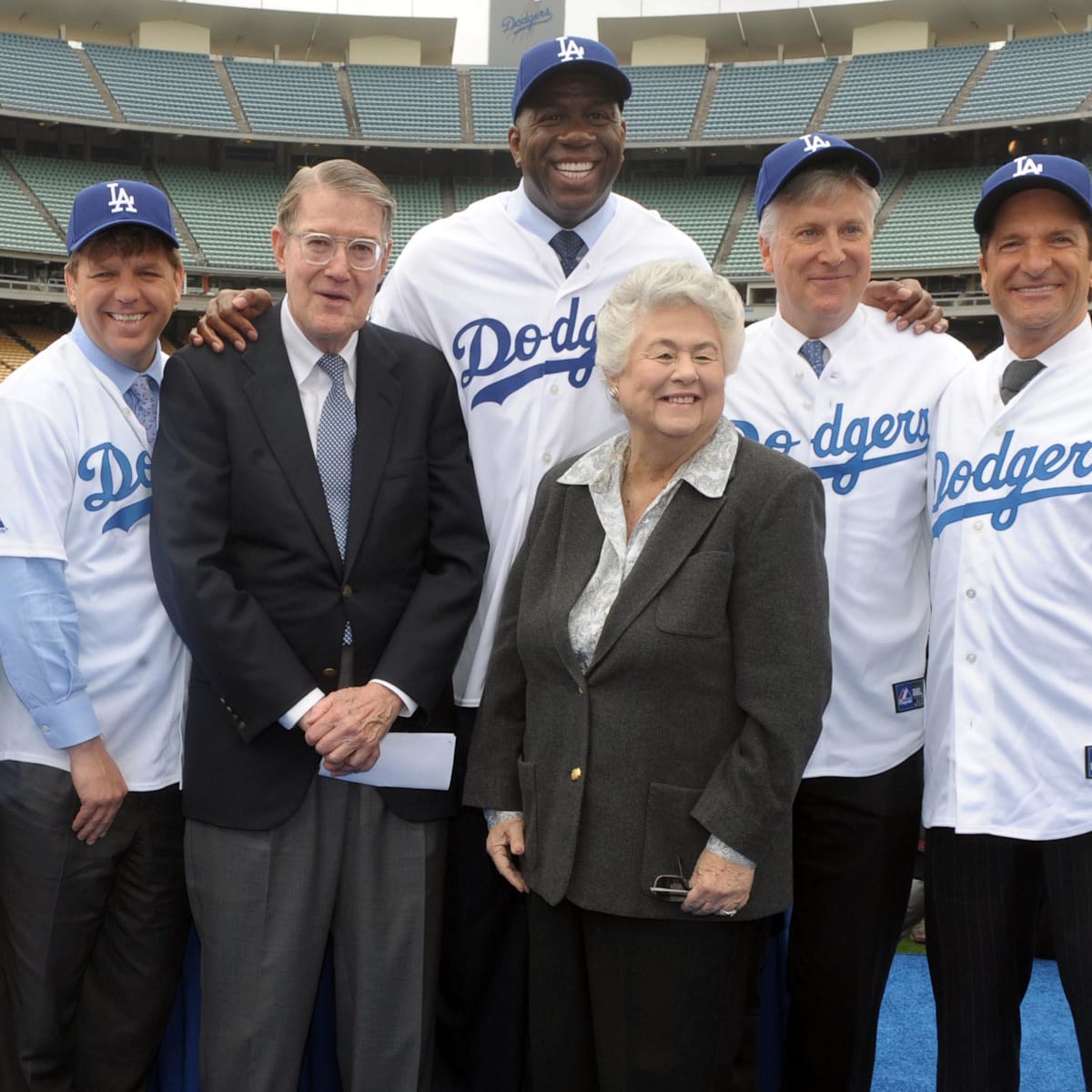
The saga of the Los Angeles Dodgers’ ownership reached a pivotal moment in 2012 with the sale of the team for a record-breaking $2.15 billion. The buyer was Guggenheim Baseball Management, an investment group assembled and led by businessman Mark Walter, CEO of Guggenheim Partners. This acquisition marked a new chapter for the franchise, signaling a commitment to restoring the team to its former glory and elevating its status both in baseball and as a global brand. The consortium brought together a diverse group of influential figures, each contributing unique expertise and passion to the enterprise.
A Star-Studded Syndicate
At the heart of Guggenheim Baseball Management is its formidable roster of investors. Mark Walter, as the controlling partner, brought significant financial acumen and a long-term strategic vision. His leadership has been instrumental in stabilizing the team’s finances and spearheading substantial investments in player development, stadium enhancements, and community initiatives.
Perhaps the most recognizable face of the ownership group to the general public is Earvin “Magic” Johnson, the legendary Los Angeles Lakers icon. Johnson’s involvement transcends mere celebrity endorsement; he is a shrewd businessman and a beloved figure in Los Angeles. His presence adds invaluable credibility, strengthens community ties, and brings a unique perspective on sports culture and fan engagement. For visitors to LA, the idea of an Lakers legend also owning the Dodgers encapsulates the intertwined nature of Los Angeles sports and its broader celebrity lifestyle.
Other key members of the ownership group include Stan Kasten, the team’s President and CEO, who brought a wealth of experience from his previous roles with the Atlanta Braves and Washington Nationals. His operational expertise has been crucial in rebuilding the team’s infrastructure and fostering a winning culture. Bobby Patton Jr. and Todd Boehly are also significant investors, contributing their financial prowess and business acumen. Boehly, in particular, has become a prominent figure in the sports world, further solidifying the group’s reputation for strategic, high-impact investments.

Under this ownership, the Los Angeles Dodgers have seen a dramatic resurgence, both in terms of on-field success, culminating in a World Series title in 2020, and as a financial powerhouse. Their approach has not only focused on attracting top talent but also on enhancing the fan experience at Dodger Stadium and strengthening the team’s connection to the Los Angeles community. This holistic strategy has cemented the Dodgers’ place not just as a baseball team, but as a vibrant part of the Los Angeles lifestyle and a major draw for tourists.
A Legacy of Ownership: From Brooklyn to Los Angeles
To truly understand the current ownership and its significance, it’s essential to look back at the historical lineage that shaped the Los Angeles Dodgers. The team’s journey is one of the most iconic in sports, marked by a monumental geographic shift and a succession of owners who left indelible marks on the franchise. This history intertwines with the very identity of Los Angeles, making the team a living landmark and a testament to the city’s dynamic evolution.
The O’Malley Dynasty and the Move West
The O’Malley family played a foundational role in the Dodgers’ history, particularly through the visionary leadership of Walter O’Malley. It was Walter O’Malley who, facing challenges in securing a new stadium in Brooklyn, made the controversial but ultimately transformative decision to move the franchise to Los Angeles in 1958. This move, alongside the New York Giants’ relocation to San Francisco, forever changed the landscape of Major League Baseball and ignited the passion for baseball on the West Coast. O’Malley’s foresight not only secured the future of the Dodgers but also provided Los Angeles with its first major professional sports team, paving the way for the city’s growth as a sports and entertainment hub.
The O’Malley family maintained ownership for nearly 50 years, with Peter O’Malley succeeding his father. Under their stewardship, the Dodgers became synonymous with stability, community involvement, and consistent success. They built Dodger Stadium, a marvel of modern architecture for its time and still a beloved landmark today, offering an incredible fan experience. The O’Malley era solidified the Dodgers’ place as an integral part of Los Angeles identity, making a trip to the ballpark an enduring tradition for generations of families and a highlight for visitors.
The family eventually sold the team in 1998 to News Corporation, led by Rupert Murdoch. This marked a significant shift, bringing a media conglomerate into sports ownership and signaling a new era of corporate influence in baseball. While News Corporation maintained the team’s competitiveness, their tenure was relatively brief, ultimately leading to another change in ownership.
The McCourt Era and its Challenges
In 2004, Frank McCourt purchased the Los Angeles Dodgers from News Corporation. McCourt’s ownership proved to be a tumultuous period for the franchise. Despite initial optimism and some on-field success, his tenure was plagued by financial difficulties, highly publicized personal disputes, and growing tensions with Major League Baseball commissioner Bud Selig. The financial strain led to a decline in stadium upkeep and a perceived lack of investment in the team, frustrating the passionate Dodgers fanbase.
The nadir of the McCourt era came when Major League Baseball took control of the team’s operations in 2011 amidst insolvency concerns. This unprecedented intervention ultimately paved the way for the sale of the team in 2012, setting the stage for the arrival of Guggenheim Baseball Management. The struggles under McCourt underscored the critical importance of stable and committed ownership for a franchise of the Dodgers’ stature, and for the broader economic and cultural impact it has on a city like Los Angeles. The transition to the current ownership brought a collective sigh of relief and ushered in a period of unprecedented investment and renewed optimism.
The Dodgers’ Ownership and the Los Angeles Lifestyle
The ownership of the Los Angeles Dodgers is not merely a corporate transaction; it’s a driving force behind a significant portion of the Los Angeles lifestyle and its thriving tourism industry. When a team is owned by individuals deeply invested in its success and community impact, it elevates the entire fan experience, transforming a simple game into a memorable travel and leisure activity. For anyone visiting Los Angeles, engaging with the Dodgers offers a unique window into the city’s pulse, blending sports with culture, dining, and accommodation.
Sports Tourism: Beyond the Ballpark
A Dodgers game at Dodger Stadium is far more than a baseball match; it’s a major tourist attraction. The stadium itself, a landmark perched on a hill overlooking Downtown LA, offers stunning views of the city skyline and the surrounding mountains. Guggenheim Baseball Management’s investments have continuously enhanced the stadium experience, from modern amenities and diverse food options to comfortable seating and vibrant entertainment. For travelers, especially sports enthusiasts, a visit to Dodger Stadium is a pilgrimage, often planned as the centerpiece of their Los Angeles itinerary.
Pre-game activities often include exploring the diverse neighborhoods surrounding the stadium, such as Echo Park or Chinatown, known for their unique shops and culinary scenes. Post-game, the energy spills into various LA hotspots, from lively bars to upscale restaurants, making a Dodgers game an all-day event. The team’s ownership understands this broader appeal and actively promotes the Dodgers as a central component of the Los Angeles tourist experience. Guided tours of Dodger Stadium are also popular, offering behind-the-scenes access to the dugouts, press box, and the Dodgers trophy room, cementing its status as a must-see landmark for sports fans and history buffs alike.
Accommodating the Fan Experience
The influx of visitors drawn by Dodgers games creates a significant demand for various types of accommodation. Whether someone is planning a luxury trip, a family vacation, or a budget-conscious adventure, Los Angeles offers a plethora of options that cater to Dodgers fans.
- Luxury Stays: For those seeking an opulent experience, hotels in nearby Beverly Hills, West Hollywood, or even upscale Downtown LA offer world-class amenities, exquisite dining, and easy access to the stadium via ride-sharing services or the Dodger Stadium Express bus. Iconic establishments like The Beverly Hills Hotel or The London West Hollywood provide suites and resorts with unparalleled service, often frequented by celebrities and high-profile guests.
- Boutique and Mid-Range Hotels: Downtown LA has seen a resurgence in recent years, with numerous boutique hotels and stylish mid-range options offering convenient access to both the stadium and other attractions like Grand Central Market or The Broad museum. These accommodations often blend modern design with local charm, providing a comfortable base for exploring the city.
- Family-Friendly Options: Families traveling with children often look for hotels with amenities like pools, larger rooms, or even apartment-style accommodations. Areas slightly further from the immediate stadium vicinity but with good transport links, such as Hollywood or Anaheim (if combining a Dodgers game with a Disneyland trip), provide resorts and hotels designed to cater to family needs, often offering attractive packages.
- Budget Travel and Long-Term Stays: For budget-conscious travelers or those planning an extended stay in Los Angeles, various motels, guesthouses, and long-term apartment rentals are available. Websites for booking and comparison allow visitors to find the best deals, ensuring that attending a Dodgers game is accessible to everyone, regardless of their budget.
The ownership’s commitment to a strong team fosters consistent attendance, which in turn supports these diverse accommodation businesses, reinforcing the Dodgers’ economic impact on the local tourism industry.
Immerse in LA Culture: Food, Festivities, and Fame
The Dodgers are intertwined with Los Angeles culture, influencing local food, festivities, and the general celebrity lifestyle. No trip to Dodger Stadium is complete without indulging in a legendary Dodger Dog, a culinary landmark in its own right. However, the ownership’s drive for a premier experience extends to offering a wide array of gourmet options, craft beers, and diverse international cuisine, reflecting LA’s global culinary reputation.
Beyond game day, the team’s success and high-profile ownership, especially with Magic Johnson‘s involvement, draw a celebrity crowd, adding to the allure of LA’s glamorous lifestyle. Attending a game can mean rubbing shoulders with movie stars, musicians, and other sports legends, providing a unique insight into the city’s famous social scene. The Dodgers often host themed nights, community events, and charity initiatives, further weaving the team into the fabric of Los Angeles life and providing additional attractions for tourists. From the vibrant pre-game atmosphere to the post-game celebrations, the Dodgers’ ownership has cultivated an experience that is both quintessentially LA and a beacon for sports tourism worldwide.
In conclusion, the ownership of the Los Angeles Dodgers by Guggenheim Baseball Management is a story of vision, investment, and a deep understanding of what makes a sports franchise successful both on and off the field. Their stewardship has not only brought championship glory back to Los Angeles but has also significantly enhanced the city’s appeal as a travel destination. The Dodgers, under their current leadership, continue to be a vibrant part of the Los Angeles lifestyle, drawing visitors from around the globe to experience the excitement of baseball, the beauty of Dodger Stadium, and the unique cultural tapestry of the city they call home.
LifeOutOfTheBox is a participant in the Amazon Services LLC Associates Program, an affiliate advertising program designed to provide a means for sites to earn advertising fees by advertising and linking to Amazon.com. Amazon, the Amazon logo, AmazonSupply, and the AmazonSupply logo are trademarks of Amazon.com, Inc. or its affiliates. As an Amazon Associate we earn affiliate commissions from qualifying purchases.