
Understanding the concept of time in a region as expansive and diverse as Texas, America, is far more than a simple matter of checking a clock. For travelers, adventurers, and business professionals alike, grasping the nuances of Texas’s time zones is crucial for seamless planning, effortless navigation, and an ultimately richer experience. From coordinating flights and hotel bookings to scheduling business meetings or simply catching a spectacular sunset in a national park, knowing what time it is, and understanding why, forms the bedrock of any successful journey through the Lone Star State.
Texas, a land of sweeping landscapes, vibrant cities, and a rich tapestry of culture, stretches across over 268,000 square miles. This vastness means that while the majority of the state adheres to one primary time zone, a significant western sliver operates on another, creating a unique dynamic that impacts everything from travel itineraries to daily routines. This article will not only clarify the current time in Texas but also delve into the implications of its time zones for tourism, accommodation, landmarks, and the distinctive lifestyle that defines this iconic part of the United States. Whether you’re planning to explore the historic missions of San Antonio, dive into the bustling arts scene of Dallas, groove to the live music in Austin, or venture into the rugged beauty of West Texas near the Mexico border, a clear understanding of Texas time is your first step towards an unforgettable adventure.
Understanding Texas Time Zones for Seamless Travel
For most visitors and residents, the answer to “What time is it in Texas?” is straightforward, but it’s essential to recognize the exceptions that can significantly impact travel plans, especially when venturing to the state’s far western reaches.
Central Time Zone (CT) Dominance
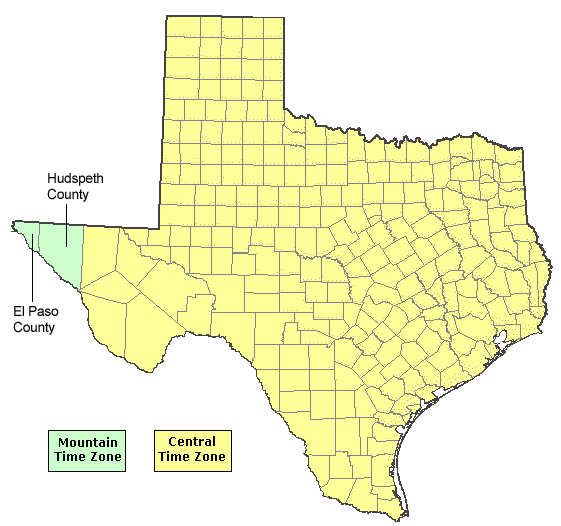
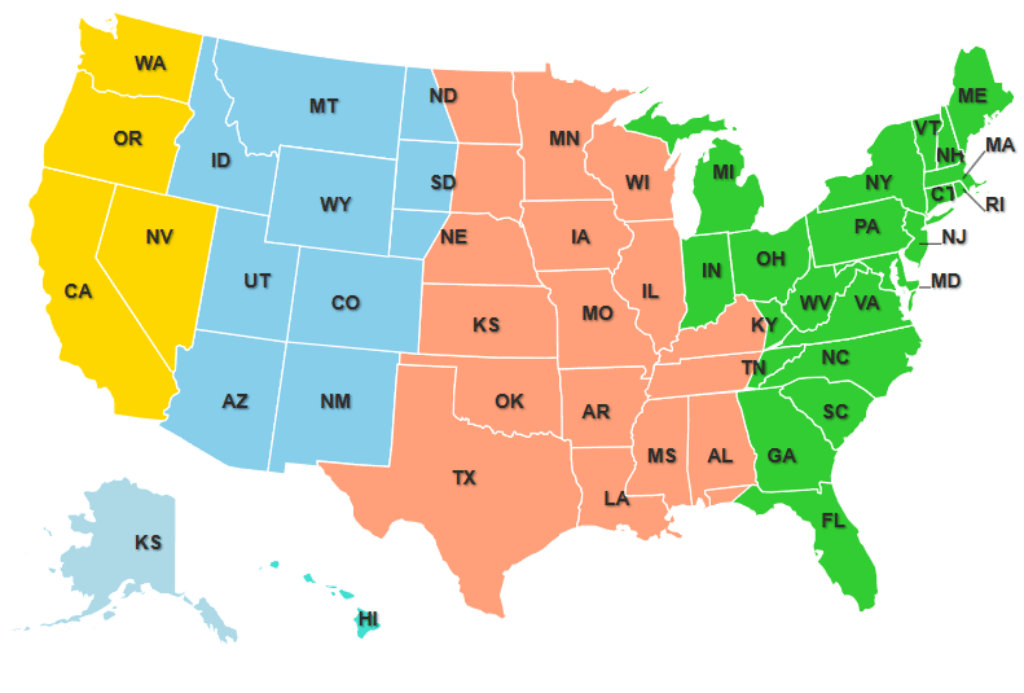
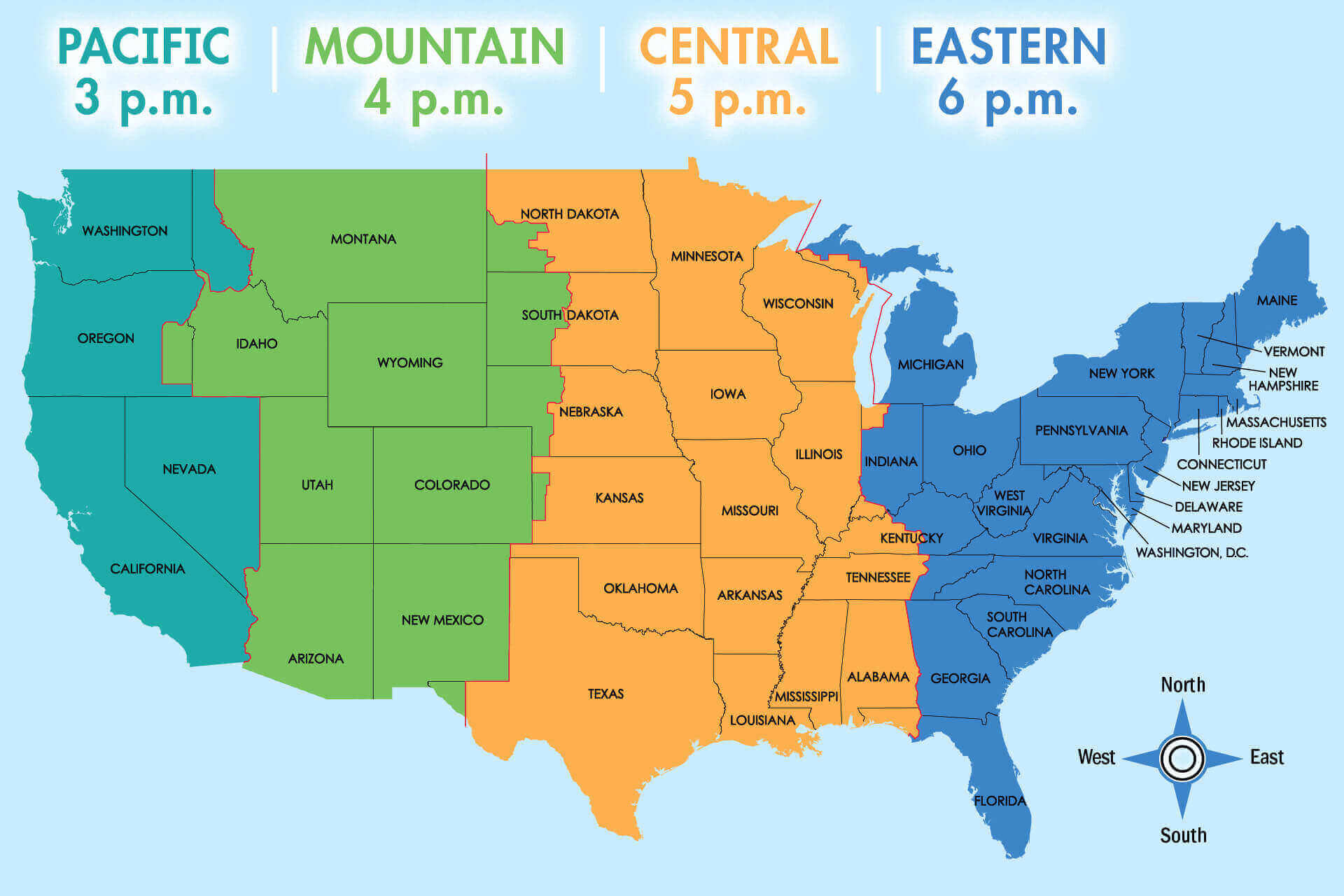
The overwhelming majority of Texas operates on the Central Time Zone (CT), which is UTC-6 during standard time and UTC-5 during Daylight Saving Time. This means that when you’re checking into your hotel in Houston, enjoying a BBQ feast in Austin, or exploring the historic Alamo in San Antonio, you’ll be firmly within Central Time. This primary time zone encompasses all of the state’s major metropolitan areas, making it the default for most travel itineraries.
Cities like Dallas and Fort Worth, forming the dynamic Dallas-Fort Worth Metroplex, along with Houston on the Gulf Coast and the vibrant capital city of Austin, are all synchronized to Central Time. This simplifies scheduling greatly for visitors arriving at major airports such as Dallas/Fort Worth International Airport (DFW), George Bush Intercontinental Airport (IAH) in Houston, or Austin-Bergstrom International Airport (AUS). When planning your excursions, whether it’s a museum visit, a culinary tour, or a business meeting, you can confidently set your watch to CT for the vast majority of your Texas adventure.
Exceptions: El Paso and Hudspeth Counties (MT)
The primary exception to Texas’s Central Time rule lies in its far western reaches. The city of El Paso, along with the entirety of Hudspeth County, observes Mountain Time Zone (MT). This means they are one hour behind the rest of Texas. During standard time, Mountain Time is UTC-7, and during Daylight Saving Time, it shifts to UTC-6.
This time zone change is particularly important for anyone traveling overland from central Texas to El Paso or into the expansive national parks in the region, such as Guadalupe Mountains National Park (though the park itself mostly adheres to CT, local services and connections often tie into El Paso’s MT). For example, if you’re driving from San Antonio to El Paso – a journey that can easily take 8-10 hours – remember to “fall back” one hour upon arrival. For return journeys, you’ll “spring forward” an hour. Being aware of this shift is vital for making flight connections, arriving on time for guided tours, or simply ensuring your dinner reservations are honored. While seemingly minor, a missed connection or a late arrival can disrupt even the most meticulously planned itinerary, underscoring the importance of this specific time zone distinction in Texas.
Daylight Saving Time Considerations
Like most of the United States, Texas observes Daylight Saving Time. On the second Sunday in March, clocks “spring forward” one hour, meaning Central Time shifts from UTC-6 to UTC-5, and Mountain Time shifts from UTC-7 to UTC-6. On the first Sunday in November, clocks “fall back” one hour, returning to standard time.
This seasonal adjustment is consistently applied across both time zones within the state. Travelers should always verify whether their travel dates fall within or outside of Daylight Saving Time to avoid any confusion, particularly when coordinating with individuals or businesses outside of Texas or America altogether. Modern smartphones and electronic devices typically adjust automatically, but it’s always prudent to double-check, especially if you’re relying on analog clocks or scheduling international calls. Understanding Daylight Saving Time ensures that your travel plans, from booking a rental car to arranging an evening experience at a landmark, remain perfectly synchronized.
Unlocking Texas: Destinations and Experiences Across Time Zones
Beyond the technicalities of time, Texas offers an incredible array of destinations and experiences that cater to every type of traveler. From bustling urban centers to serene natural wonders, each region presents its own unique charm, often influenced by its location within or near the state’s time zones.
Exploring the Heart of Texas: Central Time Zone Highlights
The majority of Texas’s iconic destinations lie within the Central Time Zone, offering a rich tapestry of culture, history, and modern amenities.
Dallas & Fort Worth: The Urban Frontier
The Dallas-Fort Worth Metroplex stands as a testament to Texas’s dynamic spirit. Dallas is a sleek, cosmopolitan hub renowned for its impressive skyline, world-class shopping, and a vibrant arts district that houses institutions like the Dallas Museum of Art and the Nasher Sculpture Center. History buffs will find solace at the Sixth Floor Museum at Dealey Plaza, offering poignant insights into a pivotal moment in American history. For accommodation in Dallas, luxury hotels like The Joule Dallas offer sophisticated stays, while numerous boutique hotels and reliable chains cater to diverse preferences and budgets.
Just a short drive west, Fort Worth embraces its Western heritage with open arms. The Stockyards National Historic District is a must-visit, offering daily cattle drives, rodeos, and a lively atmosphere that transports visitors back to the Old West. Fort Worth also boasts excellent museums, including the Kimbell Art Museum and the Amon Carter Museum of American Art.
Houston: Space, Culture, and Culinary Delights
As Texas’s largest city, Houston is a powerhouse of culture, innovation, and gastronomy. Home to NASA’s Johnson Space Center and Space Center Houston, it’s a prime destination for aspiring astronauts and space enthusiasts. The city’s thriving Museum District offers a diverse collection of institutions, including the Houston Museum of Natural Science and the Museum of Fine Arts, Houston. Houston’s food scene is incredibly diverse, reflecting its multicultural population, from award-winning fine dining to authentic Tex-Mex and Vietnamese cuisine. For those seeking luxury accommodation, the city offers numerous five-star hotels and resorts in areas like Uptown Park and the Galleria.
Austin: Live Music Capital and Outdoor Haven
Austin, the state capital, famously declares itself the “Live Music Capital of the World,” and for good reason. From the legendary venues on 6th Street to the annual South by Southwest (SXSW) festival, music pulses through the city’s veins. Austin also offers abundant outdoor activities at Zilker Metropolitan Park, including swimming in Barton Springs Pool and kayaking on Lady Bird Lake. The city’s vibrant food truck scene and health-conscious lifestyle appeal to a wide audience. When it comes to accommodation, Austin boasts a range from chic downtown hotels to unique boutique stays and even glamping options in the surrounding Texas Hill Country.
San Antonio: History, Romance, and the Riverwalk
Steeped in history and rich in Spanish colonial heritage, San Antonio offers a distinctly romantic and cultural experience. The iconic Alamo is a powerful symbol of Texas’s fight for independence, while the serene San Antonio Riverwalk provides a picturesque setting for dining, shopping, and leisurely strolls. The city is also home to four other Spanish colonial missions, forming the San Antonio Missions National Historical Park, a UNESCO World Heritage Site. Family-friendly attractions like SeaWorld San Antonio and Six Flags Fiesta Texas add to its appeal. For an unforgettable stay, Hotel Emma San Antonio on the Riverwalk offers unparalleled luxury and history, while many other hotels provide convenient access to the city’s main attractions.
Western Wonders: Mountain Time Zone Adventures
Venturing into the far western corner of Texas brings you into the Mountain Time Zone and a starkly different, yet equally captivating, landscape.
El Paso: Border Culture and Desert Beauty
El Paso, the largest city in the Mountain Time Zone part of Texas, sits right on the border with Mexico and the state of New Mexico. This unique geographical position has fostered a vibrant bicultural atmosphere, evident in its cuisine, music, and local culture. Visitors can explore the historic Mission Trail, hike or rock climb in Franklin Mountains State Park, or enjoy panoramic views of the city and its international neighbors. El Paso serves as an excellent gateway to further exploration of West Texas’s desert beauty. Accommodation options range from historic downtown hotels to modern suites with easy access to the border crossings and local attractions.
Beyond El Paso: Big Bend and Desert Gems
While Big Bend National Park technically remains in the Central Time Zone, its remote location in West Texas and proximity to the MT zone makes it relevant when discussing travel to this less-populated region. Big Bend is a wilderness paradise, offering unparalleled opportunities for hiking, stargazing, and river trips along the Rio Grande. The journey to and from Big Bend requires careful planning, and understanding its time zone relative to your starting point is key to optimizing daylight hours for exploration.
Other notable West Texas destinations, though also largely within CT, offer similar remote beauty. These include the artistic haven of Marfa, known for its mysterious lights and contemporary art scene, and the dramatic landscapes of Palo Duro Canyon State Park, often referred to as the “Grand Canyon of Texas.” Even in these Central Time Zone areas, the vast distances mean that adjusting your mental clock and planning for long drives is essential to fully appreciate these remote wonders without feeling rushed.
Planning Your Texas Trip: Accommodation, Logistics, and Lifestyle
A memorable trip to Texas extends beyond simply knowing the time; it involves strategic planning for accommodation, understanding local logistics, and immersing oneself in the distinctive Texas lifestyle.
Where to Stay: Hotels, Resorts, and Unique Accommodations
Texas boasts an incredible range of accommodation options to suit every taste, budget, and travel style. For those seeking luxury travel, cities like Dallas, Houston, and San Antonio offer world-class resorts and five-star hotels with impeccable amenities, often featuring spas, gourmet dining, and concierge services. Historic properties like Hotel Contessa San Antonio or modern architectural marvels such as The Post Oak Hotel at Uptown Houston provide unforgettable stays.
Mid-range hotels and boutique hotels are plentiful, offering comfortable and stylish lodging, often with unique local character. Consider a stay in a charming bed & breakfast in the Texas Hill Country towns like Fredericksburg, known for its wineries. For budget travel or long-term stays, numerous chain hotels, apartments, and extended-stay suites provide cost-effective and convenient options.
Beyond traditional hotels, Texas excels in unique accommodations. Ranches offer authentic cowboy experiences, while glamping sites provide a luxurious way to connect with nature, particularly popular near Big Bend or along the Brazos River. When booking accommodation, always check reviews and use comparison tools to find the best fit for your travel style and ensure it aligns with your planned activities and desired locations, keeping time zones in mind for efficient check-ins and check-outs.
Navigating Texas: Transport and Travel Tips
Given the sheer size of Texas, efficient transportation is key to a successful travel experience. Flying into one of the major international airports – DFW, IAH, AUS, or San Antonio International Airport (SAT) – is often the starting point. From there, renting a car is almost essential for exploring the state’s vast destinations at your own pace. Public transportation within cities is decent, especially in Dallas and Houston, but inter-city travel typically requires a vehicle.
When planning long drives, particularly those crossing between the Central Time Zone and the Mountain Time Zone in West Texas, factor in not just the distance but also the time change. A drive from Austin to El Paso, for instance, can feel longer due to the clock adjustment. Always have a reliable GPS or mapping app, and consider downloading offline maps for areas with spotty cell service, such as the more remote national and state parks like Big Bend National Park or Caprock Canyon State Park & Trailway. Staying hydrated, especially during the hot summer months, and planning stops at charming small towns along the way are excellent travel tips for an enjoyable road trip.
Experiencing Texas Lifestyle and Culture
The Texas lifestyle is as diverse as its landscapes, offering rich cultural immersion for any tourist.
Food: No trip to Texas is complete without indulging in its legendary cuisine. From mouth-watering barbecue found in establishments like Franklin Barbecue in Austin or Pecan Lodge in Dallas, to authentic Tex-Mex dishes that blend Mexican flavors with American influences, the food scene is a major attraction. Don’t forget to try Texas-sized steaks and fresh seafood along the Gulf Coast in places like Galveston or Corpus Christi.
Music & Arts: The state’s music scene is world-renowned, especially in Austin, the “Live Music Capital.” Beyond country and blues, you’ll find a vibrant mix of genres. Cities like Houston and Dallas also boast thriving arts districts with Broadway shows, ballet, opera, and contemporary art galleries.
Outdoor Activities: Texas’s natural beauty invites endless outdoor activities. Hiking and camping are popular in its numerous state parks (like Big Bend Ranch State Park and Enchanted Rock State Natural Area) and national parks. Water sports abound on lakes and rivers like the Guadalupe River (for tubing) and along the Gulf Coast with its beaches at South Padre Island, Padre Island National Seashore, and Mustang Island State Park near Port Aransas.
Family Trips & Business Stays: Texas caters wonderfully to both family vacations with attractions like Schlitterbahn Waterpark in New Braunfels and Natural Bridge Caverns, and business travelers with its extensive convention centers and corporate amenities in major cities. Always consider the local time when scheduling meetings or coordinating family outings to maximize your time.
In conclusion, knowing “What time is it in Texas, America?” is more than a trivial query; it’s a fundamental aspect of planning any journey through this magnificent state. By understanding the distinction between the Central Time Zone and the Mountain Time Zone, and accounting for Daylight Saving Time, travelers can ensure smooth transitions and make the most of every moment. From the vibrant energy of its major cities to the serene beauty of its western deserts, Texas offers an unparalleled array of experiences that invite exploration, discovery, and unforgettable memories. So, set your watch, plan your adventure, and prepare to discover all that the Lone Star State has to offer.
LifeOutOfTheBox is a participant in the Amazon Services LLC Associates Program, an affiliate advertising program designed to provide a means for sites to earn advertising fees by advertising and linking to Amazon.com. Amazon, the Amazon logo, AmazonSupply, and the AmazonSupply logo are trademarks of Amazon.com, Inc. or its affiliates. As an Amazon Associate we earn affiliate commissions from qualifying purchases.