
Minneapolis, often celebrated as the “City of Lakes” and a vibrant cultural hub in the American Midwest, holds a unique allure for travelers. From its bustling downtown core to its serene chain of freshwater lakes, Minneapolis offers a diverse range of experiences. However, like any major urban center, prospective visitors often ask a fundamental question: Is Minneapolis safe? This article aims to provide a comprehensive and balanced perspective on safety in Minneapolis, drawing on insights relevant to travel, tourism, accommodation, and lifestyle, helping you plan a confident and enjoyable trip to this dynamic Minnesota city.
Understanding Safety in the City of Lakes
Perceptions of safety can often be shaped by media headlines or anecdotal stories, which sometimes don’t reflect the everyday reality of a destination. Minneapolis, like many large cities in the United States, has seen its share of challenges, including fluctuations in crime rates. It’s important to differentiate between city-wide statistics and the typical tourist experience, which often concentrates on well-trafficked, well-maintained areas.
For most visitors, especially those adhering to standard travel precautions, Minneapolis is a safe and welcoming destination. The city benefits from a strong community spirit, proactive urban planning, and dedicated law enforcement efforts aimed at ensuring the safety of both residents and tourists. While no city is entirely crime-free, understanding the local landscape and exercising common sense can significantly mitigate risks.
The experience of safety in Minneapolis can vary depending on the neighborhood, the time of day, and individual awareness. Tourist zones, major attractions, and popular entertainment districts generally have a higher police presence and are well-lit, making them feel secure. The city’s extensive park system and numerous cultural institutions are also typically safe during daylight hours and often host events with enhanced security.

Beyond general crime rates, safety also encompasses public health and natural hazards. Minneapolis has excellent healthcare facilities, and visitors should always be aware of weather conditions, particularly during harsh winters or severe summer storms. However, these are factors common to many destinations and are generally well-managed within the city’s infrastructure.
By examining specific neighborhoods, offering practical safety tips, and considering how safety intersects with various travel styles, we can paint a clearer picture of what to expect when visiting Minneapolis. The goal is not to dismiss potential concerns but to provide actionable advice that empowers travelers to make informed decisions and enjoy all that this remarkable city has to offer.
Navigating Minneapolis: Safe Neighborhoods and Tourist Hotspots
Understanding the layout of Minneapolis and identifying its key districts is crucial for a safe and enjoyable visit. The city is broadly divided into several distinct areas, each with its own character, attractions, and safety profile.
Downtown Minneapolis and Central Business District
Downtown Minneapolis is the commercial and entertainment heart of the city, home to major landmarks, corporate headquarters, and a significant portion of its accommodation options. During the day, it’s a bustling hub, with business professionals, shoppers, and tourists moving through its skyways and streets. Key attractions like Nicollet Mall, a pedestrian-friendly thoroughfare lined with shops and restaurants, are generally very safe. Sports enthusiasts will find Target Field, home to the Minnesota Twins, and U.S. Bank Stadium, where the Minnesota Vikings play, located in safe, high-traffic areas, especially on game days when security is heightened.
After dark, especially on weeknights, some parts of Downtown Minneapolis can become quieter. However, areas around popular entertainment venues, theaters like the Guthrie Theater, and hotels remain active and well-patrolled. The North Loop and Warehouse District, known for their trendy restaurants, bars, and boutiques, are vibrant nightlife destinations that are generally safe, though common urban precautions apply. Iconic structures like the Foshay Tower and IDS Center contribute to the lively urban landscape, and nearby hotels like the Hyatt Regency Minneapolis or Hilton Minneapolis offer secure and convenient bases for exploring.
The Chain of Lakes and South Minneapolis
The picturesque Chain of Lakes, including Bde Maka Ska (formerly Lake Calhoun), Lake Harriet, Lake of the Isles, and Lake Nokomis, are jewels of Minneapolis. These areas, primarily in South Minneapolis, are considered very safe, especially during the day. They are popular for walking, biking, and outdoor recreation. Families often flock to Minnehaha Park to see the stunning Minnehaha Falls, a tranquil and safe natural escape within the city limits. Residential neighborhoods surrounding these lakes are affluent and generally peaceful.
Uptown, Lyn-Lake, and Eat Street
Uptown and the adjacent Lyn-Lake area are known for their bohemian vibe, independent shops, and diverse culinary scene. These districts are popular for dining, nightlife, and cultural exploration. While lively, particularly on weekends, they are generally considered safe for visitors. Similarly, Eat Street (Nicollet Avenue South) offers an array of international restaurants and is a vibrant culinary destination, typically safe for enjoying a meal out.
Northeast Minneapolis Arts District
Northeast Minneapolis has transformed into a thriving arts district, home to numerous galleries, studios, breweries, and unique eateries. This area boasts a strong community feel and is generally safe, especially during gallery crawls or brewery tours. It offers a different, more localized cultural experience away from the bustling downtown.
University of Minnesota Area and DinkyTown
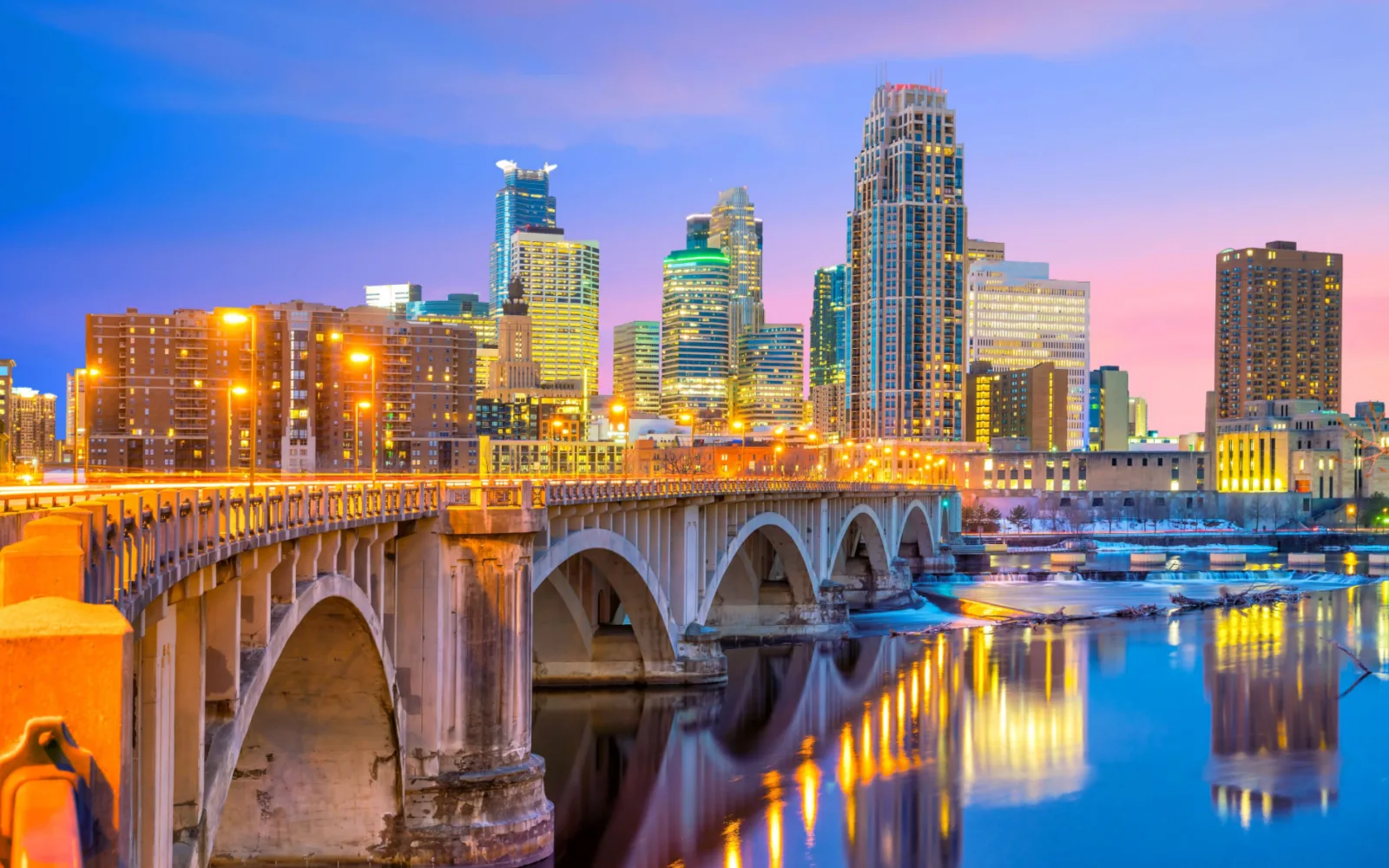
The area around the University of Minnesota, including the historic DinkyTown commercial district, is a lively college town environment. While generally safe, like any university area, it can experience typical student-related minor crimes. Visitors should be aware of their surroundings, especially late at night. The Stone Arch Bridge, offering stunning views of the Minneapolis skyline and St. Anthony Falls on the Mississippi River, is a popular and very safe attraction, connecting downtown to the university area. The Mill City Museum is also located in this historically significant and safe riverfront area.
Areas to Exercise Caution
While specific “no-go” zones are not typically advised for tourists, it’s wise to be extra cautious in isolated areas, particularly after dark. As with any city, crime can occur, and it’s always best to stick to well-lit, populated streets. If venturing off the main tourist paths, do so during the day, and be aware of your surroundings. Utilizing local advice or hotel staff recommendations for specific areas can be very helpful.
Practical Tips for a Safe and Enjoyable Minneapolis Trip
A great trip often hinges on feeling secure and prepared. Here are practical tips to enhance your safety and overall experience in Minneapolis, integrating aspects of accommodation, transportation, and general awareness.
General Awareness and Personal Safety
- Situational Awareness: Always be aware of your surroundings. Avoid distractions like constantly looking at your phone, especially when walking alone or in busy areas.
- Trust Your Instincts: If a situation or area feels unsafe, remove yourself from it.
- Valuables: Keep valuables out of sight. Don’t flash large amounts of cash or expensive jewelry. Use hotel safes for passports, extra cash, and non-essential items. Carry only what you need for the day.
- Nighttime Safety: If you’re out at night, stick to well-lit, populated streets. Avoid walking alone in isolated areas. Consider taking a taxi or ride-sharing service, even for short distances.
- Alcohol Consumption: Drink responsibly. Excessive alcohol consumption can impair judgment and make you a target. Never leave drinks unattended.
- Emergency Contacts: Program local emergency numbers (911 in the United States) into your phone. Share your itinerary with a trusted friend or family member.
Transportation Safety
Minneapolis offers various transportation options, and choosing wisely contributes to your safety.
- Public Transit (Metro Transit): The city’s bus and light rail systems (Blue and Green Lines) are generally safe during daylight and early evening hours, especially for popular routes to attractions like the Mall of America or Downtown Minneapolis. However, like any public transport system, exercising caution late at night is advisable. Keep belongings close and be aware of who is around you.
- Ride-Sharing & Taxis: Services like Uber and Lyft are widely available and can be a safe and convenient option, especially at night or when traveling with luggage. Always confirm the driver’s identity and vehicle details before getting in. Traditional taxis are also readily available from hotels and major transport hubs.
- Walking & Biking: Minneapolis is a very walkable and bike-friendly city, especially around the lakes and parks. Use designated bike paths and sidewalks. Be visible if biking at dawn, dusk, or night (lights are essential). Pay attention to traffic signals and pedestrian crossings.

Accommodation Choices and Safety
The location and reputation of your accommodation play a significant role in your overall safety.
- Reputable Hotels: Opt for well-known hotels or reputable vacation rentals in established neighborhoods. Hotels like the JW Marriott Minneapolis Mall of America or the Hyatt Regency Minneapolis offer secure environments with amenities like 24-hour reception and security.
- Read Reviews: Before booking, check recent reviews from other travelers, specifically looking for comments related to safety, neighborhood feel, and overall security.
- Hotel Security: Utilize in-room safes. Keep your door locked and use the deadbolt. Avoid opening your door to unexpected visitors.
- Neighborhood Research: When considering an apartment or villa rental, research the specific neighborhood to understand its safety profile, especially if it’s not a primary tourist area.
Health and Environmental Safety
- Weather Preparedness: Minneapolis experiences distinct seasons. Summers can be hot and humid with occasional severe thunderstorms, while winters are very cold with heavy snow. Dress appropriately, check forecasts, and be aware of weather alerts.
- Hydration & Sun Protection: During warmer months, stay hydrated and use sunscreen, especially when enjoying outdoor activities around the lakes.
- Medical Facilities: Rest assured that Minneapolis has excellent medical facilities and hospitals in case of an emergency. Travelers should consider purchasing travel insurance.
By following these practical tips, you can significantly enhance your safety and fully immerse yourself in the rich experiences Minneapolis has to offer, from its cultural landmarks to its natural beauty.
Minneapolis Tourism and Lifestyle: Safety for Every Traveler
Minneapolis caters to a wide array of travel styles and preferences, and safety considerations can subtly shift based on whether you’re traveling solo, with family, on a budget, or seeking luxury. Understanding how safety intersects with these different travel lifestyles ensures a more tailored and secure experience.
Family Travel: Focus on Fun and Security
For families, safety is paramount. Minneapolis is generally a family-friendly city, with many attractions designed to entertain all ages in secure environments.
- Attractions: The Mall of America (technically in Bloomington, but a major draw for Minneapolis visitors) is a self-contained, highly secure environment perfect for families, offering shopping, dining, and attractions like Nickelodeon Universe. Minnehaha Park and the Chain of Lakes provide safe outdoor spaces for recreation. The Como Park Zoo and Conservatory (located in neighboring St. Paul) is another excellent, safe option for a family outing.
- Accommodation: Many hotels in Downtown Minneapolis and near the Mall of America offer family-friendly amenities and robust security. Always check if the hotel has internal corridors, limited access points, and good lighting.
- Activities: Consider daytime museum visits (like the Minneapolis Institute of Art (MIA))) or excursions to the Walker Art Center, which offer cultural enrichment in safe settings.
Solo Travelers: Empowering Independent Exploration
Solo travel requires a heightened sense of awareness, and Minneapolis can be a rewarding destination for those exploring alone with appropriate precautions.
- Nightlife and Dining: When enjoying the nightlife in areas like Uptown or Northeast Minneapolis, inform someone of your plans. Stick to reputable establishments and consider going with a group if possible. Use ride-sharing services for late-night returns.
- Navigation: Carry a fully charged phone with maps. Share your location with a trusted contact. Avoid isolated parks or trails after dark.
- Socializing: Hostels or hotel common areas can be good places to meet other travelers if you’re looking for company for outings.
Budget Travel: Smart Choices for Affordability and Safety
Budget travelers can find safe and affordable options in Minneapolis without compromising on security.
- Accommodation: Look for well-reviewed budget hotels or guesthouses in established neighborhoods, rather than opting for the absolute cheapest option in an unknown area. Researching neighborhoods for safety, as discussed earlier, is crucial.
- Free Attractions: Many of Minneapolis’s safest and most beautiful attractions are free, such as walking across the Stone Arch Bridge, exploring the Chain of Lakes, or visiting parts of the Mississippi River waterfront.
- Food: Enjoy diverse and affordable cuisine safely by visiting popular areas like Eat Street during peak hours.
Luxury Travel: Expecting Seamless Security
Travelers seeking luxury experiences in Minneapolis can expect high levels of security and service.
- High-End Accommodation: Luxury hotels like the Hyatt Regency Minneapolis or others in Downtown Minneapolis and near major attractions typically offer superior security features, including concierge services, secure parking, and controlled access.
- Exclusive Experiences: Whether it’s fine dining, private tours, or upscale shopping, these experiences are generally conducted in secure environments.
- Transportation: Private car services arranged through your hotel offer the highest level of convenience and security.
Exploring Local Culture and Food Safely
Minneapolis’s rich local culture and diverse food scene are highlights of any visit.
- Farmers Markets: Visiting local farmers’ markets, like those near the Mill City Museum, is a safe and delightful way to experience local life.
- Neighborhood Dining: Explore culinary gems in neighborhoods like DinkyTown or Northeast Minneapolis during busy hours.
- Cultural Events: Attend concerts, festivals, or theater performances. Venues usually have security measures in place, and crowds generally contribute to a feeling of safety.
By considering these tailored safety approaches, every traveler can confidently engage with the vibrant Minneapolis lifestyle and create memorable experiences that are both enriching and secure.
Conclusion: Experiencing Minneapolis Safely and Confidently
The question “Is Minneapolis safe?” is a valid and important one for any prospective traveler. While no urban center is entirely free of risks, the overall picture for Minneapolis is one of a welcoming and largely secure destination, especially for those who exercise common sense and adhere to standard travel safety practices.
As we’ve explored, understanding the city’s various neighborhoods, from the bustling Downtown Minneapolis with its iconic Nicollet Mall and sports arenas like Target Field to the serene beauty of the Chain of Lakes and the artistic vibrancy of Northeast Minneapolis, is key to navigating the city confidently. Tourist hotspots and well-trafficked areas are generally well-patrolled and safe, while specific precautions are advisable when venturing into quieter zones, especially after dark.
Practical advice, such as maintaining situational awareness, securing valuables, making informed choices about transportation, and selecting reputable accommodation (whether it’s the Hyatt Regency Minneapolis or a cozy guesthouse), significantly enhances personal safety. Moreover, understanding how safety considerations might differ for family trips, solo adventures, budget-conscious journeys, or luxury escapes allows for a more tailored and secure travel plan.
Minneapolis offers a wealth of experiences, from exploring world-class museums like the Minneapolis Institute of Art (MIA)) and the Walker Art Center to enjoying outdoor activities along the Mississippi River at the Stone Arch Bridge and Minnehaha Falls. The city’s rich local culture, diverse culinary scene (Eat Street, DinkyTown), and vibrant entertainment options are all within reach for the prepared traveler.
Ultimately, with thoughtful planning and a vigilant mindset, visitors can confidently explore and enjoy the unique charm and dynamic offerings of Minneapolis. By focusing on safe practices and leveraging the resources available, your trip to this beautiful Minnesota city is poised to be an unforgettable and secure adventure.
LifeOutOfTheBox is a participant in the Amazon Services LLC Associates Program, an affiliate advertising program designed to provide a means for sites to earn advertising fees by advertising and linking to Amazon.com. Amazon, the Amazon logo, AmazonSupply, and the AmazonSupply logo are trademarks of Amazon.com, Inc. or its affiliates. As an Amazon Associate we earn affiliate commissions from qualifying purchases.