
Montana, often referred to as the “Treasure State,” evokes images of majestic mountains, sweeping plains, and untamed wilderness. But beyond its breathtaking landscapes, the question “What time in Montana?” extends far beyond a simple clock reading. It delves into the rhythms of travel, the optimal seasons for exploration, and the myriad ways to make the most of your moments in this vast and captivating state. For anyone planning a journey, understanding not just the literal time, but also the experiential “time” of Montana, is crucial to unlocking an unforgettable adventure. Whether you’re seeking high-octane outdoor pursuits, tranquil natural escapes, cultural immersion, or luxurious accommodation, Montana offers a timeless experience tailored to every traveler.
Understanding Montana’s Time Zone: Mountain Time
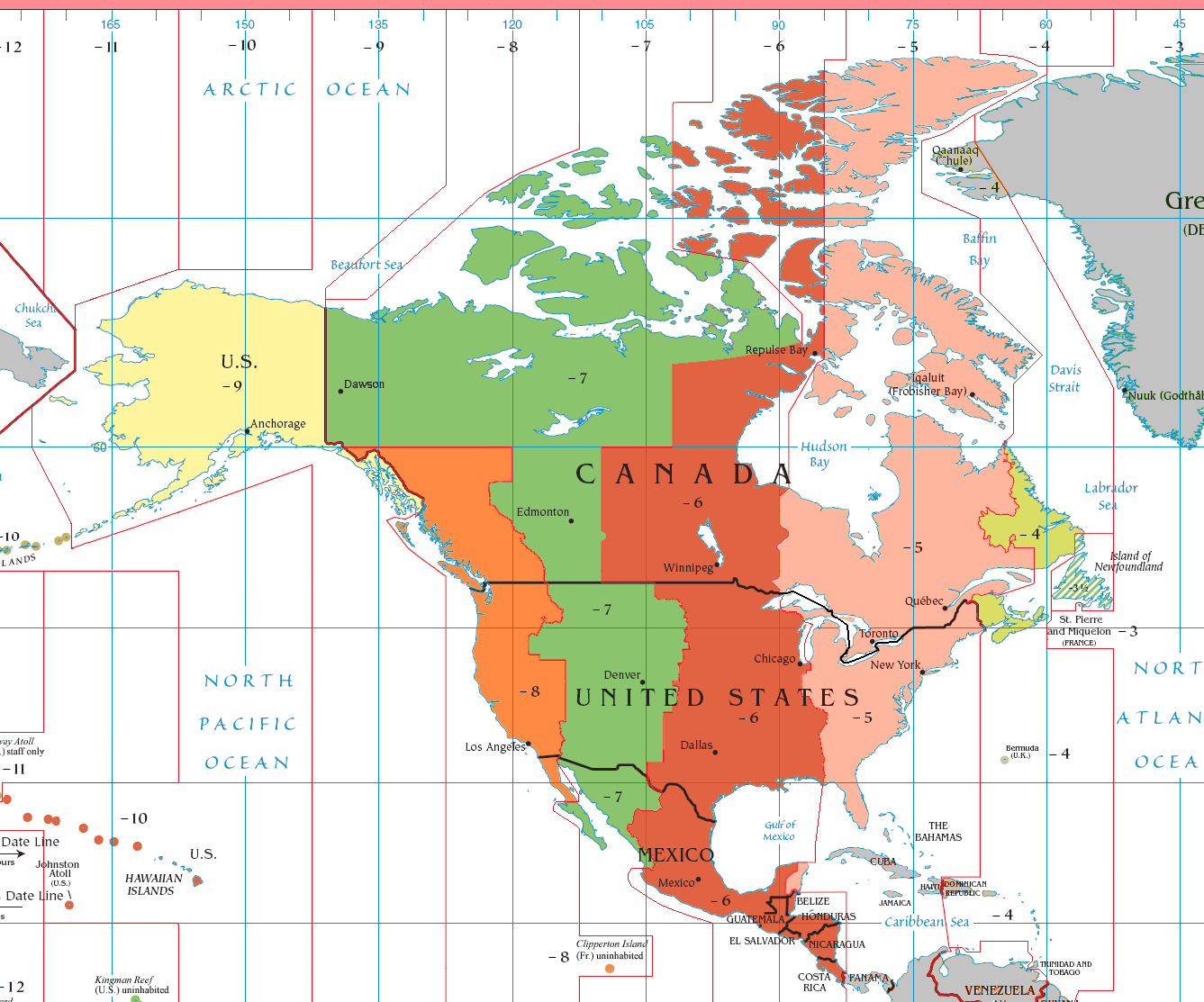
At a foundational level, answering “What time in Montana?” requires acknowledging its geographical position within the Mountain Time Zone (MT). This means Montana is typically two hours behind the Eastern Time Zone (ET) and one hour ahead of the Pacific Time Zone (PT). For travelers arriving from different parts of the United States or international destinations, this time difference is a primary consideration for planning flights, scheduling activities, and communicating with those back home.
Navigating Daylight Saving Time
Like most of the United States, Montana observes Daylight Saving Time (DST). This means that on the second Sunday in March, clocks “spring forward” one hour, moving from Mountain Standard Time (MST) to Mountain Daylight Time (MDT). Then, on the first Sunday in November, they “fall back” an hour, returning to MST. This adjustment impacts sunrise and sunset times, affecting travel plans, particularly for those who prioritize daylight hours for outdoor activities or prefer to drive during illuminated periods. For instance, during MDT, evenings remain brighter longer, perfect for extended hikes or leisurely dinners under the fading light, while early mornings might feel a bit darker. Conversely, during MST, the days are shorter, ideal for cozy evenings by a fire after a day on the slopes or a wildlife viewing excursion.
Practical Implications for Travelers
Understanding Montana’s time zone and its observance of Daylight Saving Time is more than just a trivial detail; it has tangible impacts on your travel experience. When booking flights, ensure you’re aware of arrival and departure times in local MT. If you’re coordinating with tour operators for excursions in Glacier National Park or Yellowstone National Park, verify their operating hours in MT. Similarly, if you’re planning to call home or manage work commitments remotely, remember to factor in the time difference. Adjusting to a new time zone can also cause temporary fatigue, often referred to as jet lag, which can impact your initial days of exploration. Building in some buffer time upon arrival, especially if you’re flying in from distant time zones, allows for proper rest and acclimatization, ensuring you’re refreshed and ready to immerse yourself in all that Montana has to offer.
When is the Best Time to Visit Montana?
Beyond the literal clock, “What time in Montana?” also refers to the optimal season for your visit, a crucial aspect for any discerning traveler. Montana’s diverse climate and landscape offer distinct experiences throughout the year, catering to a wide array of interests from adventure seekers to those looking for serene relaxation. The decision of when to visit largely hinges on the type of activities you wish to pursue and the kind of atmosphere you prefer.
Summer Adventures: Glacier National Park and Yellowstone National Park
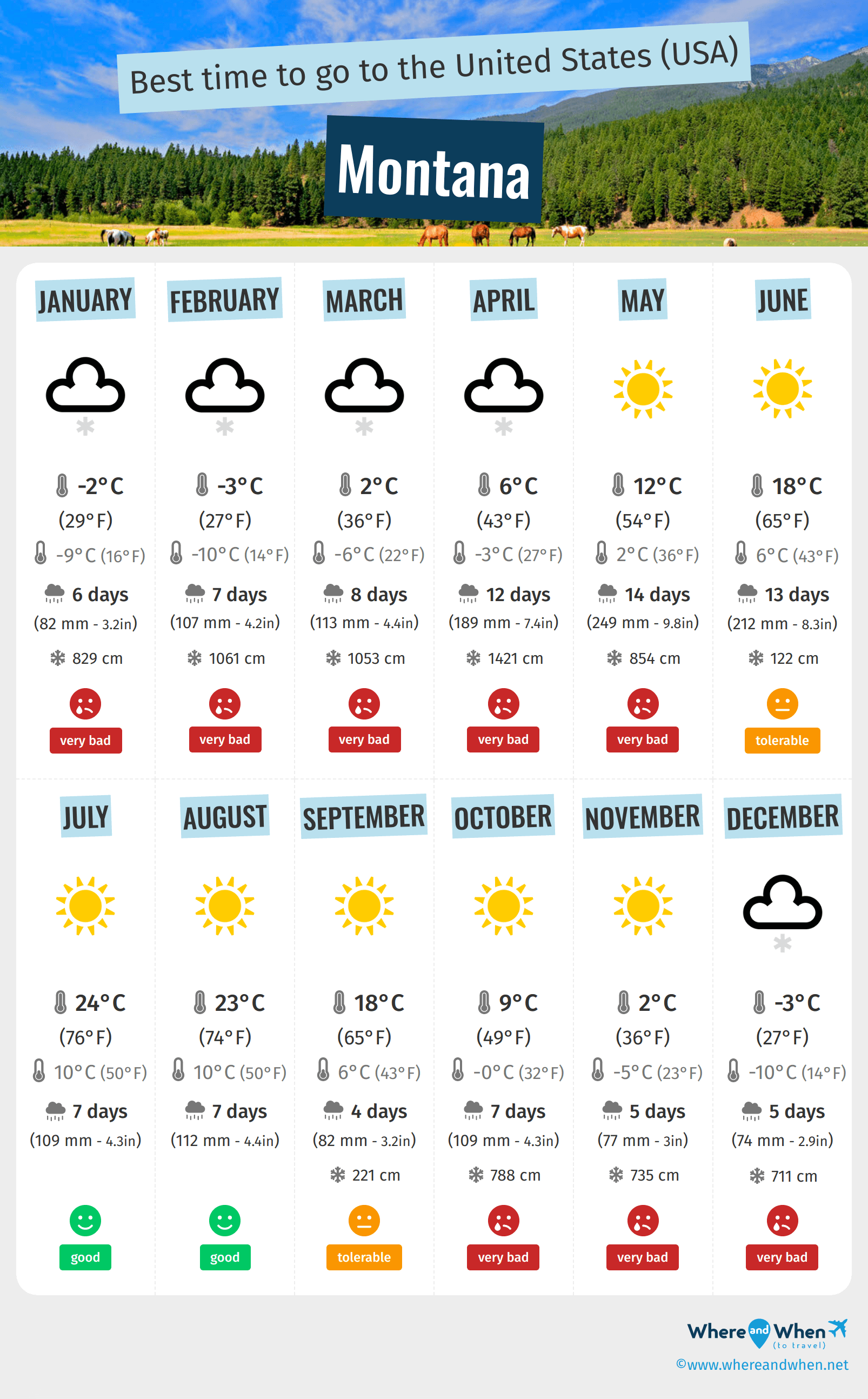
For many, summer (June through August) is the quintessential time to experience Montana. With warm, sunny days and comfortable evenings, it’s prime time for exploring the state’s iconic national parks. Glacier National Park, often called the “Crown of the Continent,” fully opens its famed Going-to-the-Sun Road by late June or early July, offering unparalleled scenic drives and access to countless hiking trails. Visitors can embark on challenging backcountry treks, serene boat tours on Lake McDonald or Many Glacier, or witness abundant wildlife. Similarly, the Montana sections of Yellowstone National Park, including the Gardiner and West Yellowstone entrances, buzz with activity. This season is ideal for fly-fishing in world-renowned rivers like the Gallatin and Madison, whitewater rafting, mountain biking, and camping under star-studded skies. However, summer also brings the largest crowds and higher prices for accommodation and activities, necessitating advance booking, especially for popular spots like Many Glacier Hotel or Lake McDonald Lodge.
Autumn’s Golden Hues: Big Sky and Scenic Drives
As September ushers in autumn, Montana transforms into a palette of vibrant gold, crimson, and orange. This “shoulder season” (September through October) offers a unique charm with cooler temperatures, fewer crowds, and stunning photographic opportunities. It’s an excellent time for scenic drives through regions like Big Sky and the Bitterroot Valley, where larch trees turn a brilliant yellow, creating breathtaking landscapes. Hiking remains popular, with crisp air enhancing the experience, and wildlife, particularly elk, become more active and vocal during their rutting season. Fishing is still excellent, with fewer people on the rivers. Many tourist services remain open, but some might begin to scale back towards late October, making it a perfect time for travelers seeking a quieter, more contemplative experience without the summer rush.
Winter Wonderland: Skiing and Cozy Retreats
From November to March, Montana becomes a winter wonderland, attracting skiers, snowboarders, and those seeking cozy, snow-dusted retreats. Premier ski resorts like Big Sky Resort, Whitefish Mountain Resort, and Bridger Bowl offer world-class slopes, deep powder, and stunning views. Beyond downhill skiing, visitors can enjoy cross-country skiing, snowshoeing, ice skating, dog sledding, and snowmobiling. Winter is also a magical time to experience Yellowstone National Park via snowcoach or snowmobile, with steam rising dramatically from geysers against a snowy backdrop and abundant wildlife viewing opportunities. Many luxury ranches and resorts, such as The Resort at Paws Up or Lone Mountain Ranch, offer exclusive winter packages, providing a blend of adventure and opulent comfort.
Spring’s Awakening: Wildlife and Less Crowds
Spring (April to May) in Montana is a time of renewal and awakening, characterized by melting snow, rushing rivers, and emerging wildflowers. This season offers a more relaxed pace of travel and excellent value on accommodation. It’s a prime time for wildlife viewing, as animals are active after winter and newborns begin to appear. Birdwatching is exceptional, with migratory species returning. While some higher elevation trails may still be snow-covered, lower elevation hikes become accessible. River flows are strong, ideal for early-season rafting, though cold water precautions are essential. Yellowstone National Park starts to reopen its roads in phases, offering unique opportunities to see bison calves and elk. However, spring weather can be unpredictable, with a mix of sunshine, rain, and even late-season snow, so travelers should pack layers and be prepared for varied conditions.
Making the Most of Your Time: Top Destinations and Experiences
To truly answer “What time in Montana?” one must consider how to best invest your precious hours in exploring its diverse offerings. From majestic natural landmarks to vibrant urban centers and unique cultural experiences, Montana presents a tapestry of adventures for every kind of traveler.
Iconic Landmarks and Natural Wonders
Montana’s landscape is dotted with awe-inspiring landmarks that demand your time and attention. Foremost among them are Glacier National Park and the Montana sections of Yellowstone National Park. In Glacier, a drive along the engineering marvel that is the Going-to-the-Sun Road is an absolute must, offering access to glacial valleys, pristine lakes like Lake McDonald, and cascading waterfalls. Hiking opportunities abound, from easy strolls to challenging climbs that reward with panoramic views. For a historic stay, consider the Many Glacier Hotel, nestled amidst stunning peaks. Yellowstone National Park provides an unparalleled showcase of geothermal activity, including geysers and hot springs, alongside a rich display of wildlife, particularly around Lamar Valley.
Beyond the national parks, Flathead Lake, the largest freshwater lake west of the Mississippi, offers opportunities for boating, fishing, and cherry picking in season. The Lewis and Clark Caverns State Park provides a fascinating underground exploration, while the scenic Gates of the Mountains Wilderness, named by the famous explorers themselves, offers boat tours through towering limestone cliffs. For those seeking a taste of the Old West, a visit to Virginia City and Nevada City, two meticulously preserved ghost towns, transports visitors back to the gold rush era.
Cities and Culture: Bozeman, Missoula, and Helena
Montana’s cities, while smaller than major metropolitan hubs, offer vibrant cultural scenes, excellent dining, and access points to outdoor adventures. Bozeman is a rapidly growing hub known for its proximity to Yellowstone and Big Sky, a thriving downtown, and the Museum of the Rockies, famous for its dinosaur fossils. Its dynamic energy is palpable, with a blend of outdoor enthusiasts, tech professionals, and university students contributing to a lively atmosphere. Accommodation options range from boutique hotels like the Kimpton Armory Hotel Bozeman to charming vacation rentals.
Missoula, home to the University of Montana, boasts a vibrant arts scene, numerous breweries, and a laid-back, progressive vibe. It’s an excellent base for exploring the Bitterroot Valley and enjoying river activities on the Clark Fork and Blackfoot Rivers. The city is rich in local culture, with a strong emphasis on outdoor recreation and community events.
Helena, the state capital, offers a blend of history and charm, with its historic Last Chance Gulch pedestrian mall and the magnificent State Capitol Building. It provides a deeper dive into Montana’s past, from its gold mining origins to its political present. Other notable cities include Kalispell, a gateway to Glacier National Park and Flathead Lake, and Billings, the state’s largest city, offering urban amenities and proximity to Pictograph Cave State Park and the Yellowstone River. Luxury accommodations like The Northern Hotel in Billings provide a comfortable base for exploring Eastern Montana.
Unique Accommodation: From Luxury Resorts to Rustic Cabins
Montana’s commitment to offering diverse experiences extends to its accommodation options. Travelers can choose from ultra-luxury resorts and dude ranches that redefine hospitality, like The Resort at Paws Up or Lone Mountain Ranch, offering glamping tents, private homes, and a plethora of activities from horseback riding to gourmet dining. These establishments provide a luxurious lifestyle experience amidst rugged wilderness.
Alternatively, boutique hotels in charming towns like Whitefish offer personalized service and local flair. For those seeking a more immersive nature experience, rustic cabins and vacation rentals near national parks or alongside serene rivers provide comfort and privacy, perfect for family trips or romantic getaways. Budget-conscious travelers will find a range of motels and campgrounds, especially in the summer months. Whether it’s a historic lodge within Glacier National Park or a modern apartment in Missoula, Montana ensures your stay is as memorable as your adventures.
Planning Your Montana Journey: Accommodation and Lifestyle Choices
Effectively planning your time in Montana involves strategic decisions about accommodation and aligning your travel style with the experiences the state offers. The vastness of Montana means that your choice of lodging can significantly influence your daily itinerary and overall satisfaction.
Choosing Your Stay: Hotels, Resorts, and Vacation Rentals
When considering “What time in Montana?” from an accommodation perspective, it’s about choosing the right base for your adventures. For those prioritizing convenience and amenities, hotels in cities like Bozeman or Kalispell offer easy access to restaurants, shops, and tour operators. Resorts, particularly those near ski areas like Big Sky Resort or in scenic locales, provide a comprehensive experience with on-site dining, spas, and organized activities, making them ideal for those who prefer a resort lifestyle.
Vacation rentals, including apartments, cabins, and villas, are increasingly popular, offering more space, privacy, and the flexibility of self-catering. These are excellent choices for families, groups, or long-term stays, allowing for a more authentic immersion into local life. Booking in advance is highly recommended, especially during peak seasons (summer and winter holidays), as popular options can fill up quickly. Utilizing online booking platforms and comparison sites can help you find the best deals and secure your preferred type of lodging.

Budget to Luxury: Tailoring Your Montana Experience
Montana caters to a spectrum of travel budgets and lifestyle preferences. At the pinnacle of luxury, guests can indulge in exclusive experiences at properties like The Resort at Paws Up or Lone Mountain Ranch, where opulent lodging is complemented by gourmet dining, bespoke activities, and unparalleled service. These all-inclusive ranches offer a glimpse into a high-end Montana lifestyle, perfect for those seeking an indulgent escape.
Mid-range options include comfortable hotels in urban centers, charming bed-and-breakfasts, and well-appointed vacation rentals that provide excellent value without compromising on quality. For budget travelers, numerous campgrounds, hostels, and motels offer affordable alternatives, especially if the focus is primarily on outdoor exploration rather than lavish stays. Planning your trip during the shoulder seasons (spring and fall) can also significantly reduce costs on accommodation and flights, offering a more budget-friendly approach to experiencing the state’s beauty.
Family Adventures and Romantic Getaways
Montana’s diverse offerings make it an ideal destination for both family adventures and romantic getaways. Families will find endless activities, from exploring dinosaur exhibits at the Museum of the Rockies in Bozeman to wildlife spotting in Yellowstone National Park, and guided horseback riding tours. Many resorts and ranches offer kid-friendly programs, ensuring entertainment for all ages.
For couples seeking romance, a secluded cabin by a serene lake, a luxury glamping experience under the stars, or a stay at a historic lodge provides the perfect backdrop. Fine dining experiences in Missoula or Whitefish, scenic drives through breathtaking landscapes, and couples’ spa treatments at high-end resorts add layers of intimacy and relaxation to the journey. Ultimately, “What time in Montana?” is about crafting a personalized itinerary that aligns with your desires, whether that’s an action-packed family vacation or a tranquil escape for two.
In conclusion, the question “What time in Montana?” is an invitation to explore the state’s literal time zone, its seasonal rhythms, and the myriad experiences it offers. From managing the Mountain Time Zone and Daylight Saving Time to strategically choosing the best season for your visit, every aspect contributes to a well-planned itinerary. Whether you are drawn to the rugged beauty of Glacier National Park in summer, the golden tranquility of autumn in Big Sky, the snowy slopes of winter, or the vibrant reawakening of spring, Montana promises a profound connection with nature and a wealth of cultural discoveries. By aligning your travel goals with Montana’s unique offerings, you ensure that every moment spent in this magnificent state is truly time well-invested, leading to memories that will last a lifetime.
LifeOutOfTheBox is a participant in the Amazon Services LLC Associates Program, an affiliate advertising program designed to provide a means for sites to earn advertising fees by advertising and linking to Amazon.com. Amazon, the Amazon logo, AmazonSupply, and the AmazonSupply logo are trademarks of Amazon.com, Inc. or its affiliates. As an Amazon Associate we earn affiliate commissions from qualifying purchases.