
Nestled within the vast expanse of the American West, Montana conjures images of majestic mountains, pristine national parks, and rugged individualists. While its western half, home to the iconic Glacier National Park and vibrant cities like Missoula and Bozeman, draws millions of visitors annually, the eastern two-thirds of the state tells a dramatically different story. Often dubbed the “Big Empty” or “Eastern Montana,” this immense region is startlingly devoid of human presence, a place where the horizon stretches endlessly, and silence often reigns supreme. For those accustomed to the bustling metropolises and well-trodden tourist paths of the United States, the apparent “uninhabited” nature of Eastern Montana can be perplexing.
The perception of Eastern Montana as uninhabited isn’t entirely accurate – there are towns, ranches, and communities, albeit sparse ones. What makes it feel uninhabited is its incredibly low population density, contrasting sharply with the global trend of urbanization. This vast wilderness, larger than many European countries, offers a unique blend of challenging landscapes, economic realities, and a distinct way of life that ultimately shapes its demographic patterns. Understanding why so few people call this part of the world home requires a deeper dive into its geography, climate, economic structure, and the very specific appeal (and deterrents) it presents to those seeking a travel destination or a place to settle down. For a website dedicated to travel, hotels, tourism, and lifestyle, exploring Eastern Montana offers a fascinating study in contrast – a destination less about luxury resorts and crowded attractions, and more about raw nature, self-reliance, and a profound sense of solitude.

The Vast, Untamed Landscape: A Double-Edged Sword
The primary reason for Eastern Montana’s sparse population lies in its formidable natural environment. It’s a land of extremes, where the beauty is breathtaking, but the challenges are equally immense. This geographical grandeur, while offering unparalleled experiences for certain types of travelers, also presents significant hurdles for permanent settlement and the development of extensive infrastructure.
Geographical Grandeur and Challenges
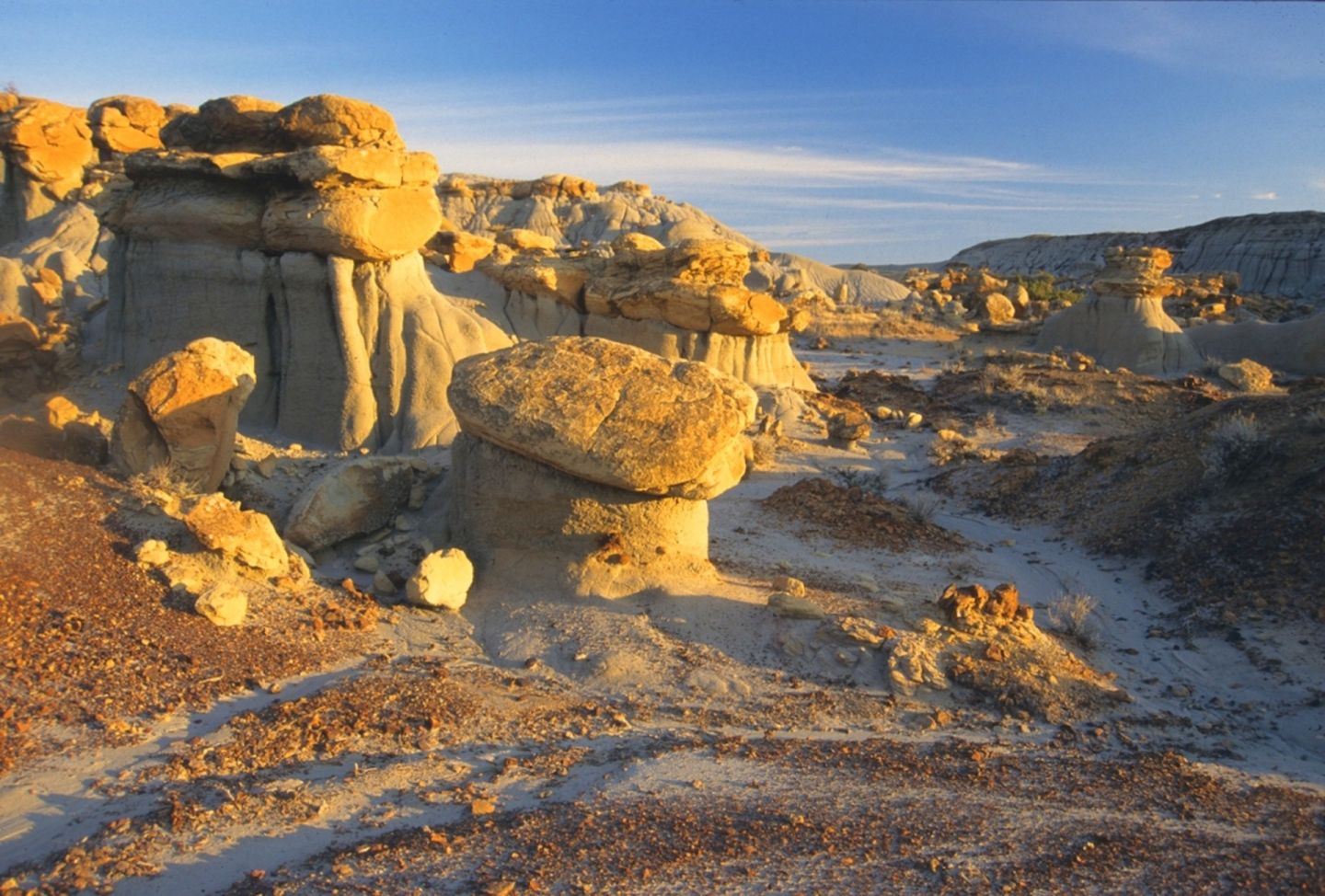
Unlike its mountainous western counterpart, Eastern Montana is predominantly characterized by the expansive Great Plains. Here, the terrain is a mosaic of rolling grasslands, dramatic badlands, and fertile river valleys carved by the Missouri River and the Yellowstone River. This landscape, while stunning, is often rugged and unforgiving. The vastness itself is a deterrent; distances between settlements are enormous, meaning basic services, healthcare, and educational institutions are few and far between.
For the intrepid traveler, these landscapes offer incredible experiences. Makoshika State Park near Glendive, for instance, is a testament to the region’s geological wonders, boasting dramatic badlands formations, fossilized dinosaur remains, and breathtaking vistas, making it a significant natural landmark. Further north, the Missouri River Breaks National Monument preserves a spectacular stretch of the Missouri River, offering opportunities for multi-day canoe trips and a glimpse into the untouched wilderness explored by Lewis and Clark. These destinations are invaluable for those seeking authentic travel experiences far from the madding crowds. However, accessing these attractions often requires significant driving, specialized equipment, and a willingness to embrace off-grid travel, which naturally limits mass tourism and, consequently, the development that often follows it.
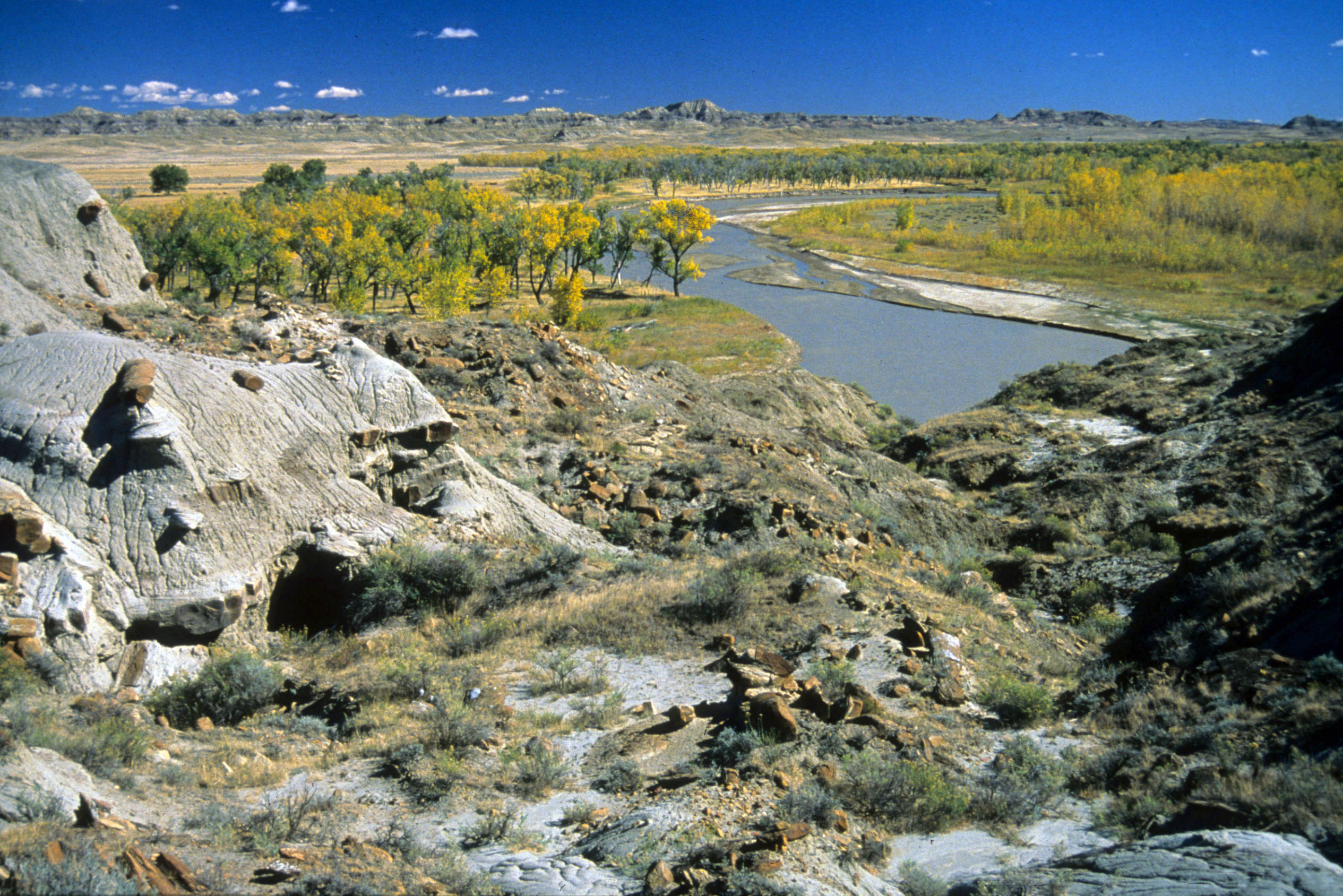
The geology of the region is also intertwined with its historical economic activities. Large deposits of coal and oil have historically drawn industries and temporary workforces, but these operations are often boom-and-bust, leaving behind little in terms of sustained population growth or diversified economies. The fertile river valleys support agriculture, primarily wheat farming and cattle ranching, but these are industries that require vast tracts of land and relatively few people. The sheer scale of operations means that farms and ranches are often isolated, with miles separating neighbors.
The Climate’s Harsh Reality
Beyond the topography, Eastern Montana’s climate presents one of the most significant challenges to sustained habitation. The region experiences extreme continental weather patterns, characterized by brutal winters and intensely hot summers. Winter temperatures can plummet far below zero, accompanied by fierce blizzards and prolonged periods of snow and ice. Summers, while beautiful, often bring scorching temperatures, strong winds, and periods of drought, posing significant challenges for agriculture and even daily life.
These climatic extremes directly impact quality of life and the economic viability of certain activities. Agriculture, the backbone of the region, is highly susceptible to drought and harsh winters, leading to economic instability for many families. For residents, coping with these conditions requires resilience, robust infrastructure (which is often lacking), and a profound understanding of the land.
From a tourism perspective, the climate dictates seasonal travel. While summer offers opportunities for hiking, fishing, and exploring the badlands, travelers must be prepared for heat and sudden thunderstorms. Winter travel, while offering stunning snowy landscapes, is only for the most adventurous, requiring careful planning for road closures and limited services. The lack of year-round temperate weather discourages the development of extensive tourism infrastructure, such as resorts or large hotels, that rely on consistent visitor flows. Accommodation options tend to be simpler, primarily roadside motels in small towns like Miles City or Sidney, rather than the luxury suites found in more temperate destinations. This lifestyle, while appealing to some, is a significant barrier for many seeking a more comfortable or predictable living environment.
Economic Realities and Limited Infrastructure
The natural characteristics of Eastern Montana are inextricably linked to its economic development and the infrastructure available to its residents and visitors. The limited population density creates a cyclical challenge: few people mean less demand for services, leading to fewer services, which in turn means fewer people are attracted to the area.
Scarcity of Modern Conveniences
One of the most immediate observations for anyone traveling through Eastern Montana is the scarcity of modern conveniences and amenities. Major retail chains are rare, and grocery stores, gas stations, and restaurants can be hundreds of miles apart. Access to healthcare is particularly challenging; small towns may have clinics, but specialized medical care often requires extensive travel to larger cities like Billings (which is technically in south-central Montana, but serves as a regional hub) or even out of state. Educational opportunities beyond elementary and high school are also limited, prompting many young people to leave the region for higher education and often not return.
For travelers, this translates into a need for meticulous planning. Road trip guides for Eastern Montana invariably emphasize carrying extra fuel, water, and emergency supplies. While this contributes to the adventurous spirit of visiting the region, it also deters casual tourists who expect readily available services. The types of hotels and accommodation options reflect this reality: think independent motels, small bed and breakfasts, or campgrounds, rather than expansive resorts or international chains. These local establishments often offer a taste of authentic Montana hospitality, but their limited numbers and amenities are a factor in the overall tourism landscape. The absence of diverse dining experiences, high-end shopping, or vibrant nightlife means that the “lifestyle” here is distinctly different from that found in urban centers or more developed tourist destinations.
Furthermore, internet and cellular service can be unreliable or nonexistent in many areas, posing challenges for both residents and visitors who rely on connectivity for work, safety, or leisure. This digital divide isolates communities further and makes it harder to attract new residents or businesses that depend on robust communications infrastructure.
Transportation and Accessibility Hurdles
The sheer scale of Eastern Montana and its low population density mean that public transportation is virtually nonexistent. Personal vehicles are a necessity, and distances between even small towns are considerable. The road network, while generally well-maintained on major highways, can be challenging on secondary and unpaved roads, especially during inclement weather. For those seeking to explore the more remote natural attractions, a four-wheel-drive vehicle is often recommended, adding another layer of logistical planning for a travel experience.
Air travel to the region is limited, with only a few small airports offering regional flights, typically connecting to larger hubs. This lack of direct accessibility from major population centers makes Eastern Montana a more difficult and time-consuming destination to reach for domestic and international travelers alike. This directly impacts tourism numbers; while budget travel is certainly possible once in the region, the initial journey can be costly and inconvenient.
The absence of a robust transportation network also hinders economic development. It makes it more expensive to transport goods to and from the region, impacting the viability of businesses and making everyday items more costly for residents. For tourism, this means that while the natural attractions are world-class, the journey to them is part of the adventure, deterring those looking for quick, hassle-free getaways. The remote nature of the region also means that while there are beautiful landscapes, they are not always easily accessible for a wide range of visitors, such as families with young children or individuals with mobility challenges, thus limiting the demographic of potential tourists.
Unearthing Eastern Montana’s Unique Allure
While the reasons for Eastern Montana’s low population are evident, it’s crucial to acknowledge that this very isolation is precisely its greatest strength for a particular niche of traveler and for those who choose to call it home. Far from being truly “uninhabited,” it is a land cherished by those who seek profound solitude, authentic outdoor experiences, and a connection to a disappearing way of life.
A Haven for Outdoor Enthusiasts and History Buffs
For the dedicated outdoor enthusiast, Eastern Montana is a treasure trove. The expansive plains and badlands are ideal for hiking, backpacking, and wildlife viewing. The region is home to an abundance of wildlife, including bison, pronghorn, deer, elk, and a myriad of bird species, making it a dream destination for photographers and nature lovers. The Charles M. Russell National Wildlife Refuge along the Missouri River is a prime example, offering unparalleled opportunities for fishing, hunting, and observing animals in their natural habitat. Fishing in the Yellowstone River or the vast Fort Peck Lake, created by the immense Fort Peck Dam (a landmark in its own right), offers world-class angling experiences. These activities are core to the travel guides and experiences one might seek in this part of the world, appealing to a lifestyle focused on adventure and the natural world.
History buffs will also find rich ground to explore. The trails of Lewis and Clark traverse this region, offering a tangible connection to early American exploration. The area also holds significant Native American history, being home to reservations like the Fort Peck Indian Reservation, the Northern Cheyenne Indian Reservation, and the Crow Indian Reservation (though the latter two extend into south-central Montana). These sites offer opportunities to learn about local culture, traditions, and the complex history of the West. Visiting these areas is an enriching tourism experience, providing insights into a culture deeply intertwined with the land. Small museums in towns like Miles City and Glendive often preserve local cowboy heritage and pioneer stories, giving visitors a glimpse into the resilient lifestyle that defines the region.
The Appeal of True Solitude
Perhaps the most compelling allure of Eastern Montana is its promise of true solitude. In an increasingly crowded and connected world, the ability to find places where one can truly be alone, under an impossibly vast sky filled with countless stars, is a rare commodity. This region offers precisely that. For those seeking to disconnect from the digital noise, to engage in deep introspection, or simply to experience nature on its own terms, Eastern Montana is an unparalleled destination.
The profound silence, broken only by the whisper of the wind or the call of a distant bird, can be deeply restorative. This sense of peace and isolation is a luxury in itself, albeit not in the traditional sense of luxury travel with opulent resorts. Instead, the luxury here is the space, the clean air, and the overwhelming feeling of being a small part of something immense. For a website focusing on “Lifestyle,” this appeals to a specific kind of traveler – one who prioritizes experience over amenities, authenticity over convenience, and connection with nature over urban entertainment. Accommodation in such settings might mean a remote cabin rental, a tent in a designated campground, or a stay at a working ranch, offering an immersive experience that traditional hotels cannot replicate. This “big empty” is not truly empty; it is simply unburdened by human clamor, waiting for those who understand its unique value.
The Future of Eastern Montana: Preservation or Progress?
The question of why Eastern Montana is perceived as “uninhabited” ultimately leads to a consideration of its future. Will it remain a sparsely populated bastion of wilderness and a unique lifestyle, or will economic pressures and evolving societal values lead to significant changes?
The delicate balance between preserving the region’s unique character and fostering sustainable economic development is a constant challenge. Industries like agriculture and energy extraction continue to be vital, but their impact on the environment and the transient nature of their workforces mean they rarely lead to substantial, long-term population growth. Efforts to diversify the economy, particularly through niche tourism, could be a path forward. Promoting Eastern Montana as a destination for stargazing, paleontological exploration, hunting and fishing, or wilderness retreats could attract more visitors, bringing much-needed revenue to small towns and supporting local businesses. This requires careful marketing, focusing on the specific “experiences” the region offers rather than attempting to compete with more conventional “attractions.”
However, increased tourism also brings its own set of challenges, including the need for improved infrastructure, a greater variety of accommodation (from boutique hotels to eco-lodges), and careful management to prevent damage to the pristine natural environment. The goal would be to attract visitors who appreciate the region for what it is – wild, remote, and authentic – rather than those seeking amenities that fundamentally alter its character.
Ultimately, Eastern Montana stands as a powerful testament to the enduring allure of the wild. Its “uninhabited” nature is a result of a complex interplay of geography, climate, history, and economic realities. For those who seek it, this vast, silent landscape offers an unparalleled experience of freedom, beauty, and profound solitude. It remains a place where the human footprint is light, where the rhythm of nature dictates life, and where the horizon promises an endless stretch of possibility for the truly adventurous soul. It’s a destination that redefines travel, accommodation, and lifestyle, proving that sometimes, the greatest luxury is simply space and quiet. The future of Eastern Montana hinges on recognizing and valuing these inherent qualities, ensuring that its wild heart continues to beat for generations to come, whether for the few who call it home or the many who yearn to visit its quiet expanse from the far corners of Canada, Wyoming, North Dakota, and South Dakota.
LifeOutOfTheBox is a participant in the Amazon Services LLC Associates Program, an affiliate advertising program designed to provide a means for sites to earn advertising fees by advertising and linking to Amazon.com. Amazon, the Amazon logo, AmazonSupply, and the AmazonSupply logo are trademarks of Amazon.com, Inc. or its affiliates. As an Amazon Associate we earn affiliate commissions from qualifying purchases.