
Nestled along the mighty Mississippi River in the heart of Louisiana, New Orleans stands as a vibrant testament to cultural fusion, a city unlike any other in the United States. It’s a destination that tantalizes every sense, weaving together a rich tapestry of history, music, exquisite cuisine, and an unyielding spirit of celebration. For travelers seeking an experience that transcends the ordinary, New Orleans offers a profound immersion into a world where European elegance meets Caribbean vivacity, and where every street corner hums with stories waiting to be discovered.
From its legendary festivals and architectural marvels to its groundbreaking culinary scene and soulful melodies, the city’s identity is a captivating blend of influences. It’s a place where tradition is cherished, yet innovation thrives, creating a unique lifestyle that draws visitors from across the globe. Whether you’re planning a luxurious escape, an immersive cultural adventure, a family trip, or simply seeking a unique travel experience, understanding what makes New Orleans truly special is the first step towards an unforgettable journey.
A Rhythmic Soul and Unforgettable Flavors: The Heartbeat of New Orleans
The essence of New Orleans is intrinsically linked to its auditory and gustatory delights. It’s a city where music flows as freely as the river and food is celebrated as an art form, making every moment a feast for the senses.
The Melodies that Define a City: Jazz, Blues, and Beyond
New Orleans is globally recognized as the birthplace of Jazz, a revolutionary musical genre that emerged from the city’s diverse cultural melting pot at the turn of the 20th century. The intricate rhythms and soulful improvisations of Jazz are woven into the very fabric of the city, from impromptu street performances in the French Quarter to historic venues that have hosted legends. Visitors can step into Preservation Hall, an intimate, no-frills venue where traditional New Orleans Jazz continues to thrive, offering an authentic and moving experience that transports listeners back in time. The raw, emotional power of the Blues also has deep roots here, influencing countless musicians and adding another layer to the city’s rich musical heritage.
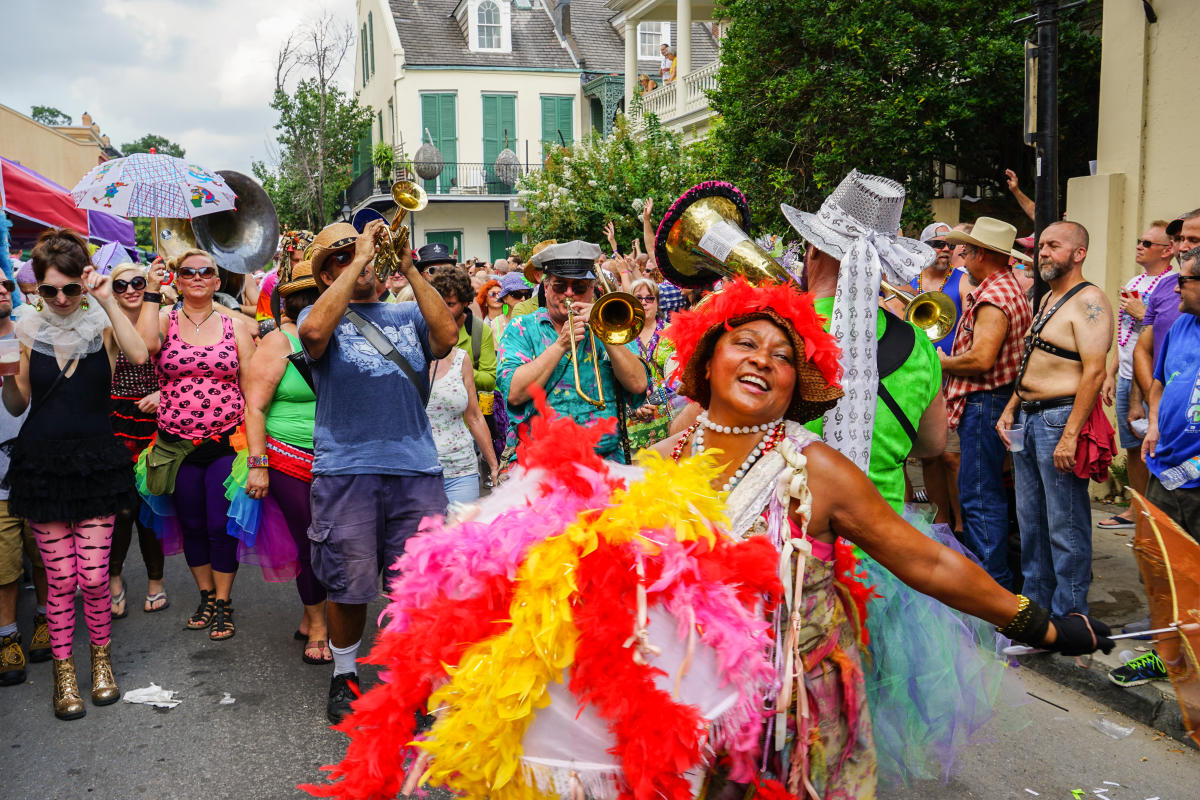
Beyond formal concerts, the streets themselves are stages. Brass bands parade spontaneously, filling the air with vibrant sounds, and local musicians set up shop on sidewalks, inviting passersby to linger and soak in the atmosphere. Areas like Congo Square in Louis Armstrong Park hold historical significance as a gathering place for enslaved Africans, where they could freely express their culture through music and dance, laying foundational rhythms for much of America’s indigenous music. The neighborhood of Treme, one of the oldest African American neighborhoods in the United States, remains a vibrant hub for this musical legacy, home to numerous musicians and second-line parades. The annual Jazz Fest (New Orleans Jazz & Heritage Festival) is a monumental celebration, attracting hundreds of thousands to revel in music, food, and local crafts, showcasing not just Jazz but a spectrum of genres that reflect the city’s diverse artistic soul.
A Culinary Journey Like No Other: Creole and Cajun Cuisine
The food scene in New Orleans is as legendary as its music, a unique fusion born from centuries of cultural mingling. Creole and Cajun cuisines, while distinct, both share a commitment to flavor, fresh ingredients, and a hearty approach to cooking. Creole cuisine, often associated with urban New Orleans, blends French, Spanish, African, and Caribbean influences, resulting in sophisticated dishes like Gumbo, Jambalaya, and Étouffée. These dishes are characterized by their rich flavors, complex roux bases, and abundant use of seafood, chicken, and sausage.
No visit to New Orleans would be complete without indulging in the city’s iconic sweet treat: Beignets. These square pieces of fried dough, generously dusted with powdered sugar, are a quintessential part of the New Orleans experience, best enjoyed with a chicory coffee at the historic Cafe Du Monde in the French Quarter. Beyond sweets, savory delights abound, from crusty Po’boy sandwiches piled high with fried shrimp or roast beef to fresh oysters served raw or chargrilled. The city boasts an array of world-renowned restaurants, offering everything from classic fine dining at establishments like Commander’s Palace, Brennan’s, Antoine’s Restaurant, and Galatoire’s to casual eateries serving up authentic local flavors. For food enthusiasts, New Orleans is a paradise, where every meal is a celebration and a dive into a rich culinary heritage, making it a prime destination for gastronomic tourism.
Iconic Districts and Historical Wonders: A Walk Through Time
The history of New Orleans is etched into its streets and architecture, inviting visitors to step back in time. From the bustling energy of its most famous district to the serene beauty of its grand avenues, the city’s landmarks tell stories of conquest, resilience, and unique cultural development.
The Enchanting French Quarter: A Living Museum
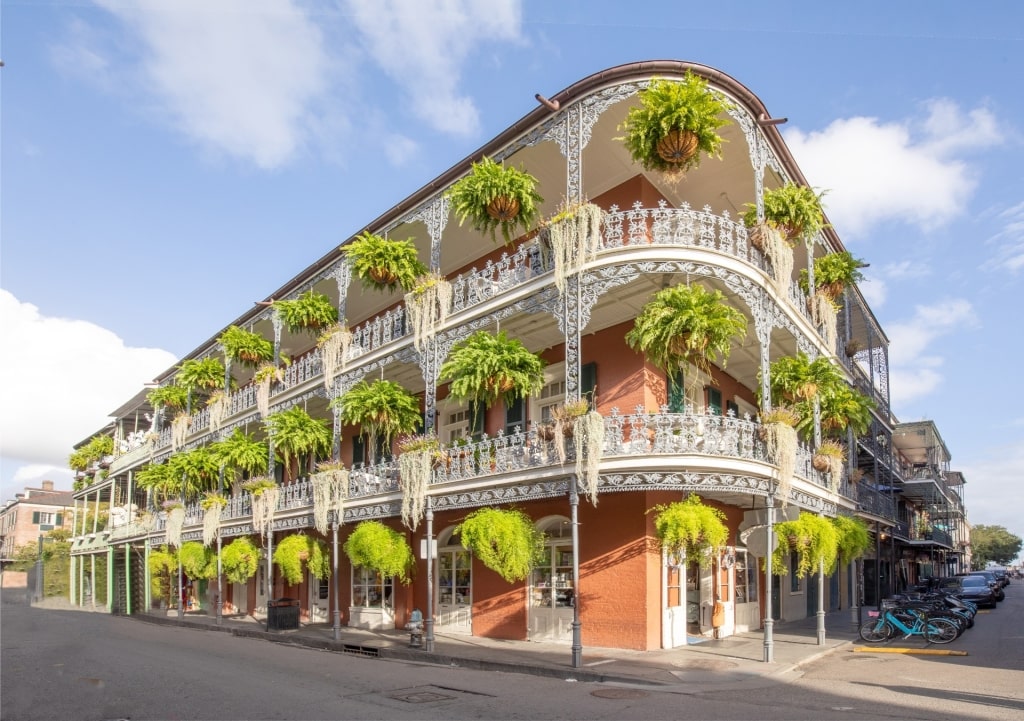
The French Quarter, also known as the Vieux Carré, is arguably the most famous and recognizable district of New Orleans. Its cobblestone streets, vibrant pastel-colored buildings, and intricate wrought-iron balconies transport visitors to another era. At its heart lies Jackson Square, a historic park dominated by the majestic St. Louis Cathedral, one of the oldest continuously active cathedrals in the United States. Surrounded by artists, street performers, and fortune tellers, Jackson Square is a constant hub of activity and a perfect spot to soak in the local atmosphere.
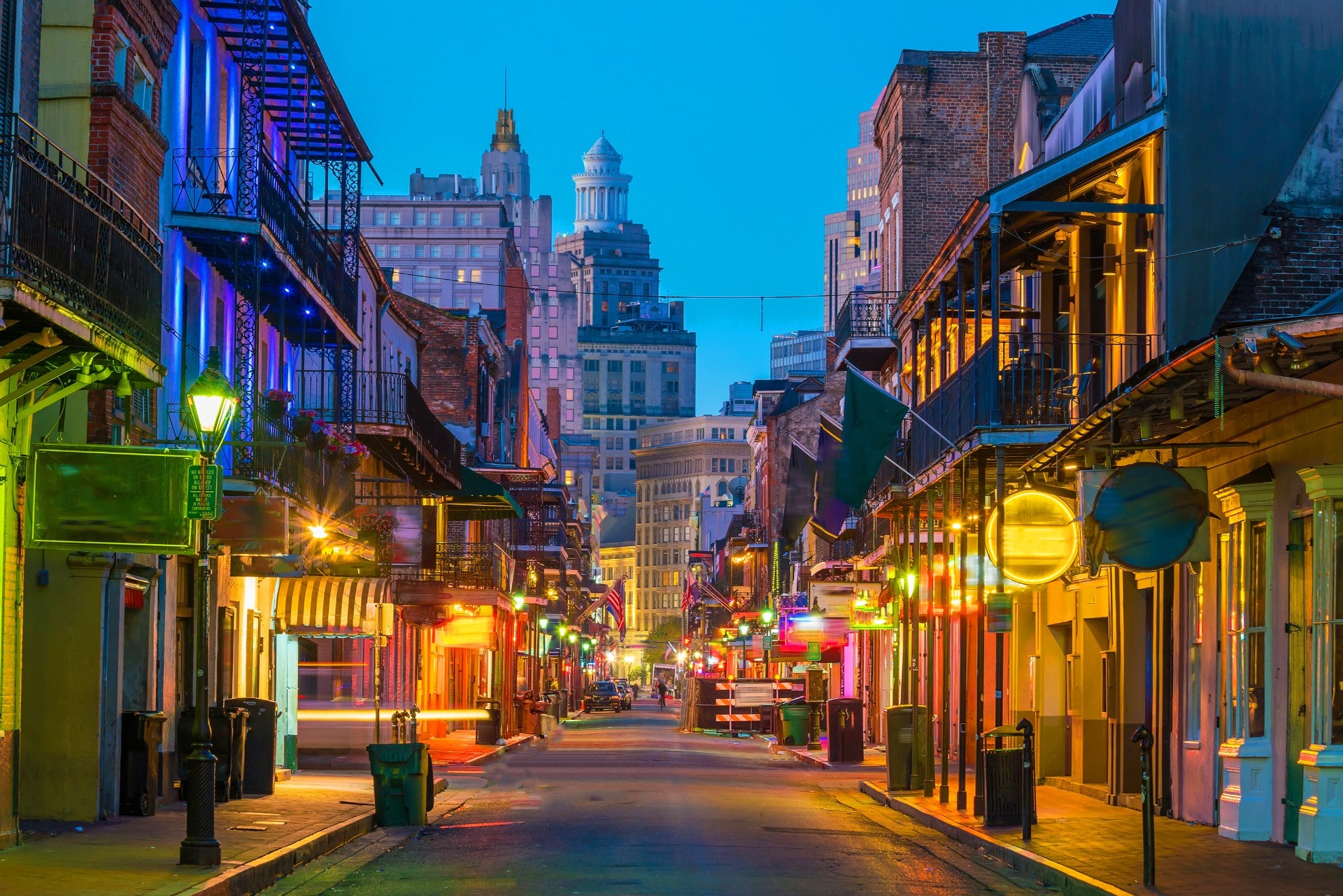
A short stroll leads to Bourbon Street, infamous for its lively nightlife, jazz clubs, and bars that pulse with energy well into the early morning. While Bourbon Street represents the city’s boisterous side, nearby Royal Street offers a more refined experience, lined with antique shops, art galleries, and upscale boutiques. The architecture throughout the French Quarter is a stunning blend of French and Spanish colonial styles, a testament to the city’s changing governance and diverse influences. Beyond the revelry, the French Quarter is steeped in history, offering myriad attractions from historic homes to hidden courtyards. A visit here is essential for understanding the unique character of New Orleans, bridging the gap between historical landmarks and an unforgettable urban experience. The proximity to the Mississippi River also allows for scenic steamboat cruises on vessels like the Steamboat Natchez, offering a different perspective of the city’s iconic skyline and riverside activity.
Beyond the Quarter: Garden District Grandeur and Voodoo Lore
While the French Quarter is famous for its vibrant street life, the Garden District offers a contrasting experience of opulent grandeur and serene beauty. Just a streetcar ride away, this historic neighborhood is renowned for its impeccably preserved 19th-century mansions, surrounded by lush gardens and ancient oak trees draped in Spanish moss. These grand homes, many of which are architectural masterpieces, provide a glimpse into the lavish lifestyle of affluent Americans who settled in New Orleans during the antebellum period. Walking tours of the Garden District are popular, offering insights into the history of its residents and the distinctive architectural styles, from Greek Revival to Italianate.
Another fascinating aspect of New Orleans’s historical landscape are its unique above-ground cemeteries. Due to the city’s high water table, residents were historically buried in ornate crypts and mausoleums, leading to “cities of the dead.” Lafayette Cemetery No. 1, nestled within the Garden District, is one of the oldest and most atmospheric. Even more famous is St. Louis Cemetery No. 1, the oldest in New Orleans, which houses the supposed tomb of Voodoo Queen Marie Laveau. Voodoo, a spiritual practice brought to New Orleans by enslaved Africans, has become an indelible part of the city’s mystical allure. While often sensationalized, authentic New Orleans Voodoo is a deeply spiritual and misunderstood religion, with its presence felt in various shops selling potions, gris-gris bags, and offering psychic readings, contributing to the city’s distinctive local culture and unique experiences.
Festivals, Festivities, and Unique Experiences: The Spirit of Celebration
New Orleans is synonymous with celebration. Its calendar is punctuated by world-famous festivals and unique traditions that reflect the city’s joyous, resilient spirit.
The Unforgettable Spectacle of Mardi Gras
When people think of New Orleans, one event instantly comes to mind: Mardi Gras. This annual carnival celebration is not just a party; it’s a profound cultural phenomenon, deeply rooted in centuries of tradition. Occurring before the Lenten season, Mardi Gras (Fat Tuesday) is the culmination of weeks of parades, balls, and festivities. Krewes, private social organizations, spend months designing elaborate floats, costumes, and throws (beads, doubloons, cups) to distribute to eager crowds lining the parade routes. The atmosphere is electric, filled with vibrant colors, music, and an undeniable sense of communal joy. While Bourbon Street often gets the spotlight for its raucous street parties, the true spirit of Mardi Gras is experienced at the family-friendly parades that roll through various neighborhoods, particularly along St. Charles Avenue. Experiencing Mardi Gras is a bucket-list item for many travelers, a testament to New Orleans’s unparalleled ability to host a grand, inclusive, and spectacular festival.
Beyond Mardi Gras, New Orleans hosts a plethora of other festivals throughout the year. The Jazz Fest (New Orleans Jazz & Heritage Festival) in spring is a massive celebration of music, food, and craft, attracting top artists and hundreds of thousands of attendees. Other notable events include the French Quarter Festival, a free, local music festival held in April, and the Voodoo Music + Arts Experience in the fall. These events showcase the city’s diverse cultural tapestry and offer unique experiences for every type of visitor, cementing New Orleans reputation as a premier destination for tourism and cultural immersion.
Embracing Local Culture and Tradition: Beyond the Mainstream
Beyond the grand festivals, the everyday lifestyle and local culture of New Orleans offer equally compelling experiences. The city’s appreciation for the arts extends to numerous art galleries, especially along Royal Street, showcasing works from local and international artists. Street art and murals also add to the city’s visual appeal, reflecting its history and vibrant contemporary scene. For those interested in deeper cultural insights, taking a guided ghost or Voodoo tour can illuminate the darker, more mystical aspects of the city’s past, revealing fascinating folklore and historical anecdotes.
Learning about the unique history of the United States’s involvement in WWII is possible at The National WWII Museum, offering a profound and moving experience for history buffs. Families traveling with children will find plenty to do, from exploring the natural wonders at the Audubon Aquarium of the Americas and the Audubon Zoo to enjoying the expansive green spaces and attractions of City Park, which also houses the New Orleans Museum of Art. Engaging with local artists, participating in cooking classes to learn Creole or Cajun techniques, or simply striking up a conversation with a local in a neighborhood bar can provide invaluable insights into the relaxed, yet passionate, New Orleans lifestyle. The city encourages slow travel, allowing visitors to truly absorb its rhythm and charm, making it an ideal destination for those who wish to experience a destination rather than just see it.
Planning Your New Orleans Adventure: Practicalities for an Unforgettable Trip
A visit to New Orleans requires careful planning to maximize the experience, especially considering the diverse range of accommodation options and travel styles the city accommodates.
Where to Stay: Hotels and Accommodation for Every Lifestyle
New Orleans offers a vast array of accommodation options to suit every budget and preference, from luxurious resorts to charming boutique hotels and budget-friendly guesthouses. For those seeking a truly immersive experience, staying in a historic hotel within the French Quarter is highly recommended. These establishments, often housed in beautifully restored buildings, offer a glimpse into the city’s past while providing modern amenities. The Hotel Monteleone, with its iconic Carousel Bar, is a prime example of a landmark hotel offering a blend of luxury and history.
Outside the French Quarter, areas like the Garden District boast elegant bed and breakfasts and upscale apartments, perfect for those seeking a quieter, more residential feel. The Central Business District (CBD) offers modern hotels and corporate apartments, ideal for business travelers or those attending conventions, while still providing easy access to attractions. For budget travelers or those planning a longer stay, vacation rentals and hostels are available, offering a more independent and cost-effective accommodation solution. When booking, consider the time of year, especially if you plan to visit during major festivals like Mardi Gras or Jazz Fest, as prices can soar and availability becomes scarce. Utilizing comparison websites and reading reviews can help ensure you find the perfect fit for your travel style and budget.
Navigating the City and Making the Most of Your Trip
Getting around New Orleans is relatively easy, particularly in the compact historic districts. Walking is often the best way to explore the French Quarter, allowing you to appreciate the intricate architecture and soak in the atmosphere. The city’s historic streetcar system provides a charming and affordable way to travel between neighborhoods, connecting the French Quarter to the Garden District and beyond. Ride-sharing services, taxis, and public buses are also readily available.
The best time to visit New Orleans is typically during the spring (February to May) or fall (September to November), when the weather is mild and pleasant, and the city hosts numerous festivals. Summers can be hot and humid, while hurricane season runs from June to November. For families, New Orleans offers a range of kid-friendly attractions, from the Audubon Aquarium of the Americas and Audubon Zoo to riverboat cruises and the Louisiana Children’s Museum. Safety is always a consideration in any major city; visitors are advised to stay aware of their surroundings, particularly in crowded tourist areas and late at night, and to stick to well-lit, populated streets. By planning your itinerary, considering your accommodation needs, and embracing the local customs, your trip to New Orleans will undoubtedly be an enriching and memorable experience.
In conclusion, New Orleans is known for its unparalleled blend of music, food, history, and vibrant celebratory culture. It’s a city where every brick has a story, every melody carries a soul, and every dish is a testament to centuries of culinary evolution. From the lively streets of the French Quarter to the majestic mansions of the Garden District, and from the infectious rhythms of Jazz to the unforgettable spectacle of Mardi Gras, New Orleans promises a travel experience that is rich, unique, and profoundly captivating. It stands as a beacon of tourism, inviting adventurers to explore its landmarks, indulge in its lifestyle, and immerse themselves in its truly one-of-a-kind local culture.
LifeOutOfTheBox is a participant in the Amazon Services LLC Associates Program, an affiliate advertising program designed to provide a means for sites to earn advertising fees by advertising and linking to Amazon.com. Amazon, the Amazon logo, AmazonSupply, and the AmazonSupply logo are trademarks of Amazon.com, Inc. or its affiliates. As an Amazon Associate we earn affiliate commissions from qualifying purchases.