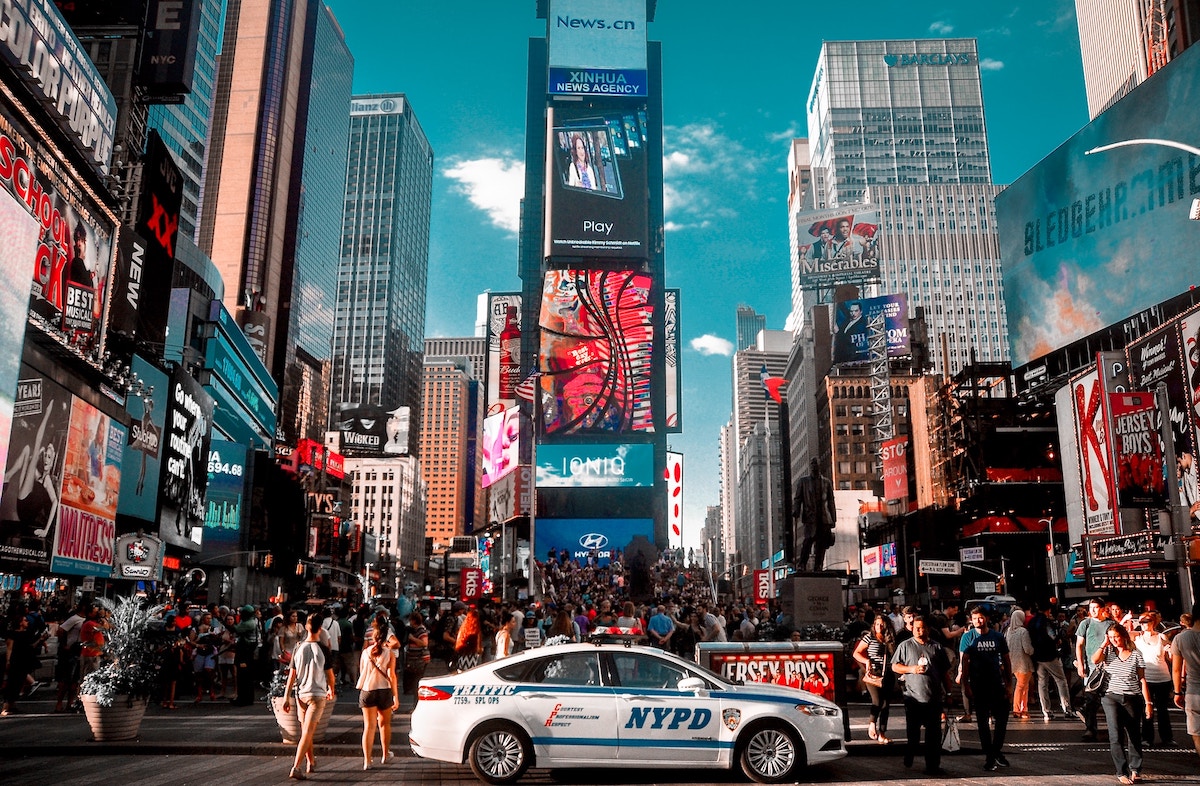
New York City, often hailed as the cultural, financial, and media capital of the world, beckons millions of visitors annually. Its iconic skyline, bustling streets, world-class attractions, and endless opportunities for experiences make it an irresistible destination. However, like any major global metropolis, a common question on the minds of prospective travelers is: “Is New York City safe?” The simple answer is yes, overwhelmingly so for the vast majority of visitors. While no city is entirely crime-free, New York City has undergone a remarkable transformation over the past few decades, evolving into one of the safest large cities in the United States. This comprehensive guide aims to provide a balanced perspective on safety in the Big Apple, offering insights and practical tips to ensure your travel experience is not only unforgettable but also secure. We will delve into crime statistics, safe neighborhoods, essential street smarts for tourists, and how to make informed choices regarding accommodation and lifestyle to enhance your sense of security while exploring this magnificent urban landscape.
Understanding Safety in the Big Apple
The perception of safety in a city like New York City is often shaped by historical narratives, media portrayal, and personal anecdotes. It’s crucial to separate fact from fiction and understand the reality of crime and safety in the present day.
Deciphering Crime Statistics
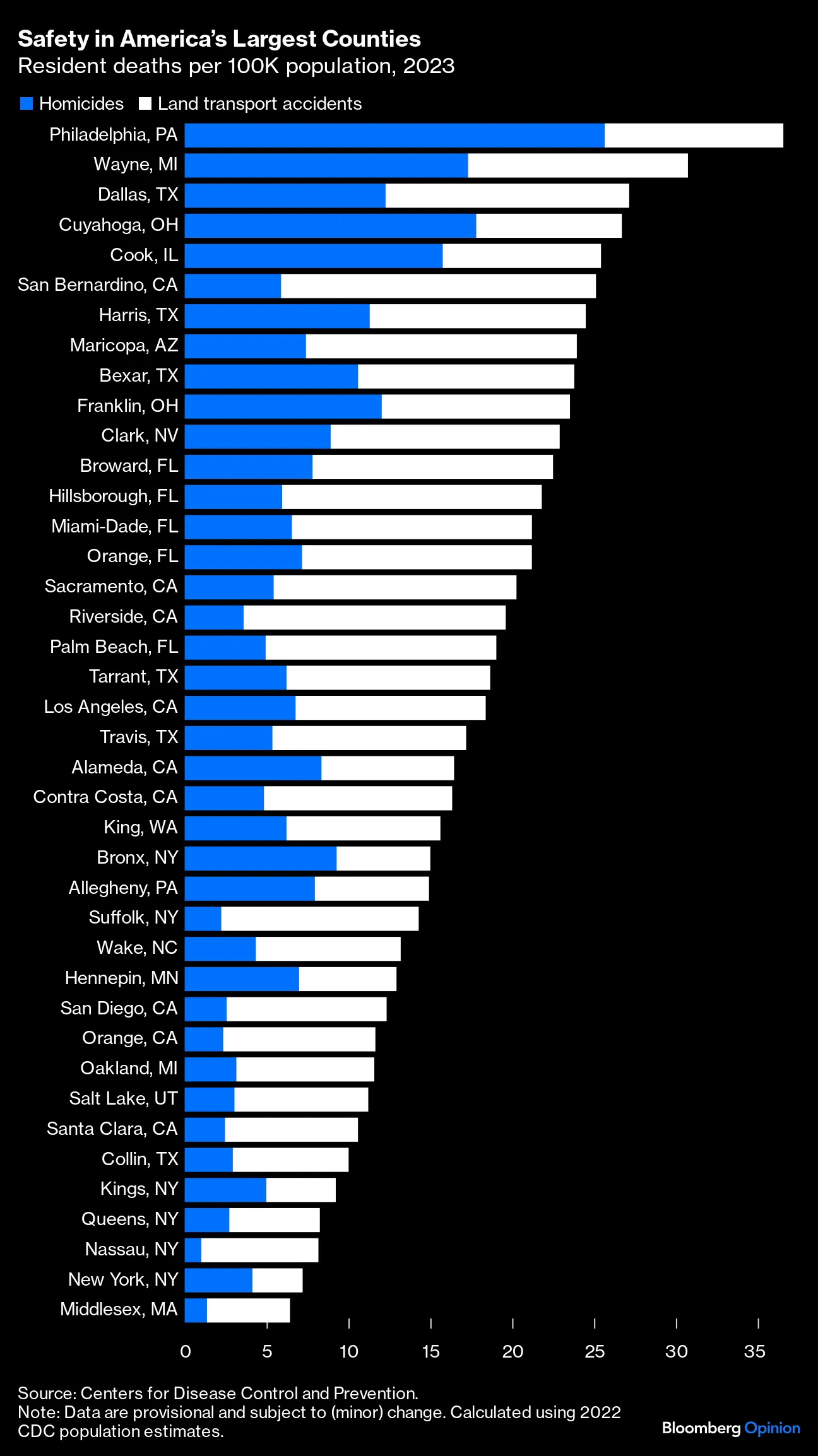
For decades, New York City has been at the forefront of urban revitalization, with a significant emphasis on public safety. Official statistics from the New York Police Department (NYPD) consistently show a dramatic decline in crime rates, particularly violent crime, since the 1990s. While there have been minor fluctuations, the overall trend points towards a city that is considerably safer than it once was. Most crimes that do occur are often non-violent property crimes, such as petty theft, which can be mitigated with common sense precautions. Violent incidents, while tragic, are statistically rare and typically do not involve tourists or random acts against visitors. The city maintains a robust police presence, especially in major tourist areas and transportation hubs, further contributing to a sense of security. Understanding these statistics can help alleviate undue anxieties and encourage travelers to approach their visit with a confident and informed mindset.

Perception vs. Reality
The media, both news and entertainment, sometimes perpetuates outdated images of a gritty, dangerous New York City. However, the reality on the ground is starkly different. Today’s New York City is a city that has invested heavily in public safety, community policing, and urban development, making many neighborhoods vibrant and welcoming. While every large city has its challenges, the day-to-day experience for residents and tourists alike is one of bustling energy, diverse local culture, and relatively low risk. Visitors should exercise the same level of caution they would in any unfamiliar urban environment, but without letting exaggerated fears overshadow the incredible tourism opportunities that await. The overwhelming majority of visitors leave with positive stories and without incident, having safely enjoyed the city’s rich tapestry of history, architecture, and modern life.
Navigating New York City Safely: A Tourist’s Guide
Exploring New York City is an adventure, and with a few practical tips, you can navigate its streets and landmarks with confidence, ensuring a smooth and enjoyable journey.
Safe Zones and Neighborhoods
Many of New York City’s most popular tourist destinations are inherently safe and well-trafficked. Areas like Midtown Manhattan (home to Times Square, the Empire State Building, and Rockefeller Center), the Upper East Side (known for its museums and upscale boutiques), Greenwich Village (famous for its bohemian charm and lively atmosphere), and SoHo (a hub for shopping and dining) are bustling day and night and generally very secure. In Brooklyn, neighborhoods such as DUMBO (with its stunning waterfront views) and Park Slope (renowned for its brownstones and green spaces) are also popular and safe choices for exploration. Even Central Park, while vast, has a strong NYPD presence and is considered safe during daylight hours. It’s advisable to stick to well-lit, populated areas, especially when out after dark. If you venture into less touristy or unfamiliar neighborhoods, a bit of research beforehand can go a long way in ensuring your comfort and safety.
Public Transportation and Street Smarts
The NYC Subway is an integral part of the city experience, operating 24/7. During peak hours, trains and stations are crowded and generally very safe. Late at night, trains are less frequent and less populated. While still generally safe, it’s wise to wait on the platform in well-lit areas, near the conductor’s car, and be aware of your surroundings. Avoid empty subway cars. When taking taxis, always opt for official yellow cabs or reputable ride-sharing services accessed through their apps; never get into unmarked vehicles offering rides.
On the streets, pedestrian safety is paramount. Always cross at designated crosswalks and obey traffic signals. Drivers, especially cab drivers, can be aggressive. Keep an eye out for cyclists, who often share lanes. Be mindful of your personal space in crowded areas and avoid displaying expensive items prominently. While panhandling is present in some areas, a polite “no, thank you” is usually sufficient. Engaging in arguments or confrontations is rarely advisable.
Protecting Your Valuables
Pickpocketing and petty theft can occur in any crowded tourist area, such as Times Square, the Brooklyn Bridge, or Grand Central Terminal. To mitigate risk, always keep your wallet in a front pocket, use a cross-body bag that is difficult to snatch, and never leave your phone or camera unattended on tables. Be especially vigilant when distracted, such as when taking photos or checking maps. When dining, avoid hanging bags on the back of chairs where they are easily accessible to passersby. Utilize your hotel’s safe for passports, extra cash, and other valuable documents that you don’t need to carry daily. It’s also a good idea to have digital copies of important documents stored securely online. For more specific travel tips, our site offers numerous guides on safeguarding your belongings while exploring popular destinations.
Accommodation and Lifestyle Choices for a Secure Stay
Your choice of accommodation and how you engage with the city’s lifestyle can significantly impact your sense of security and overall enjoyment. Making informed decisions here is key.
Choosing Safe Hotels and Accommodation
When planning your trip, consider the location and reputation of your accommodation. Many hotels in New York City are located in well-regarded neighborhoods and prioritize guest safety with features like secure key card access, 24-hour front desks, and surveillance. Reading recent reviews on reputable booking platforms can offer valuable insights into the safety and security measures of a specific property. Look for mentions of staff attentiveness, neighborhood conditions, and overall guest comfort. Whether you opt for luxury hotels like The Plaza Hotel, boutique suites, or apartments for a long-term stay, a central location with good public transit access is often a safer bet. Avoid areas that feel isolated or poorly lit, especially if you plan to return late at night. Our hotels and accommodation sections provide detailed comparison and reviews to help you choose wisely, considering amenities and safety features.
Lifestyle and Tourism for Different Travelers
New York City caters to every type of traveler, each with unique safety considerations.
- Family Trips: Families traveling with children should prioritize family-friendly neighborhoods and attractions like the Central Park Zoo or the American Museum of Natural History. Always keep children close in crowds, designate a meeting point in case you get separated, and consider using child leashes or carriers for very young children in busy areas. Many parks and museums offer safe, enclosed environments for kids to enjoy.
- Solo Travelers: New York City is a fantastic city for solo travel. Solo travelers should share their itinerary with someone back home, be extra cautious with personal belongings, and try to avoid walking alone in deserted areas late at night. Dining alone is common and accepted, and many bars are friendly for solo patrons. Staying connected with a charged phone is essential.
- Business Stays: Those on business stays often stick to corporate areas and established routes. Utilize secure transportation services arranged by your company or hotel. Be mindful of sensitive information you might be carrying and follow company protocols for data security. Networking events and evening outings should be approached with the same awareness as any social situation.
- Budget Travel vs. Luxury Travel: Whether you’re indulging in luxury travel or exploring on a budget travel plan, safety rules remain consistent. Budget-friendly options like hostels or guesthouses should still be vetted for security and location. Don’t compromise on safety for the sake of saving a few dollars, especially when it comes to accommodation in unfamiliar areas.
By adapting your approach based on your lifestyle and travel style, you can maximize safety without sacrificing the adventure.
Experiencing New York City’s Iconic Landmarks Safely
New York City’s landmarks are undoubtedly its biggest draw, and visiting them safely is key to an enjoyable experience. These famous places are generally well-managed for tourist safety.
Crowds and Awareness
Many of New York City’s top attractions attract massive crowds. Locations like Times Square, the Statue of Liberty, the Brooklyn Bridge, and observation decks like the Empire State Building or Top of the Rock can be incredibly dense with people. While this usually means a strong visible security presence, it also presents opportunities for petty crime. Always stay alert, avoid being overly distracted by your phone or camera, and keep your belongings secure. Be wary of street performers or vendors who try to engage you too aggressively, as these can sometimes be distractions for pickpockets. When queuing for tickets or attractions, be mindful of your surroundings. Enjoy the spectacle, but always maintain a degree of situational awareness. These landmarks are symbols of the city’s vibrant tourism sector and are generally safe spaces designed for public enjoyment.
Emergency Preparedness
While the need for emergency services is rare for tourists, it’s always prudent to be prepared. The universal emergency number in the United States is 911 for police, fire, and medical emergencies. You will see a significant presence of the New York Police Department (NYPD) throughout the city, particularly in high-traffic tourist areas. If you feel unsafe or witness something suspicious, do not hesitate to approach an officer. Most major venues and landmarks will have clear emergency exits and procedures. It’s a good habit to quickly note these upon entering large buildings or public spaces. Having a fully charged phone, identifying a local emergency contact (like your hotel front desk), and understanding basic navigation can further enhance your preparedness. Ultimately, common sense and a proactive approach to safety will serve you well, allowing you to focus on the incredible experiences New York City has to offer.
Conclusion
So, “Is New York City safe?” The answer, confidently, is yes. This extraordinary city is not only one of the world’s most exciting destinations but also one that prioritizes the safety and well-being of its residents and millions of annual visitors. While no urban environment is entirely without risk, New York City’s remarkable efforts in crime reduction and consistent police presence have transformed it into a largely secure place to explore.
By understanding common sense safety precautions, making informed choices about your accommodation and travel routes, and maintaining an awareness of your surroundings, you can confidently immerse yourself in everything the Big Apple has to offer. From the dazzling lights of Times Square to the tranquil paths of Central Park, from the historic depths of the NYC Subway to the panoramic views from iconic landmarks, New York City awaits with endless possibilities for travel, tourism, and unforgettable experiences. Embrace the adventure, stay alert, and prepare to fall in love with one of the most vibrant and welcoming cities on Earth.