
The allure of New York City is undeniable. A global epicenter of culture, finance, and innovation, it promises an unparalleled urban adventure, drawing millions of visitors each year to its iconic landmarks, world-class attractions, and vibrant street life. From the bright lights of Times Square to the tranquil paths of Central Park, the city offers an endless array of experiences. However, for many prospective travelers, especially those planning their first visit, a fundamental question often arises: “Is New York safe?” This concern, amplified by media portrayals and the sheer scale of such a bustling metropolis, is entirely understandable.
At Life Out of the Box, we believe that informed travel is the best travel. While no city is entirely crime-free, understanding the realities of safety in New York and adopting smart travel practices can significantly enhance your trip. This comprehensive guide aims to demystify safety in the Big Apple, providing you with practical tips and insights to ensure your visit is not only memorable but also secure, allowing you to fully immerse yourself in everything this incredible destination has to offer.

Understanding Safety in the Big Apple
The perception of safety in a major city like New York can often be distorted by sensational headlines or outdated information. To truly answer whether New York is safe, it’s crucial to look beyond common myths and consider current realities and trends.
The Perception Versus Reality
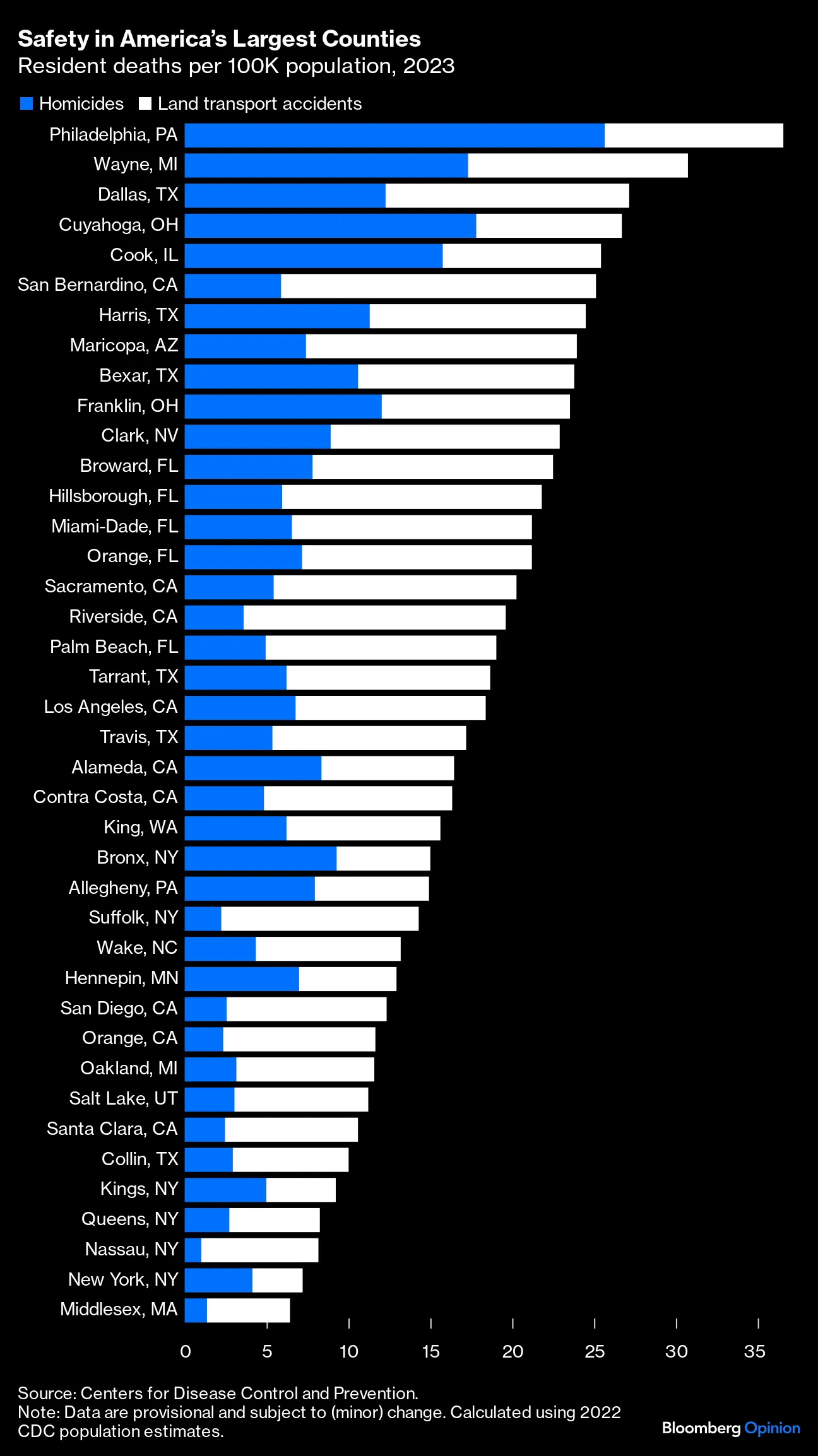
Historically, New York City grappled with high crime rates, particularly in the 1970s and 80s. These images, often perpetuated in popular culture, continue to shape public perception for some. However, the reality on the ground has dramatically shifted over the past few decades. Extensive efforts by city authorities have led to a significant and sustained reduction in crime, transforming New York City into one of the safest large cities in the world. While headlines may occasionally highlight specific incidents, the overall trend points towards a continuously safer environment for both residents and the millions of tourists who flock here annually. The city’s strong police presence, extensive surveillance, and community-oriented policing strategies contribute significantly to maintaining order and responding swiftly to incidents.
General Crime Statistics and Trends
When discussing safety, it’s important to distinguish between different types of crime. While violent crime rates have seen a remarkable decline over the long term, like any major urban center, New York City still experiences property crimes, such as petty theft and pickpocketing. These incidents are generally more prevalent in crowded tourist areas like Times Square, around major transportation hubs, and on public transit.
It’s rare for tourists to become victims of serious violent crime. The vast majority of visitors enjoy their trips without incident. However, being complacent is never advisable. Awareness of your surroundings, safeguarding your belongings, and exercising common sense are the best defenses. The key takeaway is that while isolated incidents can occur, as they can anywhere, the statistics overwhelmingly demonstrate that New York City is a relatively safe place to visit, especially when compared to many other global cities. Its diverse neighborhoods, from the historic streets of Greenwich Village to the bustling avenues of Midtown Manhattan, are largely safe spaces for exploration and enjoyment.
Navigating New York Safely: Essential Tips for Travelers
Equipping yourself with practical knowledge and adopting smart habits are your best tools for a safe and enjoyable journey through New York City. These travel tips cover various aspects of your visit, from getting around to choosing your accommodation.
Public Transportation and Getting Around
The MTA subway system is an iconic part of the New York experience and often the most efficient way to navigate the city. Operating 24/7, it’s generally safe, but certain precautions are advisable, especially during off-peak hours or late at night.
- Stay Aware: Avoid becoming engrossed in your phone, especially when waiting on platforms. Be mindful of your surroundings.
- Choose Crowded Cars: If possible, opt for subway cars with other passengers.
- Keep Valuables Secure: Hold bags close, wear backpacks on your front, and avoid displaying expensive electronics or jewelry openly.
- Utilize Apps: Use apps like Google Maps or the official MTA app for real-time train schedules and to plan your routes, reducing the time you spend looking lost.
- Buses and Taxis: New York City buses are a safe and often scenic alternative, particularly for shorter distances. Iconic yellow taxis are readily available and a reliable option. For ride-sharing, reputable apps like Uber and Lyft are widely used; always confirm the driver and vehicle match the app’s details before entering.
Staying Vigilant in Crowded Areas
New York City is defined by its crowds, from the bustling sidewalks of Fifth Avenue to the vibrant energy of Grand Central Terminal. While these areas offer incredible experiences, they are also prime targets for petty criminals like pickpockets.
- Secure Your Belongings: Keep wallets in front pockets, use cross-body bags that zip shut, and be cautious of anyone attempting to distract you.
- Avoid Flashing Cash: Try to pay with credit cards when possible and keep only essential cash accessible.
- Be Skeptical of Strangers: While most New Yorkers are friendly and helpful, be wary of individuals who approach you with unusual requests, petitions, or offers that seem too good to be true.
- Mind Your Personal Space: In highly congested areas, maintaining a sense of your personal space can help deter opportunistic thieves.
Nighttime Safety and Solo Travel
Exploring New York City at night offers a different, magical ambiance, whether you’re catching a Broadway show or enjoying dinner in a chic restaurant. Solo travelers, in particular, should exercise extra caution.
- Stick to Well-Lit Areas: Navigate main thoroughfares that are well-lit and populated, especially after dark. Avoid shortcuts through parks or dimly lit streets.
- Trust Your Gut: If an area or situation feels unsafe, leave it. Your intuition is a powerful safety tool.
- Communicate Your Plans: Inform a friend or family member of your itinerary, especially if you are out late or traveling alone.
- Use Reputable Transport: When heading back to your hotel late at night, opt for a yellow taxi or a ride-sharing service rather than walking long distances, especially if you’re unfamiliar with the area.
- Moderation with Alcohol: Enjoying New York’s nightlife is part of the fun, but be mindful of your alcohol intake to maintain awareness and judgment.
Accommodation Choices and Neighborhood Awareness
Where you choose to stay plays a significant role in your overall sense of safety and convenience. New York City offers a vast range of accommodation options, from luxury suites and boutique hotels to apartments and budget-friendly hostels.
- Research Neighborhoods: Areas like Midtown Manhattan, Upper West Side, Greenwich Village, and parts of Brooklyn (like Dumbo or Williamsburg) are generally very safe and well-connected. While some areas like the Bronx or parts of Queens might have a different reputation, many neighborhoods within these boroughs are also perfectly safe, especially during the day. Do your homework.
- Read Reviews: When booking your hotel or apartment, pay close attention to reviews that mention safety, noise levels, and the general environment of the area. Websites like Life Out of the Box provide detailed insights and comparisons.
- Hotel Security: Ensure your chosen accommodation has basic security measures, such as secure entry, well-lit common areas, and in-room safes for your valuables.
- Be Discreet: Whether you’re staying in a luxury resort or a more modest apartment, avoid leaving valuables visible in your room or drawing unnecessary attention to expensive items.
Specific Concerns and How to Mitigate Them
While general vigilance covers most scenarios, some specific concerns are worth addressing for anyone planning a New York City trip.
Scams and Tourist Traps
Like any major tourist destination, New York City has its share of scams targeting unsuspecting visitors. These are usually non-violent but can be costly or annoying.
- “CD Hustlers” and Street Performers: In areas like Times Square or near the Statue of Liberty, individuals might offer you a “free” CD or demand payment after a photo. Politely but firmly refuse and keep walking. Do not engage.
- Fake Monks/Petitioners: These individuals often approach tourists asking for donations or signatures for a cause, often pressuring them for money. Ignore them and walk away.
- Overpriced Souvenirs: While not a “scam,” some street vendors near major attractions might significantly overcharge. It’s better to buy souvenirs from reputable stores or markets.
- Three-Card Monte/Shell Game: These street gambling games are rigged. Never participate or stop to watch, as you might become a target.
Health and Emergency Services
Understanding how to access emergency services is vital for any traveler. New York City boasts world-class medical facilities and a robust emergency response system.
- Emergency Number: In case of any emergency (medical, fire, police), dial 911. This number connects you directly to emergency services. Clearly state your location and the nature of the emergency.
- Non-Emergency Police: For non-emergency police matters, you can call 311.
- Medical Care: If you require non-emergency medical attention (e.g., for a cold or minor injury), urgent care centers are widely available throughout the city and are often more cost-effective than emergency rooms for minor issues. Ensure your travel insurance covers international medical care.
- Stay Hydrated: Especially during the summer months, walking extensively can lead to dehydration. Carry water, particularly when exploring outdoor areas like Central Park or walking across the Brooklyn Bridge.
Respecting Local Culture and Laws
Being a respectful visitor contributes to your own safety and the positive experience of those around you.
- Observe Local Etiquette: While New Yorkers are known for their fast pace, politeness goes a long way. Stand to the right on escalators, avoid blocking sidewalks, and be patient.
- Drug and Alcohol Laws: Be aware of local laws regarding public consumption of alcohol and drug use, which can lead to fines or arrests. While cannabis is legal for recreational use in New York State, public consumption is restricted.
- Photography: Be mindful and respectful when taking photos, especially of individuals. Ask permission if you are focusing on a specific person.
- Homeless Population: New York City has a visible homeless population. While most interactions are harmless, use discretion. It’s generally advised not to give money directly, but if you wish to help, consider donating to reputable charities.
Enhancing Your New York Experience with Safety in Mind
Safety considerations shouldn’t overshadow the excitement of your trip. Instead, integrating them into your travel planning allows you to enjoy every moment with peace of mind.
Choosing Safe Attractions and Activities
New York City boasts an incredible array of attractions, and nearly all major landmarks are well-secured and safe to visit.
- Iconic Sites: Places like the Empire State Building, Metropolitan Museum of Art, Museum of Modern Art (MoMA), and the 9/11 Memorial & Museum have robust security measures in place.
- Outdoor Spaces: Central Park, The High Line, and Washington Square Park are wonderful for relaxation and people-watching. While generally safe during the day, it’s wise to leave these parks before dark.
- Guided Tours: Consider joining guided tours for exploring less familiar areas, local culture, or food tours. Reputable tour operators prioritize guest safety and provide valuable local insights.
- Events: Attending major events, concerts at Madison Square Garden, or sports games at Yankee Stadium are generally safe, with enhanced security measures. Arrive early to allow for security checks.
Family Travel and Children’s Safety
Traveling with children adds another layer of safety considerations. New York City can be a fantastic family destination with proper planning.
- Keep Kids Close: In crowded areas, always hold children’s hands or use a stroller. Consider using child harnesses for younger kids.
- Establish a Meeting Point: Before entering a busy attraction or park, designate a clear meeting point in case you get separated.
- ID Bracelets: For younger children, consider having them wear an ID bracelet with your contact information.
- Child-Friendly Activities: Focus on attractions popular with families, such as the American Museum of Natural History, the Bronx Zoo, or Coney Island, which are designed with safety and enjoyment for all ages in mind.
Budget vs. Luxury Travel Safety
Whether you’re on a luxury travel spree or planning a budget travel adventure, safety should always be a priority.
- Luxury Travel: Guests staying in high-end hotels or exclusive villas often benefit from enhanced security amenities and services. However, even in luxury settings, remain discreet with valuables and be aware of your surroundings, especially when venturing out.
- Budget Travel: Those opting for budget accommodation or staying in less central neighborhoods might need to be extra vigilant, particularly when using public transport late at night or walking through unfamiliar areas. Thoroughly vet budget hotels or hostels through reviews focusing on safety and location. Avoid walking alone after dark in sparsely populated or poorly lit areas, regardless of your budget.
In conclusion, the question “Is New York safe?” can be confidently answered with a resounding “Yes,” provided you approach your trip with awareness and common sense. New York City is a vibrant, diverse, and generally safe place for tourists from all walks of life. By understanding the city’s dynamics, following practical safety tips for public transportation and crowded areas, and making informed choices about your accommodation and activities, you can unlock the full magic of the Big Apple without unnecessary worry. Immerse yourself in the local culture, savor the incredible food, explore the world-renowned landmarks, and create unforgettable memories. Your New York adventure awaits, safe and spectacular.
LifeOutOfTheBox is a participant in the Amazon Services LLC Associates Program, an affiliate advertising program designed to provide a means for sites to earn advertising fees by advertising and linking to Amazon.com. Amazon, the Amazon logo, AmazonSupply, and the AmazonSupply logo are trademarks of Amazon.com, Inc. or its affiliates. As an Amazon Associate we earn affiliate commissions from qualifying purchases.