
New York City, a global epicenter of culture, finance, and innovation, pulsates with an energy that captivates millions of visitors and residents alike. From the iconic skyscrapers of Manhattan to the vibrant neighborhoods of Brooklyn and Queens, it’s a city of endless possibilities and diverse experiences. At the helm of this dynamic metropolis stands its mayor, a figure whose vision and policies profoundly shape not only the daily lives of its nearly 8.5 million residents but also the experiences of the countless travelers who flock to its shores each year. The mayor’s influence spans everything from public safety and infrastructure to the promotion of local culture and the development of tourism initiatives. Understanding who leads New York City is crucial for anyone interested in its past, present, and future, particularly from the perspective of travel, accommodation, and lifestyle.
The current mayor of New York City is Eric Adams, who took office on January 1, 2022. His tenure marks a significant chapter in the city’s post-pandemic recovery and its ongoing evolution as a premier global destination. For those looking to explore the myriad attractions, find the perfect hotel suite, immerse themselves in local culture, or simply navigate the bustling streets, the mayoral administration’s priorities directly impact the very fabric of their journey. This article delves into Mayor Eric Adams’ background, his strategic approach to governing, and how his leadership is influencing New York City’s appeal as a travel destination, a hub for unique experiences, and a place offering diverse accommodation options.
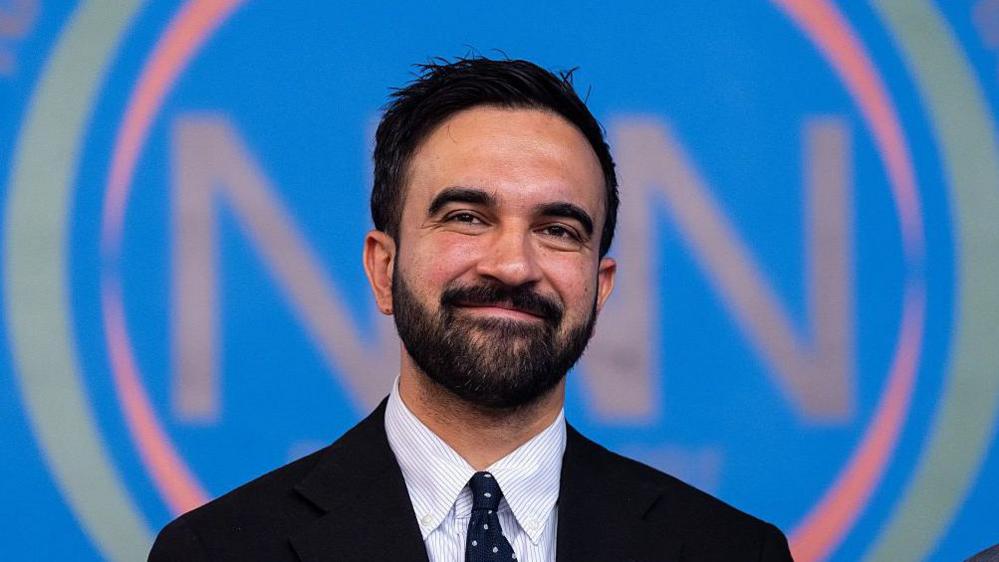
Meet Mayor Eric Adams: A Vision for the Five Boroughs
Eric Adams’ journey to Gracie Mansion is a story deeply rooted in New York City. Born in Brooklyn, he brings a unique perspective shaped by a career spanning law enforcement and public service. Before becoming mayor, Eric Adams served with distinction for over two decades in the New York City Police Department, rising to the rank of captain. This extensive background in public safety has profoundly influenced his governance, placing a strong emphasis on restoring order and enhancing the sense of security across the five boroughs. Following his police career, he transitioned into politics, first serving in the New York State Senate and then as Brooklyn Borough President, a role that saw him advocate for the diverse communities within his home borough.
As Mayor, Eric Adams campaigned on a platform centered around public safety, economic recovery, and making the city more equitable for all its residents. His vision for New York City is one of resilience and resurgence, focusing on revitalizing key sectors post-COVID-19 and ensuring the city remains a beacon of opportunity. For visitors, this translates into tangible improvements in the urban environment, from cleaner streets to more visible public services, all designed to enhance the overall travel experience. He often speaks of a “new New York City,” one that is accessible, safe, and welcoming to everyone, whether they are here for a luxury getaway, a budget-friendly adventure, or a long-term business stay.
The mayor’s focus on the diverse identities of Manhattan, Brooklyn, Queens, The Bronx, and Staten Island is particularly important for tourists. Each borough offers its own distinct charm, attractions, and cultural experiences. Mayor Eric Adams’ leadership aims to highlight and uplift these unique characteristics, encouraging visitors to venture beyond traditional tourist hubs and discover the authentic heart of New York City in its entirety. This comprehensive approach underscores his commitment to showcasing the city’s unparalleled diversity as a strength, fostering a richer and more varied experience for every traveler.

Shaping the Traveler’s Experience: Mayoral Policies and New York City Tourism
The mayor’s office plays a pivotal role in crafting the narrative and reality of New York City as a premier travel destination. Eric Adams’ policies directly influence how visitors perceive and interact with the city, from the moment they arrive to their departure. His administration’s focus on key areas like public safety, urban cleanliness, and cultural promotion has a ripple effect on the entire tourism ecosystem.
Public Safety and Urban Aesthetics: A Welcoming Environment
One of Mayor Eric Adams’ cornerstone initiatives has been to enhance public safety. A secure environment is paramount for any tourist destination, and New York City is no exception. Increased police presence in transit hubs, tourist-heavy areas like Times Square and Central Park, and a renewed focus on quality-of-life issues contribute significantly to visitor confidence. When travelers feel safe, they are more inclined to explore, dine out, and engage with the city’s vibrant street life. This sense of security is vital for encouraging exploration of diverse neighborhoods such as the historical streets of Greenwich Village, the trendy boutiques of SoHo, and the culturally rich avenues of Harlem.
Beyond safety, the administration has also prioritized urban aesthetics. Initiatives for cleaner streets, better-maintained public parks, and efforts to address visible signs of urban decay contribute to a more pleasant and inviting atmosphere for visitors. A cleaner city enhances the visual appeal of iconic landmarks like the Empire State Building and the Brooklyn Bridge, making them even more attractive for sightseeing and photography. These efforts are crucial for maintaining New York City’s reputation as a world-class destination, directly impacting the quality of experiences for both luxury travelers seeking pristine environments and budget travelers looking for authentic, well-maintained public spaces. The sum of these efforts creates a welcoming backdrop for every kind of trip, from family vacations to solo adventures.
Championing Culture, Cuisine, and Connectivity
Mayor Eric Adams’ administration actively champions New York City’s unparalleled cultural landscape. The city’s thriving arts scene, from the dazzling lights of Broadway to world-renowned institutions like the Metropolitan Museum of Art and the Museum of Modern Art (MoMA), is a major draw for tourists. Mayoral support for these institutions, including funding and promotional campaigns, ensures their continued vitality and accessibility. The city’s calendar is packed with events, festivals, and performances that reflect its diverse cultural tapestry, providing endless activities for visitors.
The culinary scene, another cornerstone of New York City’s appeal, also receives significant attention. The mayor’s office supports initiatives that highlight the city’s incredible gastronomic diversity, from Michelin-starred restaurants to bustling food markets and ethnic enclaves. Exploring the authentic flavors of Chinatown or savoring Italian delicacies in Little Italy are quintessential New York City experiences, and the administration works to preserve and promote these unique cultural pockets.
Furthermore, connectivity and accessibility are vital for any major tourist destination. The mayor’s focus on improving public transportation, including subways, buses, and ferries, makes it easier for visitors to navigate the city and reach its many attractions. Whether it’s taking a ferry to see the Statue of Liberty and Ellis Island, or riding the subway to catch a game at Yankee Stadium or Citi Field, efficient transportation is key to maximizing a trip. These improvements enhance the overall travel experience, ensuring that New York City remains an easy-to-explore destination, regardless of where visitors choose to stay or what their interests might be.
Accommodation and Economic Vibrancy: The Mayor’s Role
The accommodation sector is a critical component of New York City’s tourism economy, and mayoral policies directly shape its landscape. From luxury hotel suites in Midtown Manhattan to boutique hotels in Brooklyn and budget-friendly options throughout the boroughs, the availability, cost, and regulation of places to stay are influenced by the city’s leadership.
The Evolving Hotel Landscape and Short-Term Rentals
Under Mayor Eric Adams’ administration, the city has continued to grapple with the delicate balance between supporting the traditional hotel industry and regulating the proliferation of short-term rentals, such as those offered through platforms like Airbnb. Recent regulations, often spearheaded by the mayor’s office, aim to curb illegal short-term rentals, particularly in residential buildings, to protect housing stock for residents and ensure fair competition for licensed hotels. While these policies might limit certain types of budget accommodation, they are designed to stabilize the housing market and support the city’s large hotel workforce.
For travelers, this means a clearer, albeit potentially more structured, landscape when booking accommodation. Visitors will find robust options ranging from high-end resorts and business hotels that cater to luxury travel and corporate stays, to more modest hotels and apartments suitable for budget travel or long-term stays. The administration’s approach aims to foster a sustainable and well-regulated accommodation market that benefits both visitors seeking quality stays and the city’s residents. Investment in new hotel development continues, particularly in commercial districts and revitalized areas, providing fresh choices for travelers. This ensures that whether one is seeking a grand experience near Rockefeller Center or a cozy nook in DUMBO, New York City continues to offer a broad spectrum of choices.
Boosting Local Businesses and Visitor Spending
Mayor Eric Adams’ economic recovery agenda places a strong emphasis on supporting small and local businesses, which are the backbone of New York City’s unique character. Initiatives promoting small business growth, streamlining permits, and offering support programs encourage a vibrant retail and dining environment. For tourists, this translates into a richer experience, with opportunities to discover unique shops, local eateries, and independent art galleries that contribute to the city’s charm.
Visitor spending is a massive driver of the local economy. From shopping districts like Fifth Avenue and SoHo to the myriad restaurants and entertainment venues, tourist dollars directly support thousands of jobs and businesses. The mayor’s efforts to ensure public safety and a welcoming urban environment indirectly boost visitor confidence, encouraging longer stays and greater spending. This synergistic relationship means that as the city thrives economically under mayoral leadership, the quality and variety of experiences available to tourists also improve, making New York City an even more compelling destination for leisure and business travelers alike. The administration’s focus on economic recovery ultimately makes New York City a dynamic and rewarding place for tourists to immerse themselves in, offering everything from high-end luxury to authentic, local experiences.

Iconic Landmarks and Future Developments Under Mayoral Guidance
New York City’s identity is inextricably linked to its iconic landmarks and its continuous evolution through urban development. The mayor’s office plays a crucial role in safeguarding its historical treasures while also guiding the city’s expansion and modernization. This balance between preservation and progress is vital for maintaining New York City’s status as a global landmark destination.
Preserving the Past, Building the Future
Under Mayor Eric Adams’ leadership, there is a clear commitment to the maintenance and preservation of New York City’s most famous places. Landmarks like Grand Central Terminal, the Statue of Liberty, and Central Park are not just tourist attractions; they are integral parts of the city’s history and architecture. The administration supports initiatives that ensure these sites remain accessible, well-maintained, and continue to tell the story of New York City for generations to come. Visitors can continue to marvel at the grandeur of the Empire State Building, walk across the historic Brooklyn Bridge, or reflect at the 9/11 Memorial & Museum with the assurance that these sites are cared for.
Simultaneously, New York City is a city that never stops building. The mayor’s office oversees urban planning and large-scale developments that reshape the skyline and create new attractions. Projects like Hudson Yards, with its distinctive structure The Vessel and the elevated park High Line, represent the city’s ongoing commitment to innovation and creating modern public spaces. These new landmarks offer fresh perspectives and experiences for travelers, complementing the established favorites. Whether it’s exploring the revitalized areas around the World Trade Center or enjoying the vibrant cultural scene in Governors Island, mayoral guidance is key to balancing the city’s historical legacy with its dynamic future, ensuring a continuously engaging landscape for tourists and residents.
From the financial pulse of Wall Street in the Financial District to the global diplomacy conducted at the United Nations Headquarters, and the glittering performances at Madison Square Garden and Radio City Music Hall, Eric Adams’ administration plays a hand in the infrastructure and regulations that allow these world-famous venues and institutions to thrive. Even events like New York Fashion Week, drawing international visitors and designers, operate within the framework of city services and permits guided by the mayor’s office. This holistic approach ensures that New York City remains a leading destination for tourism, offering both historical depth and cutting-edge urban experiences.
In conclusion, Eric Adams as the mayor of New York City is a figure whose policies and vision are deeply intertwined with the city’s identity as a global travel hub. His focus on public safety, economic recovery, and balancing tradition with innovation directly shapes the experiences of millions who visit and reside in the metropolis. From the choice of accommodation to the exploration of iconic landmarks and the immersion in local culture, the mayor’s leadership influences every aspect of the New York City journey. As the city continues to evolve, understanding its leadership provides valuable insight into the past, present, and exciting future of this incomparable destination.
LifeOutOfTheBox is a participant in the Amazon Services LLC Associates Program, an affiliate advertising program designed to provide a means for sites to earn advertising fees by advertising and linking to Amazon.com. Amazon, the Amazon logo, AmazonSupply, and the AmazonSupply logo are trademarks of Amazon.com, Inc. or its affiliates. As an Amazon Associate we earn affiliate commissions from qualifying purchases.