
Nestled in the heartland of the United States, Oklahoma is a state rich in history, diverse landscapes, and vibrant culture. From the sprawling urban centers of Oklahoma City and Tulsa to the serene beauty of its Great Plains, Cross Timbers forests, and Ouachita Mountains, the Sooner State offers a wealth of experiences for every traveler. Whether you’re planning a cross-country road trip along Route 66, a business stay, or a family vacation exploring its unique attractions, understanding the local time zone is a fundamental aspect of seamless travel planning and an enjoyable visit.
For anyone traveling to or conducting business with Oklahoma, the question “What is the time zone for Oklahoma?” is a practical one. The answer is straightforward: the entire state of Oklahoma observes the Central Time Zone. This means that when you cross into Oklahoma, your clock will align with this specific temporal designation, regardless of which corner of the state you are in. However, the Central Time Zone itself experiences a seasonal shift, moving between Standard Time and Daylight Saving Time. This comprehensive guide will delve into the specifics of Oklahoma’s time zone, its implications for travelers, and how it shapes the rhythm of life in this captivating state.
Central Standard Time: Oklahoma’s Temporal Anchor
The consistent application of the Central Time Zone across Oklahoma simplifies time management for both residents and visitors. Unlike some states that straddle multiple time zones, Oklahoma’s unified approach removes any potential confusion, ensuring that your watch will always be set correctly anywhere within its borders.
Understanding CST and CDT
The Central Time Zone operates under two designations throughout the year:
- Central Standard Time (CST): This is the baseline time, observed during the autumn and winter months. CST is UTC-6, meaning it is six hours behind Coordinated Universal Time.
- Central Daylight Time (CDT): During spring and summer, Oklahoma switches to Central Daylight Time (CDT). This is part of the broader observance of Daylight Saving Time (DST)) across much of the United States. CDT is UTC-5, meaning clocks are moved forward by one hour relative to CST. This shift effectively provides an extra hour of daylight in the evenings.
The transition to Daylight Saving Time (DST)) typically occurs on the second Sunday in March, when clocks “spring forward” one hour. They then “fall back” one hour on the first Sunday in November, returning to Central Standard Time (CST). For travelers and those planning activities, being aware of these transitions is crucial, as they can affect flight schedules, appointment times, and the operating hours of various attractions and businesses. Always double-check your devices, as most modern smartphones and computers automatically adjust for DST), but manual clocks will need to be updated.
Why Central Time? A Geographical Perspective
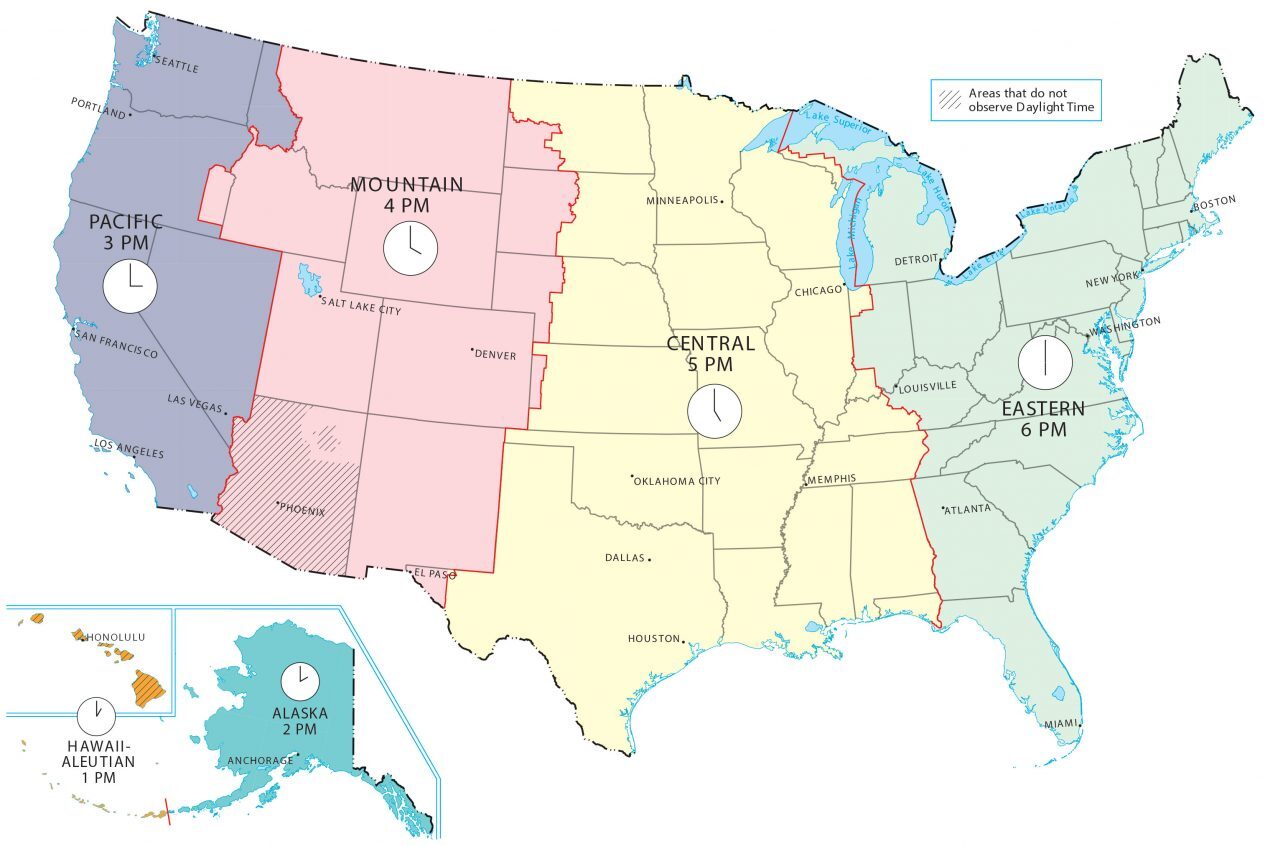
Oklahoma’s placement within the Central Time Zone is a logical consequence of its geographical location. Situated almost perfectly in the central belt of the contiguous United States, it aligns naturally with the established time zone boundaries that divide the country.
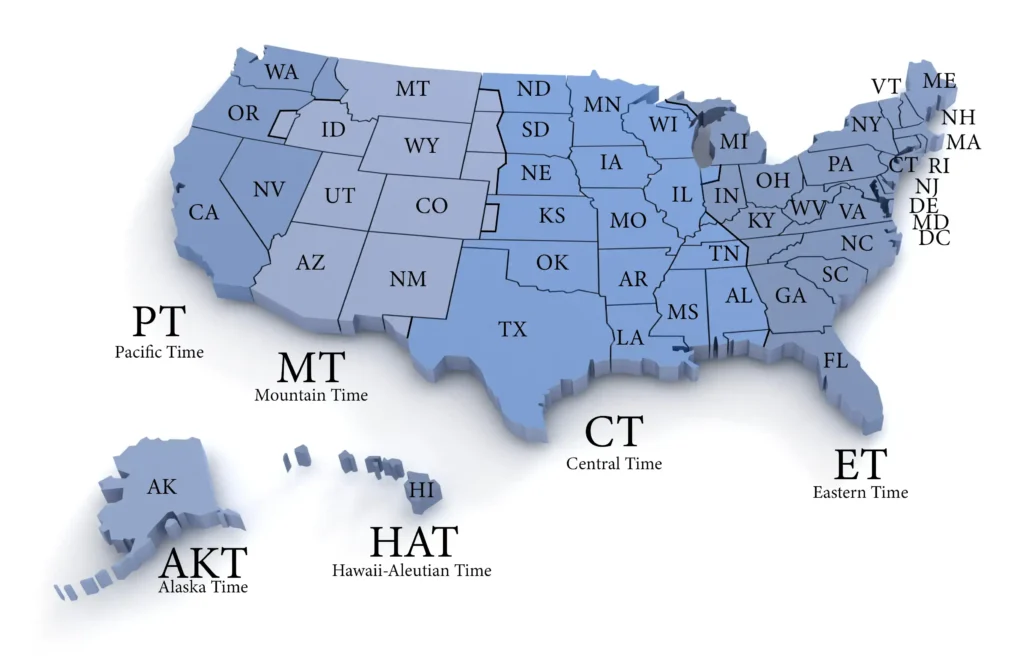
The United States is broadly divided into four main time zones for its mainland:
- Eastern Time (UTC-5/-4)
- Central Time (UTC-6/-5)
- Mountain Time (UTC-7/-6)
- Pacific Time (UTC-8/-7)
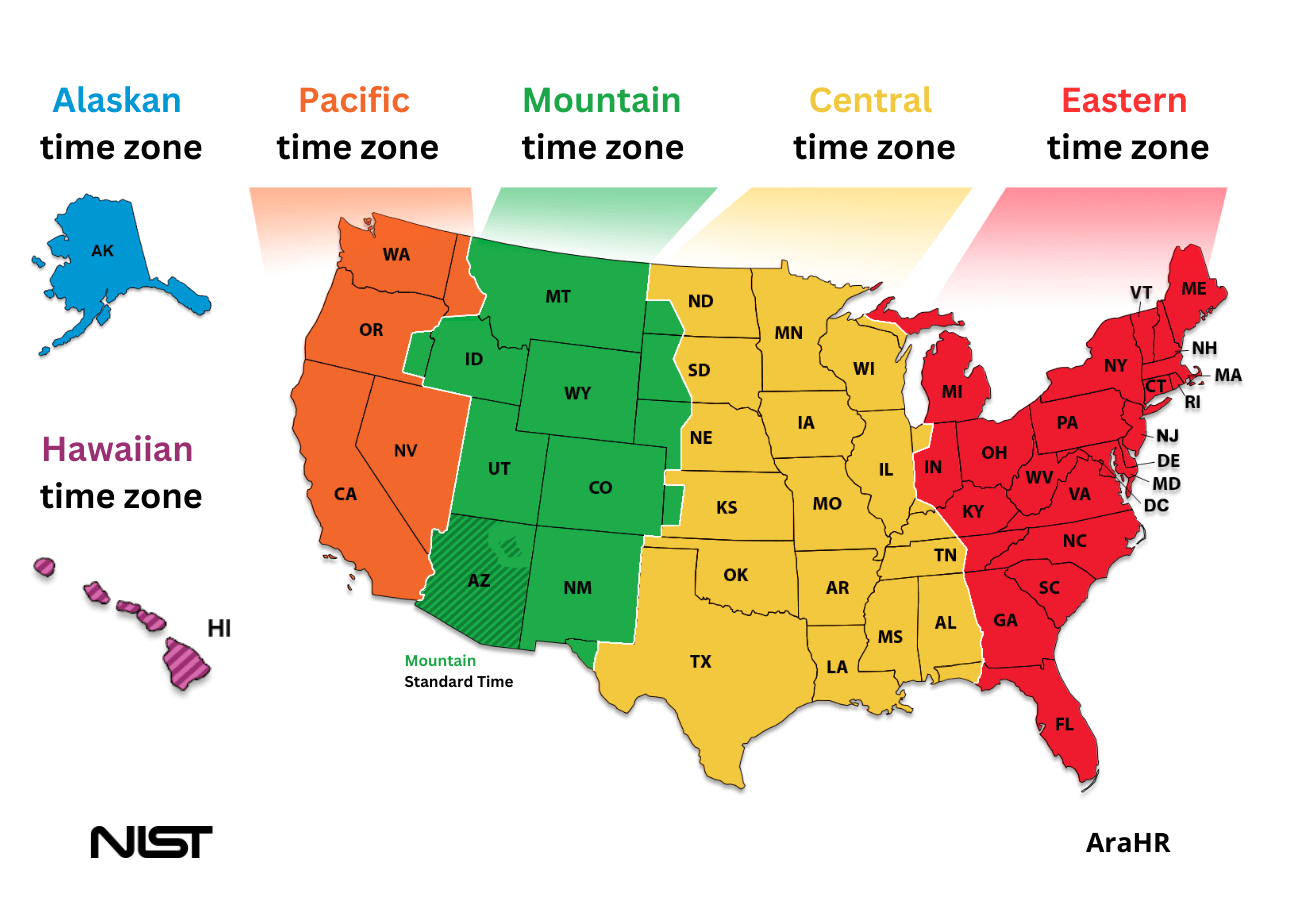
Oklahoma shares its Central Time Zone with numerous neighboring states to its east and north, including Texas, Kansas, Missouri, and Arkansas. To its west, states like New Mexico and Colorado observe Mountain Time, meaning travelers heading westward from Oklahoma will typically need to turn their clocks back one hour, while those coming from the west will spring them forward. This geographical alignment makes travel and communication with nearby states relatively straightforward, requiring only a one-hour adjustment when crossing the Oklahoma-New Mexico or Oklahoma-Colorado borders.
Navigating Oklahoma: Time Zone Tips for Travelers and Tourists
For visitors, understanding Oklahoma’s time zone is more than just a trivial detail; it’s a crucial element for a stress-free and enjoyable trip. From coordinating flights to ensuring you don’t miss that reservation at a top restaurant, time zone awareness is paramount.
Planning Your Oklahoma Itinerary
When crafting your Oklahoma itinerary, always factor in the Central Time Zone. This applies to:
- Flight Arrivals and Departures: All flight times listed for Will Rogers World Airport in Oklahoma City and Tulsa International Airport, as well as smaller regional airports, will be in local Oklahoma time (CST or CDT). Be mindful of this when booking connecting flights or coordinating pickups.
- Hotel Check-ins/Check-outs: Hotels and accommodation providers strictly adhere to local time for all booking parameters. A 3 PM check-in will be 3 PM Oklahoma time.
- Tour Bookings and Activities: If you’ve booked a guided tour, an outdoor adventure, or tickets to a show, ensure you convert the start times to Oklahoma local time. Missing a booked experience due to a time zone miscalculation can be a real disappointment.
- Dining Reservations: Oklahoma’s culinary scene, especially in Oklahoma City’s Bricktown district or Tulsa’s Blue Dome and Brady Arts districts, is worth exploring. Always confirm your dinner reservations in local time to avoid any mix-ups.
Modern tools like smartphone world clocks, travel apps, and online converters can be invaluable for managing different time zones, especially if you’re traveling from a far-flung region.
Jet Lag and Adjusting to Oklahoma Time
For travelers coming from significantly different time zones, such as the Pacific Time Zone or Eastern Time Zone, a slight adjustment period for jet lag might be necessary.
- From Eastern Time: You’ll gain one hour when traveling west to Oklahoma. This is generally easier to adjust to, as it feels like an earlier bedtime.
- From Pacific Time or beyond: You’ll lose one or more hours when traveling east to Oklahoma. This can be slightly more challenging, potentially causing you to feel tired earlier in the day.
To minimize jet lag, try to adjust your sleep schedule gradually a few days before your trip. Hydrate well, avoid excessive caffeine and alcohol, and expose yourself to natural light upon arrival to help reset your body clock to Oklahoma time. For those visiting from immediately adjacent time zones (like Mountain Time), the one-hour shift is usually quite manageable.
Key Attractions and Their Operating Hours
All major attractions, landmarks, and tourism venues in Oklahoma operate according to the local Central Time. When planning visits to iconic sites like:
- The Oklahoma City National Memorial & Museum
- The Myriad Botanical Gardens or Oklahoma City Zoo
- The National Cowboy & Western Heritage Museum
- Philbrook Museum of Art and The Gathering Place in Tulsa
- The Oklahoma History Center
Always consult their official websites for the most up-to-date operating hours, which will be specified in CST/CDT. This ensures you make the most of your travel experiences without any temporal glitches.
Time Zones and Lifestyle in the Sooner State
The Central Time Zone deeply influences the daily rhythms, business operations, and social life across Oklahoma. It’s more than just a setting on a clock; it’s an integral part of the local lifestyle.
Daily Life and Business Schedules
For Oklahoma residents, the Central Time Zone dictates the cadence of their daily lives. Standard business hours typically run from 9 AM to 5 PM CST/CDT, aligning with the broader schedule of the American Midwest. Schools operate on this timetable, and local events, government services, and public transportation systems all adhere to Central Time. This consistency fosters a predictable and efficient environment for daily living and commerce. The lunch hour generally falls between 12 PM and 1 PM, and evening activities, from sports games to cultural performances, are scheduled accordingly.
Connecting Across Time Zones: Remote Work and Family
In an increasingly connected world, Oklahoma’s Central Time Zone position can be an advantage or a challenge, depending on where one’s connections lie.
- East Coast (ET): A one-hour difference means an early start for calls with New York or Washington D.C. colleagues, but relatively easy to manage.
- West Coast (PT): A two-hour difference from Pacific Time can mean later working hours for Oklahoma residents collaborating with West Coast counterparts, or early morning calls for West Coast residents.
- International Connections: For those dealing with global business or family abroad, the time difference can be substantial, requiring careful planning and flexible scheduling.
Remote workers based in Oklahoma often develop strategies to bridge these gaps, such as designating specific “overlap” hours for meetings or adjusting their workdays slightly to accommodate colleagues in other zones. This adaptability is a common aspect of modern lifestyle in a globally connected world.
Special Events and Seasonal Changes
The observance of Daylight Saving Time (DST)) in Oklahoma also impacts the enjoyment of seasonal events and outdoor activities.
- Spring/Summer (CDT): The “spring forward” in March brings longer daylight hours into the evening, perfect for enjoying Oklahoma’s numerous outdoor festivals, sporting events, and natural beauty spots. Whether it’s an evening stroll along the Oklahoma River or a barbecue at one of the state parks, the extended daylight significantly enhances recreational opportunities.
- Autumn/Winter (CST): The “fall back” in November means earlier sunsets, shifting the focus towards indoor activities, holiday celebrations, and cozy evenings. This also impacts seasonal attractions, with many closing earlier in the day. Awareness of these shifts is key to planning seasonal travel and local engagement.
Accommodation and Travel Logistics in Oklahoma
When planning your trip to Oklahoma, your choice of accommodation and understanding travel logistics are intrinsically tied to the local time zone.
Hotels, Resorts, and Check-in/Check-out Times
Booking your stay, whether in a luxury hotel, a cozy bed and breakfast, or a spacious resort, hinges on local time. All advertised check-in and check-out times will be in Oklahoma’s Central Time. For example, if you’re flying in from the East Coast and your flight lands at 1 PM ET, that’s actually 12 PM CST in Oklahoma, giving you an extra hour before a standard 3 PM check-in. Conversely, arriving from the West Coast means you’ll lose two hours, so a 1 PM PT flight arrival is 3 PM CST, potentially cutting close to check-in deadlines.
Oklahoma offers a range of excellent accommodation options. In Oklahoma City, you might consider the historic Skirvin Hilton Oklahoma City or the modern Omni Oklahoma City Hotel. In Tulsa, the elegant Ambassador Hotel Tulsa or the centrally located Hyatt Regency Tulsa provide superb stays. Always confirm your booking details and remember that early check-in or late check-out requests are subject to availability and might incur additional fees, all based on local time.
Flights and Transportation
Airports, as major hubs for travel and tourism, operate strictly on local time. Will Rogers World Airport (OKC) and Tulsa International Airport (TUL) use CST/CDT for all flight schedules, boarding times, and gate announcements. It’s vital to reconfirm your flight times, especially during the Daylight Saving Time (DST)) transitions in March and November, as minor disruptions can occur.
When driving into Oklahoma, especially from New Mexico or Colorado (which are in Mountain Time), remember to adjust your car clock forward by one hour as you cross the state line. For those driving from Texas, Kansas, Missouri, or Arkansas, no time change is necessary, as these states also observe the Central Time Zone. Awareness of these shifts ensures you arrive on time for any appointments, reservations, or events planned within Oklahoma.
In conclusion, the answer to “What is the time zone for Oklahoma?” is definitively the Central Time Zone, observing Daylight Saving Time (DST)). This unified time zone simplifies planning for all visitors and residents. By keeping this in mind, whether you’re embarking on a luxurious travel escape, a budget-friendly family trip, or a critical business stay, you’ll be well-prepared to embrace all that the Sooner State has to offer, on schedule and without a hitch. Enjoy your perfectly timed adventures in Oklahoma!
LifeOutOfTheBox is a participant in the Amazon Services LLC Associates Program, an affiliate advertising program designed to provide a means for sites to earn advertising fees by advertising and linking to Amazon.com. Amazon, the Amazon logo, AmazonSupply, and the AmazonSupply logo are trademarks of Amazon.com, Inc. or its affiliates. As an Amazon Associate we earn affiliate commissions from qualifying purchases.