
Planning a trip to a new city often involves a myriad of logistical considerations, from booking the perfect accommodation to mapping out a detailed itinerary of attractions and experiences. Amidst all the excitement of discovering a new destination, one crucial detail that can easily be overlooked, yet significantly impact your travel plans, is understanding the local time zone. For those setting their sights on the vibrant heart of Oklahoma, the city of Tulsa, getting acquainted with its time zone is an essential first step.
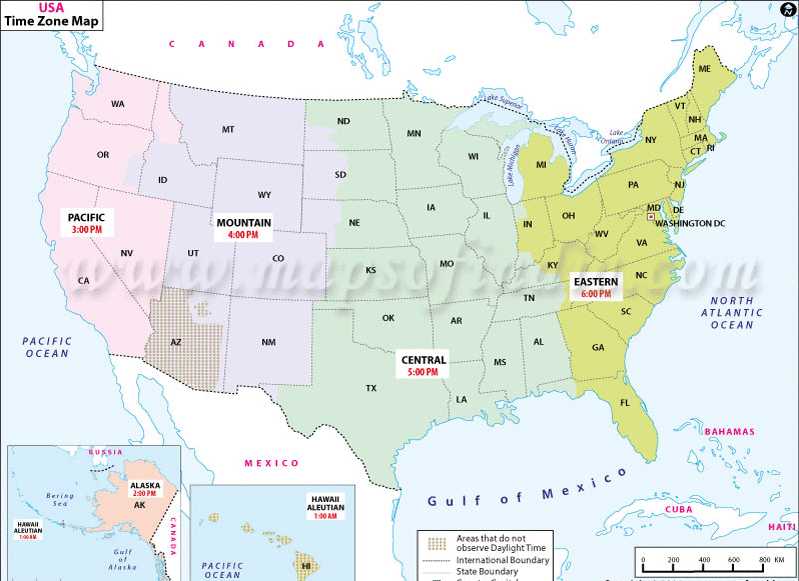
Tulsa, Oklahoma, nestled in the northeastern part of the United States, operates within the Central Time Zone. This designation, often abbreviated as CT, places Tulsa six hours behind Coordinated Universal Time (UTC-6) during standard hours. However, like many regions across North America, Tulsa observes Daylight Saving Time, which means the clock shifts forward by one hour for a significant portion of the year. This transition from Central Standard Time (CST) to Central Daylight Time (CDT) is a critical factor for travelers to consider, impacting everything from flight schedules and hotel check-in times to the timing of local events and business meetings. Understanding this temporal rhythm is not just about avoiding missed appointments; it’s about seamlessly integrating into the local flow and maximizing every moment of your Tulsa adventure, whether it’s a family trip, a business stay, or a quest for local culture and history.
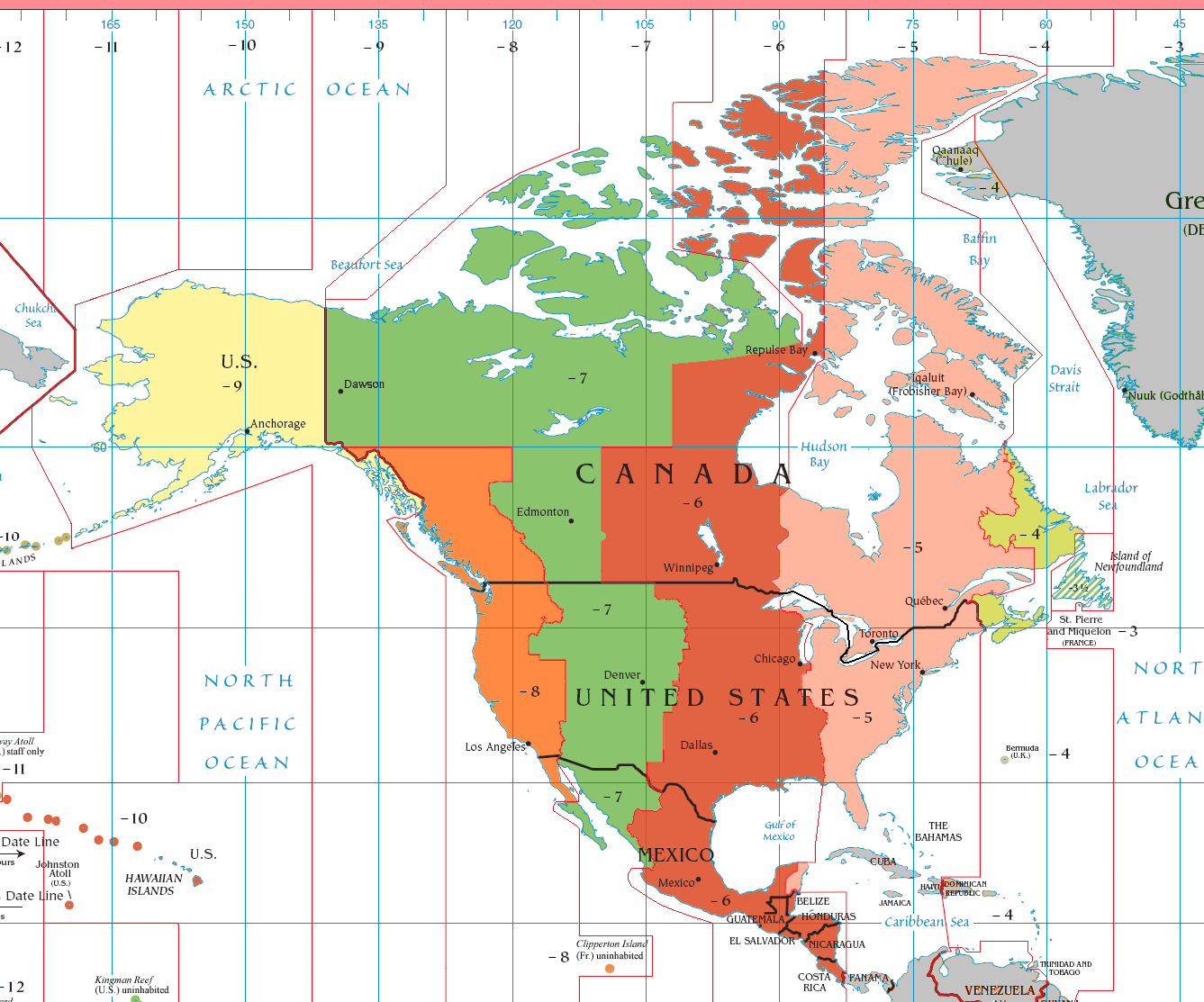
Understanding Tulsa’s Time Zone: Central Time
The Central Time Zone is one of the six primary time zones that span the continental United States, extending from the Canadian border in the north down to Mexico in the south. States entirely or partially within this zone include Texas, Kansas, Missouri, Arkansas, and, of course, Oklahoma. During standard time, Tulsa operates on Central Standard Time (CST), which is UTC-6. This means that if it’s noon in Tulsa, it’s 5 PM in London (which uses Greenwich Mean Time or GMT/UTC+0 during standard hours). This distinction becomes even more significant when travelers are arriving from time zones further afield, necessitating a careful adjustment to avoid the pitfalls of jet lag and scheduling conflicts.
Daylight Saving Time in Tulsa
The transition to Daylight Saving Time is a widespread practice aimed at making better use of daylight, traditionally by moving clocks forward one hour in the spring and back again in the fall. In Tulsa, this means that from the second Sunday in March until the first Sunday in November, the city switches from Central Standard Time (CST, UTC-6) to Central Daylight Time (CDT, UTC-5). This change effectively shifts an hour of daylight from the morning to the evening, providing longer daylight hours for after-work or after-school activities and potentially saving energy. For visitors, this translates into more daylight to explore Tulsa’s numerous attractions, enjoy outdoor dining, or simply soak in the vibrant atmosphere of its entertainment districts. It’s crucial for travelers to double-check their itineraries and confirm local times for any booked tours, restaurant reservations, or events that might be affected by this shift. Most modern smartphones and digital devices automatically adjust, but manual clocks will need to be updated.
Why Time Zones Matter for Travelers
For any traveler, understanding the local time zone of their destination is paramount to a stress-free and enjoyable journey. Beyond merely knowing what time it is, grasping the nuances of time zones and Daylight Saving Time impacts several key aspects of travel:
- Flight and Transportation Schedules: All flight times are listed in the local time of departure and arrival. Miscalculating a time zone change could lead to missing a flight or arriving at the airport at the wrong time. The same applies to bus, train, or connecting flights at Tulsa International Airport.
- Hotel Check-in/Check-out: Most hotels have strict check-in and check-out times. Arriving too early or too late without prior arrangement can result in waiting for your room or incurring extra charges.
- Business Meetings and Appointments: For those on a business stay, being punctual is non-negotiable. Confirming meeting times in Tulsa’s local time is vital when coordinating with clients or colleagues from different time zones.
- Tour Bookings and Attraction Hours: Many popular attractions, museums, and guided tours operate on fixed schedules. A missed time slot due to a time zone miscalculation could mean missing out on a unique experience.
- Communication with Home: Staying connected with family and friends back home requires an awareness of the time difference to avoid inconvenient call times.
- Jet Lag Management: Knowing the time difference helps in mentally preparing for the adjustment and implementing strategies to minimize jet lag, such as gradually shifting sleep schedules before departure.
By paying attention to Tulsa’s time zone, travelers can avoid common pitfalls, ensure smooth transitions, and fully immerse themselves in everything this dynamic Oklahoma city has to offer.
Discovering Tulsa: A Hub of Culture and History
While understanding Tulsa’s time zone is practical, the real allure lies in the city itself. Tulsa is a treasure trove of Art Deco architecture, a rich history, and a vibrant contemporary arts and culture scene, making it a compelling destination for all types of travelers. From its burgeoning downtown core to its serene parks and world-class museums, Tulsa offers a diverse range of experiences that cater to every interest, whether you’re seeking luxury travel, a budget-friendly adventure, or a memorable family trip.
Iconic Landmarks and Architectural Wonders
Tulsa’s skyline is a testament to its prosperous past, particularly during the oil boom of the early 20th century, which left a legacy of stunning Art Deco buildings. The Deco District downtown is a must-see, featuring magnificent structures like the Philcade Building and the Boston Avenue Methodist Church. These landmarks not only showcase exquisite design but also tell stories of a bygone era.
Beyond downtown, Tulsa boasts several other notable landmarks. The Philbrook Museum of Art, housed in a stunning 1920s Italianate villa, combines art and nature with its extensive collections and beautiful gardens. Similarly, the Gilcrease Museum offers an unparalleled collection of American Western art and Native American artifacts, providing deep insights into the region’s rich cultural tapestry. For a truly unique experience, visit the Center of the Universe, an acoustic anomaly downtown that puzzles and delights visitors. And no discussion of Tulsa’s significant sites would be complete without mentioning Gathering Place, a world-class park along the Arkansas River that has garnered international acclaim for its innovative design and family-friendly amenities, making it a perfect spot for recreation and relaxation.
Arts, Culture, and Entertainment
Tulsa’s cultural scene is as dynamic as its history. The Tulsa Arts District (formerly the Brady Arts District) is the epicenter of the city’s creative pulse, home to galleries, studios, live music venues, and thriving nightlife. Here, you’ll find the Woody Guthrie Center, dedicated to the legendary folk singer, and Cain’s Ballroom, a historic venue that has hosted countless music legends.
The city’s commitment to the arts extends to performing arts as well, with the Tulsa Performing Arts Center presenting a diverse calendar of Broadway shows, opera, ballet, and symphony performances. For those interested in a different kind of architectural marvel, the futuristic campus of Oral Roberts University offers a fascinating glimpse into a unique vision. Additionally, segments of the historic Route 66 run through Tulsa, offering nostalgic roadside attractions and a taste of classic American road trip culture. The Blue Dome Entertainment District provides another lively option for evening entertainment, with its collection of bars, restaurants, and clubs.
Planning Your Tulsa Getaway: Accommodation and Experiences
With its rich tapestry of history, culture, and contemporary vibrancy, Tulsa is an ideal destination for travelers seeking diverse experiences. From the moment you confirm your flight and adjust your watch to Central Time, planning your stay, from accommodation to dining and activities, promises to be an exciting endeavor.
Diverse Hotel Options for Every Traveler
Tulsa’s accommodation landscape is as varied as its attractions, offering options for every budget and preference. Whether you’re seeking a luxury hotel experience, a cozy boutique stay, or a practical budget-friendly option, Tulsa delivers.
For those looking for historical charm and upscale amenities, The Mayo Hotel stands as a beacon of Art Deco elegance in the heart of downtown. This historic landmark, meticulously restored, offers opulent suites, fine dining, and a taste of Tulsa’s glamorous past, perfect for luxury travel or a romantic getaway.
Boutique options like the Ambassador Hotel Tulsa, Autograph Collection provide a more intimate and personalized experience, often blending modern comforts with unique local flair. These hotels are ideal for travelers who appreciate distinctive design and a quiet atmosphere.
For business travelers or those attending conventions, hotels such as the Hyatt Regency Tulsa Downtown offer convenient access to the Tulsa Cox Business Convention Center and robust business facilities. These properties often feature spacious rooms, meeting spaces, and fitness centers to cater to a productive business stay.
If your travel plans include entertainment and nightlife, the Hard Rock Hotel & Casino Tulsa, located just outside the city center, offers a resort-style experience with its casino, multiple restaurants, and live music venues, making it a complete destination in itself.
Beyond these, a plethora of mid-range and budget hotels, including well-known chains, are available across the city, especially near major highways and Tulsa International Airport, ensuring that every traveler can find suitable accommodation that meets their needs for comfort and value. Many hotels also offer family-friendly amenities like pools and complimentary breakfasts, perfect for a family trip.
Culinary Delights and Local Experiences
Tulsa’s food scene is a delightful blend of traditional Southern comfort food, Tex-Mex influences, and a rapidly expanding array of farm-to-table restaurants and craft breweries. Exploring the city’s culinary landscape is an essential part of experiencing its local culture.
- Downtown Delights: The Tulsa Arts District and Blue Dome Entertainment District are bustling with restaurants ranging from casual eateries to upscale dining establishments. You can find everything from gourmet burgers to sophisticated contemporary American cuisine.
- Unique Cafes and Breweries: Tulsa has a thriving coffee culture and a growing number of craft breweries, offering visitors opportunities to sample local brews and enjoy a relaxed atmosphere. Many breweries host food trucks and live music, creating a vibrant community hub.
- Cultural Food Experiences: Don’t miss the chance to try authentic Oklahoma barbecue or explore the diverse ethnic restaurants scattered throughout the city, reflecting Tulsa’s multicultural fabric.
Maximizing Your Visit: Tips for Travelers
To make the most of your Tulsa visit, a few strategic tips can enhance your travel experience:
- Plan Ahead: Especially during peak season or major events, booking your accommodation and popular tours in advance is highly recommended. Use online booking platforms to compare reviews and prices.
- Explore Beyond Downtown: While downtown Tulsa is a vibrant hub, areas like Brookside, Utica Square, and Cherry Street offer unique shopping, dining, and local charm.
- Utilize Public Transportation or Ride-Sharing: Tulsa has a public transit system, but ride-sharing services are also readily available and convenient for navigating the city, especially when exploring multiple districts or enjoying the nightlife.
- Check the Events Calendar: Tulsa frequently hosts festivals, concerts, and sporting events. Checking the local calendar before your trip can help you align your visit with exciting activities or avoid unexpected crowds.
- Embrace the Outdoors: With the Arkansas River and parks like Gathering Place, Tulsa offers ample opportunities for outdoor activities such as biking, walking, and enjoying nature.
Beyond the Time Zone: The Allure of Oklahoma’s Second City
Ultimately, while the question “What time zone is Tulsa, Oklahoma?” is a practical starting point for any traveler, it merely scratches the surface of what this captivating city has to offer. Tulsa is more than just a dot on the time zone map; it’s a dynamic destination rich in history, bursting with culture, and continuously evolving. From its majestic Art Deco architecture to its world-class museums, vibrant arts scene, and innovative parks, Tulsa provides a unique blend of urban sophistication and Midwestern charm.
Whether you’re visiting for a quick business stay, an enriching family trip, or a leisurely exploration of local culture and gastronomy, Tulsa promises a memorable experience. So, set your watch to Central Time, pack your bags, and prepare to discover the hidden gems and vibrant spirit of Oklahoma’s second-largest city. The journey into Tulsa’s unique blend of past and present awaits, offering something truly special for every kind of traveler looking for their next great adventure.
LifeOutOfTheBox is a participant in the Amazon Services LLC Associates Program, an affiliate advertising program designed to provide a means for sites to earn advertising fees by advertising and linking to Amazon.com. Amazon, the Amazon logo, AmazonSupply, and the AmazonSupply logo are trademarks of Amazon.com, Inc. or its affiliates. As an Amazon Associate we earn affiliate commissions from qualifying purchases.