
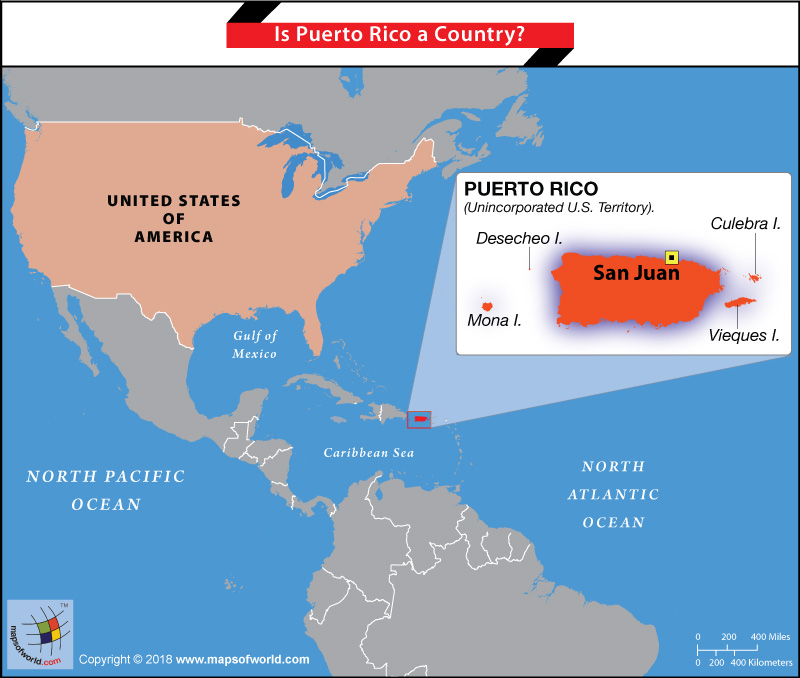
The question “Is Puerto Rico a state in the United States?” is one frequently asked by travelers, history buffs, and those simply curious about geopolitics. The short answer is no, Puerto Rico is not a state. It holds a unique and often misunderstood political status as an unincorporated territory of the United States, officially known as the Commonwealth of Puerto Rico. This distinctive relationship shapes not only its governance and economy but also its vibrant culture and the incredible travel experience it offers to visitors from around the globe.
Understanding Puerto Rico’s status is key to appreciating its appeal as a destination. While not a state, its ties to the United States mean that U.S. citizens can travel there without a passport, use the U.S. dollar, and enjoy the protections and benefits of U.S. federal agencies. Yet, it retains a distinct cultural identity, language, and a robust political debate about its future. This blend of familiarity and exoticism makes Puerto Rico an enticing place for those seeking rich experiences, from historical exploration to breathtaking natural beauty, without the complexities often associated with international travel. This article will delve into the nuances of Puerto Rico’s political standing, explore its magnetic pull as a tourist destination, and offer insights into planning an unforgettable visit to this gem of the Caribbean.

Unpacking Puerto Rico’s Unique Political Status
To fully grasp what makes Puerto Rico so special, one must first understand its complex political relationship with the United States. This isn’t just a dry historical fact; it profoundly influences daily life, cultural expression, and the overall visitor experience.
A Commonwealth Relationship Defined
Puerto Rico became a U.S. territory in 1898 following the Spanish-American War and the subsequent Treaty of Paris. Since 1917, Puerto Ricans have been U.S. citizens, allowing them to travel freely to the mainland United States, serve in the U.S. military, and hold U.S. passports. They operate under a republican form of government, much like a U.S. state, with their own governor and legislative assembly. The official currency is the U.S. dollar, and federal laws apply, although with some key distinctions.
As an unincorporated territory, Puerto Rico is subject to the authority of the U.S. Congress, which can pass laws concerning the island. However, residents of Puerto Rico cannot vote in federal elections (like presidential elections) unless they establish residency in a U.S. state. They also do not have voting representation in Congress, sending only a Resident Commissioner who can participate in committees but not vote on legislation on the House floor. Furthermore, while Puerto Ricans pay federal payroll taxes, they are generally exempt from federal income tax on income earned in Puerto Rico. This unique tax status has, at times, led to interesting economic incentives and debates. The island’s legal system is a blend of U.S. federal law and a local system based on Spanish civil law, reflecting its rich colonial past.
The Ongoing Debate: Statehood vs. Status Quo
The political status of Puerto Rico has been a subject of continuous debate for decades, with various plebiscites held to gauge public opinion. The main options typically presented are:
- Statehood: Becoming the 51st state of the United States, granting full voting rights in federal elections and full representation in Congress.
- Independence: Becoming a fully sovereign nation, completely separate from the United States.
- Enhanced Commonwealth Status / Free Association: A modified version of the current territorial status, offering greater autonomy while maintaining ties with the United States.
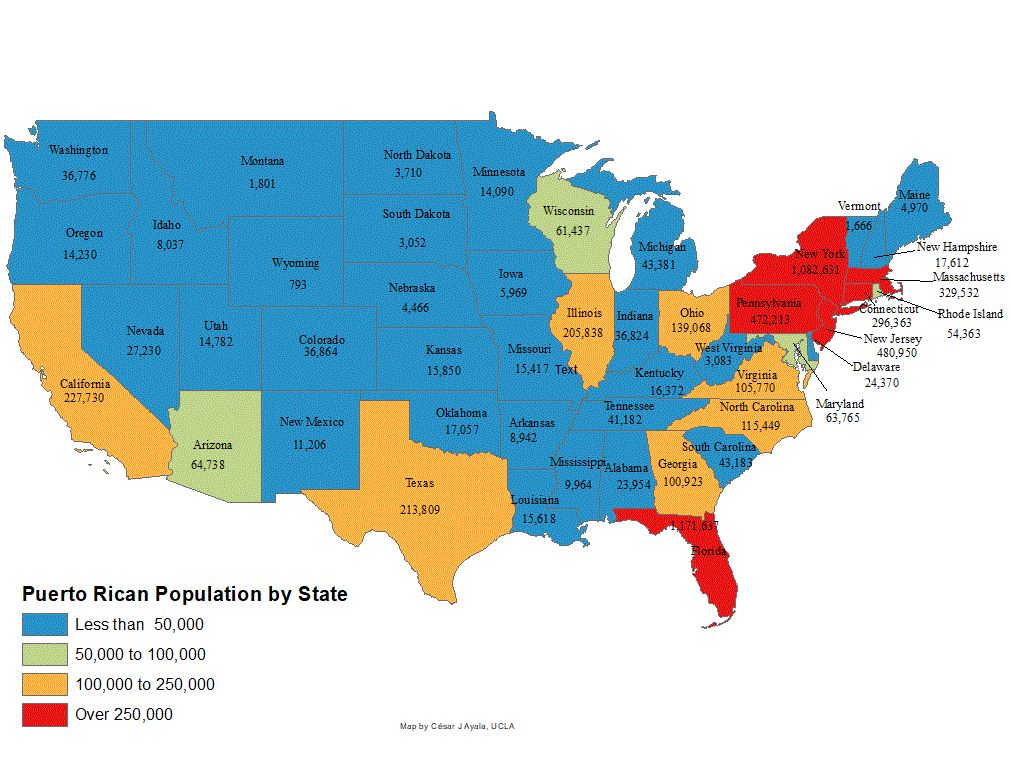
Each option has passionate advocates, and the debate is deeply woven into the fabric of Puerto Rican society and political discourse. This ongoing discussion highlights the island’s dynamic identity, caught between two powerful cultural and political influences. For travelers, this means encountering a proud people with a strong sense of self, deeply connected to both their Hispanic heritage and their American citizenship. It contributes to a unique cultural mosaic that is endlessly fascinating to explore.
Puerto Rico as a Premier Travel Destination
Despite (or perhaps because of) its unique political status, Puerto Rico stands out as an exceptionally attractive travel destination. It offers a captivating blend of Caribbean allure, rich history, diverse landscapes, and the comforting familiarity for U.S. citizens.
Effortless Travel for U.S. Citizens
One of the most significant advantages for U.S. citizens considering a getaway is the sheer ease of travel to Puerto Rico. There’s no need for a passport, no currency exchange to worry about (as the U.S. dollar is the official currency), and no complex customs procedures. This eliminates much of the stress typically associated with international travel, making it an ideal choice for spontaneous trips, family vacations, or those new to overseas adventures. Flights from major U.S. cities are frequent and relatively affordable, dropping you into the heart of the Caribbean in just a few hours. The prevalence of English alongside Spanish further simplifies navigation and communication, especially in tourist areas. This accessibility opens up a world of vibrant culture, stunning beaches, and lush rainforests to millions of travelers seeking an escape without the hassle.
Discovering San Juan: History, Culture, and Modern Amenities
The capital city of San Juan serves as the vibrant heart of Puerto Rico and is often the first stop for visitors. Its most iconic district, Old San Juan, is a UNESCO World Heritage Site that transports you back in time with its cobblestone streets, colorful colonial buildings, and imposing fortresses. Here, you can wander through centuries of history at sites like Castillo San Felipe del Morro (often simply called El Morro), a massive 16th-century citadel that once guarded the bay, and La Fortaleza, the governor’s official residence and a designated World Heritage Site in its own right. Beyond its historical charm, Old San Juan boasts a thriving arts scene, boutique shops, and world-class restaurants serving traditional Puerto Rican cuisine.
Outside Old San Juan, the metropolitan area offers a contrasting modern experience. Neighborhoods like Condado and Isla Verde are home to luxurious resorts, stylish boutique hotels, and stunning beachfront properties that cater to every taste and budget. These areas are perfect for those seeking sophisticated nightlife, high-end dining, and relaxing days by the pool or on the beach. San Juan seamlessly blends its rich past with contemporary amenities, making it a compelling hub for both cultural immersion and modern leisure.
Beyond the Capital: Exploring Natural Wonders and Local Charms
While San Juan is captivating, the true magic of Puerto Rico extends far beyond its capital. The island is a tapestry of diverse ecosystems and unique local cultures waiting to be explored.
One of its crown jewels is the El Yunque National Forest, the only tropical rainforest in the U.S. National Forest System. Here, visitors can hike lush trails, discover hidden waterfalls, and marvel at the incredible biodiversity, including the iconic coquí frog. Just a short drive from El Yunque, the beautiful sands of Luquillo Beach offer a perfect spot for swimming and sunbathing, often accompanied by the tempting aromas from the famous kioskos (food stands) serving local delicacies.
For an unparalleled natural spectacle, Puerto Rico is home to three of the world’s five bioluminescent bays. Mosquito Bay on Vieques is widely considered the brightest, offering a magical kayaking experience under a star-studded sky as the water glows with every paddle stroke. Other bioluminescent bays can be found near Fajardo and La Parguera.
The western coast, particularly around Rincón, is renowned as a surfer’s paradise, attracting enthusiasts from around the world to its impressive waves. Further south, Cabo Rojo offers stunning cliffs, salt flats, and the picturesque Los Morrillos Lighthouse. The southern city of Ponce, known as the “Pearl of the South,” captivates with its neoclassical architecture, vibrant plazas, and rich artistic heritage, including the impressive Ponce Museum of Art. Each region presents its own unique flavor, inviting travelers to delve deeper into the island’s diverse offerings.
Planning Your Puerto Rico Adventure: Accommodation & Lifestyle
A trip to Puerto Rico is more than just sightseeing; it’s an immersion into a vibrant culture, a culinary journey, and an opportunity to relax in stunning surroundings. Planning your visit involves considering the diverse accommodation options and embracing the island’s distinctive lifestyle.
Diverse Accommodation Options for Every Traveler
Puerto Rico boasts an extensive range of accommodation choices, ensuring there’s something to suit every preference and budget. For those seeking luxury and indulgence, world-class resorts like the St. Regis Bahia Beach Resort or the Dorado Beach, a Ritz-Carlton Reserve offer unparalleled service, private beaches, and exquisite dining experiences, ideal for a honeymoon or a high-end escape.
Mid-range travelers will find numerous comfortable and well-appointed hotels, particularly in San Juan’s Condado and Isla Verde areas, offering a mix of amenities, pools, and convenient access to attractions. Boutique hotels, often housed in charming colonial buildings in Old San Juan, provide a more intimate and culturally immersive experience.
For budget-conscious travelers or those seeking a local feel, guesthouses (paradores), vacation rentals (apartments and villas), and hostels are readily available across the island. These options can be particularly appealing for families, long-term stays, or business travelers who prefer the comforts of home. Many properties offer kitchenettes, making it easy to prepare meals and save on dining expenses. Whether you dream of a beachfront bungalow, a historic city apartment, or a serene mountain retreat, Puerto Rico’s accommodation landscape is rich and varied, promising a comfortable base for your adventures.
Immersing Yourself in Local Culture and Cuisine
The heart of the Puerto Rican experience lies in its vibrant culture. Music is an integral part of life, with rhythms like salsa and bomba y plena filling the air, especially during festivals and in lively plazas. Engaging with locals, whether through dance, conversation, or simply observing daily life, offers invaluable insights into the island’s spirit.
Puerto Rican cuisine is a delicious fusion of Taíno, Spanish, and African influences. No visit is complete without sampling local staples. Mofongo, a dish made from mashed plantains with garlic and pork cracklings, is a must-try, often served with various fillings. Other culinary delights include lechón asado (roasted pork), arroz con gandules (rice with pigeon peas), and pasteles. For a refreshing treat, try a piña colada, which is widely believed to have been invented in Puerto Rico. Exploring local markets and street food vendors is an excellent way to savor authentic flavors and interact with the friendly Puerto Rican people.
Tips for a Memorable Trip
To make the most of your Puerto Rican adventure, here are a few practical tips:
- Transportation: Renting a car is highly recommended for exploring beyond San Juan, especially if you plan to visit El Yunque or the bioluminescent bays. In San Juan, ride-sharing services and taxis are readily available.
- Language: While Spanish is the official language, English is widely spoken in tourist areas and major cities, so communication is generally not an issue.
- Best Time to Visit: The dry season, from December to May, offers pleasant weather and fewer rain showers, making it ideal for outdoor activities. This is also peak tourist season.
- Safety: Puerto Rico is generally safe for tourists, but like any destination, it’s wise to take standard precautions, especially in crowded areas or at night.
- Responsible Tourism: Respect local customs, support local businesses, and be mindful of the environment, particularly in natural reserves like El Yunque and the bioluminescent bays.
In conclusion, while Puerto Rico may not be a state, its unique status as a U.S. territory offers a compelling blend of American convenience and vibrant Caribbean culture. It provides an accessible yet exotic travel experience, allowing U.S. citizens to immerse themselves in a rich historical tapestry, explore breathtaking natural wonders, and indulge in a lively culinary scene, all without the complexities of international travel. From the historic charm of Old San Juan to the lush rainforests and glowing bays, Puerto Rico promises an unforgettable adventure for every type of traveler.
LifeOutOfTheBox is a participant in the Amazon Services LLC Associates Program, an affiliate advertising program designed to provide a means for sites to earn advertising fees by advertising and linking to Amazon.com. Amazon, the Amazon logo, AmazonSupply, and the AmazonSupply logo are trademarks of Amazon.com, Inc. or its affiliates. As an Amazon Associate we earn affiliate commissions from qualifying purchases.