
The question of whether Puerto Rico is a state of the United States is one that frequently arises, sparking curiosity among travelers and those interested in global political structures alike. While geographically and culturally distinct, the island commonwealth maintains a unique and complex relationship with the mainland United States. It’s a question that delves deep into history, politics, and the very identity of a vibrant Caribbean gem. For many planning a trip, understanding this status is key to appreciating the unique blend of American influence and rich Puerto Rican heritage that permeates every aspect of life, from its bustling cities to its tranquil beaches.
This article aims to clarify Puerto Rico’s political status, exploring its historical journey and outlining the implications of its current commonwealth designation. Beyond the political discussion, we’ll delve into why this island paradise remains a premier travel destination, offering a wealth of attractions, diverse accommodations, and unforgettable cultural experiences that appeal to every type of traveler. From its stunning natural landmarks to its luxurious resorts and authentic local cuisine, Puerto Rico promises an adventure unlike any other, regardless of its precise governmental affiliation.
Understanding Puerto Rico’s Unique Status
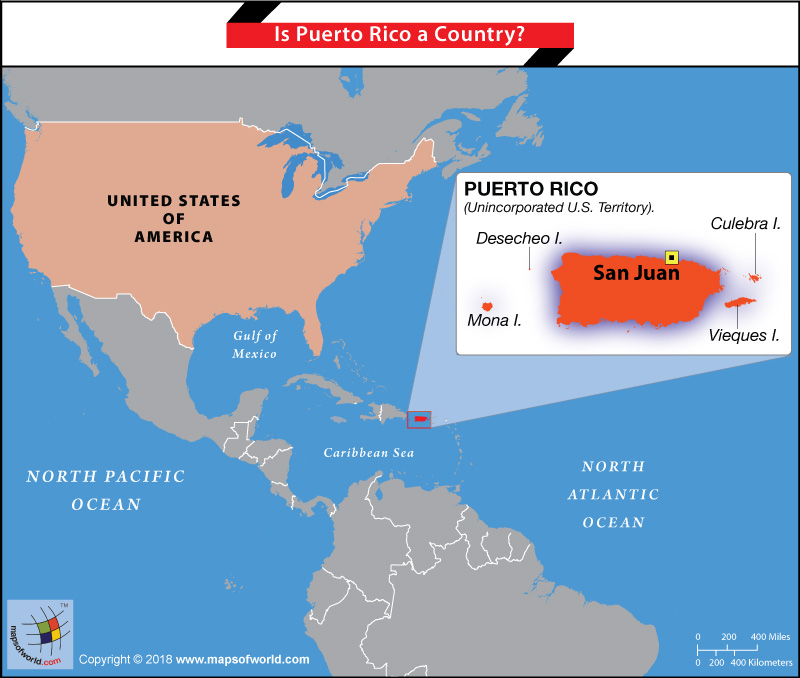
The most direct answer to the question “Is Puerto Rico a state of the United States?” is no. Puerto Rico is not one of the 50 states of the United States. Instead, it holds the official status of an unincorporated territory of the United States, also referred to as a commonwealth. This designation carries significant implications for its governance, its citizens, and its relationship with the federal government, differentiating it from both independent nations and full U.S. states.
A Commonwealth, Not a State
As a commonwealth, Puerto Rico operates under its own constitution, which was ratified by its people in 1952. This constitution provides for a republican form of government, including a governor and a legislative assembly. Citizens of Puerto Rico are natural-born U.S. citizens and carry U.S. passports, allowing them to travel freely to and from the mainland United States without immigration checks. They serve in the U.S. military, are subject to federal laws, and benefit from many federal programs.
However, there are crucial differences from statehood. Residents of Puerto Rico do not pay federal income tax on income earned on the island, though they do pay other federal taxes like Social Security and Medicare. Perhaps most significantly, they do not have voting representation in the U.S. Congress, nor do they vote in U.S. presidential elections, though they can participate in primary elections. The island has a Resident Commissioner who serves in the U.S. House of Representatives but can only vote in committees, not on the House floor. This unique blend of rights and limitations is at the heart of the ongoing debate about Puerto Rico’s future political status, with statehood, independence, and enhanced commonwealth status all being discussed.
Historical Context and Political Evolution
The relationship between Puerto Rico and the United States dates back to 1898, when Spain ceded the island to the United States following the Spanish-American War. For centuries prior, Puerto Rico had been a Spanish colony, deeply influencing its language, culture, and architecture.
Over the subsequent decades, the U.S. gradually granted more autonomy to the island. The Jones-Shafroth Act of 1917 granted U.S. citizenship to Puerto Ricans. In the mid-20th century, the island gained the right to elect its own governor and established its commonwealth status. This period marked a significant step towards self-governance, though the ultimate sovereignty over the island remains with the U.S. Congress. Periodically, referendums have been held where Puerto Ricans have voted on their preferred political status, with results often showing a complex division of opinion, though recent votes have indicated a preference for statehood. These votes, however, are not binding on the U.S. Congress, leaving the island’s future status a subject of ongoing political discourse and an important consideration for anyone looking to understand this fascinating destination.

Puerto Rico as a Premier Travel Destination
Despite, or perhaps because of, its distinct political status, Puerto Rico has blossomed into a premier destination for travelers seeking an authentic Caribbean experience combined with the convenience of U.S. travel regulations. For U.S. citizens, there’s no need for a passport, no currency exchange (the U.S. dollar is used), and easy access via numerous direct flights from major U.S. cities, making it an incredibly accessible international-feeling getaway. This unique accessibility allows visitors to dive headfirst into a vibrant culture, stunning natural beauty, and a rich history without the typical hurdles of international travel.
Exploring Diverse Landscapes and Attractions
Puerto Rico is often described as a microcosm of diverse landscapes. From the lush, emerald peaks of the only tropical rainforest in the U.S. National Forest System, El Yunque National Forest, to the sun-drenched, white-sand beaches that consistently rank among the world’s best, the island offers an astonishing variety of natural attractions. Adventurers can hike through dense jungle trails, chasing waterfalls and spotting exotic wildlife, while beach lovers can bask in the warm Caribbean Sea waters.
Beyond its natural splendor, the island boasts a plethora of man-made attractions. The capital city of San Juan serves as the vibrant heart of the island, where historic colonial architecture meets modern urban living. The charm of Old San Juan with its cobblestone streets and colorful buildings is irresistible, offering endless opportunities for exploration, dining, and shopping. Further afield, the bioluminescent bays, particularly Mosquito Bay on Vieques island, offer magical nocturnal kayaking experiences where the water glows with every paddle stroke. The island’s size makes it easy to explore multiple regions, from the surf towns of the west coast near Aguadilla to the tranquil, pristine beaches of Culebra, often reached by ferry from Fajardo.
Unforgettable Cultural Experiences and Cuisine
Puerto Rico’s culture is a captivating fusion of Taíno, African, and Spanish influences, seasoned with a contemporary American touch. This rich heritage is evident in every aspect of island life, from its music and dance to its art and festivals. Visitors can immerse themselves in the local culture by attending traditional fiestas, exploring art galleries, or simply by strolling through the lively plazas of towns like Ponce, known for its unique architecture and vibrant art scene.
The culinary scene in Puerto Rico is a highlight for any food enthusiast. Known as cocina criolla, the local cuisine is a hearty and flavorful blend of ingredients and cooking techniques from its diverse heritage. Staples include mofongo (fried plantains mashed with garlic and pork cracklings), lechon (slow-roasted pork), and pasteles (a plantain or yuca-based masa filled with meat and wrapped in a banana leaf). Seafood is abundant and fresh, often prepared simply to highlight its natural flavors. The island is also the birthplace of the piña colada, and sampling this iconic cocktail in its original home is a must-do. Food tours, cooking classes, and visits to local markets offer fantastic opportunities to truly savor the flavors of Puerto Rico.
Planning Your Trip: Accommodation and Lifestyle
Planning a trip to Puerto Rico means choosing from a vast array of accommodation options and deciding what kind of lifestyle experience you desire. Whether you’re seeking lavish luxury, budget-friendly stays, family-oriented resorts, or an extended visit for remote work, the island caters to every preference and purpose. The infrastructure is robust, ensuring ease of booking and quality stays across the spectrum.
Top Hotels and Resorts for Every Traveler
Puerto Rico boasts an impressive selection of hotels and resorts that cater to various budgets and travel styles. For those seeking opulence, luxury resorts like Dorado Beach, a Ritz-Carlton Reserve, or the St. Regis Bahia Beach Resort offer world-class amenities, private beaches, gourmet dining, and spa services, perfect for a high-end lifestyle experience. In San Juan’s fashionable Condado district, the historic Condado Vanderbilt Hotel and the iconic Caribe Hilton provide a blend of luxury and beachfront access, along with vibrant nightlife and dining. The Fairmont El San Juan Hotel is another fantastic option, renowned for its lively atmosphere and elegant design.
For travelers who prefer boutique charm and historical ambiance, the Hotel El Convento in Old San Juan, a former Carmelite convent, offers a unique and luxurious stay steeped in history. Families often gravitate towards resorts with extensive facilities, such as the grand El Conquistador Resort near Fajardo, which includes a water park and access to a private island. Budget-conscious travelers will find numerous guesthouses, smaller hotels, and vacation rentals throughout the island, especially outside the main tourist hubs, providing comfortable accommodation without breaking the bank. Always remember to check reviews and compare options to find the best fit for your trip.
Beyond the Usual: Unique Stays and Long-Term Options
Beyond traditional hotels, Puerto Rico offers an increasing number of unique accommodation options. Travelers seeking a more immersive experience can opt for charming bed & breakfasts, eco-lodges nestled in the rainforest, or even glamping sites that offer a blend of nature and comfort. Apartments and villas are also widely available for rent, providing more space and flexibility, which is ideal for families, groups, or those considering a long-term stay. The rise of digital nomadism has also led to more options for extended visits, with many properties offering amenities suited for remote work, such as high-speed internet and dedicated workspaces.
Booking accommodation is straightforward, with major online travel agencies and direct hotel websites offering comprehensive booking platforms. For long-term stays, specialized rental platforms can help travelers find suitable homes or apartments for months at a time, allowing for a deeper dive into the local lifestyle and culture. This flexibility allows visitors to truly embrace the island’s rhythm, whether for a quick weekend getaway, a week-long vacation, or an extended period of cultural immersion and exploration.
Iconic Landmarks and Must-Visit Spots
Puerto Rico’s landscape is dotted with historical treasures and natural wonders that tell the story of its vibrant past and showcase its breathtaking beauty. From ancient fortifications that defended the island for centuries to verdant forests and hidden caves, these landmarks are essential components of any comprehensive travel guide to the island.
Historic Forts and Vibrant Old San Juan
The fortifications of San Juan stand as a testament to the island’s strategic importance throughout history. The most iconic is Castillo San Felipe del Morro, commonly known as El Morro. This magnificent 16th-century citadel, a UNESCO World Heritage Site, guarded the entrance to San Juan Bay for over 400 years. Its sprawling grounds and intricate tunnels offer a fascinating glimpse into military history. Equally impressive is Castillo San Cristobal, the largest fortification built by the Spanish in the New World, designed to protect Old San Juan from land attacks. Exploring these fortresses is a journey back in time, offering panoramic views of the Atlantic Ocean and the colorful cityscape.
Old San Juan itself is a landmark, a living museum of Spanish colonial architecture. Its narrow, blue cobblestone streets, brightly painted buildings, and charming plazas are perfect for leisurely strolls. Visitors can explore a multitude of shops, art galleries, restaurants, and bars, discovering hidden gems around every corner. Points of interest include the San Juan Cathedral (where the tomb of Ponce de León rests) and La Fortaleza, the official residence of the Governor of Puerto Rico, also a UNESCO World Heritage Site. The blend of history, culture, and lively atmosphere makes Old San Juan an unforgettable experience.
Natural Wonders and Outdoor Adventures
Beyond the historical architecture, Puerto Rico is a treasure trove of natural landmarks. El Yunque National Forest remains a top attraction, offering hiking trails through verdant jungle, opportunities for birdwatching, and refreshing swims in natural pools under waterfalls like La Mina Falls. It’s an essential experience for nature lovers.
For those seeking unique geological formations, the karst region of the island’s north-central area offers fascinating sites. Cueva Ventana (Window Cave) provides breathtaking views of the Río Camuy Valley from a natural window carved into a cliff face. Nearby, the Camuy River Cave Park features one of the largest cave systems in the world, with impressive caverns and underground rivers open for guided tours.
And of course, Puerto Rico’s beaches are legendary. While the main island has stunning stretches of sand, the offshore islands of Vieques and Culebra are home to some of the most acclaimed. Flamenco Beach on Culebra is consistently ranked among the top beaches globally, famous for its crescent shape, turquoise waters, and pristine white sands. These natural wonders provide endless opportunities for outdoor activities, from snorkeling and diving to kayaking and sunbathing, truly embodying the diverse natural beauty of Puerto Rico.
In conclusion, while Puerto Rico is not a state of the United States, its status as a U.S. commonwealth offers a unique blend of American familiarity and vibrant Caribbean culture. This distinctive arrangement makes it an exceptionally accessible and rewarding travel destination, promising an enriching experience for all who visit. Whether you’re drawn by its historical landmarks, diverse natural beauty, delectable cuisine, or luxurious accommodations, Puerto Rico stands ready to enchant you with its unforgettable charm.
LifeOutOfTheBox is a participant in the Amazon Services LLC Associates Program, an affiliate advertising program designed to provide a means for sites to earn advertising fees by advertising and linking to Amazon.com. Amazon, the Amazon logo, AmazonSupply, and the AmazonSupply logo are trademarks of Amazon.com, Inc. or its affiliates. As an Amazon Associate we earn affiliate commissions from qualifying purchases.