
Planning a trip to a vibrant destination like Puerto Rico involves meticulous attention to detail, from booking the perfect accommodation to mapping out exciting attractions. Yet, one fundamental piece of information often overlooked until the last minute is the local time zone. Understanding Puerto Rico’s time is not just about avoiding missed flights or late arrivals; it’s crucial for seamlessly integrating into the local lifestyle, maximizing your travel experiences, and truly immersing yourself in the island’s unique rhythm. For travelers hailing from various parts of the globe, knowing whether you’ll gain or lose hours can significantly impact your itinerary, your sleep schedule, and ultimately, your enjoyment of this beautiful Caribbean gem.
This comprehensive guide will demystify Puerto Rico’s time zone, explain its implications for your journey, and offer practical tips to ensure your visit is as smooth and enriching as possible. Whether you’re a first-time visitor or a seasoned traveler returning to its shores, a clear grasp of “what time is it in Puerto Rico?” is your first step towards an unforgettable adventure.
Understanding Atlantic Standard Time (AST)
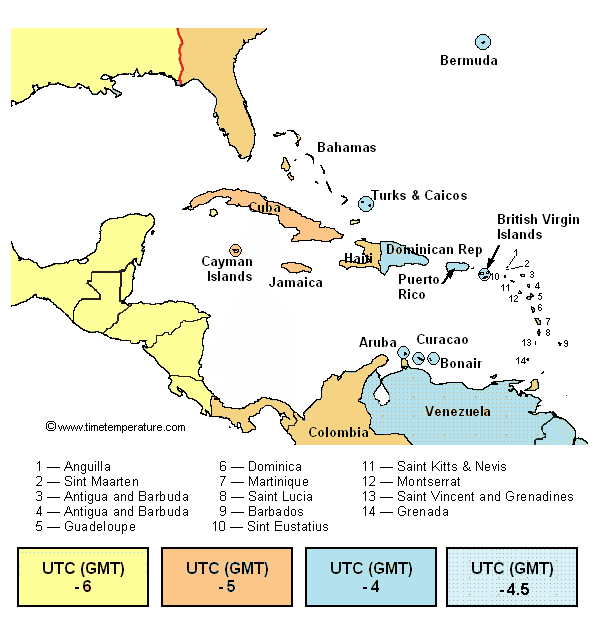
At the heart of any time-related query about Puerto Rico lies the simple answer: the island observes Atlantic Standard Time (AST) year-round. This is a crucial distinction that simplifies travel planning but also requires awareness for those accustomed to daylight saving shifts.
Puerto Rico’s Consistent Time Zone: No Daylight Saving
Atlantic Standard Time (AST) is fixed at UTC-4, meaning it is four hours behind Coordinated Universal Time. The most significant aspect of Puerto Rico’s timekeeping, and a definite advantage for travelers, is its exemption from daylight saving time. This means that throughout the year, the time in Puerto Rico remains constant.
For visitors from the United States mainland, particularly those accustomed to switching between Eastern Standard Time (EST) and Eastern Daylight Time (EDT), this consistency simplifies matters considerably.
- During EST (winter months): Puerto Rico (AST) is one hour ahead of EST. For example, if it’s 10:00 AM EST in New York, it’s 11:00 AM AST in San Juan.
- During EDT (summer months): Puerto Rico (AST) is the same time as EDT. For example, if it’s 10:00 AM EDT in Miami, it’s also 10:00 AM AST in San Juan.
This stable time zone eliminates the confusion of adjusting clocks twice a year, ensuring that whether you visit in January or July, the time difference relative to your home base will be predictable. This predictability is a subtle yet significant factor in making Puerto Rico an attractive destination for seamless travel.
Why Time Matters for Travelers
Beyond simply knowing what time it is, understanding Puerto Rico’s time zone has practical implications for every aspect of your trip. From the moment you book your flight to the last souvenir you purchase, time plays a pivotal role in shaping your experience.
Firstly, flight schedules are obviously dictated by local time. Confirming your arrival and departure times in AST will prevent any last-minute rushes or missed connections. Imagine arriving at Luis Muñoz Marín International Airport an hour earlier or later than you anticipated your shuttle or rental car booking to be.
Secondly, pre-booked tours and excursions operate on a strict schedule. Whether you’re planning a bioluminescent bay kayak tour in Vieques, a hiking adventure in El Yunque National Forest, or a culinary walk through Old San Juan, showing up at the wrong time could mean missing out on a unique experience and potentially losing your booking fee. Similarly, restaurant reservations and spa appointments will adhere to local time, so converting correctly from your home time zone is essential.
Thirdly, considering the time difference can help you manage your communication with home. If you’re calling family or colleagues back in a different time zone, knowing the exact time difference allows you to connect at a convenient hour for both parties, rather than waking someone up or interrupting an important meeting.

Finally, managing the time change effectively can significantly mitigate the effects of jet lag, particularly if you’re traveling from further west. By adjusting your internal clock even before you depart, you can hit the ground running and make the most of every moment in paradise.
Time and Travel Planning in Puerto Rico
Effective travel planning is a cornerstone of a successful trip, and in Puerto Rico, integrating the local time into your schedule is key to unlocking the island’s full potential. Every aspect, from the opening hours of historical landmarks to the ideal time to visit a secluded beach, is dictated by AST.
Optimal Timing for Attractions and Activities
Puerto Rico offers an incredibly diverse range of attractions and activities, each with its own optimal visiting hours. Knowing the local time helps you plan your days efficiently to avoid crowds, capture the best light for photography, or simply enjoy experiences when they are at their most vibrant.
- El Yunque National Forest: As the only tropical rainforest in the USA National Forest System, El Yunque is best explored in the morning to beat the heat, humidity, and afternoon rain showers that are common in this lush environment. Most trails and visitor centers open between 8:00 AM and 9:00 AM AST.
- Old San Juan: To truly soak in the colonial charm of Old San Juan, plan your sightseeing for the early morning or late afternoon. The historic forts like Castillo San Felipe del Morro and Castillo San Cristóbal open around 9:00 AM and close by 5:00 PM. Visiting outside of peak midday heat allows for more comfortable exploration of the cobblestone streets, colorful buildings, and local shops.
- Beaches: Puerto Rico is famed for its stunning beaches, from the serene shores of Luquillo Beach to the iconic Flamenco Beach on Culebra. While you can enjoy them all day, mornings offer calmer waters and fewer crowds, while late afternoons provide breathtaking sunsets.
- Bioluminescent Bays: These magical natural phenomena in Laguna Grande (Fajardo), La Parguera (Lajas), and Mosquito Bay (Vieques) are exclusively evening activities, with tours typically departing after sunset. You’ll need to schedule these precisely according to AST and moonlight cycles.
- Museums and Galleries: Most cultural institutions in San Juan, Ponce, and other cities adhere to typical daytime operating hours, generally from 9:00 AM or 10:00 AM to 4:00 PM or 5:00 PM AST. Always check specific hours for places like the Ponce Museum of Art or Casa Blanca.
Accommodation Check-ins and Check-outs
When it comes to accommodation, understanding the local time is paramount for a smooth arrival and departure. Whether you’ve booked a luxurious suite at the Condado Vanderbilt Hotel, a secluded villa at The St. Regis Bahia Beach Resort, or a cozy apartment through a vacation rental service, standard check-in and check-out times are set in AST.
Typically, check-in is around 3:00 PM or 4:00 PM AST, and check-out is around 11:00 AM or 12:00 PM AST. If your flight arrives early in the morning or departs late at night, you’ll need to account for this time. Many hotels offer early check-in or late check-out options, sometimes for an additional fee, or provide luggage storage services. Confirming these arrangements in advance, considering your travel schedule and the local time, can save you from inconvenient waits or rushes.
For vacation rentals, communication with your host about your estimated arrival time is even more critical, as they might need to meet you in person to hand over keys or provide instructions. Miscalculating the time could lead to unnecessary delays or confusion. Always set your watch and phone to AST upon arrival to ensure you’re in sync with your accommodation provider and your entire travel itinerary.
Embracing Puerto Rico’s Lifestyle and Culture Through Time
Puerto Rico’s unique culture and vibrant lifestyle are deeply intertwined with its daily rhythms. Understanding these patterns, guided by Atlantic Standard Time, allows visitors to fully immerse themselves in the local way of life, from savoring traditional meals to dancing the night away.
Dining and Entertainment Schedules
Puerto Rico comes alive with flavors and sounds, and knowing when to find them is key to an authentic experience.
- Dining: While breakfast might be served early in hotels, many local eateries and panaderías (bakeries) start bustling around 7:00 AM or 8:00 AM AST. Lunch is typically enjoyed between 12:00 PM and 2:00 PM. Dinner, however, is a later affair for many Puerto Ricans. Restaurants often start filling up around 7:00 PM, with peak dining hours from 8:00 PM to 10:00 PM AST, especially on weekends. Embracing this later dining schedule is part of experiencing the local lifestyle.
- Nightlife: The island’s nightlife truly kicks off late. In San Juan’s lively neighborhoods like Condado, Santurce, and Old San Juan, bars and clubs often don’t get busy until 10:00 PM or 11:00 PM AST and can stay open well into the early morning hours. Live music venues and salsa clubs operate on a similar schedule, ensuring that the party continues long after many other destinations have wound down. If you’re looking to enjoy this energetic side of Puerto Rico, factor in these later timings for your evening plans.
Festivals and Events
Puerto Rico is renowned for its vibrant festivals and events that celebrate everything from music and art to food and religious traditions. These often involve specific schedules and procession times that are strictly adhered to in AST.
- San Sebastián Street Festival: One of the most famous and largest festivals, held every January in Old San Juan, features parades, live music, and street vendors that typically begin in the late morning and continue late into the night.
- Christmas and New Year’s Eve Celebrations: The holiday season in Puerto Rico is extended and particularly festive, running from Thanksgiving until mid-January, encompassing Three Kings’ Day. Specific mass times, parades, and celebratory gatherings will all be scheduled in AST. Attending a traditional parranda (caroling group) means being ready to join in the spontaneous musical festivities that can happen at any hour of the evening.
- Cultural Performances: Many theaters and cultural centers, such as the Luis A. Ferré Performing Arts Center in San Juan, host concerts, ballets, and plays. Performances typically begin around 8:00 PM or 9:00 PM AST, aligning with the local preference for later evening entertainment.
To fully engage with these cultural highlights, it’s essential to check local listings and event schedules in AST. This not only ensures you don’t miss out but also allows you to pace yourself and truly enjoy the energy and vibrancy of Puerto Rico’s collective celebrations. Being in sync with local time allows for spontaneous moments of discovery and participation that define an authentic travel experience.
Practical Tips for Managing Time Across Time Zones
While Puerto Rico’s consistent Atlantic Standard Time simplifies matters, managing time effectively when traveling from a different zone is still crucial for a comfortable and stress-free trip. A few simple strategies can help you adjust quickly and make the most of your time on the island.
Adjusting to AST and Avoiding Jet Lag
For travelers coming from time zones significantly different from AST, especially those flying in from the Pacific or Mountain Time Zones in the USA, adapting to the local time can be challenging. However, even those from the Eastern Time Zone might need to adjust, depending on the time of year.
- Adjust Before You Go: If possible, start shifting your sleep schedule by an hour or two each day in the days leading up to your trip. If you’re gaining time (traveling east), try going to bed and waking up earlier. If you’re losing time (traveling west), try staying up later.
- Hydrate and Stay Active: Dehydration can exacerbate jet lag symptoms. Drink plenty of water before, during, and after your flight. Light exercise or walking upon arrival can also help your body adjust to the new rhythm.
- Embrace the Sun: Sunlight is a powerful regulator of our circadian rhythm. Spend time outdoors in the morning to signal to your body that it’s daytime in Puerto Rico. If you arrive in the afternoon, try to stay awake until the local evening.
- Prioritize Sleep: While it’s tempting to pack every moment with activities, getting adequate sleep is paramount. Aim to go to bed and wake up at times that align with AST as quickly as possible.
- Set Your Clocks Immediately: As soon as your plane lands, or even before you disembark, change all your devices (phone, watch, tablet) to AST. This immediate mental shift helps your brain start adapting.

Essential Apps and Tools
In the digital age, managing different time zones is easier than ever with the help of technology.
- World Clock Apps: Most smartphones come with a built-in world clock function. Add San Juan (or any other Puerto Rican city) to your list of time zones to quickly reference the local time against your home time. This is invaluable for coordinating calls or virtual meetings.
- Time Zone Converters: Websites and apps specifically designed for time zone conversion can be particularly useful for complex itineraries or for those who need to frequently switch between multiple time zones.
- Flight Tracking Apps: Apps that provide real-time updates on flight statuses, including arrival and departure times in local zones, are essential for ensuring you’re always on schedule.
- Local Weather Apps: While not directly related to time, knowing the local weather forecast can help you plan your daily activities around peak heat or potential rain showers, further optimizing your schedule.
By being proactive and utilizing these simple tips and tools, you can minimize any time-related disruptions and fully enjoy every moment of your journey through Puerto Rico’s captivating landscapes and vibrant culture.
Conclusion
Understanding “what time is it in Puerto Rico?” is more than just a trivial detail; it’s a foundational element for orchestrating a truly memorable and stress-free travel experience. The island’s consistent observance of Atlantic Standard Time (UTC-4) year-round, without the complications of daylight saving, offers a predictable rhythm that simplifies travel planning for visitors from around the globe.
From ensuring timely arrivals for flights and accommodation check-ins at world-class hotels like the Condado Vanderbilt Hotel or The St. Regis Bahia Beach Resort, to perfectly timing your explorations of historical landmarks such as Old San Juan and natural wonders like El Yunque National Forest, a grasp of local time is invaluable. It enables you to dive seamlessly into the local tourism scene, savor the authentic flavors of Puerto Rico’s dining establishments, immerse yourself in its vibrant nightlife, and participate fully in its rich tapestry of festivals and events.
By setting your watch to AST immediately upon arrival, making conscious efforts to adjust your internal clock, and leveraging modern tools to manage time zones, you position yourself for a more relaxed and fulfilling journey. So, as you finalize your plans for this captivating Caribbean destination, rest assured that the time in Puerto Rico is designed to let you unwind, explore, and create lasting memories without the added worry of constant clock adjustments. Embrace the local rhythm, and let Puerto Rico’s timeless charm sweep you away.
LifeOutOfTheBox is a participant in the Amazon Services LLC Associates Program, an affiliate advertising program designed to provide a means for sites to earn advertising fees by advertising and linking to Amazon.com. Amazon, the Amazon logo, AmazonSupply, and the AmazonSupply logo are trademarks of Amazon.com, Inc. or its affiliates. As an Amazon Associate we earn affiliate commissions from qualifying purchases.