
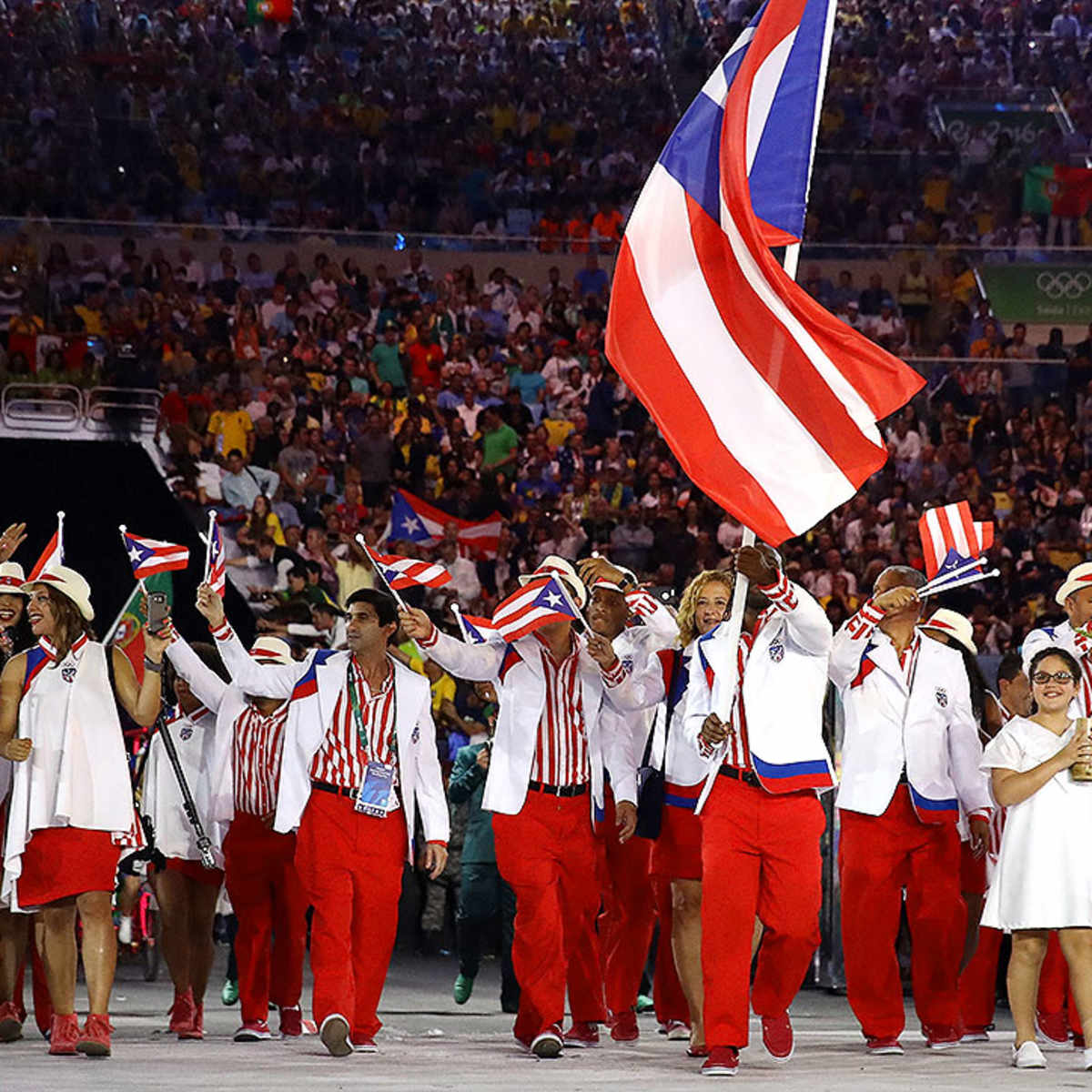
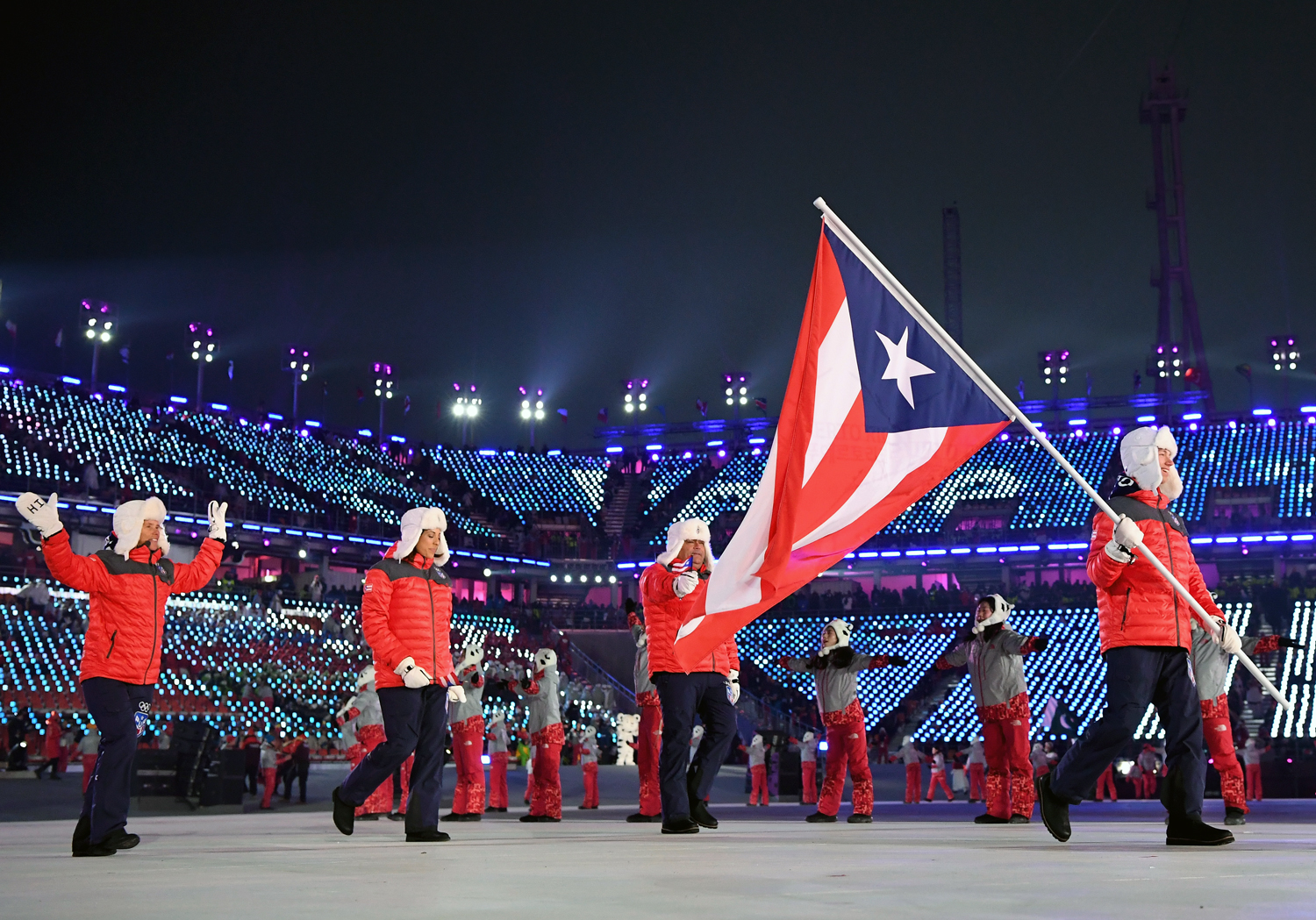
The sight of Puerto Rico’s athletes marching under their own flag at the Olympic Games is a powerful symbol of national identity and athletic prowess, yet it often sparks a question among global spectators: “Why does Puerto Rico have its own Olympic team when it is a territory of the United States?” This intriguing query delves deep into the realms of political status, historical precedent, and the unique cultural fabric that defines this vibrant Caribbean island. Far from being a mere political anomaly, Puerto Rico’s independent Olympic presence is a testament to its distinct identity, a legacy forged through decades of diplomatic efforts and a profound love for sports.
For those planning to explore this captivating destination, understanding this facet of Puerto Rico’s identity adds another layer to its rich cultural tapestry. The island, a jewel in the Caribbean Sea, offers an unparalleled travel experience, blending historical grandeur, stunning natural beauty, and a pulsating contemporary lifestyle. From the cobblestone streets of Old San Juan to the lush rainforests of El Yunque, and from world-class resorts to charming boutique accommodations, Puerto Rico stands as a beacon for travelers seeking adventure, relaxation, and authentic cultural immersion. Its Olympic journey, in many ways, mirrors the island’s own quest for recognition and celebration on the world stage.
A Unique Political Identity on the Global Stage
To unravel the mystery of Puerto Rico’s independent Olympic delegation, one must first grasp its complex political relationship with the United States. As an unincorporated territory, Puerto Ricans are U.S. citizens, yet they do not have full voting representation in the U.S. Congress and cannot vote in presidential elections while residing on the island. This unique status has allowed for a degree of internal self-governance, fostering a strong sense of distinct national identity that extends far beyond political boundaries, deeply embedding itself in culture, language, and, notably, sports.
The presence of a separate Puerto Rican Olympic team is not merely a modern-day concession; it’s rooted in specific historical decisions made by the International Olympic Committee (IOC) and the proactive efforts of Puerto Rico’s sports leaders. The IOC statutes, while evolving, have historically allowed non-sovereign states or territories to form National Olympic Committees (NOCs) under certain conditions, particularly if they had existing sports structures and a distinct identity.
The Genesis of an Olympic Dream: Early Independence
The journey began in the mid-20th century. The Puerto Rico Olympic Committee (COPR) was officially established in 1948 and recognized by the International Olympic Committee that same year. This was a pivotal moment, coming just a few years after the end of World War II and amidst a global shift towards decolonization and the recognition of diverse national identities. At that time, IOC rules were less stringent regarding political sovereignty as a prerequisite for NOC recognition. The focus was often on whether a territory had an organized sports federation and a clear geographical and cultural identity.
Puerto Rico met these criteria, possessing a vibrant local sports scene and a distinct cultural heritage that separated it from the mainland United States. Its official recognition in 1948 allowed Puerto Rico to send its first independent delegation to the 1948 London Olympic Games. This early recognition set a precedent that has been maintained despite subsequent changes in IOC policy which now generally require independent nation-state status for new NOC recognition. Puerto Rico, along with a few other non-sovereign entities like Bermuda and Hong Kong, was grandfathered in, ensuring its continued presence as a distinct team.
Navigating Commonwealth Status and International Recognition
The establishment of Puerto Rico as a Commonwealth of the United States in 1952 further solidified its unique political standing, granting it greater autonomy over internal affairs. This status, while still not full statehood or independence, underscored its ability to manage its own sporting destiny. The debate over Puerto Rico’s political future—whether it should become a state, remain a commonwealth, or become independent—is a recurring topic, but its Olympic status remains largely separate from these discussions, protected by historical IOC rulings.
The Puerto Rico Olympic Committee actively participates in various international multi-sport events, including the Pan American Games and the Central American and Caribbean Games, where its athletes compete as representatives of Puerto Rico, not the United States. This robust international engagement continually reinforces its distinct identity and solidifies its position within the global sporting community. For travelers, observing this deep-seated pride in their flag and athletes offers a glimpse into the heart of Puerto Rican patriotism, a sentiment that permeates every aspect of daily life, from local festivals to the bustling markets of San Juan.
Beyond Politics: The Rich Tapestry of Puerto Rican Culture and Sports
While political and historical factors explain the “how,” the “why” truly resonates when one considers the profound cultural significance of sports in Puerto Rico. Sports, particularly baseball, basketball, and boxing, are not just pastimes; they are integral to the national psyche, serving as powerful expressions of identity, resilience, and community spirit. The dream of competing for Puerto Rico on the Olympic stage is a cherished aspiration for many young athletes, symbolizing the pinnacle of personal achievement and collective pride.
This deep connection to sports also intertwines seamlessly with the island’s broader cultural appeal, making it an even more compelling destination. Visitors to Puerto Rico quickly realize that the vibrant energy of its people, their love for music, dance, and food, is matched only by their passionate enthusiasm for athletic competition. Whether it’s cheering on a local baseball game, discussing the latest boxing match, or celebrating an Olympic victory, sports provide a unique lens through which to experience the island’s lively lifestyle and warm hospitality.
A Legacy of Athletic Excellence and National Pride
Puerto Rico boasts a proud tradition of producing world-class athletes who have excelled in various disciplines. From legendary baseball players who have graced Major League Baseball (MLB) fields to boxing champions who have held multiple world titles, Puerto Rican athletes consistently demonstrate exceptional talent and determination. This legacy is a continuous source of inspiration and national pride, fueling the aspirations of future generations.
The Olympic team represents the culmination of this athletic spirit. Competing under the Puerto Rican flag allows athletes to directly represent their homeland, its culture, and its people, separate from the larger United States team. This distinction is immensely important to Puerto Ricans, as it affirms their unique place in the global community and allows their particular heritage to shine on an international platform. The emotional connection felt when a Puerto Rican athlete wins an Olympic medal is palpable, uniting the island in joyous celebration and reinforcing a collective sense of self.
Sporting Heroes and Memorable Moments
Over the decades, Puerto Rico has created numerous memorable moments at the Olympic Games. Its first Olympic medal came in 1948, won by boxer Juan Evangelista Venegas. Since then, athletes have continued to add to the medal tally across various sports, including boxing, wrestling, track and field, and tennis. Perhaps one of the most celebrated moments came in 2016 when tennis star Monica Puig won Puerto Rico’s first-ever gold medal at the Rio Olympic Games. Her victory was met with an outpouring of emotion and national euphoria, underscoring the deep significance of these achievements for the island’s population.
These sporting triumphs are woven into the fabric of Puerto Rican life, celebrated in homes, schools, and community centers across the island. For visitors, encountering this passion for sports provides an authentic cultural experience. You might find locals passionately discussing the chances of their favorite boxer, wearing jerseys of their national team, or simply enjoying a game of dominoes while recounting past Olympic glories. This shared enthusiasm enriches the travel experience, allowing tourists to connect with the local community on a deeper level and truly appreciate the vibrant pulse of the island.
Discovering Puerto Rico: A Vibrant Destination for Travelers
Beyond its fascinating Olympic story, Puerto Rico is a premier travel destination, offering an incredible array of experiences that cater to every type of traveler. From its sun-drenched beaches to its mist-shrouded mountains, and from its historic forts to its modern culinary scene, the island promises an unforgettable journey. The same independent spirit that drives its Olympic athletes is evident in the island’s resilience, its innovative culinary scene, and its commitment to preserving its unique heritage.
The website lifeoutofthebox.com aims to guide travelers through such journeys, highlighting destinations, attractions, and experiences that reflect local culture and offer enriching adventures. Puerto Rico perfectly embodies these themes, offering a harmonious blend of history, nature, and contemporary allure, all underpinned by a distinct Caribbean charm.
San Juan: A Blend of History, Hospitality, and Modern Allure
The capital city of San Juan serves as the primary gateway to the island, with Luis Muñoz Marín International Airport (SJU) welcoming millions of visitors annually. San Juan is a city of contrasts, where the ancient meets the avant-garde. Old San Juan, a UNESCO World Heritage Site, captivates with its colorful Spanish colonial architecture, blue cobblestone streets, and formidable fortifications. Iconic landmarks like El Morro and Castillo San Cristóbal stand as majestic sentinels, offering panoramic views of the Atlantic Ocean and whispering tales of centuries past.
Venturing beyond the historic core, neighborhoods like Condado and Isla Verde pulse with modern energy. Here, you’ll find luxury hotels, high-end resorts such as the Caribe Hilton or the La Concha Renaissance San Juan Resort, vibrant nightlife, and a sophisticated dining scene that showcases both traditional Puerto Rican flavors and international cuisine. San Juan is also a hub for arts and culture, boasting numerous museums, galleries, and live music venues where you can immerse yourself in the rhythms of salsa and plena. The fusion of historical depth and modern amenities makes San Juan an indispensable part of any Puerto Rican itinerary.
Beyond the Capital: Natural Wonders and Cultural Immersion
While San Juan offers an enticing introduction, the true magic of Puerto Rico unfolds as you explore beyond the capital. The island is a biodiversity hotspot, home to the only tropical rainforest in the U.S. National Forest System, El Yunque National Forest. Here, travelers can hike through lush trails, discover hidden waterfalls, and listen to the distinctive call of the coqui frog. The natural wonders extend to its stunning beaches, from the surfing paradise of Rincón on the west coast to the pristine white sands of Flamenco Beach on the island of Culebra, often ranked among the world’s best.
For those seeking unique natural phenomena, Puerto Rico is home to three of the world’s five bioluminescent bays: Mosquito Bay in Vieques, Laguna Grande in Fajardo, and La Parguera in Lajas. Kayaking through these glowing waters at night is an ethereal experience that leaves an indelible mark. Inland, the central mountainous region offers breathtaking landscapes, coffee plantations, and opportunities for adventure tourism like ziplining and cave exploration in places like Camuy River Cave Park. Each region of Puerto Rico offers a distinct cultural flavor, from the bomba and plena traditions of the coastal towns to the jíbaro culture of the interior, inviting deep cultural immersion.
Planning Your Puerto Rican Adventure: Accommodation and Lifestyle
Embarking on a Puerto Rican adventure means engaging with a lifestyle that blends Caribbean vibrancy with American convenience. The island offers an extensive range of accommodation options, ensuring that every traveler, whether seeking luxury, budget-friendly stays, or unique local experiences, finds their perfect retreat. The approach to tourism here is holistic, emphasizing local culture, sustainable practices, and unforgettable memories.
Navigating Puerto Rico is relatively easy, with a robust infrastructure and services catering to international visitors. The currency is the U.S. dollar, English is widely spoken alongside Spanish, and a vast selection of flights connects the island to major cities around the globe. These conveniences, combined with the island’s diverse attractions, make it an accessible yet exotic destination for families, couples, and solo adventurers alike.
From Luxury Resorts to Boutique Stays: Finding Your Perfect Retreat
Puerto Rico’s hospitality sector is as diverse as its landscapes. For those seeking opulence and pampering, the island boasts world-class luxury resorts, particularly in areas like Dorado, Condado, and Rio Grande. Properties like the St. Regis Bahia Beach Resort or the Dorado Beach, a Ritz-Carlton Reserve offer exquisite amenities, championship golf courses, and private beach access, catering to a sophisticated clientele. These resorts often provide comprehensive experiences, from spas and fine dining to organized excursions, creating a seamless and indulgent stay.
For travelers who prefer a more intimate and authentic experience, Puerto Rico offers a plethora of boutique hotels and guesthouses. In Old San Juan, charming establishments like Hotel El Convento, housed in a meticulously restored 17th-century convent, provide a historical ambiance paired with personalized service. Throughout the island, you can also find eco-lodges, vacation rentals, and apartment-style accommodations perfect for longer stays or family trips. Booking platforms offer extensive reviews and comparison tools, allowing travelers to find the ideal accommodation that suits their budget and travel style, ensuring comfort after a day of exploration.
Culinary Delights and Authentic Experiences
No visit to Puerto Rico is complete without indulging in its vibrant culinary scene. Puerto Rican cuisine, or cocina criolla, is a delicious fusion of Spanish, African, and Taíno influences, characterized by rich flavors and fresh ingredients. Staples like mofongo (fried plantains mashed with garlic and pork cracklings), lechon (roast suckling pig), and arroz con gandules (rice with pigeon peas) are must-tries. From fine dining establishments to casual roadside kiosks known as chinchorros, the island offers a gastronomic journey that reflects its diverse cultural heritage.
Beyond food, the lifestyle in Puerto Rico is defined by its warmth and celebratory spirit. Local festivals, such as the San Sebastián Street Festival in Old San Juan or various patron saint festivities in smaller towns, offer immersive cultural experiences with music, dance, and traditional crafts. Learning a few phrases in Spanish, engaging with locals, and embracing the island’s relaxed pace will significantly enhance your trip. Whether you’re savoring a cup of world-renowned Puerto Rican coffee, dancing salsa in a vibrant club, or simply enjoying the sunset over the Caribbean Sea, the island invites you to live life to the fullest.
In conclusion, Puerto Rico’s independent Olympic team is much more than a historical footnote; it is a living symbol of the island’s unique identity, its enduring spirit, and its cherished place on the global stage. This rich narrative of cultural pride and athletic excellence adds another compelling layer to a destination already brimming with natural beauty, historical depth, and vibrant lifestyle experiences, making it an irresistible draw for travelers worldwide.
LifeOutOfTheBox is a participant in the Amazon Services LLC Associates Program, an affiliate advertising program designed to provide a means for sites to earn advertising fees by advertising and linking to Amazon.com. Amazon, the Amazon logo, AmazonSupply, and the AmazonSupply logo are trademarks of Amazon.com, Inc. or its affiliates. As an Amazon Associate we earn affiliate commissions from qualifying purchases.