
San Francisco, often lovingly referred to as the “City by the Bay,” is a world-renowned destination famous for its iconic landmarks, vibrant culture, and breathtaking scenery. For anyone planning a visit, conducting business, or simply curious from afar, one of the most fundamental questions is, “What time is it in San Francisco?” Understanding the local time is not merely a matter of curiosity; it’s a crucial piece of information that impacts travel planning, communication, and the overall enjoyment of your trip.
Located on the west coast of the United States in the state of California, San Francisco observes Pacific Standard Time (PST) during the winter months and Pacific Daylight Time (PDT) during the warmer seasons. PST is 8 hours behind Coordinated Universal Time (UTC-8), while PDT is 7 hours behind (UTC-7). This shift occurs due to Daylight Saving Time, where clocks are moved forward by one hour in spring and back by one hour in autumn. This detail, seemingly small, holds significant implications for travelers and those interacting with the city from different global time zones.
Understanding San Francisco Time: The Rhythms of the Golden Gate City
The time in San Francisco dictates the rhythm of daily life, from the opening hours of world-class museums to the last calls at bustling restaurants in the Mission District. For international travelers, navigating the time difference is often the first hurdle. Jet lag, a common affliction caused by rapid travel across multiple time zones, can significantly impact the initial days of a trip. Understanding the local time helps in proactive planning, such as scheduling flights to allow for rest upon arrival and gradually adjusting your sleep schedule before departure.
For business travelers, knowing the precise time in San Francisco is paramount for coordinating meetings, conference calls, and deadlines. It ensures seamless communication and avoids potential misunderstandings stemming from time zone disparities. Similarly, families traveling with children might find it helpful to factor in the time change when planning activities, ensuring little ones aren’t overtired or hungry at inconvenient times.
The Impact of Daylight Saving Time
Daylight Saving Time can sometimes catch travelers off guard. Typically, clocks “spring forward” on the second Sunday in March and “fall back” on the first Sunday in November. This shift means that for roughly eight months of the year, San Francisco operates on PDT, offering longer daylight hours in the evenings—a boon for sightseeing and outdoor activities. During the winter months, PST means earlier sunsets, which can influence evening plans but also provide beautiful golden hour opportunities for photographers. Always confirm the current time zone status if your visit falls around these transition periods.
Planning Your San Francisco Adventure: Time, Itineraries, and Jet Lag
Effective time management is the cornerstone of any successful trip, especially to a city as rich in attractions as San Francisco. From the moment you land at San Francisco International Airport (SFO), Oakland International Airport (OAK), or San Jose Mineta International Airport (SJC), every minute counts.
Overcoming Jet Lag
To minimize the effects of jet lag, consider these tips:
- Adjust gradually: A few days before your trip, try to shift your sleep schedule closer to San Francisco time.
- Stay hydrated: Drink plenty of water during your flight.
- Embrace daylight: Once you arrive, spend time outdoors in the natural light to help reset your internal clock.
- Avoid napping: Resist the urge to nap for extended periods during the day, even if you feel tired.
- Plan light activities: For your first day, schedule less strenuous activities to ease into your trip.
Crafting Your Itinerary
A well-structured itinerary maximizes your time and allows you to experience the diverse facets of San Francisco. Consider grouping attractions by geographical location to reduce travel time. For instance, you could dedicate one day to the Golden Gate Bridge, Golden Gate Park, and the Presidio National Park, another to Fisherman’s Wharf, Pier 39, and a ferry trip to Alcatraz Island. The city’s efficient public transport system, including BART and Muni, makes moving between districts relatively easy.
Factor in travel time between destinations, meal breaks, and potential wait times at popular attractions. Booking tickets for tours and museums in advance is highly recommended, especially for popular spots like Alcatraz Island, to save valuable time and avoid disappointment.
Where to Stay: San Francisco Accommodation for Every Lifestyle
San Francisco offers a dazzling array of accommodation options, catering to every budget and travel style. From opulent luxury hotels to charming boutique inns and comfortable budget-friendly stays, finding the perfect base for your exploration is part of the adventure.
Luxury Lifestyle and High-End Hotels
For those seeking an indulgent experience, San Francisco boasts a collection of world-class luxury hotels that offer impeccable service, stunning views, and exquisite amenities.
- The St. Regis San Francisco: Known for its refined elegance and prime location near the San Francisco Museum of Modern Art and Yerba Buena Gardens.
- Four Seasons Hotel San Francisco: Offers sophisticated comfort and personalized service in the heart of the city.
- The Ritz-Carlton San Francisco: A landmark of luxury in the exclusive Nob Hill neighborhood, famed for its grandeur and panoramic city views.
- Palace Hotel: A historic gem known for its stunning Garden Court and central location.
- Proper Hotel San Francisco: Offers a unique blend of modern design and historic architecture in the Mid-Market district.

These establishments often feature fine dining restaurants, spas, and state-of-the-art fitness centers, ensuring your downtime is as luxurious as your sightseeing.
Mid-Range and Boutique Hotels
Travelers looking for comfort and character without the premium price tag will find numerous excellent options.
- Hyatt Regency San Francisco: Located on the Embarcadero, offering bay views and easy access to the Ferry Building Marketplace.
- Hotel Nikko San Francisco: Combines Japanese-inspired hospitality with a central Union Square location.
- InterContinental San Francisco: A stylish option close to the Moscone Center and vibrant SoMa district.
- Hotel Zeppelin San Francisco: A rock-and-roll themed boutique hotel offering a unique stay near Union Square.
These hotels often provide a great balance of amenities, location, and value, perfect for both business and leisure travelers.
Budget-Friendly and Unique Stays
For budget-conscious travelers or those seeking a more local experience, San Francisco has hostels, guesthouses, and vacation rentals. Areas like the Tenderloin (with caution), or outer Richmond and Sunset districts may offer more affordable accommodation, though they might require longer commutes to popular tourist spots. Consider vacation rentals (apartments or villas) for longer stays or family trips, which can often provide more space and self-catering facilities. When booking, always check recent reviews and compare options carefully to ensure they meet your expectations.
Experiences and Landmarks: Making Every Moment Count
San Francisco’s allure lies in its diverse array of experiences and iconic landmarks. Managing your time effectively allows you to soak in the beauty and history that define this incredible city.
Iconic Landmarks Not to Miss
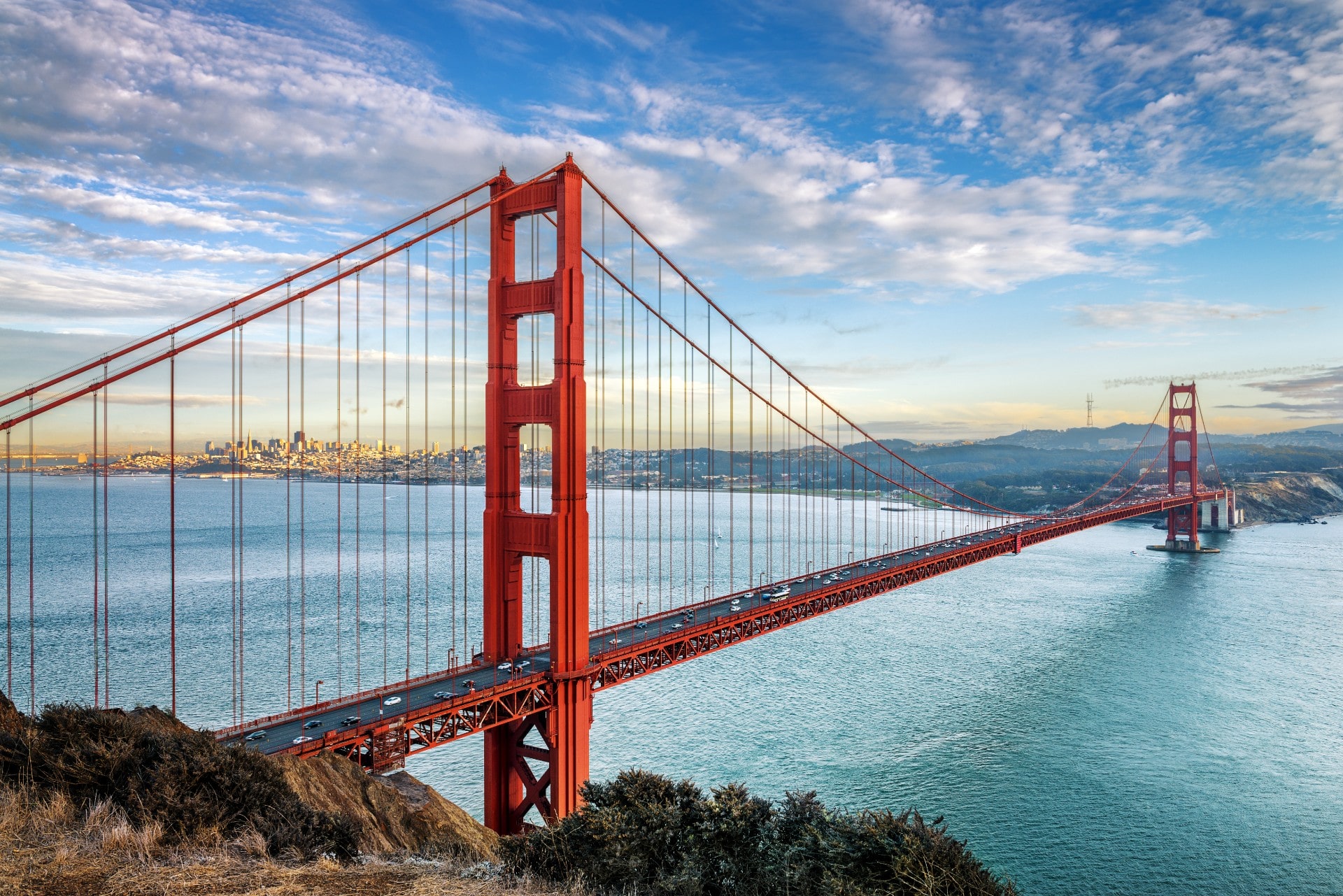
- Golden Gate Bridge: No visit is complete without seeing, walking, or biking across this engineering marvel. Plan for a few hours to truly appreciate its scale and the surrounding views of the Golden Gate National Recreation Area, Crissy Field, and Marin Headlands.
- Alcatraz Island: Book tickets months in advance for this infamous former prison. The audio tour is highly recommended and offers fascinating insights into its history. Allocate at least 2-3 hours for the tour and ferry ride.
- Fisherman’s Wharf & Pier 39: Bustling with activity, these areas offer seafood, street performers, and the famous sea lions. This can be a half-day or full-day experience, especially if you visit the Aquarium of the Bay.
- Lombard Street: The “most crooked street in the world” is a fun stop for photos. It’s best viewed from the bottom looking up, or by driving down its famous curves.
- Coit Tower: Offers 360-degree views of the city and bay from Telegraph Hill. The murals inside are also worth seeing.
- Palace of Fine Arts: A stunning architectural masterpiece, perfect for a leisurely stroll and beautiful photos.
Cultural Immersions and Unique Experiences
- Chinatown: The oldest Chinatown in North America is a sensory delight. Explore its vibrant streets, sample authentic cuisine, and visit historic temples.
- Haight-Ashbury: Step back into the 1960s counterculture movement in this iconic neighborhood. Browse vintage shops and soak in the bohemian atmosphere.
- Golden Gate Park: Larger than New York City’s Central Park, this urban oasis houses the California Academy of Sciences, the de Young Museum, the Japanese Tea Garden, and more. You could easily spend a full day or two here.
- Ferry Building Marketplace: A foodie paradise along the Embarcadero, offering gourmet delights and artisanal goods.
- Museums: Beyond those in Golden Gate Park, explore the San Francisco Museum of Modern Art (SFMOMA), the Exploratorium on Pier 15, the Asian Art Museum, and the Walt Disney Family Museum in the Presidio.
Day Trips from San Francisco
If you have extra time, consider venturing beyond the city limits:
- Sausalito: A charming waterfront town just across the Golden Gate Bridge, accessible by ferry or bike.
- Muir Woods National Monument: Home to majestic old-growth redwood trees. Reservations are often required.
- Napa Valley & Sonoma Valley: World-renowned wine regions perfect for a day of tasting and scenic drives.
Navigating San Francisco: Practical Tips for a Timeless Visit
Making the most of your time in San Francisco also involves practical considerations that enhance your visit.
Transportation
- Public Transit: The Muni system (buses, streetcars, historic trolleys, and the iconic Cable Car) and BART (commuter rail) are excellent for getting around. Purchase a Clipper Card for seamless travel.
- Walking: Many neighborhoods are best explored on foot, but be prepared for San Francisco’s famous hills. Comfortable shoes are a must!
- Ride-sharing: Services like Uber and Lyft are readily available, especially in the downtown areas.
- Driving: While convenient for day trips, driving within the city can be challenging due to narrow streets, one-way systems, and expensive parking.
Weather and Packing
San Francisco weather is famously unpredictable. Mark Twain’s apocryphal quote, “The coldest winter I ever spent was a summer in San Francisco,” holds a kernel of truth. Summers can be foggy and cool, while autumn often brings the clearest and warmest days. Always pack layers—even on a sunny day, the temperature can drop quickly, especially near the coast or after sunset. A light jacket, a sweater, and comfortable walking shoes are essential year-round.
Dining and Local Culture
San Francisco’s culinary scene is a melting pot of global flavors, with fresh California ingredients. From Michelin-starred restaurants to casual food trucks, there’s something for every palate. Don’t leave without trying the local sourdough bread, clam chowder in a bread bowl, and mission burritos. Dining times can influence restaurant choices; popular spots, especially in areas like North Beach, can have long waits during peak dinner hours, so consider making reservations.
Whether you’re visiting for leisure, business, or a blend of both, understanding the time in San Francisco is your first step towards a well-planned and unforgettable journey. By accounting for time zones, organizing your itinerary efficiently, selecting the right accommodation, and immersing yourself in its unique offerings, you’re set to create lasting memories in this magnificent city. Every second spent in the Golden Gate City promises to be an experience worth cherishing.
LifeOutOfTheBox is a participant in the Amazon Services LLC Associates Program, an affiliate advertising program designed to provide a means for sites to earn advertising fees by advertising and linking to Amazon.com. Amazon, the Amazon logo, AmazonSupply, and the AmazonSupply logo are trademarks of Amazon.com, Inc. or its affiliates. As an Amazon Associate we earn affiliate commissions from qualifying purchases.