
In a world perpetually speeding up, the concept of wellness has evolved from a luxury to a necessity. Among the various avenues dedicated to physical and mental rejuvenation, the spa stands as an enduring sanctuary. Far more than just a place for massages, a spa is a holistic environment designed to promote health, relaxation, and beauty through a diverse range of therapeutic treatments and practices. Derived from the Belgian town of Spa, renowned for its healing mineral springs, the term has transcended its geographical origin to represent a universal pursuit of well-being. For travelers and lifestyle enthusiasts alike, understanding what a spa truly entails unlocks a world of enriching experiences that complement any journey, from a luxurious escape to a budget-friendly wellness retreat. This article delves into the historical lineage of spas, explores their multifaceted forms, highlights the profound benefits they offer, and guides you on how to choose the perfect spa experience to enhance your travel and lifestyle.
The Historical Roots and Evolution of Spas
The practice of using water for therapeutic purposes is as old as civilization itself. From ancient rituals to modern-day wellness centers, the spa concept has a rich and fascinating history rooted in various cultures across the globe.
Ancient Origins: Healing Waters and Rituals
The origins of spas can be traced back to antiquity, where natural hot springs and mineral-rich waters were revered for their medicinal and restorative properties. Early civilizations quickly recognized the purifying and healing effects of these waters, incorporating bathing into their daily lives, religious ceremonies, and social gatherings.
The Roman Empire is perhaps the most famous progenitor of the communal bathhouse. Roman baths, or thermae, were not merely places for hygiene; they were sophisticated complexes that served as vital social hubs. Here, citizens engaged in communal bathing, exercised in gymnasiums, received massages, socialized, and even discussed politics or philosophy. These opulent structures often included steam rooms (caldarium), warm rooms (tepidarium), and cold plunges (frigidarium), demonstrating an early understanding of hydrotherapy. Iconic examples, such as the grand Roman Baths in Bath, England, which utilized local hot springs, stand as testaments to their engineering prowess and dedication to public wellness. Similarly, Ancient Greece saw the rise of public and private baths, often associated with temples and athletic training, emphasizing physical and spiritual purification.
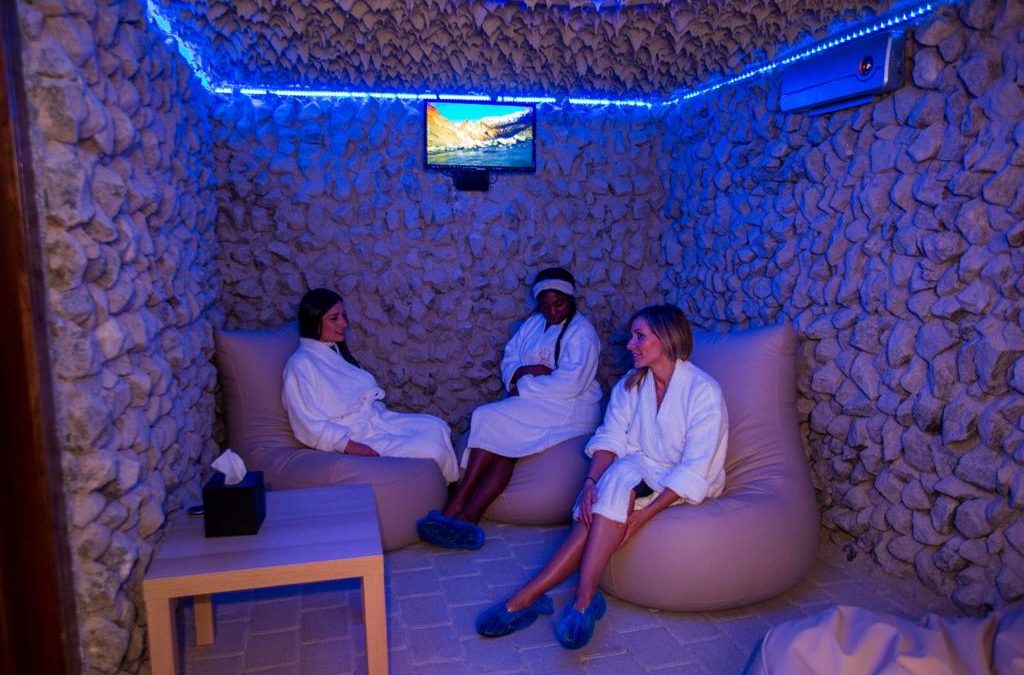
Across Asia, distinct bathing traditions also flourished. In Japan, the onsen (natural hot spring baths) and ryokan (traditional inns offering onsen access) have been central to culture for centuries, offering profound relaxation and therapeutic benefits. The Middle East and Turkey developed the hammam, or Turkish bath, a steamy communal cleansing ritual involving exfoliation and massage, which became an integral part of social life and hygiene. In South Korea, the jjimjilbang, large bathhouses featuring various themed saunas, steam rooms, and common areas, continue this tradition of communal wellness and relaxation.
From Bathhouses to Modern Wellness Retreats
The decline of the Roman Empire saw a shift in bathing practices in Europe, with private bathing becoming more common. However, the allure of natural mineral springs persisted. Throughout the Renaissance and into the 17th and 18th centuries, spa towns like Spa in Belgium and Bath in England regained prominence, attracting aristocracy and gentry seeking cures for various ailments through water treatments. These establishments focused primarily on hydrotherapy and rest, often involving drinking mineral waters and taking therapeutic baths.
The 19th and 20th centuries witnessed a renewed interest in health and physical culture, leading to the development of hydropathic institutions and sanatoriums that offered more structured wellness programs. This period also saw the introduction of new treatments, moving beyond just water to include massage, exercise, and dietary advice.
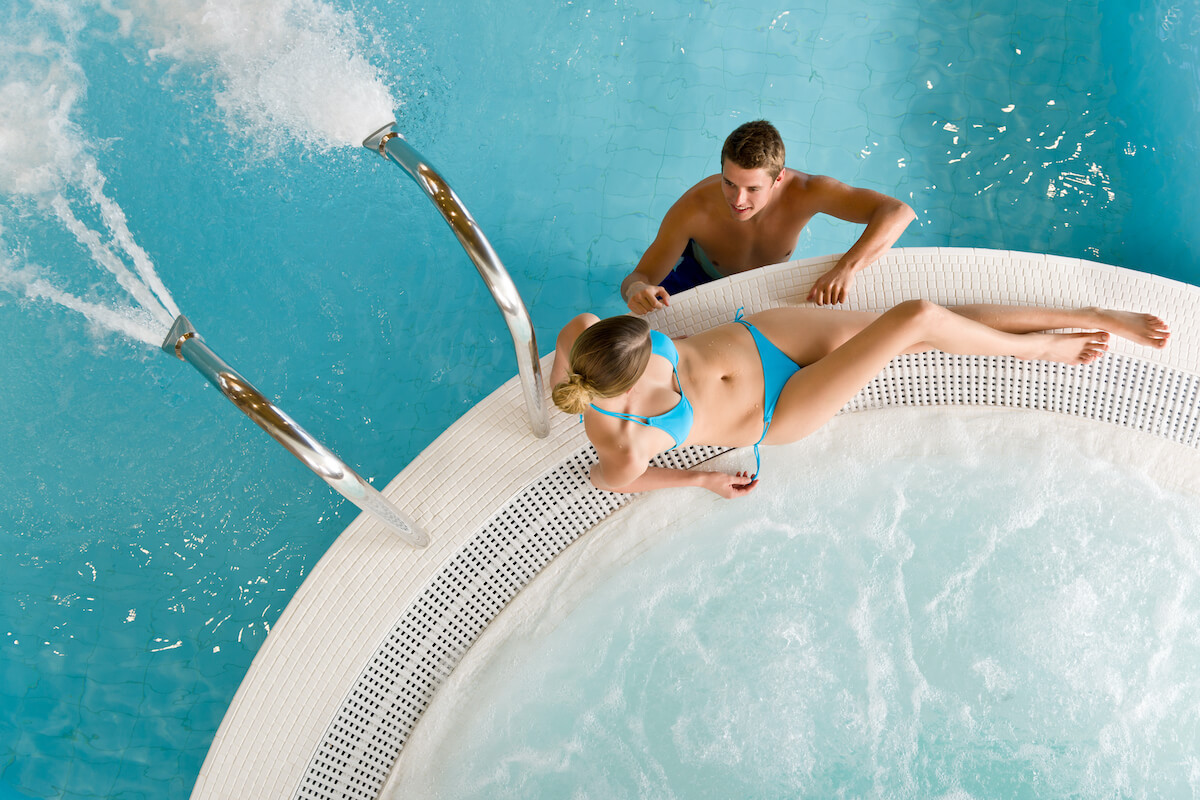
Today, the modern spa is a sophisticated evolution of these ancient traditions. It combines the healing power of water with cutting-edge therapies, luxurious amenities, and a focus on holistic well-being. Spas have become integral to the global travel and tourism industry, offering travelers not just relaxation but also opportunities for self-improvement, cultural immersion, and personalized wellness journeys. Many Hotels and Resorts worldwide now consider a comprehensive spa facility an essential offering, enhancing the overall Accommodation experience for guests seeking leisure and rejuvenation.
Diverse Types of Spas and Their Offerings
The contemporary spa landscape is incredibly varied, catering to a wide spectrum of needs, preferences, and budgets. Understanding the different types of spas can help you choose the perfect setting for your wellness goals, whether you’re seeking a quick pampering session or an immersive transformation.
Day Spas: Urban Oases for Relaxation
Day spas are the most common and accessible type of spa. Typically located in urban areas, shopping centers, or standalone facilities, they offer a range of à la carte services without requiring an overnight stay. They are perfect for a few hours of pampering or a full day of self-care.
Typical Services:
- Massages: Swedish, deep tissue, hot stone, aromatherapy, reflexology.
- Facials: Cleansing, hydrating, anti-aging, acne treatments.
- Body Treatments: Scrubs, wraps (e.g., mud, seaweed), detoxifying treatments.
- Nail Services: Manicures and pedicures.
- Hair Removal: Waxing and threading.
- Hydrotherapy: Saunas, steam rooms, whirlpools (less common than in larger facilities).
Day spas are ideal for busy individuals seeking a quick escape from the stresses of city life. They provide a convenient way to integrate wellness into a busy schedule, often found in cities like New York City, Paris, or Seoul, where urban dwellers crave moments of tranquility.
Destination Spas: Immersive Wellness Journeys
Destination spas are all-inclusive facilities designed for immersive, multi-day wellness experiences. Guests typically stay for several days or weeks, following a structured program that encompasses fitness, nutrition, education, and spa treatments. The focus is on significant lifestyle changes, health improvement, and deep rejuvenation.
Typical Services:
- Comprehensive Wellness Programs: Tailored fitness classes (yoga, Pilates, hiking), healthy meals, educational workshops (nutrition, stress management).
- Extensive Spa Treatments: Advanced facials, specialized massages, hydrotherapy circuits, detox programs.
- Medical & Holistic Consultations: Nutritionists, personal trainers, wellness coaches, sometimes even doctors.
- Mind-Body Activities: Meditation, mindfulness sessions, creative arts.
These spas, like Canyon Ranch in Arizona or Miraval in the United States, are often located in scenic, tranquil environments, promoting a complete break from routine. They represent a significant investment in one’s long-term health and well-being, attracting those interested in Lifestyle changes and profound Experiences.

Medical and Holistic Spas: Specialized Care
Medical spas (or Medi-Spas) combine traditional spa therapies with medical procedures performed under the supervision of a licensed physician. Holistic spas, while not always medically supervised, focus on alternative and complementary therapies to treat the whole person – mind, body, and spirit.
Typical Services (Medical Spas):
- Aesthetic Treatments: Botox, fillers, laser hair removal, chemical peels, microdermabrasion.
- Medical Weight Loss: Supervised programs with dietary and exercise plans, sometimes medication.
- Anti-Aging Therapies: Hormone replacement, IV vitamin drips.
- Dermatological Services: Treatment for skin conditions.
Typical Services (Holistic Spas):
- Ayurveda & Traditional Chinese Medicine: Consultations, herbal remedies, specialized massages, acupuncture.
- Naturopathy: Focus on natural remedies and self-healing.
- Energy Work: Reiki, chakra balancing.
- Detox and Cleansing Programs: Often supervised fasting or juicing.
These specialized spas, such as Clinique La Prairie in Switzerland for medical rejuvenation, or various Ayurvedic retreats in India or Thailand, cater to specific health concerns or a deeper spiritual quest. They bridge the gap between conventional medicine and wellness, offering targeted solutions.
Resort and Hotel Spas: Enhancing the Travel Experience
Integral to the hospitality industry, resort and hotel spas are found within larger Hotels, Resorts, or cruise ships. They are designed to complement a leisure or business trip, providing guests with convenient access to relaxation and beauty treatments. These spas are a key component of Luxury Travel and contribute significantly to the appeal of many Destinations.
Typical Services:
- Standard Spa Menu: Massages, facials, body wraps, nail services.
- Hydrotherapy Facilities: Often extensive, with large pools, saunas, steam rooms, experience showers, and sometimes specialty baths.
- Fitness Centers: Well-equipped gyms, group fitness classes.
- Beauty Salons: Hair styling, makeup services.
- Signature Treatments: Often incorporating local ingredients or cultural techniques, like a traditional Balinese massage at a Bali resort or a Moroccan hammam experience in Marrakech.
Brands like Four Seasons Resort, Mandarin Oriental, or The Ritz-Carlton are renowned for their world-class spa facilities, offering an elevated level of service and ambiance. These spas allow travelers to seamlessly integrate wellness into their holiday or business trip, enhancing the overall Experience.
Mineral and Thermal Spas: Nature’s Therapeutic Touch
Mineral and thermal spas leverage the natural healing properties of mineral-rich hot springs or seawater (thalassotherapy). These are often located in areas with geological activity, providing direct access to therapeutic waters.
Typical Services:
- Mineral Baths: Soaking in naturally heated water rich in minerals like sulfur, magnesium, or calcium, believed to alleviate various conditions.
- Hydrotherapy Circuits: Utilizing different water temperatures and pressures for therapeutic effects.
- Mud Baths/Wraps: Application of mineral-rich mud for detoxification and skin conditioning.
- Thalassotherapy: Treatments using seawater, sea mud, and sea algae for their revitalizing properties.
Iconic examples include the Blue Lagoon in Iceland, famous for its geothermal seawater, the historic baths of Budapest, Hungary, like the Gellért Thermal Bath, and Terme di Saturnia in Tuscany, Italy. These spas connect guests directly with nature’s healing elements, offering a unique and profound therapeutic Experience.
The Multifaceted Benefits of a Spa Experience
Engaging in a spa experience offers a wealth of benefits that extend beyond mere indulgence. It’s an investment in holistic health, impacting physical, mental, and emotional well-being. These benefits align perfectly with a Lifestyle focused on balance and self-care, and they can greatly enhance any Travel itinerary.
Physical Rejuvenation and Pain Relief
One of the most immediate and tangible benefits of spa treatments is physical rejuvenation. Massages, hydrotherapy, and body treatments work synergistically to alleviate bodily aches and promote physical health.
- Muscle Relaxation and Pain Reduction: Massages, particularly deep tissue and hot stone therapies, help release tension in muscles, reduce stiffness, and improve flexibility. This is especially beneficial for travelers recovering from long flights or intense physical activities during their adventures in various
Destinations. - Improved Circulation: Many spa treatments, including hydrotherapy and certain massages, stimulate blood flow, which aids in oxygen delivery to tissues and removal of metabolic waste products. This can reduce swelling and promote healing.
- Detoxification: Body wraps, mud treatments, and time in saunas or steam rooms can induce sweating, helping the body eliminate toxins and impurities. This supports overall bodily functions and can leave you feeling lighter and more energized.
- Enhanced Sleep Quality: Relaxation induced by spa treatments can significantly improve sleep patterns, combating insomnia and promoting deeper, more restorative rest. This is crucial for maintaining energy levels while exploring
LandmarksandAttractions.
Mental Clarity and Stress Reduction
Beyond the physical, spas offer a profound sanctuary for the mind, serving as powerful tools for stress management and mental clarity. The tranquil environment and focused attention on well-being can drastically reduce stress levels.
- Stress and Anxiety Reduction: The calming ambiance, soothing music, aromatherapy, and the focused touch of a therapist work together to lower cortisol levels (the stress hormone) and promote feelings of peace and relaxation. This mental respite is invaluable in our fast-paced lives.
- Improved Mood: Spa treatments can stimulate the release of endorphins, natural mood elevators, leading to feelings of happiness and contentment. This can be a wonderful way to boost spirits during a
Business Stayor after a challenging day ofTourism. - Mental Escape and Mindfulness: Stepping into a spa allows for a complete detachment from daily worries and responsibilities. It encourages mindfulness, where one focuses on the present moment, sensations, and breathing, leading to greater mental clarity and focus.
- Boosted Self-Esteem: Taking time for self-care reinforces self-worth, making you feel valued and cared for. Looking and feeling better after a treatment can significantly uplift self-esteem and confidence, contributing positively to your
Lifestyle.
Skin Health and Beauty Enhancements
Spas are also at the forefront of skin care and beauty, offering a wide array of treatments designed to cleanse, nourish, and revitalize the skin, as well as enhance overall appearance.
- Deep Cleansing and Exfoliation: Facials and body scrubs remove dead skin cells, unclog pores, and promote cell regeneration, resulting in smoother, brighter skin.
- Hydration and Nourishment: Specialized masks and wraps deliver intense hydration and essential nutrients to the skin, improving its texture, elasticity, and youthful glow.
- Anti-Aging Benefits: Many spa treatments target signs of aging, using advanced techniques and products to reduce fine lines, wrinkles, and hyperpigmentation, contributing to a more youthful appearance.
- Professional Skincare Advice: Estheticians often provide personalized recommendations for ongoing skincare routines, helping you maintain the benefits long after your spa visit.
Social Connection and Cultural Immersion
While often perceived as solitary experiences, spas, especially traditional bathhouses, can also foster social connection and offer a unique window into local culture.
- Communal Wellness: In places like Budapest or Japan, bathhouses are vibrant social spaces where people gather, relax, and converse. This communal aspect offers a distinct form of
TourismandExperience, allowing visitors to engage with local traditions. - Cultural Understanding: Participating in a traditional hammam in Morocco or an onsen ritual in Kyoto provides an authentic glimpse into the local customs and historical significance of bathing practices. This enriches the
Travelexperience beyond typical sightseeing. - Shared Relaxation: Even in modern spas, friends, couples, or family members can enjoy treatments side-by-side or share amenities like hydrotherapy pools, creating shared memories of relaxation and well-being during
Family Tripsor romantic getaways.
Choosing the Right Spa for Your Needs
With such a diverse array of spa options, selecting the perfect one can seem daunting. However, by considering a few key factors, you can ensure your spa experience aligns perfectly with your Travel plans, Lifestyle preferences, and wellness goals.
Factors to Consider: Location, Services, and Budget
The ideal spa experience is highly personal, so it’s essential to weigh what matters most to you.
-
Location and Accessibility:
- Are you looking for a convenient day spa in an urban setting like Paris or London?
- Do you prefer a secluded destination spa nestled in nature, perhaps in the tranquil mountains of Switzerland or by the serene beaches of Bali?
- Is it part of your hotel, such as the Grand Hyatt Hotel in a bustling city, making it easily accessible during a
Business Stay? - Consider how easily you can reach the spa and if its surroundings contribute to your desired level of relaxation.
-
Desired Services and Focus:
- What are you hoping to achieve? Pure relaxation, pain relief, skin rejuvenation, a fitness overhaul, or a detox?
- Look at the spa’s menu and specialization. A day spa might suffice for a massage and facial, while a destination or medical spa would be more appropriate for comprehensive wellness programs or aesthetic treatments.
- Are you interested in unique experiences like thalassotherapy on the Aegean Sea or traditional indigenous treatments in South America?
-
Budget:
- Spa experiences can range from affordable basic services at a local day spa to opulent packages at five-star resorts.
- Set a budget beforehand. Many
Hotelslike Hilton Hotels or Marriott International offer excellent spas that cater to variousBudget TravelandLuxury Travelneeds, so checkingReviewsandComparisonsites can be helpful. - Remember to factor in gratuities and any additional amenities you might use.
-
Atmosphere and Ambiance:
- Do you prefer a quiet, meditative space or a more social, vibrant environment?
- Some spas are opulent and grand, while others are minimalist and serene. The overall vibe plays a crucial role in your relaxation.
Integrating Spa Experiences into Your Travels
Spas can significantly enhance your Travel experiences, transforming a simple trip into a wellness journey.
- Pre-Travel Preparation: A spa visit before a long flight can help relax muscles and reduce stress, preparing your body for the journey ahead. Consider a lymphatic drainage massage to combat fluid retention.
- Mid-Trip Rejuvenation: After days of exploring
Landmarkslike the Eiffel Tower in Paris or hiking through national parks, a spa treatment can be the perfect way to revitalize tired muscles and recharge for the remainder of your trip. ManyResortspas inDestinationslike the Maldives or Hawaii are perfectly positioned for this. - Post-Travel Recovery: A final spa session before returning home can help ease the transition back to daily life, ensuring you carry the relaxed holiday feeling for longer.
- Cultural Immersion through Spa: Seek out spas that offer traditional treatments unique to your
Destination. A Thai massage in Phuket, ahammamin Istanbul, or an Ayurvedic therapy in Kerala, India provides not just physical benefits but also an authenticTourismexperience. - Booking and Planning: Utilize
Bookingplatforms andReviewsto research spas in your chosenDestination. ManyAccommodationproviders integrate spa packages, making it easier to plan. ConsiderLong-term Stayoptions at destination spas if you’re seeking a more profound transformation.
The Future of Spas: Innovation and Personalized Wellness
The spa industry is continually evolving, driven by advancements in technology, a deeper understanding of health, and a growing consumer demand for personalized wellness solutions. The future of spas promises even more innovative and integrated approaches to well-being.
One key trend is the integration of technology. From high-tech skin analysis tools and LED light therapy to virtual reality meditation rooms and biofeedback sessions, technology is enhancing the efficacy and personalization of spa treatments. Wearable devices that track biometric data are also being used to tailor wellness programs more precisely, allowing for truly individualized experiences.
Mind-body connection will remain paramount, with an increased focus on mental health and emotional well-being. Spas are expanding their offerings to include more comprehensive programs for stress management, sleep optimization, digital detoxes, and resilience building. This often involves collaborations with mental health professionals and mindfulness coaches.
Sustainability and ethical practices are also becoming increasingly important. Spas are adopting eco-friendly operations, using organic and locally sourced products, and supporting fair trade initiatives. Guests are seeking experiences that not only benefit them but also have a positive impact on the environment and local communities, aligning with responsible Tourism principles.
Finally, the blurring lines between medical and traditional spas will continue, leading to more integrative wellness centers that offer a spectrum of services from aesthetic procedures to traditional healing modalities. These centers will serve as comprehensive hubs for preventive health, longevity, and optimal well-being, catering to the diverse needs of a health-conscious global population.
In essence, a spa is more than just a place; it’s a philosophy—a dedication to self-care and holistic health that has stood the test of time. Whether you seek a brief urban escape, a culturally rich experience during your travels, or a transformative wellness journey, the world of spas offers an unparalleled opportunity to pause, rejuvenate, and reconnect with your inner self. It is a vital component of a balanced Lifestyle and an enriching dimension to any Travel adventure.