
The Lone Star State, Texas, is a land of superlatives: vast landscapes, diverse cultures, and an economy that rivals many nations. From its sprawling deserts to its sun-drenched coastlines, and from its bustling metropolitan hubs to its quiet, charming small towns, Texas offers an unparalleled tapestry of experiences for travelers. But for those new to its immense scale, a fundamental question often arises: just how many cities are in Texas? The answer, like much else in this grand state, is more complex and fascinating than it first appears, reflecting not just a number, but a vibrant mosaic of urban life, history, and modern development.
Understanding the sheer volume of municipalities within Texas requires delving into the state’s unique geographical and administrative structure. Whether you’re planning a trip focused on historical landmarks, seeking the perfect hotel for a business stay, or immersing yourself in local culture, knowing the scope of Texas’s urban footprint is the first step in unlocking its countless attractions.
Unraveling the Urban Tapestry of Texas
At first glance, the question “How many cities are in Texas?” seems straightforward. However, the definition of a “city” can vary, impacting the official count. In Texas, the term generally refers to incorporated municipalities, which are self-governing administrative divisions with defined boundaries and local government. These entities are distinct from unincorporated communities or census-designated places (CDPs) that, while having populations, do not possess their own municipal government.
The Definition Dilemma: What Counts as a City?
For statistical purposes and governmental organization, the official count primarily considers incorporated municipalities. These are cities, towns, and villages that have formally organized under state law. This incorporation grants them powers to levy taxes, provide services like police and fire protection, and manage local infrastructure.
Beyond this official definition, there’s a broader sense of “city” that includes numerous vibrant communities, often with significant populations, that haven’t formally incorporated. These areas might be suburbs of larger cities or distinct rural communities. While they contribute significantly to the state’s economic and cultural landscape, they aren’t included in the official count of incorporated cities. When discussing travel, tourism, and lifestyle, it’s important to remember this distinction, as some of the most charming or unique destinations might not technically be “cities” in the strictest legal sense but offer rich experiences nonetheless.
A Staggering Number: The Official Count
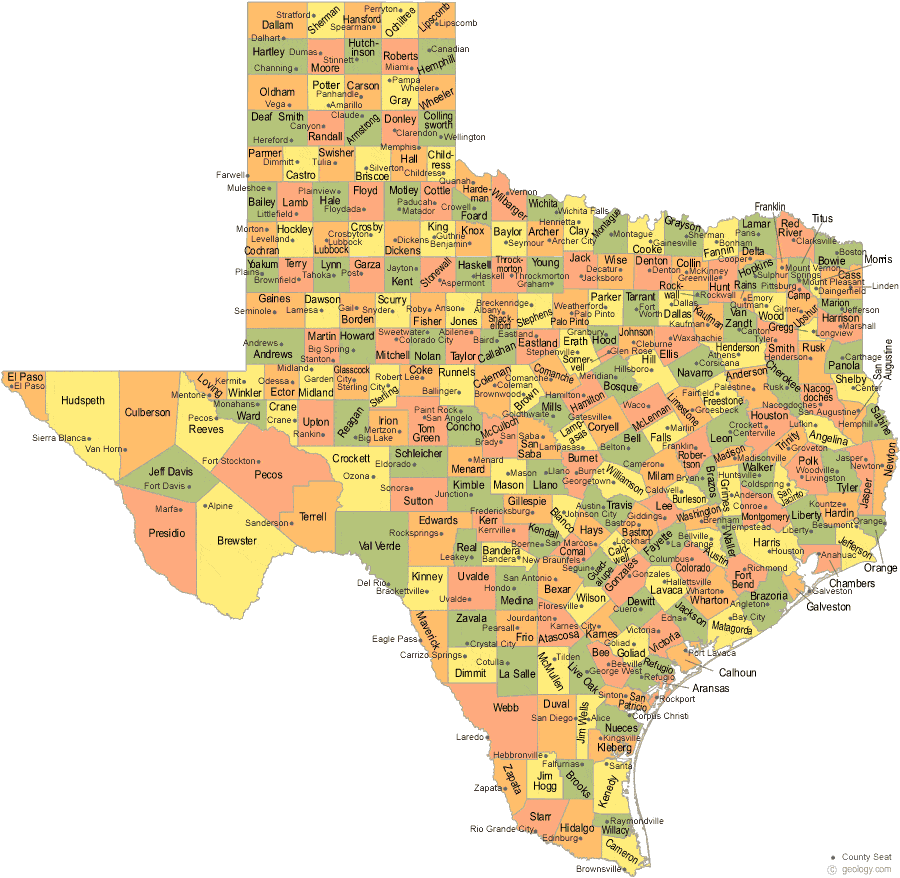
As of the most recent data (constantly subject to minor changes due to new incorporations or disincorporations), Texas boasts well over 1,200 incorporated municipalities. This impressive figure underscores the state’s vastness and its decentralized approach to local governance. These cities range dramatically in size, from the megalopolises of Houston and Dallas with populations in the millions, to tiny towns with only a few dozen residents.
This extensive network of cities provides an incredible array of travel destinations. Each city, regardless of its size, often has its own unique character, local culture, and specific attractions, making a journey through Texas an adventure in discovering distinct pockets of heritage and modernity. For travelers, this means an almost limitless menu of options, whether you’re seeking the bright lights of a major urban center, the historical depth of a frontier town, or the serene beauty of a lakeside village.
Texas’s Urban Jewels: A Deep Dive into Major Metropolises
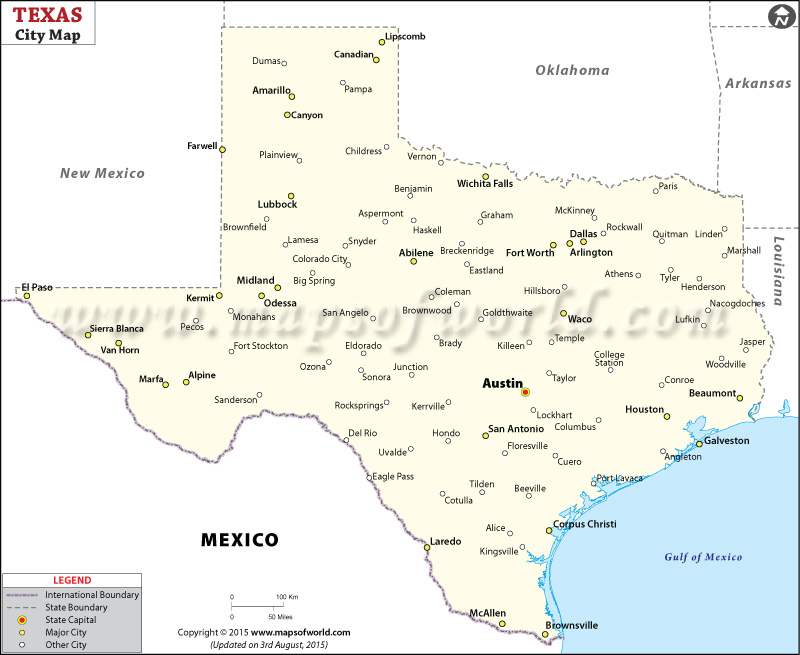
While the sheer number of cities is impressive, a handful of major metropolitan areas define much of the Texas experience for many visitors. These urban giants are not just population centers; they are economic engines, cultural melting pots, and primary destinations for travel and tourism, offering everything from luxury hotels to diverse culinary scenes and world-class landmarks.
Houston: The Space City and Culinary Hub
With a population exceeding 2.3 million, Houston is the largest city in Texas and the fourth largest in the United States. Known globally as “Space City,” it’s home to NASA’s Johnson Space Center, where visitors can explore the wonders of space exploration at Space Center Houston. Beyond its scientific prowess, Houston is a vibrant, multicultural city renowned for its incredible food scene, often considered one of the best in the nation. From high-end dining to authentic international street food, the culinary experiences here are limitless.
Travelers to Houston can explore the expansive Museum District, home to 19 museums, including the Museum of Fine Arts and the Houston Museum of Natural Science. Accommodation options range from luxury resorts like The Post Oak Hotel at Uptown Houston to boutique hotels and extended-stay apartments, catering to both business travelers and families. The city also hosts major events such as the Houston Livestock Show and Rodeo, drawing millions of visitors annually and showcasing local culture and entertainment.
Dallas-Fort Worth: A Tale of Two Cities
The Dallas-Fort Worth Metroplex is a massive urban sprawl, combining two distinct cities, Dallas and Fort Worth, each with its own unique identity. Dallas, a modern metropolis, is known for its sophisticated arts scene, upscale shopping, and gleaming skyscrapers, including the iconic Reunion Tower. The Dallas Arts District is the largest contiguous urban arts district in the United States, boasting institutions like the Dallas Museum of Art and the Winspear Opera House. For accommodation, choices abound from the sleek Omni Dallas Hotel to the trendy Hotel ZaZa Dallas.
Just a short drive west, Fort Worth offers a dose of authentic Western heritage. Its motto, “Where the West Begins,” is evident in attractions like the Fort Worth Stockyards National Historic District, where visitors can witness daily cattle drives and enjoy live rodeo shows. The city also features a world-class cultural district with museums such as the Kimbell Art Museum and the Amon Carter Museum of American Art. The blend of urban sophistication in Dallas and cowboy charm in Fort Worth makes the Metroplex a compelling destination for diverse tastes.
San Antonio: Where History Comes Alive
San Antonio is arguably the most historically rich city in Texas, blending Spanish colonial heritage with vibrant Mexican-American culture. It’s home to The Alamo, a pivotal site in the Texas Revolution and an enduring symbol of courage. Beyond The Alamo, the city boasts the San Antonio Missions National Historical Park, a UNESCO World Heritage Site comprising four other historic Spanish colonial missions, including Mission San José.
The crown jewel of San Antonio is undoubtedly the San Antonio River Walk, a picturesque network of walkways along the banks of the San Antonio River, lined with restaurants, shops, and hotels. This pedestrian paradise offers boat tours and a charming ambiance, perfect for romantic getaways or family trips. Accommodation here is abundant, from luxury stays like Hotel Emma in the historic Pearl Brewery District to family-friendly resorts like the JW Marriott San Antonio Hill Country Resort & Spa. San Antonio’s unique blend of history, culture, and recreational activities makes it a top tourism destination.
Austin: The Live Music Capital and Tech Boom
The state capital, Austin, presents a different facet of Texas urban life. Famed as the “Live Music Capital of the World,” Austin pulsates with a youthful, artistic energy. Its numerous music venues, particularly along Sixth Street and South Congress Avenue, host everything from blues and country to indie rock and electronic music. The city also proudly embraces its “Keep Austin Weird” mantra, evident in its eclectic boutiques, food trucks, and vibrant street art.
Beyond its bohemian charm, Austin has emerged as a major tech hub, attracting a dynamic population and fostering a thriving economy. Visitors can explore the magnificent Texas State Capitol, relax at the natural spring-fed Barton Springs Pool in Zilker Park, or enjoy outdoor activities along Lady Bird Lake. Austin offers a wide range of accommodation, from historic hotels like The Driskill Hotel to modern luxury establishments like the Four Seasons Hotel Austin, catering to both leisure and business travelers. The city’s progressive lifestyle, outdoor opportunities, and world-class festivals like South by Southwest make it an incredibly appealing destination.
Beyond the Big Four: Exploring Texas’s Diverse Urban Landscape
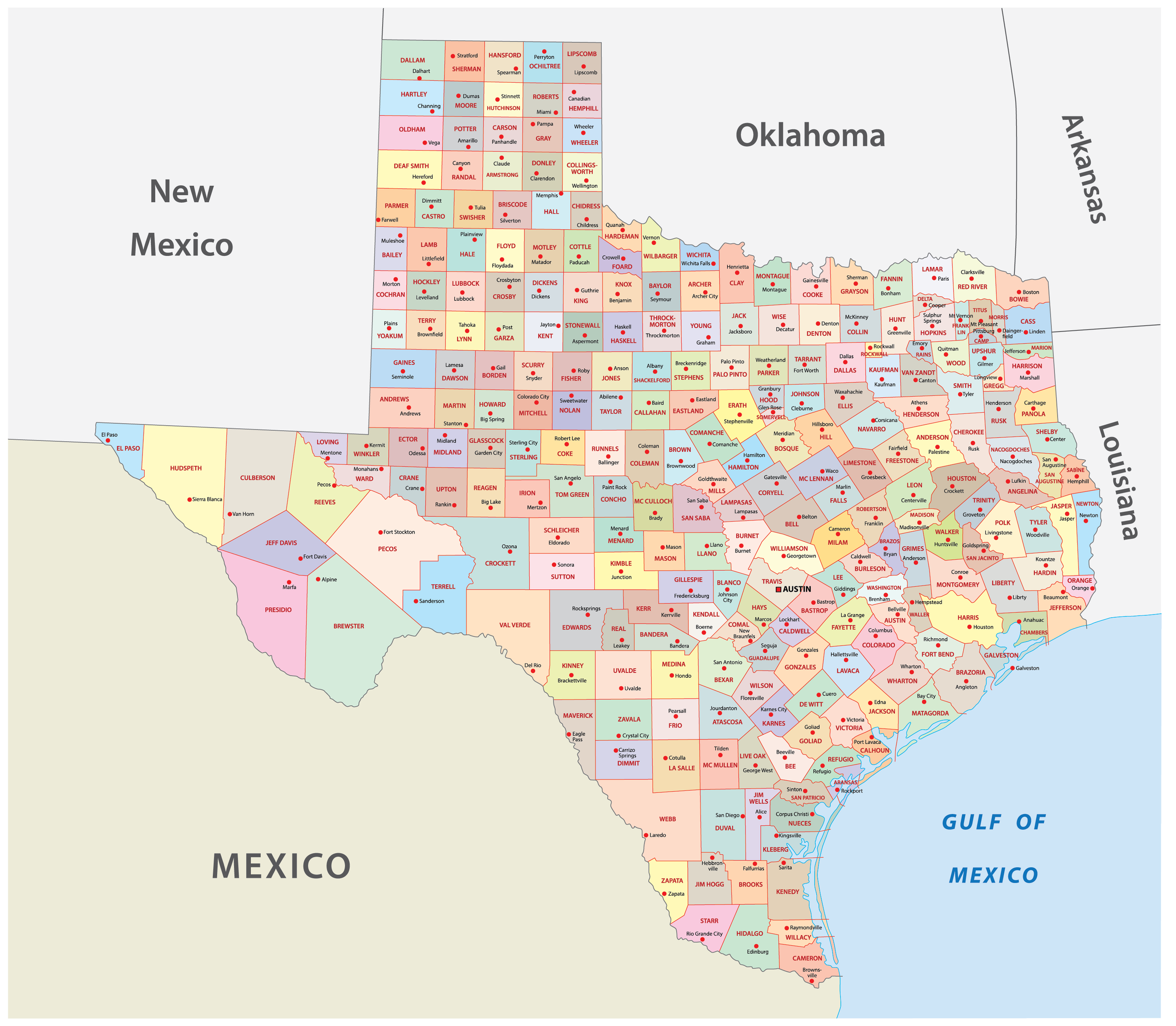
While Houston, Dallas-Fort Worth, San Antonio, and Austin dominate the urban scene, Texas’s true diversity shines through its many other cities. From the Gulf Coast to the Panhandle and the Big Bend region, each city contributes its unique flavor to the state’s vast cultural and geographical mosaic.
Coastal Charms and Borderland Experiences
Along the Texas Gulf Coast, cities like Galveston and Corpus Christi offer a different kind of urban escape. Galveston, an island city with a rich Victorian history, boasts beautiful beaches, the Historic Pleasure Pier, and stunning architecture. It’s a popular spot for family trips and weekend getaways, with resorts like the San Luis Resort Spa & Conference Center providing luxurious stays. Further south, Corpus Christi is known for its serene bays, the Texas State Aquarium, and its proximity to Padre Island National Seashore, offering incredible natural beauty and outdoor activities. And for sun-seekers, South Padre Island promises pristine beaches and a lively atmosphere.
On the western frontier, El Paso stands as a unique blend of American and Mexican cultures, nestled against the Franklin Mountains and bordering Ciudad Juárez, Mexico. Its vibrant downtown, historic missions, and delicious Tex-Mex cuisine offer a distinct borderland experience. Other significant cities like Laredo, another major port of entry to Mexico, and Brownsville in the Rio Grande Valley, contribute to the rich cultural tapestry and economic vitality of southern Texas.
Quaint Towns and Hidden Gems
Beyond the major cities, Texas is dotted with hundreds of smaller cities and towns that offer their own charm and attractions. In the Texas Hill Country, towns like Fredericksburg, with its German heritage and burgeoning wine industry, attract visitors seeking picturesque landscapes and boutique experiences. Luckenbach, though tiny, is legendary for its country music scene and laid-back atmosphere.
In the northern part of the state, Amarillo serves as the gateway to the Panhandle, famous for the Cadillac Ranch and its authentic Route 66 vibe. Further west, cities like Lubbock (Buddy Holly’s hometown) and Abilene offer a glimpse into West Texas culture and history. Even in the shadows of the large metropolises, cities like Plano, Irving, and Garland provide their own robust economies, attractions, and diverse communities, often serving as excellent bases for exploring the broader Dallas-Fort Worth area without the direct hustle of downtown. These smaller cities and towns are ideal for discovering local culture, unique activities, and experiencing the welcoming spirit of Texas away from the major tourist crowds.
Planning Your Texas Urban Adventure: Travel, Accommodation, and Lifestyle
Navigating the vastness and diversity of Texas’s cities requires thoughtful planning, especially concerning travel logistics, accommodation choices, and embracing the local lifestyle. The website’s main topics—Travel, Hotels, Tourism, Accommodation, Landmarks, and Lifestyle—are perfectly aligned with crafting an unforgettable Texas experience.
Navigating Texas: Travel Tips and Guides
Given the sheer distances between some of Texas’s major cities, driving is often the most practical mode of transport, allowing flexibility to explore smaller towns and scenic routes. However, major cities are well-served by airports like George Bush Intercontinental Airport (IAH) in Houston and Dallas/Fort Worth International Airport (DFW), making air travel efficient for longer distances or reaching specific destinations.
When planning your itinerary, consider regional travel guides that focus on specific areas like the Hill Country, Gulf Coast, or West Texas to maximize your time and cultural immersion. The diversity of attractions—from natural wonders like Big Bend National Park and Guadalupe Mountains National Park to urban landmarks and historical sites—means you can tailor your trip to suit any interest.
Your Home Away From Home: Accommodation Options
With hundreds of cities and thousands of hotels, Texas offers an unparalleled range of accommodation options. Whether you’re seeking luxury travel with five-star resorts and concierge services, budget travel through extended-stay apartments and quaint bed-and-breakfasts, or specific setups for family trips or business stays, you’ll find it here.
- Hotels: Major cities are saturated with global hotel chains like Marriott, Hilton, and Hyatt, offering a variety of suites, resorts, and business-friendly amenities. Boutique hotels, often showcasing local flair and unique design, are also increasingly popular, especially in cities like Austin and San Antonio.
- Apartments & Villas: For longer stays, family trips, or those seeking a more local experience, rental apartments and villas through platforms or local agencies are readily available. These often come with kitchen facilities and more space, offering a “home away from home” feel.
- Amenities: From infinity pools and spa services to fitness centers and pet-friendly options, comparison shopping for amenities that match your lifestyle is crucial. Reading booking reviews can provide invaluable insights into the quality and suitability of different accommodations.
Embracing the Texas Lifestyle
Tourism in Texas is not just about visiting landmarks; it’s about embracing a lifestyle. This means indulging in the local culture, which is as varied as its geography. Enjoy authentic Tex-Mex cuisine, savor traditional barbecue, or explore the burgeoning fine dining scenes in cities like Houston and Dallas.
Engage in local activities, whether it’s two-stepping at a dance hall, kayaking on an urban river, exploring art galleries, or attending a local festival. Tips from locals, easily found through travel guides and online communities, can often lead to the most authentic and memorable experiences. Whether you’re seeking adrenaline-pumping adventures, serene natural escapes, or vibrant urban nightlife, Texas’s cities provide the backdrop for a diverse range of lifestyles and experiences.
In conclusion, Texas is home to well over 1,200 incorporated cities, a staggering number that speaks to its vastness and rich urban tapestry. From the globally recognized metropolises to the charming small towns, each city offers a unique contribution to the state’s identity and an endless array of opportunities for travelers. Planning your visit to this multifaceted state means recognizing the incredible diversity it holds and tailoring your journey to discover the specific urban jewels that captivate your imagination. So, pack your bags and prepare to explore the multitude of cities that make Texas a truly unforgettable destination.
LifeOutOfTheBox is a participant in the Amazon Services LLC Associates Program, an affiliate advertising program designed to provide a means for sites to earn advertising fees by advertising and linking to Amazon.com. Amazon, the Amazon logo, AmazonSupply, and the AmazonSupply logo are trademarks of Amazon.com, Inc. or its affiliates. As an Amazon Associate we earn affiliate commissions from qualifying purchases.