
For many, the allure of the Lone Star State extends beyond its vibrant culture, diverse landscapes, and legendary hospitality. Whether you’re considering a move for work, planning an extended stay as a digital nomad, or simply curious about the financial implications of living or working in this dynamic region, understanding the tax structure is paramount. When budgeting for your next grand adventure or a longer-term relocation, every dollar counts. From exploring the historic streets of San Antonio to experiencing the bustling metropolises of Dallas and Houston, or soaking in the live music scene of Austin, your disposable income directly impacts the quality and duration of your travel experiences.
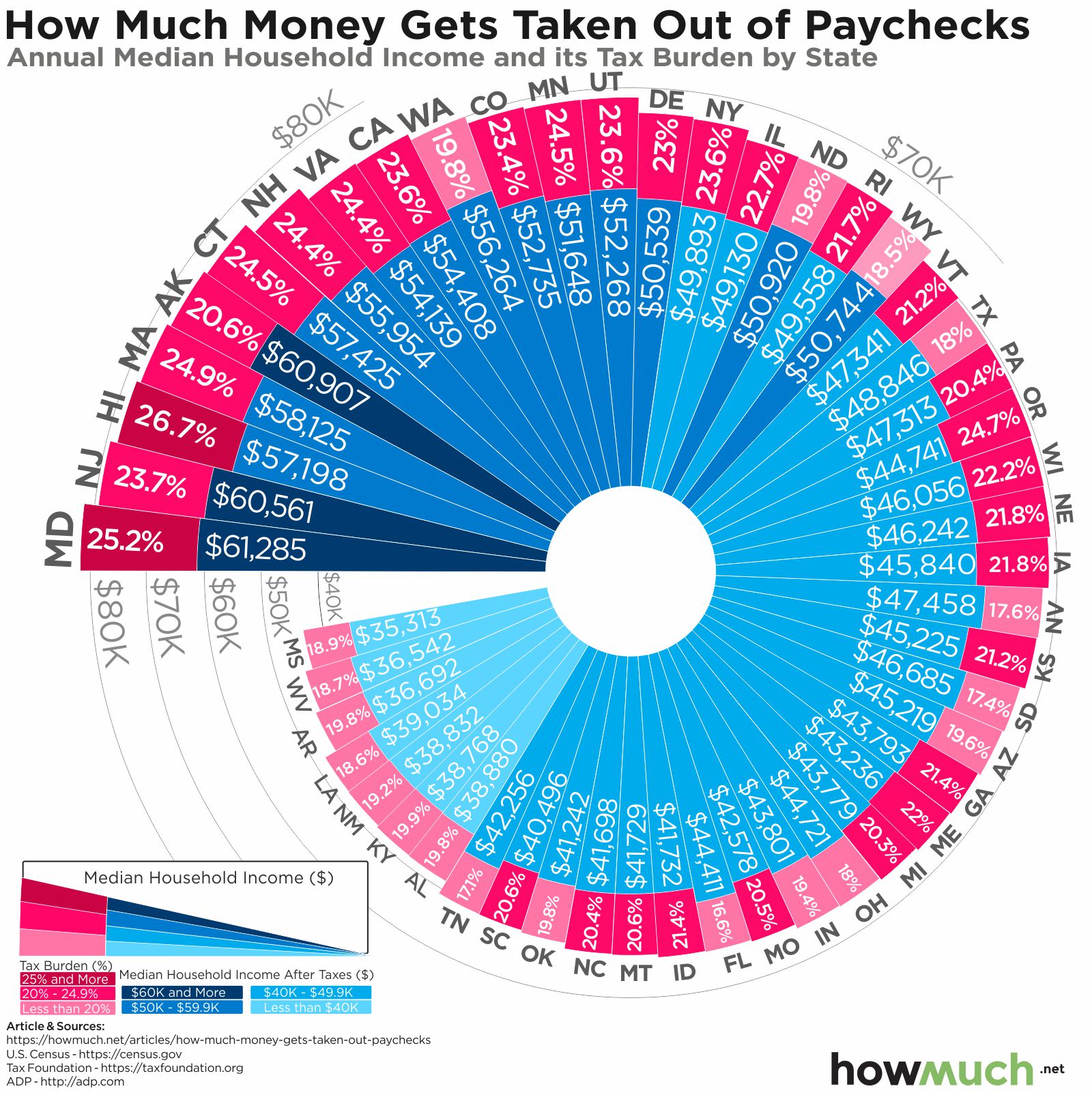
Texas boasts a unique tax landscape that can significantly influence how much is deducted from your paycheck and, consequently, how much you have left to spend on hotels, dining, attractions, and other lifestyle pursuits. Unlike many other states, Texas does not impose a state income tax, a feature that often surprises newcomers and is a significant draw for businesses and individuals alike. However, this doesn’t mean paychecks are entirely free of deductions. Federal taxes, specific local levies, and optional contributions still play a substantial role. Delving into these details is crucial for anyone looking to optimize their finances for travel, accommodation, and a rich lifestyle in Texas.
The Lone Star State’s Unique Tax Landscape: What It Means for Your Budget
The absence of a state income tax is arguably the most defining characteristic of the Texas tax system. This singular feature sets it apart from states like California or New York, where state income taxes can take a substantial bite out of earnings. For travelers, remote workers, or those considering moving to Texas, this translates directly into a higher net income for the same gross pay, freeing up more funds for exploration and enjoyment.
No State Income Tax: A Traveler’s Budget Advantage
Imagine earning a salary and not having a portion of it automatically diverted to state coffers. This is the reality for employees in Texas. While residents of states with high income taxes might see 5-10% or even more of their earnings go towards state-level income tax, Texans retain that portion. For someone planning an extensive tour of Texas landmarks, investing in luxury accommodations, or indulging in the state’s renowned culinary scene, this can be a game-changer.
Let’s put it into perspective: if you earn $60,000 annually, and a hypothetical state income tax rate is 5%, you’d lose $3,000 to state taxes. In Texas, that $3,000 stays in your pocket. This extra capital could fund a week-long stay at a charming boutique hotel in Fredericksburg, an adventurous road trip through Big Bend National Park, or countless memorable dining experiences in Houston’s diverse neighborhoods. For individuals working remotely and choosing their base strategically, the no-state-income-tax advantage in Texas becomes a powerful incentive, effectively boosting their real income and their budget for a nomadic lifestyle. This financial edge allows for more frequent travel, longer hotel stays, or the ability to opt for premium experiences, making Texas an attractive destination for those who prioritize maximizing their earnings for lifestyle and leisure.
Federal Tax Deductions from Your Paycheck
While Texas offers a reprieve from state income tax, federal taxes are non-negotiable and apply to all wage earners across the United States. These deductions typically constitute the largest portion of tax withholding from a paycheck, regardless of where you reside within the country. Understanding these federal obligations is crucial for accurate financial planning, whether you’re saving for a dream vacation or planning a long-term stay.
Understanding FICA: Social Security and Medicare
Every U.S. worker contributes to two essential federal programs: Social Security and Medicare. These contributions are collectively known as FICA (Federal Insurance Contributions Act) taxes. They are mandatory deductions designed to provide retirement, disability, and survivor benefits (Social Security) and healthcare for the elderly and certain disabled individuals (Medicare).
As of current rates, the Social Security tax is 6.2% of your gross earnings, up to an annual wage base limit (which changes yearly). Medicare tax is 1.45% of all gross earnings, with no wage base limit. This means a total of 7.65% of your income is deducted for FICA, often matched by your employer if you are a W-2 employee. For self-employed individuals, this rate is effectively doubled to 15.3% (known as self-employment tax), as they pay both the employee and employer portions. These deductions are fundamental and apply uniformly across the United States, including Texas. They directly impact your net pay, so factoring them into your budget for accommodation, travel, and leisure activities is a must. Knowing these fixed costs allows you to realistically assess your disposable income for exploring Texas‘s natural wonders or indulging in its vibrant city life.

Federal Income Tax Withholding: How It Works
Beyond FICA, federal income tax is the other significant deduction. This tax is progressive, meaning higher earners pay a higher percentage of their income. The amount withheld from your paycheck for federal income tax is determined by the information you provide on your W-4 form to your employer. This form dictates your marital status, the number of dependents, and any additional withholding you wish to have deducted.
The goal of the W-4 form is to ensure that, by the end of the year, you’ve paid approximately the correct amount of federal income tax. Over-withholding might result in a tax refund, while under-withholding could lead to a tax bill. While the actual tax liability is calculated annually when you file your tax return, withholding ensures you pay taxes incrementally throughout the year. For someone budgeting for travel, carefully adjusting your W-4 can influence your immediate cash flow. For instance, reducing your withholding could mean more money in each paycheck, potentially funding more immediate travel plans or contributing to a luxury stay at a resort like JW Marriott San Antonio Hill Country Resort & Spa. Conversely, increasing withholding might lead to a larger refund, which could then be earmarked for a grander annual trip or a significant travel investment, such as a long-term rental in a desirable location. The federal tax brackets and standard deduction amounts also change periodically, so staying informed is crucial for effective financial planning.
Other Deductions and Considerations for Texans
While the absence of a state income tax is a clear advantage for Texans, it’s essential to understand that the state’s tax system compensates for this in other ways. These other taxes, while not always direct paycheck deductions, significantly impact the overall cost of living and the effective budget for travel and lifestyle choices within the state.
Property Taxes: A Local Reality
One of the primary ways Texas funds its local governments, schools, and infrastructure is through property taxes. Texas has some of the highest property tax rates in the United States. While these aren’t directly deducted from your paycheck unless you have an escrow account with your mortgage lender, they form a substantial part of the cost of homeownership or rent in the state. For those considering a long-term stay, purchasing property, or even evaluating rental costs, these taxes are a critical financial consideration.
High property taxes can mean that while your paycheck might be larger due to no state income tax, a significant portion of that disposable income could be allocated to housing costs, especially in popular urban centers like Austin or Dallas. This indirectly affects your travel budget, as higher living expenses mean less remaining for exploring Texas’ natural beauty or indulging in its cultural attractions. When planning to move to a new city in Texas, researching average property tax rates for different neighborhoods is as important as looking up hotel prices for a vacation. Understanding this balance is key to creating a sustainable budget for both living and enjoying the travel opportunities Texas offers.
Sales Tax: A Cost of Living and Travel Expense
Another significant revenue stream for Texas and its local municipalities is sales tax. The statewide sales tax rate is 6.25%, but local jurisdictions can add up to an additional 2%, bringing the combined rate to a maximum of 8.25% in many areas. This tax applies to most retail sales, including goods, restaurant meals, and certain services.
For travelers and residents alike, sales tax impacts nearly every spending decision. When you book a hotel, dine out at a restaurant in Houston’s Galleria, purchase souvenirs at The Alamo, or buy tickets to an attraction, sales tax is added to the price. While it’s not a paycheck deduction, it’s a direct cost that reduces your purchasing power. A higher sales tax means that your budget for experiences, dining, and shopping must account for this additional percentage. For instance, a $100 meal will effectively cost $108.25 in an area with the maximum sales tax. This pervasive tax requires careful consideration when planning your daily travel expenses, influencing how much you can truly afford to spend on activities, tours, and the myriad of unique experiences Texas has to offer.
Optional Deductions: Health, Retirement, and More
Beyond mandatory federal taxes, many employees also have various optional deductions taken from their paychecks. These are often benefits offered by employers and can include:
- Health Insurance Premiums: Your share of the cost for health, dental, and vision insurance plans. These can be pre-tax deductions, which reduce your taxable income.
- Retirement Contributions: Contributions to 401(k)s, 403(b)s, or other employer-sponsored retirement plans are typically pre-tax, lowering your current taxable income. These are crucial for long-term financial planning and can reduce the amount of federal income tax withheld.
- Life Insurance and Disability Insurance: Premiums for supplemental coverage.
- Flexible Spending Accounts (FSAs) or Health Savings Accounts (HSAs): Contributions to these accounts, used for healthcare expenses, are also often pre-tax deductions.
- Union Dues: If applicable to your profession.
- Loan Repayments: For example, repayments for employer-sponsored loans or garnishments.
These deductions, while optional or benefit-driven, collectively reduce your net pay. However, many, like retirement contributions or health insurance, offer significant long-term financial security and tax advantages. When assessing your paycheck, understanding each deduction’s purpose helps you make informed decisions about your financial health, which in turn impacts your capacity for travel and leisure. For instance, contributing to a 401(k) reduces your immediate disposable income but builds wealth for future travel during retirement, or for significant lifestyle changes.
Budgeting for Your Texas Adventure or Relocation
Bringing all these tax components together, the picture for your finances in Texas becomes clearer. The absence of state income tax is a powerful advantage, potentially leaving you with significantly more disposable income compared to residents of high-tax states. However, this benefit is somewhat offset by higher property and sales taxes, which are expenses that directly impact your budget outside of paycheck deductions.
For anyone planning to live, work, or embark on an extended travel experience in Texas, a holistic financial strategy is essential. Understanding how much is deducted from your paycheck and how other taxes impact your spending allows for more realistic budgeting for everything from monthly accommodation to spontaneous weekend getaways to places like Galveston Island or the Texas Hill Country.
Maximizing Your Disposable Income for Experiences
The financial upside of no state income tax means you have a greater portion of your gross income available to you. This can be strategically used to enhance your travel and lifestyle experiences. For example, instead of a budget hotel, you might consider a stay at a luxury resort like The Driskill in Austin or a charming bed and breakfast in Gruene. More disposable income could also mean more frequent visits to Texas’ numerous state parks, indulging in gourmet dining, or participating in unique cultural festivals that dot the calendar.
Digital nomads or remote workers choosing Texas as their base can leverage this tax advantage to save more for future international travel or to extend their stays in more desirable, albeit pricier, areas. This financial flexibility directly translates into a richer, more diverse array of travel and leisure opportunities, allowing you to truly immerse yourself in the vibrant culture and vast offerings of the Lone Star State.
Resources for Further Planning
While this article provides a comprehensive overview, tax laws are complex and subject to change. For personalized advice regarding your specific financial situation, especially if you are considering relocation, self-employment, or significant investments, consulting with a qualified tax professional or financial advisor is always recommended. They can provide tailored guidance on optimizing your W-4 withholdings, understanding property tax exemptions, and planning for your overall financial well-being in Texas. Resources like the IRS website and local county appraisal districts also offer valuable information regarding federal and property taxes, respectively.
In conclusion, understanding “How Much Taxes Are Deducted From Paycheck In Texas?” involves recognizing the significant advantage of no state income tax, while also factoring in federal deductions, property taxes, and sales tax. By doing so, you can effectively budget, maximize your disposable income, and fully embrace the incredible travel, accommodation, and lifestyle opportunities that await you in the diverse and dynamic state of Texas.
LifeOutOfTheBox is a participant in the Amazon Services LLC Associates Program, an affiliate advertising program designed to provide a means for sites to earn advertising fees by advertising and linking to Amazon.com. Amazon, the Amazon logo, AmazonSupply, and the AmazonSupply logo are trademarks of Amazon.com, Inc. or its affiliates. As an Amazon Associate we earn affiliate commissions from qualifying purchases.