
In the vast and vibrant landscape of Texas, where diverse cultures converge and economic realities vary widely, understanding essential support systems is paramount for residents and those considering a long-term stay. While our focus often gravitates towards the allure of travel, exquisite hotels, and unforgettable tourism experiences, the foundation of a stable and fulfilling lifestyle truly begins with ensuring basic needs are met. For many families and individuals across the Lone Star State, the Supplemental Nutrition Assistance Program, universally known as SNAP, plays a critical role in providing food security.
Securing access to nutritious food is not just a fundamental human right; it’s a cornerstone that enables individuals and families to thrive, to explore their local surroundings, and to eventually embark on the very journeys and experiences that bring richness to life. Whether you’re a long-time resident of Texas, new to a bustling city like Houston or Dallas, or perhaps contemplating an extended stay that blurs the lines between living and travel, knowing how to navigate state resources like SNAP is invaluable. This comprehensive guide aims to demystify the application process for SNAP food stamps in Texas, illustrating how such support contributes to the broader fabric of a secure lifestyle that can, in turn, open doors to local exploration and future aspirations.
Understanding SNAP: A Foundation for Stability in the Lone Star State
The Supplemental Nutrition Assistance Program, or SNAP, is a federal initiative designed to help low-income individuals and families purchase the food they need for a healthy diet. Administered at the state level, in Texas this vital program is overseen by the Texas Health and Human Services Commission (HHSC). For those living within the state’s borders, SNAP benefits provide a crucial safety net, ensuring that even amidst economic challenges, access to nutritious food remains a reality.
What is SNAP?
At its core, SNAP provides eligible households with a monthly benefit amount that is loaded onto an Electronic Benefit Transfer (EBT) card. This card functions much like a debit card and can be used to purchase eligible food items at authorized grocery stores, farmers’ markets, and other food retailers. The program is not just about providing assistance; it’s about empowering individuals and families to choose the foods that best suit their cultural preferences and dietary needs, fostering both health and dignity. While often referred to colloquially as “food stamps,” the modern system relies entirely on the convenient and discreet EBT card, seamlessly integrating into everyday shopping experiences.
The impact of SNAP extends beyond individual households. By boosting the purchasing power of low-income residents, SNAP benefits circulate within local economies, supporting grocery stores, agricultural producers, and related businesses across Texas. This economic ripple effect contributes to the overall stability of communities, an essential element that underpins the vibrant local cultures and attractions that draw visitors and residents alike.
Why SNAP Matters for Residents and Visitors Alike (Indirectly)
While SNAP benefits are specifically for eligible residents and are not intended for tourists, understanding the program’s role is crucial for anyone engaging with the Texas lifestyle. Food security is a fundamental component of public health and economic well-being. When residents have their basic needs met, they are more likely to contribute positively to their communities, participate in local events, and maintain a stable workforce. This stability, in turn, creates a more inviting and thriving environment for everyone, including those who come to Texas for travel, tourism, or extended stays.
For those considering relocating to Texas or embarking on long-term accommodation arrangements, being aware of the social safety nets available can provide peace of mind and contribute to a more informed decision about their new lifestyle. A community where basic needs are addressed is generally more resilient and offers a richer experience for all its inhabitants. From the bustling streets of Austin to the historic charm of San Antonio, a healthy and stable local population is integral to the unique character and appeal of each Texas destination.
Navigating Eligibility for SNAP in Texas
Determining eligibility for SNAP in Texas involves a careful assessment of several factors, primarily related to household income, resources, and composition. The Texas Health and Human Services Commission (HHSC) evaluates each application against specific federal and state guidelines to ensure that benefits are directed to those who need them most. Understanding these criteria is the first critical step in the application process.
Key Eligibility Criteria
The core of SNAP eligibility revolves around a household’s financial situation and its ability to meet its food needs. Here are the primary factors considered:
- Income Limits: A household’s gross income (total income before deductions) and net income (income after certain deductions) must fall below specific thresholds. These limits are updated annually and vary based on household size. Generally, most households must meet both gross and net income tests. For example, a household of three typically must have a gross monthly income at or below 130% of the federal poverty level.
- Household Size: The number of individuals living together and purchasing and preparing food together is crucial. This determines the income limits applied and the potential benefit amount.
- Residency: Applicants must be residents of Texas to apply for SNAP benefits within the state. This usually means living in the state with the intent to remain there, not just visiting.
- Citizenship/Eligible Non-citizen Status: Most U.S. citizens and certain qualified non-citizens are eligible. Specific rules apply to non-citizens, including refugees, asylees, and those granted lawful permanent residence for a certain period.
- Resources/Assets: While less stringent than income requirements for most households, some households may have limits on their countable resources, such as bank accounts and cash. However, certain assets, like the home an applicant lives in and the value of one vehicle per adult, are generally excluded.
It’s important to note that these criteria are guidelines, and each application is assessed individually. The HHSC also considers specific deductions, such as housing costs, utilities, and medical expenses for the elderly or disabled, which can impact net income calculations and potentially qualify more households.
Special Considerations for Various Lifestyles
Texas’s diverse population encompasses a multitude of lifestyles, and SNAP eligibility rules account for some of these variations:
- Students: College students aged 18-49 who are enrolled at least half-time often have specific requirements to qualify for SNAP, such as working a certain number of hours, participating in work-study, caring for a child, or receiving disability benefits. This acknowledges that student life, while focused on education, can also present unique financial challenges.
- Elderly and Disabled Individuals: Households with elderly (age 60+) or disabled members may be subject to less restrictive income and resource rules. For instance, the gross income test may not apply, and medical expense deductions can significantly lower their net income, increasing their chances of eligibility.
- Work Requirements: Many able-bodied adults without dependents (ABAWDs) between ages 18-52 are subject to a work requirement, limiting their receipt of SNAP to three months in a three-year period unless they are working or participating in a work program for 80 hours a month. However, there are numerous exemptions to this rule.
- Temporary Residents vs. Long-Term Stay: For those considering an extended stay in Texas (e.g., for work, family, or other long-term accommodation), establishing residency is key. SNAP is not designed for short-term travelers or those on vacation but rather for individuals and families who reside in the state and meet the intent-to-reside criteria. Understanding these nuances helps in assessing if SNAP is a relevant resource for one’s particular situation.
The Application Process: Your Guide to Food Assistance in Texas
Applying for SNAP food stamps in Texas might seem daunting, but the Texas Health and Human Services Commission (HHSC) has streamlined the process to make it as accessible as possible. Just as one might research hotels or plan a travel itinerary, a methodical approach to gathering information and completing steps is key to a successful SNAP application.
Step-by-Step Application Guide
-
Gather Required Documents: This is perhaps the most crucial preparatory step. Having all necessary paperwork ready will significantly expedite the process. You’ll typically need:
- Proof of Identity: A valid driver’s license, state ID, or other government-issued identification for all household members.
- Proof of Residency: A utility bill, rent receipt, or mail with your current Texas address.
- Proof of Income: Pay stubs, employer statements, award letters for benefits (Social Security, unemployment), or self-employment records for all household members.
- Proof of Assets: Bank statements, documentation of investments (if applicable).
- Proof of Expenses: Rent/mortgage statements, utility bills, child care receipts, and medical bills (especially for elderly/disabled members).
- Social Security Numbers: For all household members applying for benefits.
-
Choose Your Application Method: Texas offers several convenient ways to apply:
- Online: The most popular and often fastest method is through YourTexasBenefits.com. This online portal allows you to apply, upload documents, and check the status of your application from the comfort of your home. The digital convenience here mirrors the ease of booking accommodation or planning travel online.
- In-Person: Visit a local HHSC office. You can find office locations on the YourTexasBenefits.com website. Applying in person allows you to ask questions and receive immediate assistance.
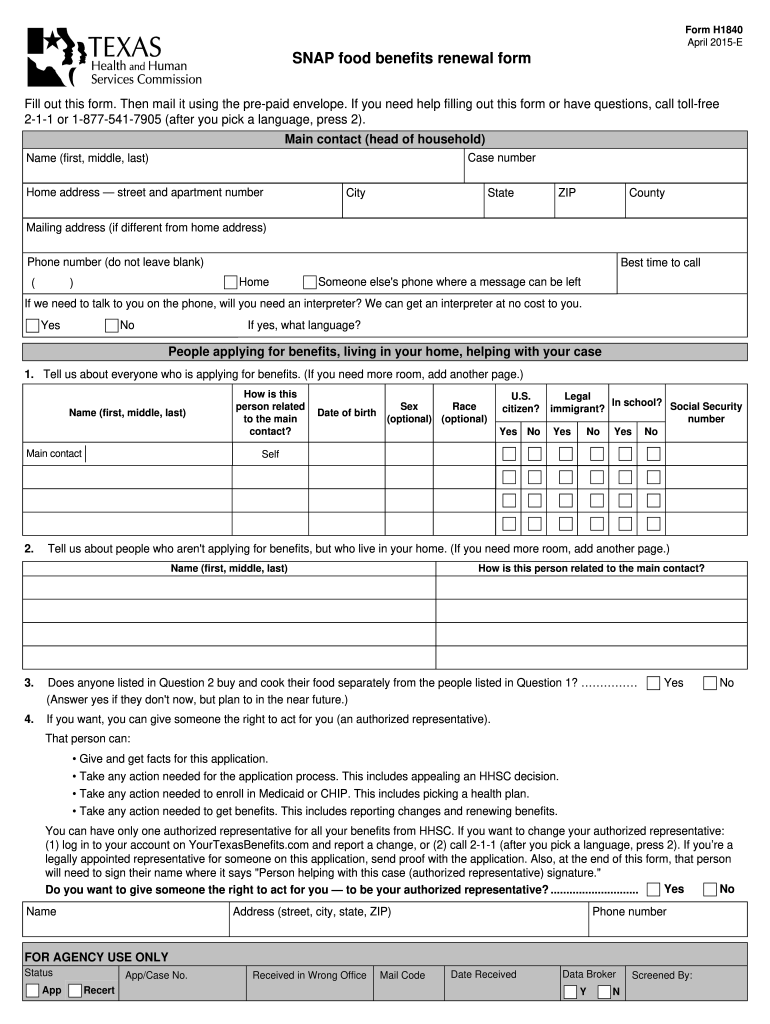
- Mail or Fax: You can print an application from YourTexasBenefits.com, fill it out, and mail or fax it to the HHSC.
-
The Interview Process: After submitting your application, an HHSC caseworker will schedule an interview, either by phone or in person. During this interview, they will review the information on your application, clarify any details, and confirm your eligibility. Be prepared to answer questions about your household, income, expenses, and resources. This is an essential step, so it’s important to participate as scheduled.
-
Decision and Notification: Following the interview and verification of your documents, the HHSC will make a decision on your application, typically within 30 days. You will receive a written notice informing you whether your application was approved or denied. If approved, the notice will include your benefit amount and when to expect your EBT card. If denied, the notice will explain the reason and inform you of your right to appeal.
Utilizing Your Benefits: Beyond the Grocery Store
Once approved, your SNAP benefits are loaded onto your EBT card each month. You can use this card at any authorized retailer that displays the Quest logo. While most people associate SNAP with purchasing groceries at supermarkets, the benefits extend to a variety of food sources, which can even subtly tie into local tourism and culinary exploration:
- Farmers’ Markets: Many farmers’ markets across Texas accept EBT cards, often offering incentives like matching funds for SNAP purchases. This provides access to fresh, local produce and supports local agriculture, aligning with aspects of sustainable tourism and appreciating local food culture. For those interested in culinary experiences, visiting a Texas farmers’ market is an authentic way to engage with the local food scene.
- Groceries and Staples: The primary use of SNAP is to purchase food items such as fruits, vegetables, meat, poultry, fish, dairy products, breads, cereals, and non-alcoholic beverages.
- Seeds and Plants: You can also use SNAP benefits to buy seeds and food-producing plants, empowering individuals to grow their own food, fostering self-sufficiency and a deeper connection to the land—a practical “local experience” for any resident.
By securing basic food needs through SNAP, families can free up other limited financial resources. This means funds that might otherwise go towards food can instead be allocated to other essential expenses, or even modest lifestyle enhancements. For some, this could mean saving for a local family outing to a Texas state park, a visit to a historic landmark in San Antonio, or contributing to a future travel fund, embodying the spirit of “budget travel” right within their own state.
SNAP and the Broader Lifestyle Context in Texas
While the direct purpose of SNAP is to combat food insecurity, its indirect benefits resonate deeply within the broader lifestyle and economic landscape of Texas. A population that is well-nourished and financially stable is better equipped to engage with all aspects of life, from contributing to the workforce to exploring the rich cultural and natural attractions the state offers.
Supporting Local Economies and Culinary Exploration
SNAP benefits are spent locally, which means they provide a continuous economic boost to grocery stores, corner markets, and increasingly, farmers’ markets across Texas. This local spending supports jobs and keeps money circulating within communities. For those interested in the culinary aspects of Texas tourism, understanding how SNAP integrates with local food systems offers a unique perspective. When EBT cards are accepted at local farmers’ markets, it not only provides fresh produce to families but also connects them directly with Texas farmers, strengthening the agricultural backbone of the state. This fosters a sense of local pride and ensures that authentic Texas ingredients remain accessible, enriching the diverse food landscape that visitors often seek out. Engaging with these local food sources, whether through SNAP or simply as a conscious consumer, is a powerful way to experience the true flavor of Texas.
Empowering Financial Stability for Future Horizons
The fundamental security provided by SNAP—knowing that one’s family will not go hungry—is incredibly empowering. This baseline financial stability allows individuals and families to look beyond immediate survival and plan for future goals. For many, this could mean the ability to save money that would otherwise be spent on groceries, creating a buffer for unexpected expenses or even contributing to aspirational lifestyle pursuits.
Imagine a family in Texas whose food budget is significantly eased by SNAP. The funds saved might then be channeled towards a family trip to Big Bend National Park, a weekend getaway to Galveston’s beaches, or even a stay at a more comfortable accommodation during a necessary family visit. While SNAP doesn’t directly fund travel or hotels, it indirectly supports the capacity for residents to engage in these experiences by freeing up discretionary income. This is the essence of budget travel and smart lifestyle management: by securing the essentials, one creates opportunities for enrichment and exploration, even within a limited budget. A stable household is a household that can dream, plan, and eventually embark on the very adventures and experiences that make life vibrant.
In conclusion, understanding how to apply for SNAP food stamps in Texas is more than just navigating a bureaucratic process; it’s about accessing a vital resource that builds a foundation for individual and community well-being. This foundation of food security fosters stability, strengthens local economies, and ultimately empowers residents to pursue a fuller lifestyle, potentially enabling them to save for and enjoy the diverse travel, tourism, and landmark experiences that make the Lone Star State so extraordinary. By securing fundamental needs, individuals and families are better positioned to explore, contribute, and truly experience all that Texas has to offer.
LifeOutOfTheBox is a participant in the Amazon Services LLC Associates Program, an affiliate advertising program designed to provide a means for sites to earn advertising fees by advertising and linking to Amazon.com. Amazon, the Amazon logo, AmazonSupply, and the AmazonSupply logo are trademarks of Amazon.com, Inc. or its affiliates. As an Amazon Associate we earn affiliate commissions from qualifying purchases.