
For LGBTQ+ couples planning a romantic getaway, a family vacation, or even considering a longer-term stay, understanding the legal and social landscape of a destination is paramount. When it comes to the vast and diverse state of Texas, the question, “Is gay marriage legal in Texas?” often arises. The simple answer is yes, thanks to a landmark federal ruling. However, the intricacies of the legal framework, coupled with the varied social climate across its expansive regions, warrant a deeper exploration for anyone looking to travel, live, or simply understand the Lone Star State from an LGBTQ+ perspective.
This article delves into the legality of same-sex marriage in Texas, and more importantly, how this legal standing translates into the practical experiences of LGBTQ+ travelers and residents. We’ll explore inclusive destinations, suggest welcoming accommodations, highlight must-see landmarks, and provide essential tips for navigating Texas to ensure an enjoyable and comfortable trip, aligning with the principles of diverse travel, tourism, and lifestyle choices.
The Legal Framework: Marriage Equality in Texas
The journey to marriage equality in the United States, and consequently in Texas, has been a complex one. While the state historically held a conservative stance on same-sex marriage, federal law has established and upheld its legality.
A National Precedent: Obergefell v. Hodges
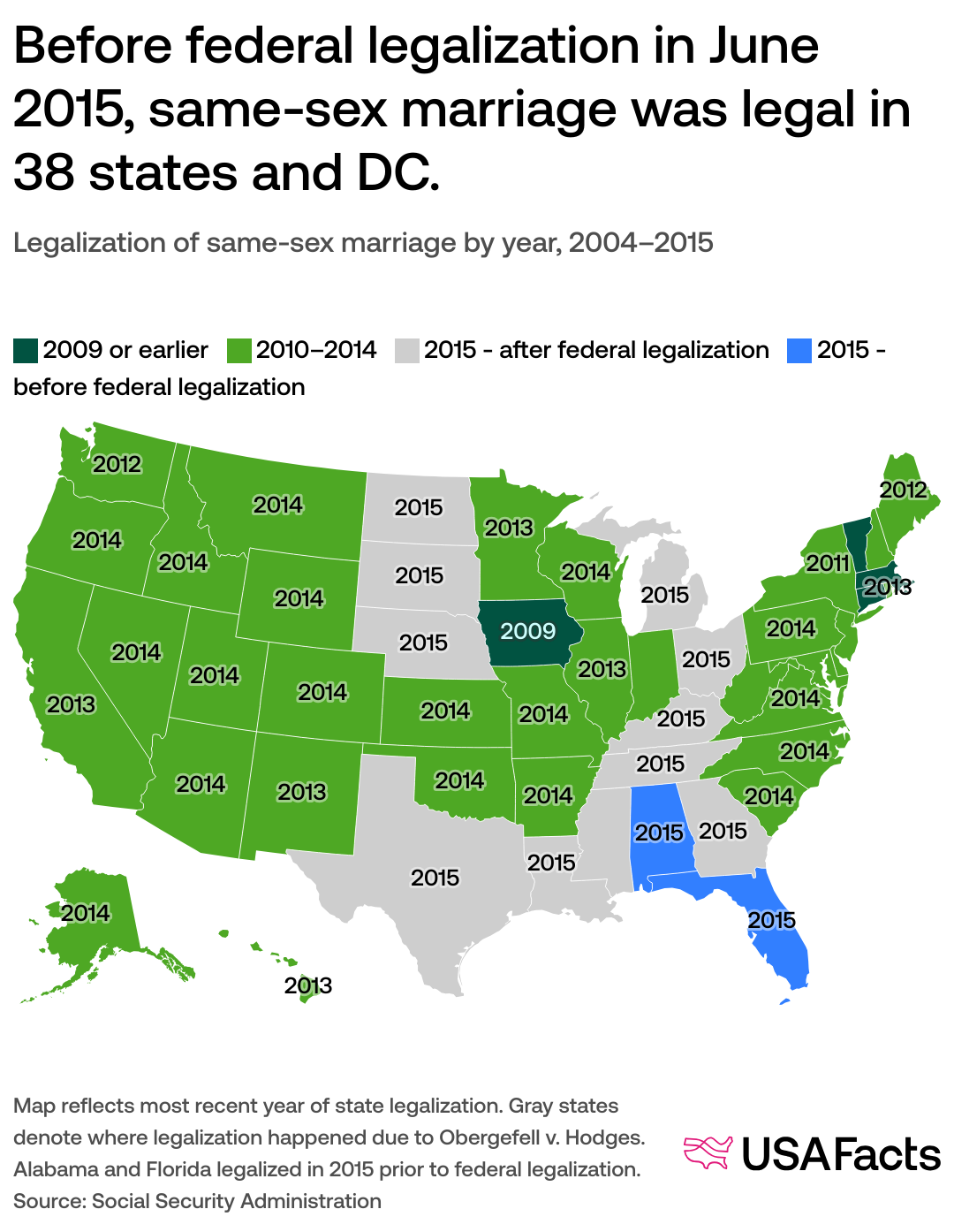
The pivotal moment for marriage equality nationwide occurred on June 26, 2015, with the U.S. Supreme Court’s ruling in Obergefell v. Hodges. This landmark decision affirmed that the right to marry is guaranteed to same-sex couples by both the Due Process Clause and the Equal Protection Clause of the Fourteenth Amendment to the United States Constitution. This ruling effectively legalized same-sex marriage in all 50 states, including Texas, overriding any existing state-level bans.
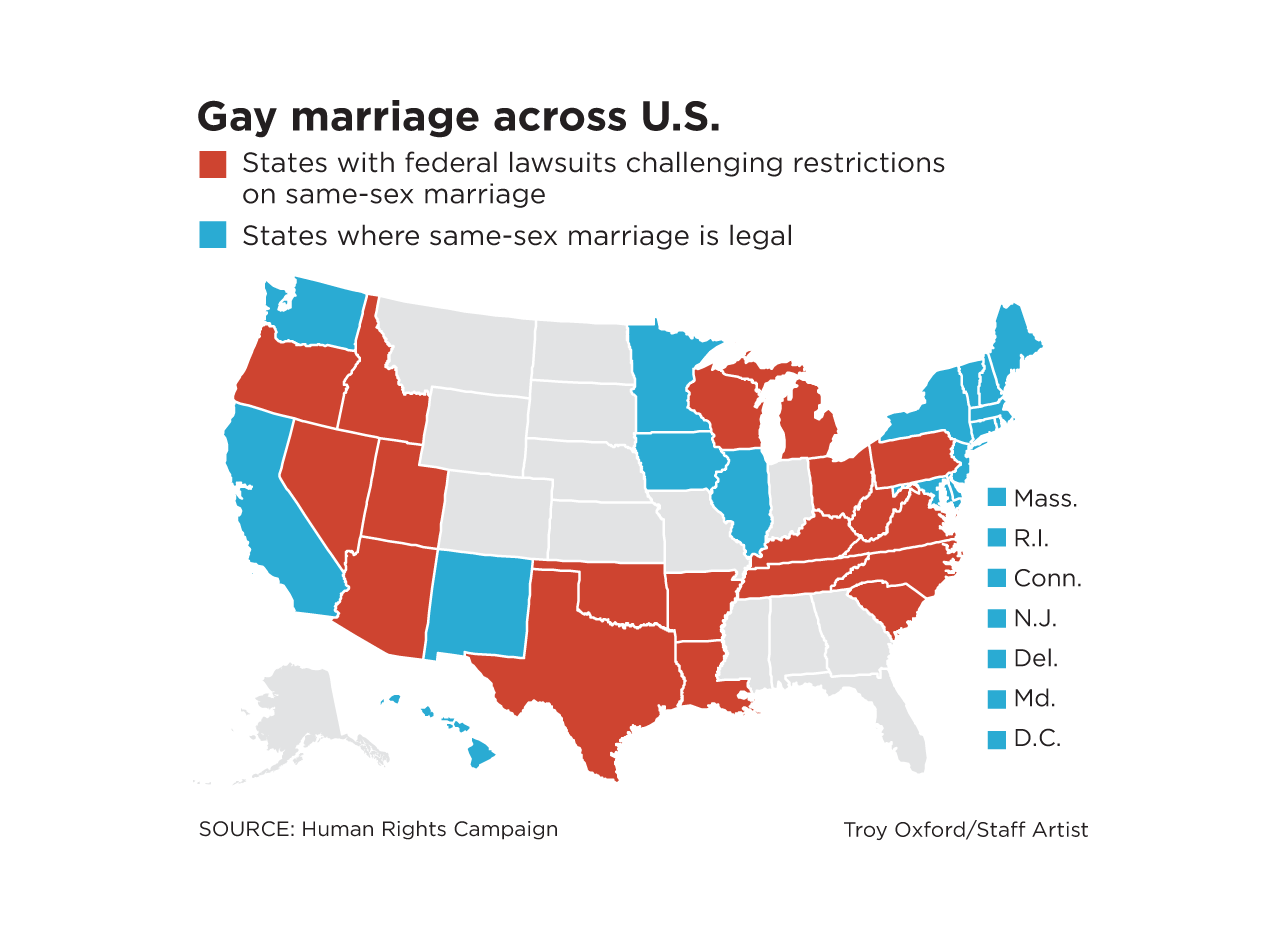
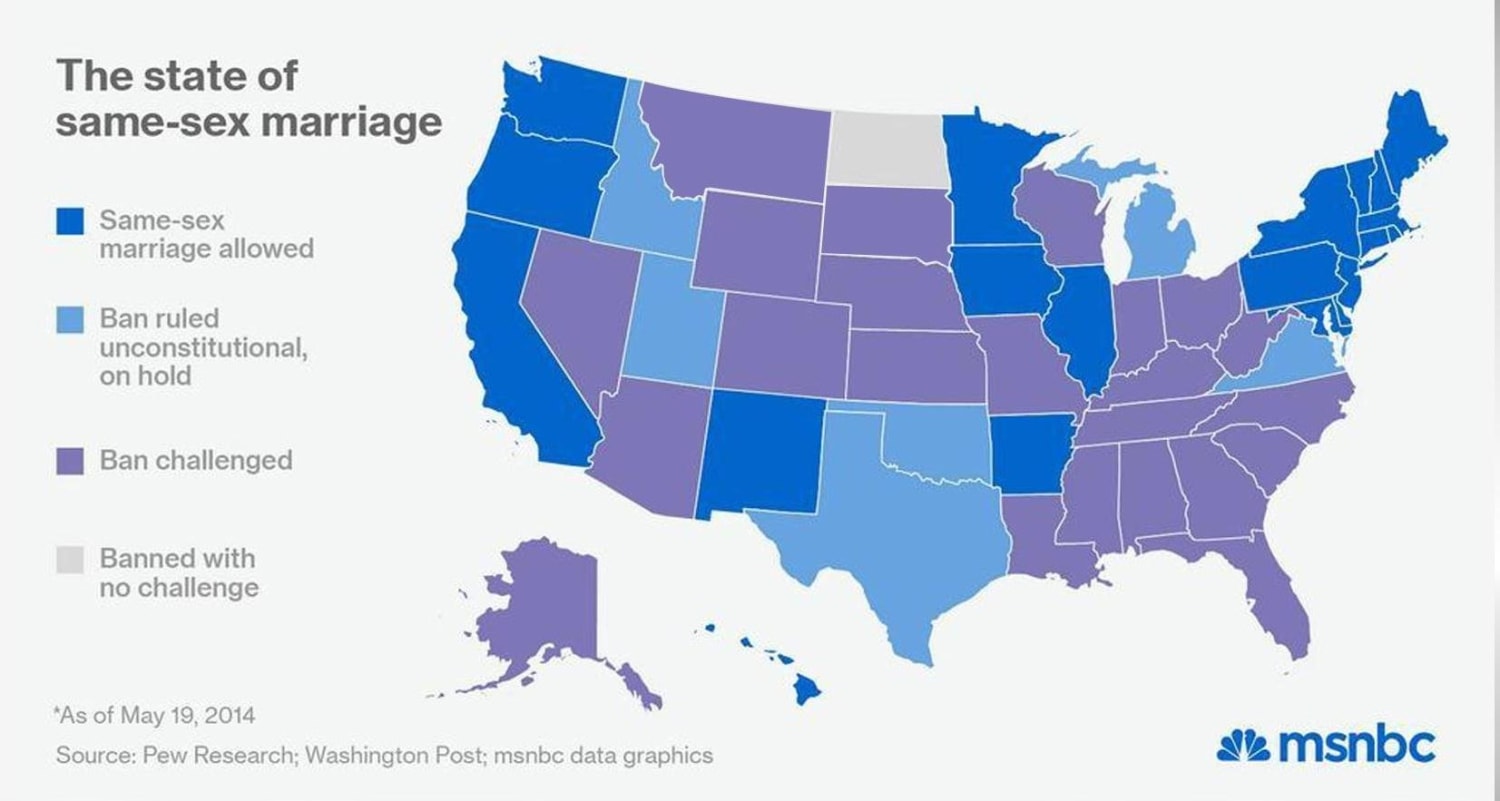
Prior to Obergefell v. Hodges, Texas had a constitutional amendment defining marriage exclusively as between one man and one woman. However, the Supreme Court’s decision immediately nullified such state-level prohibitions, making same-sex marriage legal and recognized across the state. This means that same-sex couples can obtain marriage licenses, get married, and have their marriages recognized with the same rights and responsibilities as heterosexual couples throughout Texas.
The Current Landscape in Texas
While Obergefell v. Hodges solidified the legal right to same-sex marriage, the political and social discussions surrounding LGBTQ+ rights have continued. In response to concerns about the future of marriage equality, particularly after certain judicial changes, the U.S. Congress passed the Respect for Marriage Act in December 2022. This federal law codifies the right to same-sex marriage into federal statute, ensuring that same-sex marriages performed legally in any state are recognized nationwide, even if Obergefell v. Hodges were to be overturned in the future.
Therefore, as of now, same-sex marriage is unequivocally legal and protected in Texas under both Supreme Court precedent and federal law. For LGBTQ+ individuals and couples, this provides a fundamental level of legal assurance when considering travel, relocation, or simply engaging in daily life within the state. However, understanding the legal framework is just the first step. The social reception and the availability of inclusive services can vary, making it crucial for travelers to research and choose destinations wisely.
Navigating Texas as an LGBTQ+ Traveler
The legal protection of marriage equality lays a strong foundation, but the lived experience for LGBTQ+ individuals can be nuanced. Texas is a vast state, home to bustling metropolises, charming small towns, and expansive rural areas. Social attitudes, local ordinances, and the visibility of LGBTQ+ communities can differ significantly from one region to another.
Choosing Inclusive Destinations
When planning a trip to Texas, LGBTQ+ travelers often prioritize destinations known for their welcoming and inclusive atmosphere. Generally, the major urban centers like Houston, Dallas, and Austin are the most LGBTQ+-friendly. These cities boast vibrant LGBTQ+ communities, specific neighborhoods with a high concentration of gay-owned or gay-friendly businesses, and active advocacy organizations. They frequently host Pride events and have a more progressive social ethos reflected in local policies and public opinion.
Even San Antonio, with its rich history and traditional charm, has made significant strides in embracing inclusivity, particularly within its tourism sector. Conversely, smaller towns and more rural parts of Texas may have less visible LGBTQ+ communities and, in some cases, more conservative social views. This doesn’t necessarily mean they are unwelcoming, but travelers might find fewer overtly LGBTQ+-friendly services or spaces. Researching specific locations and understanding their local culture is always a good practice.
Finding Welcoming Accommodation
Accommodation is a cornerstone of any travel experience, and for LGBTQ+ travelers, finding hotels, resorts, or apartments that are genuinely welcoming is a key consideration. Many major hotel chains operating in Texas have corporate policies that include non-discrimination based on sexual orientation and gender identity. Brands like Marriott International, Hilton Worldwide, Hyatt Hotels Corporation, and IHG Hotels & Resorts are often recognized for their LGBTQ+-inclusive practices, offering training to staff and sometimes participating in LGBTQ+ marketing initiatives.
Travelers can look for specific indicators of inclusivity:
- TAG Approved Hotels: This program identifies hotels that are gay-friendly, non-discriminatory, and provide a welcoming environment for LGBTQ+ guests.
- Membership in LGBTQ+ Travel Associations: Hotels that are members of organizations like the International Gay & Lesbian Travel Association (IGLTA) are typically committed to serving the LGBTQ+ community.
- Explicitly Stated Policies: Check hotel websites for diversity and inclusion statements.
- Reviews: Online reviews on platforms like TripAdvisor, Google, or specialized LGBTQ+ travel sites can offer firsthand accounts of other queer travelers’ experiences.
- Boutique Hotels: In cities like Austin or Dallas, many independent boutique hotels pride themselves on their inclusive and progressive atmospheres, often catering to a diverse clientele.
Don’t hesitate to call a hotel directly if you have specific concerns or questions about their inclusivity policies or local area recommendations.
Safety and Community Resources
While Texas is generally safe for travelers, being aware of local resources can enhance comfort and safety for LGBTQ+ individuals. Major cities have LGBTQ+ community centers, advocacy groups, and local queer media outlets that can provide up-to-date information on local events, safe spaces, and support services. Organizations like Equality Texas and the Human Rights Campaign (HRC) offer valuable insights into the state’s political climate and LGBTQ+ rights landscape. In areas like Houston’s Montrose district or Dallas’s Oak Lawn, these resources are readily available and visible, fostering a strong sense of community for both residents and visitors. Knowing where to find these resources can be particularly helpful for long-term stays or in case of unforeseen circumstances.
Top LGBTQ+-Friendly Destinations and Experiences in Texas
Texas offers a spectrum of experiences, from vibrant city life to stunning natural beauty. For LGBTQ+ travelers, certain cities stand out as particularly welcoming and rich in culture.
Houston: A Hub of Diversity
As the largest city in Texas, Houston is a true melting pot of cultures and one of the most diverse cities in the U.S. Its thriving LGBTQ+ community is primarily centered in the Montrose neighborhood. Montrose is renowned for its array of gay bars, clubs, restaurants, and shops, making it an ideal base for LGBTQ+ visitors. The Montrose Center serves as a vital resource for the community, offering support and information.
Beyond Montrose, Houston boasts world-class attractions. The Houston Museum District features 19 museums, including the Museum of Fine Arts and the Houston Museum of Natural Science. Space Center Houston offers an awe-inspiring journey into space exploration. The city’s culinary scene is globally recognized, with options ranging from authentic Tex-Mex to upscale international cuisine. Houston Pride, typically held in June during Pride Month, is one of the largest celebrations in the state, drawing huge crowds to its parade and festival.
Dallas: Progressive Spirit and Nightlife
Dallas stands as another beacon of progressivism in Texas, particularly known for its upscale amenities, robust arts scene, and vibrant LGBTQ+ district. The Oak Lawn neighborhood is the heart of Dallas’s gay community, offering numerous bars, clubs, and cafes. It’s a lively area for nightlife and social gatherings.
Visitors to Dallas can explore the impressive Dallas Arts District, home to institutions like the Dallas Museum of Art and the Nasher Sculpture Center. Shopping enthusiasts will appreciate the city’s luxurious boutiques and malls. For family fun, the Dallas World Aquarium is a popular choice. Dallas Pride is a significant annual event, showcasing the city’s commitment to diversity and inclusion. The city’s blend of Southern charm and modern sophistication makes it an attractive destination for various travel styles, from luxury trips to business stays.
Austin: Keepin’ It Weird and Welcoming
The state capital, Austin, lives up to its unofficial motto, “Keep Austin Weird,” by being an exceptionally liberal and open-minded city. It’s widely considered the most LGBTQ+-friendly city in Texas, with a relaxed vibe and a strong emphasis on live music, outdoor activities, and progressive values. Austin doesn’t have one single “gayborhood” like Houston or Dallas; rather, LGBTQ+ acceptance is woven into the fabric of the entire city.
Key attractions include exploring the live music venues on Sixth Street, kayaking or paddleboarding on Lady Bird Lake, and relaxing in Zilker Park. The Texas State Capitol offers a glimpse into state politics and stunning architecture. Austin’s food scene is famous for its food trucks, barbecue, and diverse culinary offerings. Austin Pride, typically held in August, is a vibrant celebration that reflects the city’s inclusive spirit, making it an ideal destination for family trips and solo adventurers alike.
San Antonio: History, Charm, and Inclusivity
San Antonio offers a unique blend of rich history, vibrant culture, and growing inclusivity. While it may not have as pronounced an LGBTQ+ “scene” as the other major cities, it is increasingly welcoming, particularly in its tourist-heavy areas. The city is renowned for the Riverwalk, a picturesque network of walkways along the San Antonio River, lined with shops, restaurants, and hotels.
A visit to The Alamo is essential for understanding Texas’s history, and the San Antonio Missions National Historical Park provides further historical and architectural wonders. The Pearl District offers upscale dining and boutique shopping. San Antonio Pride has been growing in attendance and visibility, reflecting the city’s evolving attitudes. For couples seeking a romantic getaway steeped in history and charm, San Antonio presents a beautiful and increasingly open option.
Planning Your Texas Trip: Practical Tips for LGBTQ+ Couples and Families
Making the most of your Texas adventure involves a bit of thoughtful planning, especially for LGBTQ+ individuals and families. These tips will help ensure a smooth, enjoyable, and comfortable experience.
Booking Accommodations with Confidence
As mentioned, researching hotels that explicitly state their LGBTQ+ inclusivity or are part of programs like TAG Approved is beneficial. When booking through online travel agencies, look for filters or tags indicating “gay-friendly” or “LGBTQ+ welcoming.” If you have specific needs, such as a desire for two double beds for children or a pet-friendly room, don’t hesitate to contact the hotel directly to confirm their policies and amenities. Many major hotel chains, recognizing the value of diversity, actively train their staff to be inclusive and respectful of all guests, making them a safe bet for family trips and business stays alike. Consider boutique hotels in progressive areas for a more personalized and often openly inclusive experience.
Exploring Local Culture and Attractions
Texas’s local culture is as diverse as its geography. From the vibrant arts scene in the Dallas Arts District to the serene landscapes of Big Bend National Park and Guadalupe Mountains National Park, there’s something for everyone. For beach lovers, South Padre Island offers sunny shores. In inclusive cities, seek out local LGBTQ+ events, art galleries, or community gatherings to immerse yourself in the local queer culture. Many destinations also offer specialized tours or guides focused on LGBTQ+ history or community highlights, enriching your travel experience. Don’t shy away from exploring popular landmarks; most tourist-oriented attractions and establishments in major cities are accustomed to a diverse clientele.
Understanding Local Nuances and Etiquette
While marriage equality is the law of the land, social attitudes can vary. In the major metropolitan areas, public displays of affection between same-sex couples are generally accepted and go unnoticed, just as they would for heterosexual couples. However, in more rural or conservative parts of Texas, discretion might be advisable, depending on your comfort level. This is not to suggest danger, but rather an awareness of cultural norms, much like any traveler might observe in unfamiliar territories.
Engaging with locals is a fantastic way to experience the true spirit of Texas hospitality. Most Texans are genuinely friendly and welcoming. If you have specific questions or need recommendations during your trip, don’t hesitate to consult hotel concierges, local LGBTQ+ community centers, or trusted online travel forums. Understanding these nuances helps ensure a relaxed and enjoyable trip, whether you’re embarking on a luxury travel experience, planning a budget-friendly adventure, or simply enjoying a peaceful long-term stay.
In conclusion, same-sex marriage is indeed legal in Texas, supported by federal law and a national precedent. This legal reality provides a secure foundation for LGBTQ+ individuals and couples to visit, explore, and even reside in the state. By focusing on its inclusive major cities, leveraging resources for welcoming accommodations, and understanding the diverse social fabric of the state, LGBTQ+ travelers can confidently plan a memorable and fulfilling Texas experience, embracing everything from its unique landmarks and vibrant tourism offerings to its distinctive lifestyle opportunities.
LifeOutOfTheBox is a participant in the Amazon Services LLC Associates Program, an affiliate advertising program designed to provide a means for sites to earn advertising fees by advertising and linking to Amazon.com. Amazon, the Amazon logo, AmazonSupply, and the AmazonSupply logo are trademarks of Amazon.com, Inc. or its affiliates. As an Amazon Associate we earn affiliate commissions from qualifying purchases.