
Embarking on a journey to the Lone Star State promises an unforgettable experience, whether you’re drawn to the vibrant cityscapes of Dallas and Houston, the unique culture of Austin, or the historical richness of San Antonio. From exploring iconic landmarks to indulging in world-class cuisine and finding the perfect accommodation, Texas offers a diverse array of attractions for every traveler. However, like any travel destination, understanding the local tax landscape is crucial for effective budgeting and a smooth experience. One significant aspect is sales tax, and for those planning a trip, booking hotels, or simply enjoying the local lifestyle, knowing what to expect can make a world of difference. This comprehensive guide will demystify sales tax in Texas, specifically tailored to travelers, tourists, and anyone exploring what this vast state has to offer. We’ll delve into the nuances of state and local rates, explain what purchases are subject to tax, clarify the difference with hotel occupancy taxes, and even reveal a unique refund program for international visitors.
Understanding Texas Sales Tax for Travelers and Tourists
Navigating the financial aspects of travel often involves more than just the sticker price. In Texas, sales tax is a significant component of many transactions. For visitors, grasping its fundamentals is key to avoiding unexpected costs and truly enjoying all that the state has to offer, from souvenirs to dining out.
The Basics: State and Local Sales Tax Rates
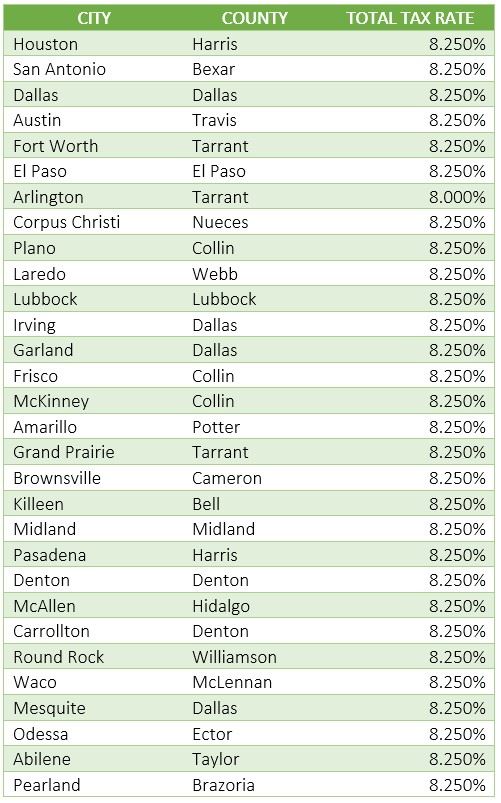
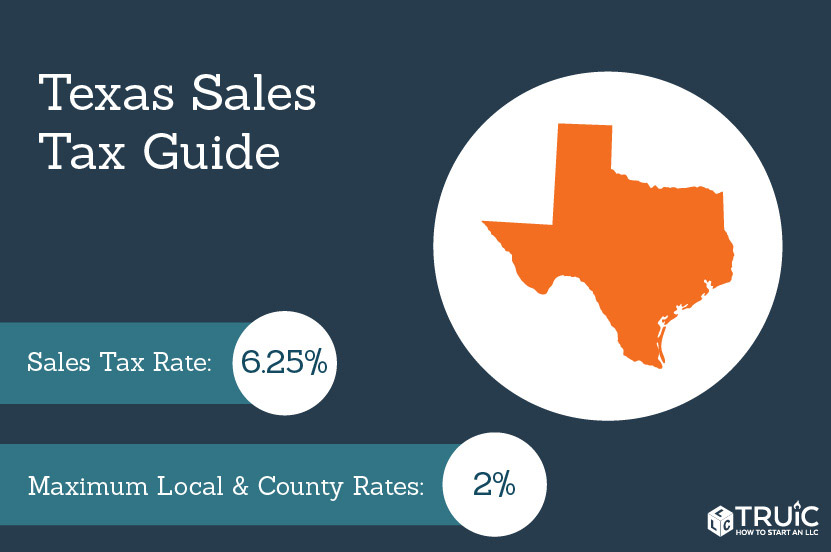
At its core, the state of Texas levies a general sales tax rate of 6.25%. This percentage applies to the sales price of all taxable items and services across the entire state. However, this isn’t the final figure you’ll typically see on your receipts. Texas law permits local taxing jurisdictions – including cities, counties, and various special purpose districts (like metropolitan transit authorities or crime control and prevention districts) – to impose additional sales taxes. These local additions can increase the combined sales tax rate by up to 2%, bringing the maximum possible combined rate to 8.25%.
What does this mean for you, the traveler? It means that the sales tax you pay can vary slightly depending on where you are in Texas. For example, if you’re shopping for Western wear in Fort Worth, dining at a gourmet restaurant in Downtown Houston, or buying tickets to a live music show in Austin, the total sales tax rate applied to your purchases will reflect the combined state and local rates of that specific municipality or district. Major metropolitan areas like Dallas, Houston, Austin, and San Antonio often have the maximum 8.25% combined rate due to their various local taxing authorities. Smaller towns or rural areas might have lower combined rates, closer to the state’s 6.25% base. It’s always a good practice to check the local tax rate if you’re planning significant purchases in a less familiar area, though most point-of-sale systems will automatically calculate and display the correct amount. This tiered system ensures that local governments have the necessary funds to maintain public services and infrastructure, which in turn enhance the visitor experience through well-kept roads, public parks, and other amenities.
What’s Taxable? Common Purchases for Visitors
Understanding what is subject to sales tax is just as important as knowing the rates. For travelers and tourists, many of the items and services that form part of a typical trip to Texas will incur sales tax. This includes a wide range of retail goods, which are often the most straightforward category. When you’re picking up souvenirs like a cowboy hat, a unique piece of local art, clothing, or electronics, expect to pay sales tax. Even everyday convenience items purchased from a general store, beyond specific food exemptions, will be taxed.
Food and dining are also significant categories for travelers. All prepared food and drinks purchased from restaurants, cafes, food trucks, and even grocery store delis are subject to sales tax. So, whether you’re enjoying authentic Tex-Mex, a juicy steak, or just grabbing a quick coffee, the sales tax will be added to your bill. This also extends to beverages, including alcoholic drinks purchased at bars or restaurants. However, there’s a notable exception for unprepared groceries, which we’ll discuss later.
Beyond retail and dining, sales tax applies to many forms of entertainment and leisure activities. This includes tickets to attractions like theme parks such as Six Flags Over Texas, museums, concerts, sporting events, and movie theaters. If you’re renting something that’s considered tangible personal property, like a jet ski for a day on the Gulf Coast or a bicycle to explore Zilker Park in Austin, those rental fees will also be subject to sales tax. Certain services that are directly related to taxable tangible personal property, such as repair services where parts are used, can also be taxed. Essentially, if you’re buying a physical product or paying for entry to an entertainment venue, it’s highly probable that sales tax will be part of the final cost. Knowing these categories helps you anticipate costs and budget more accurately for your Texas adventure.
Sales Tax and Accommodation in Texas
When planning a trip, accommodation is often the largest single expense, and understanding how taxes apply to your stay is essential. In Texas, the taxation of hotel rooms operates under a distinct system that differs from general sales tax, though it similarly impacts your overall budget.
Hotel Occupancy Tax vs. Sales Tax
One of the most crucial distinctions for travelers to Texas is understanding that your hotel room, resort stay, or vacation rental is generally not subject to the state’s general sales tax. Instead, accommodations are subject to a separate levy known as the Hotel Occupancy Tax (HOT). This tax is specifically applied to the rental of a room or space in a hotel, motel, bed and breakfast, or any other lodging establishment for a continuous period of less than 30 days.
The state of Texas imposes a 6% state Hotel Occupancy Tax. However, similar to sales tax, local jurisdictions have the authority to add their own HOT rates on top of the state rate. Cities are typically authorized to impose up to an additional 9% (or sometimes higher in specific development areas), and counties can also add their own percentages, often up to 2%. When combined, the total Hotel Occupancy Tax in major tourist destinations like Houston, Dallas, San Antonio, or Austin can reach anywhere from 15% to 17% or even more in specific districts. For instance, in many of the larger cities, you can expect the combined HOT to be around 17.5% of your nightly room rate.
It’s vital to differentiate HOT from sales tax. While sales tax applies to most tangible goods and prepared foods, HOT applies solely to the accommodation itself. This means that if you purchase items from a hotel gift shop, order room service, or pay for other ancillary services like laundry or parking at your hotel, those specific purchases will be subject to the general state and local sales tax rates, not the HOT. The HOT only applies to the charge for occupying the room. This distinction is important for budgeting and understanding your bill, as the HOT can significantly increase the total cost of your stay, especially for longer trips or luxury accommodations.
Navigating Accommodation Costs: Hotels, Resorts, and Vacation Rentals
The impact of the Hotel Occupancy Tax is felt across all types of short-term lodging in Texas. Whether you’re booking a standard hotel room, an opulent suite at a resort, a charming bed and breakfast, or a private vacation rental, you will almost certainly encounter HOT.
For traditional hotels and resorts, the HOT will be itemized on your bill, usually as a separate line item from the room rate. This applies to major hotel chains as well as independent establishments. When browsing websites for hotels, resorts, apartments, or villas, the initial price displayed might often be just the room rate before taxes and fees. Always look for the “total price” or “price including taxes” to get an accurate estimate of your accommodation expenses. This can make a substantial difference, particularly when comparing options or managing a tight budget. A nightly rate of $150 could easily become $175 or more with HOT added, not to mention any resort fees or other charges.
The rise of vacation rental platforms like Airbnb and VRBO has changed the accommodation landscape, but not the tax obligations. Hosts renting out their properties for short-term stays in Texas are also typically required to collect and remit Hotel Occupancy Tax. Many of these platforms have integrated tax collection into their booking process, so the HOT is usually calculated and added to your total payment at checkout. However, it’s always wise to confirm this when booking a private rental, especially if dealing directly with a host.
Budgeting for accommodation with HOT involves a simple but crucial step: always factor in that additional percentage. If you’re comparing a few different hotels or deciding between a hotel and a vacation rental, ensure you’re comparing the total cost, including all applicable taxes and fees, to get a true picture. This proactive approach allows you to set a realistic travel budget and avoid any surprises when you receive your final bill, ensuring your stay in Texas is as comfortable and financially predictable as possible.
Exemptions, Refunds, and Special Considerations for Texas Visitors
While sales tax and Hotel Occupancy Tax are prevalent throughout Texas, there are specific situations and categories that offer exemptions or even opportunities for refunds, particularly for international visitors. Understanding these can help certain travelers save money and better manage their travel expenses.
Common Exemptions for Travelers
Not everything you purchase in Texas is subject to sales tax. The most significant and commonly utilized exemption for travelers relates to unprepared food and groceries. If you’re buying food items from a grocery store, supermarket, or convenience store for consumption off-premises and they are not prepared or ready-to-eat, they are typically sales tax exempt. This means your fresh produce, raw meat, dairy products, bread, packaged snacks, and other pantry staples purchased for self-catering or picnics are free from sales tax. This exemption can be a considerable saving for budget travelers or families opting to prepare some of their own meals, especially if staying in accommodations with kitchenettes. However, as mentioned earlier, prepared foods (like hot deli items, sandwiches made to order, or pre-made salads from a grocery store) and restaurant meals are always taxable.
Beyond groceries, certain services are generally exempt from sales tax unless they are specifically tied to the sale of a taxable good. Examples include most professional services (such as legal or medical consultations), barber or salon services, and dry cleaning. While these might not be daily purchases for tourists, it’s good to know the distinction. Additionally, certain sales by non-profit organizations for fundraising purposes might be exempt, though this is less common for typical tourist purchases. The general rule of thumb is: if it’s a tangible product you’re buying or a service that results in a tangible product, it’s likely taxable. If it’s a service performed independently, it might not be.
Sales Tax Refunds for International Visitors
One of Texas’s unique and highly beneficial programs for international tourists is the Texas Sales Tax Refund program. This initiative allows qualified international visitors to receive a refund of the Texas sales tax paid on eligible purchases made during their stay in the United States. This is a significant perk that sets Texas apart from many other states.
To be eligible for a refund, international visitors must meet several criteria:
- You must be a non-U.S. resident.
- You must have purchased items from participating Texas retailers that are considered eligible for a refund.
- The total amount of sales tax paid on eligible purchases must meet a minimum threshold (this can vary but is generally set for purchases totaling over a certain amount, for example, $300 in taxable goods).
- You must be departing the U.S. with the purchased items within 30 days of making the last purchase, often with a flight ticket as proof.
- The items must be taken out of the country.
The process for claiming a refund typically involves visiting a designated TaxFree Shopping refund center before your international departure. These centers are conveniently located in major airports, such as DFW Airport and Houston Hobby Airport, as well as in popular shopping destinations like San Marcos Premium Outlets or Grapevine Mills.
When visiting a refund center, you’ll need to present several documents:
- Your valid passport and U.S. visa (if required).
- Your international boarding pass or flight itinerary, proving your departure from the U.S.
- The original receipts for all eligible purchases, clearly showing the Texas sales tax paid.
- The actual purchased items may need to be presented for verification.
After verification, you can typically receive your refund in various forms, such as cash, check, or a credit to your debit or credit card, although a small processing fee might be deducted. This program is a fantastic incentive for international travelers to shop in Texas, allowing them to enjoy high-quality goods from the Dallas Arts District to specialty boutiques in Austin without the burden of sales tax on their exported purchases. It directly enhances the luxury travel experience for those coming from abroad, making Texas an even more attractive destination for international tourism and shopping.
Budgeting for Your Texas Trip: A Lifestyle Perspective
Planning a trip to Texas, whether it’s for an adventurous exploration of Big Bend National Park, a historical tour of The Alamo, or a visit to the NASA Johnson Space Center, requires careful financial consideration. Understanding sales tax and hotel occupancy tax is not merely about compliance; it’s about smart budgeting and ensuring your travel lifestyle, be it luxury or budget, remains enjoyable and stress-free.
Practical Tips for Managing Sales Tax
Effective budgeting for your Texas adventure involves more than just flights and accommodation. It’s about anticipating all the small and large expenses that contribute to the overall experience. Here are some practical tips for managing sales tax:
- Always Factor in the “Extra” Percentage: When you see a price tag for a souvenir, a menu item, or an attraction ticket, remember that the final cost will likely be higher due to sales tax. In most major cities, mentally add about 8.25% to retail purchases and prepared foods. For hotel stays, budget an additional 15-18% for the Hotel Occupancy Tax. This simple mental calculation can prevent sticker shock and help you keep track of your spending more accurately.
- Budget for Meals and Activities Separately: While you might budget a lump sum for daily expenses, breaking down costs for meals, entertainment, and shopping helps isolate the impact of sales tax. For instance, if you plan to spend $50 on a meal, anticipate an extra $4-$5 for sales tax, plus gratuity. This foresight is crucial whether you’re on a budget travel adventure or a more indulgent luxury travel escape.
- Understand Quoted Prices vs. Final Prices: Many online booking sites, especially for accommodation, might initially show prices exclusive of taxes and fees. Always look for the “total price” or “price including taxes” option before confirming your booking. Similarly, for larger purchases, don’t assume the displayed price is the final amount you’ll pay at the register.
- Leverage Grocery Exemptions: For budget-conscious travelers or families, utilizing the sales tax exemption on unprepared groceries can lead to significant savings. Stocking up on breakfast items, snacks, or ingredients for a simple dinner from a local supermarket in El Paso or Corpus Christi can help reduce your overall food budget compared to dining out for every meal.
- Keep Receipts Organized: Especially for international visitors hoping to claim a sales tax refund, keeping all original receipts meticulously organized is paramount. This simple habit can save you time and hassle when you visit a refund center, such as the one at South Padre Island.
- Example Scenarios: Consider a family trip to Six Flags Over Texas. Not only will the tickets be taxed, but so will every soda, hot dog, and souvenir bought inside the park. Contrast this with a business stay in Downtown Houston where the focus might be on an upscale hotel (high HOT), expensive restaurant meals (sales tax), and perhaps a few business-related purchases (sales tax). In both scenarios, understanding the tax structure is key to managing expenditures.
The Broader Economic Impact on Tourism
While sales tax and Hotel Occupancy Tax add to the cost of travel, it’s also important to recognize their broader role in enhancing the visitor experience. These taxes are not just revenue generators; they are crucial funding mechanisms for the very infrastructure and attractions that make Texas such a desirable destination.
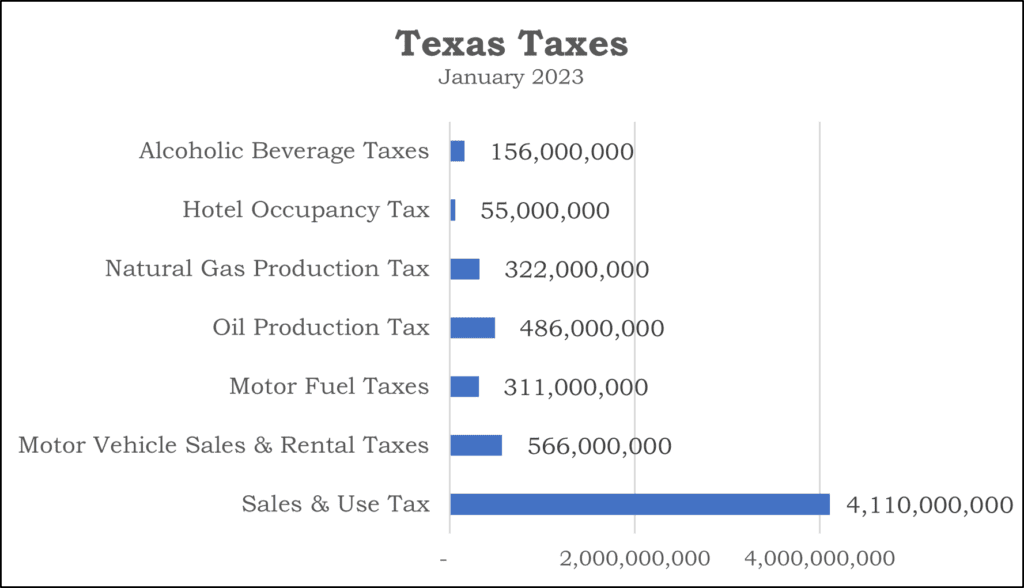
The revenue collected from sales tax and HOT flows into state and local coffers, funding a wide array of public services. At the state level, these taxes contribute to general revenue, supporting education, healthcare, and state-wide infrastructure projects. Locally, city and county governments use their share of the sales tax and HOT to fund parks, recreation facilities, public safety, transportation improvements, and cultural programs. For instance, a portion of the Hotel Occupancy Tax is often specifically earmarked for promoting tourism and developing new attractions, convention centers, or improving existing landmarks. This directly impacts the quality of public spaces, the maintenance of historical sites like The Alamo, and the cleanliness of tourist-heavy areas.
Moreover, these taxes help maintain the quality of the travel experience. Well-maintained roads make it easier to visit Texas’s many state parks or drive across its vast landscapes. Investments in public facilities ensure a comfortable visit to museums and cultural centers. The promotional activities funded by HOT help draw more visitors, creating a vibrant tourism industry that benefits local businesses and residents alike. The Texas Comptroller of Public Accounts plays a critical role in administering these taxes, ensuring a consistent and fair system for businesses and consumers.
In essence, while sales tax and Hotel Occupancy Tax are additional costs to factor into your travel budget, they are also an investment in the continued allure and hospitality of the Lone Star State. Understanding this connection allows travelers to view these taxes not just as an expense, but as a contribution to the vibrant culture, diverse attractions, and welcoming atmosphere that defines a Texas adventure. By being informed, you can plan a financially savvy trip and fully immerse yourself in all the rich experiences Texas has to offer, from its bustling cities to its tranquil natural beauty.
LifeOutOfTheBox is a participant in the Amazon Services LLC Associates Program, an affiliate advertising program designed to provide a means for sites to earn advertising fees by advertising and linking to Amazon.com. Amazon, the Amazon logo, AmazonSupply, and the AmazonSupply logo are trademarks of Amazon.com, Inc. or its affiliates. As an Amazon Associate we earn affiliate commissions from qualifying purchases.