
Embarking on a journey to the Lone Star State or considering making it your new home means stepping into a world of vast landscapes, vibrant cities, and a unique economic environment. Texas offers an unparalleled blend of rich history, diverse culture, and thrilling adventures, from the bustling streets of Houston to the historic charm of San Antonio and the live music capital, Austin. Whether you’re planning a luxurious escape, a budget-friendly family trip, or contemplating a long-term stay, understanding the tax rates in Texas is crucial for smart financial planning. Unlike many other states, Texas boasts a distinct tax structure, most notably the absence of a state income tax, which significantly influences both the cost of travel and the overall lifestyle for residents. This comprehensive guide will unravel the various tax rates you’ll encounter in Texas, helping you navigate your expenses, make informed accommodation choices, and fully enjoy all the experiences this dynamic state has to offer.
Understanding Texas’s Core Tax Structure for Visitors and Residents
Texas’s tax system is often lauded for its simplicity, particularly the lack of a state income tax. This makes it an attractive destination for businesses and individuals alike. However, this doesn’t mean the state is tax-free. Instead, Texas relies heavily on sales tax and property tax to fund its state and local services. For visitors, the most immediate and impactful taxes will be sales tax and hotel occupancy tax, while those considering a longer stay or relocation will need to delve deeper into property tax considerations. Understanding these core components is the first step in budgeting effectively for your Texas adventure.
The Impact of Sales Tax on Your Texas Adventure
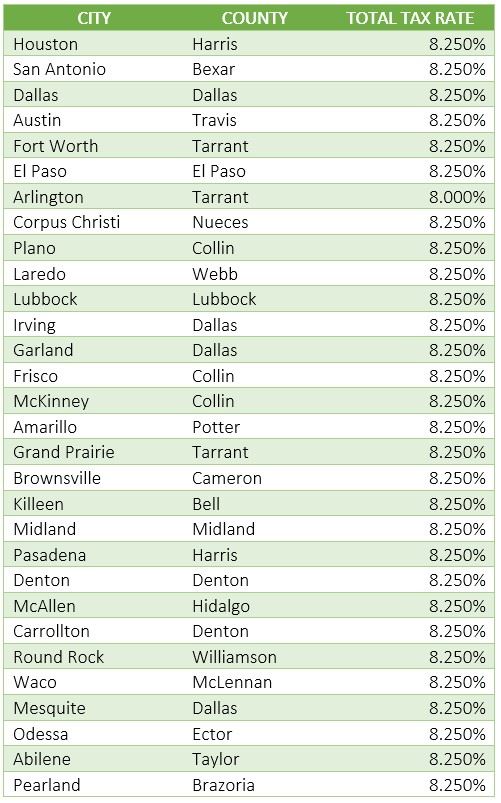
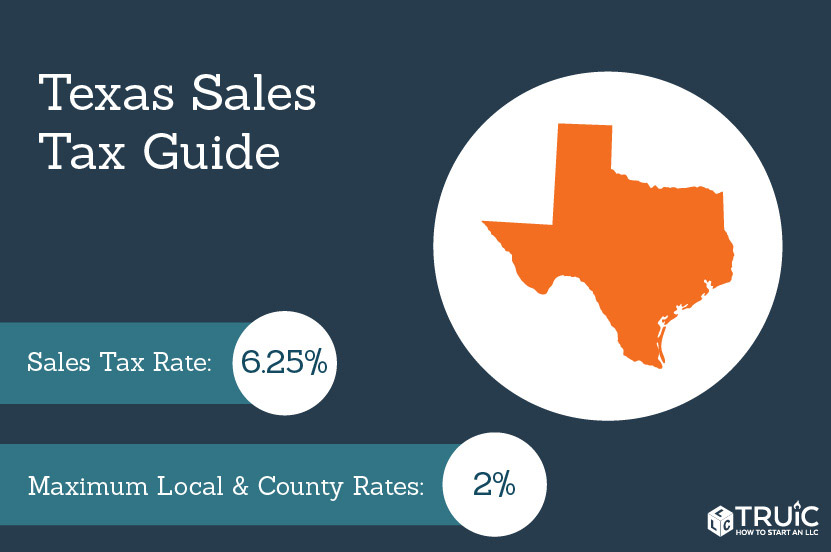
The state sales tax rate in Texas is a consistent 6.25%. This rate applies to the sale of most goods and certain services. However, it’s essential to remember that cities, counties, and special purpose districts can add their own local sales taxes, bringing the combined rate up to a maximum of 8.25% in many areas. This means that while the base rate is fixed, the actual amount you pay will vary depending on where you are shopping or dining.
For travelers, this sales tax affects nearly every purchase beyond groceries and prescription medications. Thinking of buying souvenirs at the historic Alamo gift shop in San Antonio, treating yourself to a delectable meal in the Dallas Arts District, or grabbing some gear for your hike in Big Bend National Park? A sales tax will be applied. Even seemingly small purchases can add up over the course of your trip. When budgeting for your travel experiences, whether it’s exploring the vibrant nightlife on Sixth Street in Austin or visiting the NASA Johnson Space Center in Houston, it’s wise to factor in an additional 6.25% to 8.25% for most of your discretionary spending. This approach helps prevent any unexpected surprises and allows you to fully immerse yourself in the local culture and attractions without financial stress.
Navigating Hotel Occupancy Taxes: A Key for Accommodation Costs
When planning your stay in Texas, whether it’s a luxurious resort, a charming boutique hotel, or a cozy apartment rental, the hotel occupancy tax (HOT) will be a significant factor in your accommodation costs. Like sales tax, HOT is levied at both the state and local levels.
The state hotel occupancy tax rate in Texas is 6%. This applies to rooms or spaces in hotels, motels, bed and breakfasts, and even some short-term vacation rentals. This state tax is remitted to the Texas Comptroller’s office and is dedicated to funding tourism, historical preservation, and convention center projects, directly benefiting the very infrastructure that attracts visitors.
In addition to the state rate, cities and counties also have the authority to impose their own local hotel occupancy taxes. These local rates vary significantly from one municipality to another. For example, popular tourist destinations like Austin, Dallas, Houston, and San Antonio often have higher combined HOT rates due to additional city and county levies. It’s not uncommon to see combined HOT rates ranging from 15% to 17% in major metropolitan areas. For instance, a stay at the elegant Grand Hyatt Hotel on the San Antonio Riverwalk could incur a combined HOT rate nearing 18%, while a charming bed and breakfast in a smaller town might have a slightly lower overall rate.
This means that a room advertised at $200 per night could actually cost you closer to $230-$234 once the state and local HOT are applied. For travelers planning multiple nights or booking higher-end suites and villas, these taxes can add a substantial amount to the total bill. When comparing hotel options, reviewing the total price including all taxes and fees is essential for an accurate budget. Many online booking platforms now display the estimated total cost, but it’s always wise to double-check the fine print. This knowledge is especially vital for those seeking budget travel options or managing expenses for business stays, ensuring that the advertised room rate isn’t the only figure you’re factoring into your accommodation budget.
Beyond the Basics: Property Taxes and the Texan Lifestyle
While sales tax and hotel occupancy tax are the primary considerations for short-term visitors, those contemplating a move to Texas or even an extended stay will need to understand the state’s property tax structure. This is where Texas significantly diverges from many other states, offering a unique blend of tax benefits and obligations that shape the local lifestyle.
Property Taxes: Influencing Accommodation and Long-Term Stays
One of the most striking aspects of the Texas tax landscape is the absence of a statewide property tax. However, this does not mean property owners are exempt. Instead, property taxes are levied by local taxing units, including counties, cities, school districts, and various special purpose districts (like hospital districts or community colleges). These local property taxes are the primary funding source for local government services, public schools, and infrastructure projects.
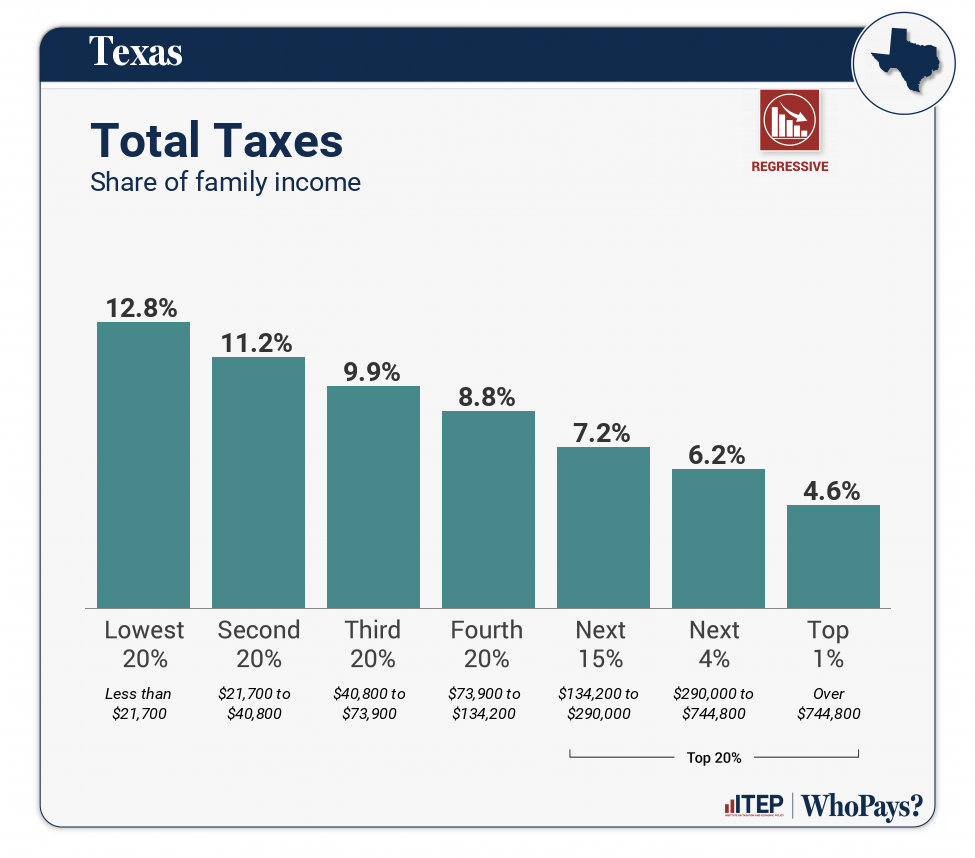
As a result, property tax rates in Texas can be quite high compared to other states, often among the highest in the nation. The average effective property tax rate can range from 1.5% to over 2.5% of a property’s appraised value, depending heavily on the specific location. For instance, owning a home in a sought-after school district in Dallas or Austin might mean a higher property tax burden than a similar property in a more rural county.
For individuals considering a long-term stay, purchasing a vacation home, or investing in rental properties, these property taxes are a critical financial consideration. They directly impact the overall cost of homeownership and can influence rental prices for apartments and long-term accommodations. Landlords often factor property tax expenses into their rental rates, meaning that even if you’re renting, the local property tax structure indirectly affects your housing costs. This is particularly relevant for digital nomads or those exploring the possibility of relocating and embracing the Texas lifestyle, as property taxes will be an ongoing expense that must be budgeted for. Understanding these local variations is key to finding the right accommodation and managing your lifestyle expenses effectively.
The Allure of No State Income Tax for a Texan Lifestyle
Perhaps the most significant financial advantage that draws individuals and businesses to Texas is the complete absence of a state personal income tax. This means that residents keep a larger portion of their earnings compared to those living in states with high income tax rates. For many, this translates into greater disposable income, which can be reinvested, saved, or used to enjoy the many attractions and experiences Texas has to offer.
This benefit is particularly attractive for professionals, retirees, and families looking to maximize their financial well-being. Coupled with a generally lower cost of living in many parts of the state (compared to coastal mega-cities), the lack of state income tax makes Texas an appealing destination for those seeking a more affordable yet high-quality lifestyle. The state’s robust economy, driven by industries like energy, technology, and aerospace, further enhances its appeal, offering ample career opportunities.
However, it’s crucial to view this benefit in context with other taxes. While you won’t pay state income tax, the state relies on sales tax and, more significantly for homeowners, property taxes to fund its services. Therefore, while your paycheck might look larger, a substantial portion of that saving could be offset by higher property tax bills or the cumulative effect of sales tax on your everyday purchases. For example, a resident living in a high-value property in Fort Worth might find their property tax obligations to be a considerable expense, even without a state income tax. Understanding this balance is essential for anyone considering a move to Texas to truly grasp the financial implications of the “no state income tax” policy. It’s about evaluating the total tax burden and how it aligns with your personal financial goals and preferred lifestyle.
Planning Your Texas Budget: Practical Tips for Travelers
Equipped with a clear understanding of Texas’s tax rates, you’re now better positioned to plan an unforgettable trip or a seamless relocation. Smart budgeting can make all the difference, allowing you to focus on creating lasting memories rather than worrying about unexpected costs. Whether you’re indulging in luxury travel experiences or meticulously planning a budget-friendly adventure, factoring in taxes from the outset is a golden rule.
Estimating Costs for Your Texas Trip
When planning your itinerary and budget for a Texas vacation, remember that the advertised price isn’t always the final price. The combination of state and local sales taxes (up to 8.25%) and hotel occupancy taxes (up to 17-18% in major cities) can significantly inflate your total expenditure.
Here’s a simplified approach to estimating your costs:
- Accommodation: When booking hotels, resorts, or vacation rentals, always check the total price, including all taxes and fees. If only the base rate is shown, add approximately 15-18% for major cities like Houston or Austin, and a slightly lower percentage (e.g., 10-12%) for smaller towns, to get a realistic daily accommodation cost.
- Dining and Shopping: For meals out, souvenirs, attraction tickets, and other purchases, mentally add 8.25% to the listed price. This covers the maximum combined sales tax in most areas. While some cities might be slightly lower, using the higher estimate ensures you’re covered. For example, if you plan to spend $100 on dining, factor in an extra $8.25.
- Activities and Experiences: Most paid activities, such as entry to Moody Gardens in Galveston or a day at Schlitterbahn Waterpark on South Padre Island, will also be subject to sales tax. Budget accordingly for these exciting adventures.
By applying these simple estimations, you can create a more accurate travel budget, whether you’re embarking on a luxurious gourmet tour through Dallas or exploring the natural wonders of Guadalupe Mountains National Park on a shoestring. This proactive approach ensures a smoother and more enjoyable trip, free from financial surprises.
Exploring Texas Destinations and Their Tax Nuances
The diverse landscape of Texas extends to its local tax rates, making it worthwhile to consider these nuances when choosing your destinations. While the state sales tax and hotel occupancy tax rates are uniform, the local add-ons can vary considerably, subtly influencing the overall cost of your trip depending on where you stay and what you buy.
- Major Metropolitan Areas: Cities like Houston, Dallas, Austin, and San Antonio typically have the highest combined sales and hotel occupancy tax rates. This is due to additional levies by city and county governments, which fund extensive infrastructure, large convention centers, and numerous tourism-promoting initiatives. If your travel plans involve staying primarily in these urban centers, anticipate paying closer to the maximum combined rates.
- Coastal Towns and Tourist Hotspots: Popular coastal destinations such as Galveston or South Padre Island also often have elevated hotel occupancy taxes, given their reliance on tourism revenue. However, sales tax rates might be consistent with the 8.25% maximum found elsewhere. These areas often offer specific packages at hotels and resorts that bundle amenities, which can sometimes provide better value, even with the higher tax rates.
- Smaller Towns and Rural Areas: Generally, smaller towns and rural counties might have slightly lower local sales or hotel occupancy tax rates, though the 8.25% combined sales tax ceiling is still widespread. If you’re looking for a quieter, potentially more budget-friendly escape, exploring less populated areas could offer some savings on accommodation. However, the savings might be marginal, and the primary benefit would be the change of scenery and unique local culture.
Considering these tax nuances can help you fine-tune your travel plans. For instance, if you’re planning an extended stay near Fort Worth, comparing its local tax rates with those of neighboring Dallas for a similar hotel might reveal slight differences that could impact your overall budget. Leveraging online accommodation booking platforms that clearly display the total price including all taxes and fees is the best way to get an accurate comparison across different Texas destinations. This diligent approach ensures that your journey through the Lone Star State is as financially smooth as it is culturally enriching.
Conclusion: Navigating Texas Taxes for a Seamless Experience
Texas presents a captivating array of travel experiences and lifestyle opportunities, all underscored by a distinctive tax structure. While the absence of a state personal income tax is a major draw for residents and businesses, visitors and long-term stay aspirants must navigate the state’s reliance on sales and property taxes. Understanding these rates — from the up to 8.25% sales tax on most purchases to the potentially 15-18% hotel occupancy tax in major cities, and the varying local property tax rates that influence long-term accommodation costs — is paramount for informed budgeting and planning.
Whether you’re exploring the iconic landmarks of San Antonio, immersing yourself in Austin’s vibrant music scene, or considering a move to the thriving metropolises of Houston or Dallas, a clear grasp of Texas’s tax landscape ensures a more predictable and enjoyable journey. By factoring these taxes into your travel budget, diligently comparing accommodation costs, and being aware of local variations, you can confidently embark on your Texas adventure. This strategic approach allows you to fully appreciate the state’s diverse attractions, rich culture, and unique lifestyle, making your experience in the Lone Star State truly unforgettable.
LifeOutOfTheBox is a participant in the Amazon Services LLC Associates Program, an affiliate advertising program designed to provide a means for sites to earn advertising fees by advertising and linking to Amazon.com. Amazon, the Amazon logo, AmazonSupply, and the AmazonSupply logo are trademarks of Amazon.com, Inc. or its affiliates. As an Amazon Associate we earn affiliate commissions from qualifying purchases.