Embarking on a journey to the Lone Star State promises a vibrant tapestry of experiences, from the bustling cityscapes of Houston and Dallas to the live music haven of Austin and the historic charm of San Antonio. Texas, with its vast landscapes and diverse cultural heritage, offers something for every traveler. Whether you’re planning a sophisticated dinner, a night out exploring local bars, or simply stocking up for a quiet evening at your chosen accommodation, understanding the state’s alcohol laws is an essential part of a smooth and enjoyable trip. The rules governing alcohol sales can vary significantly, not just from state to state, but even from county to county within Texas itself. This guide aims to demystify these regulations, providing clarity on when and where you can purchase alcoholic beverages, ensuring your visit is as stress-free as it is memorable. From the early morning hours when convenience stores begin selling beer to the late-night cutoff for a final drink at a lively bar, knowing these times will help you plan your itinerary effectively and fully immerse yourself in the local lifestyle.
Navigating Texas Alcohol Laws: A Traveler’s Essential Guide
The intricate web of alcohol laws in Texas is a fascinating blend of historical statutes and modern amendments. For visitors, the key distinction often lies between “on-premise” consumption (at bars, restaurants, and other establishments where alcohol is served and consumed on-site) and “off-premise” purchases (from grocery stores, convenience stores, and dedicated liquor stores, intended for consumption elsewhere). Each category has its own set of rules regarding permissible hours of sale, and these can sometimes feel complex due to special permits and local variations. Understanding these fundamental differences is the first step towards confidently navigating the state’s vibrant social scene or simply ensuring you have your preferred beverage available when you need it. While major metropolitan areas generally follow a standard set of rules, venturing into smaller towns or rural counties might introduce unique local ordinances that could affect your purchasing options.
General Hours for On-Premise Consumption (Bars, Restaurants, and Wineries)
When dining out or enjoying the nightlife in Texas, the hours for purchasing and consuming alcohol on-site are generally quite generous, especially in areas accustomed to tourism. For most establishments with a standard permit, including restaurants, bars, and even some wineries or breweries, alcoholic beverages can typically be sold and served during the following times:
- Monday through Friday: From 7:00 AM to midnight.
- Saturday: From 7:00 AM to 1:00 AM on Sunday morning.
- Sunday: From 10:00 AM to midnight. However, there’s a crucial caveat for Sundays: alcohol sales before noon are only permitted if the beverage is served along with food, or if the establishment holds a “late hours permit.” If they possess a late hours permit, the Sunday cutoff can extend to 1:00 AM on Monday morning, regardless of food service.
It’s important for travelers to note that these are the sales hours. Establishments are usually required to stop serving alcohol at the specified time, though patrons may be allowed a grace period to finish their drinks. Many popular tourist destinations and nightlife hubs, such as Austin’s Sixth Street or Rainey Street, Dallas’s Uptown or Deep Ellum, Houston’s Montrose or Washington Avenue, and San Antonio’s Riverwalk, often operate with late hours permits, ensuring a vibrant evening experience extends well into the early morning. Always check with the specific venue if you plan to stay out late.
Off-Premise Purchases (Grocery Stores, Liquor Stores, Convenience Stores)
Purchasing alcohol to take away and consume elsewhere — perhaps at your hotel room or vacation rental – follows a slightly different set of rules, primarily distinguished by the type of alcohol you intend to buy.
Beer and Wine
Beer and wine are widely available in most grocery stores, convenience stores, and similar retail outlets across Texas. The hours for these purchases are:
- Monday through Friday: From 7:00 AM to midnight.
- Saturday: From 7:00 AM to 1:00 AM on Sunday morning.
- Sunday: From 10:00 AM to midnight.
This means you can generally pick up a six-pack or a bottle of wine relatively early in the morning and late into the evening, seven days a week, making it convenient for travelers planning picnics, relaxing evenings, or gatherings.
Liquor (Distilled Spirits)
Distilled spirits, often referred to simply as “liquor,” are subject to much stricter regulations. Unlike beer and wine, liquor can only be purchased from dedicated liquor stores, which have distinct operating hours and are subject to specific closures:
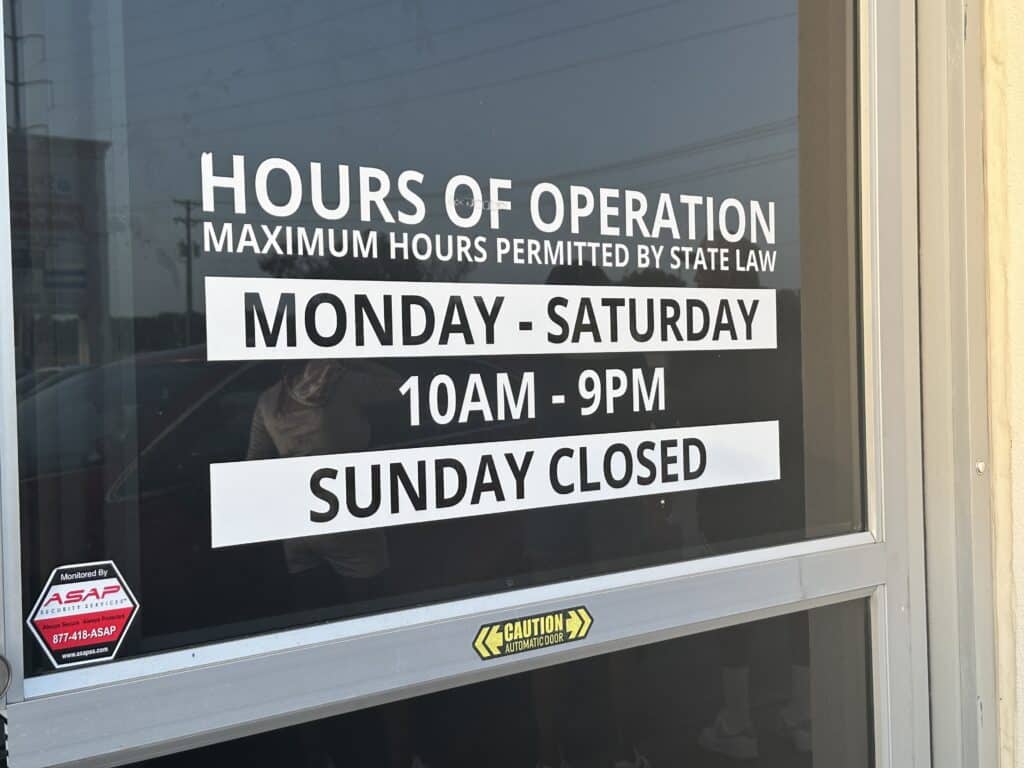
- Monday through Saturday: From 10:00 AM to 9:00 PM.
- Sundays: Liquor stores are closed all day.
- Holidays: Liquor stores are also mandated to close on Thanksgiving Day, Christmas Day, and New Year’s Day. If Christmas Day or New Year’s Day falls on a Sunday, the closure also extends to the following Monday.
This strict schedule for liquor sales means travelers need to plan ahead, especially if their visit includes a Sunday or one of these major holidays. If you’re staying in a premium resort like the Hyatt Regency Dallas or a boutique hotel in Austin and wish to enjoy a cocktail in your suite, ensure you make your liquor purchases well in advance.
Beyond the Basics: Special Considerations and Local Nuances
While the general rules provide a solid framework, Texas’s alcohol landscape is further shaped by local options, holiday exceptions, and age verification requirements. These nuances are particularly important for travelers who might venture beyond major urban centers or plan their trips around significant dates. Being aware of these additional considerations will help you avoid any unexpected surprises and ensure your travel plans remain uninterrupted. The “wet” and “dry” county system is perhaps the most significant local variation, stemming from historical temperance movements and still influencing alcohol availability in various parts of the state.
Understanding Wet, Dry, and Damp Counties
One of the most unique aspects of Texas alcohol laws is the ability of local municipalities and counties to determine their own regulations regarding alcohol sales. This has led to the classification of counties and precincts as “wet,” “dry,” or “damp”:
- Wet Counties: These are areas where the sale of all types of alcoholic beverages (beer, wine, and distilled spirits) is generally permitted, adhering to the state’s standard hours. Most major cities like Houston, Dallas, Austin, and San Antonio are located in wet counties, making alcohol readily available.
- Dry Counties: In these areas, the sale of all alcoholic beverages is prohibited. Historically, many counties in Texas were dry, a legacy of the temperance movement. While their number has significantly decreased over the years, some rural counties still maintain this status.
- Damp Counties: These are areas that permit some, but not all, forms of alcohol sales. For instance, a damp county might allow the sale of beer and wine but prohibit distilled spirits, or permit alcohol sales only for on-premise consumption but not off-premise.
The status of a county can even vary by precinct within that county. For travelers, this means that while you might be enjoying a drink in a lively bar in one city, a short drive to a neighboring town or rural area could mean entirely different rules. Always check local ordinances, especially if you plan to explore less-traveled parts of the state or stay in accommodations outside of major urban areas. A quick online search for the specific county or city you are visiting can provide clarity.
Holiday Exceptions and Special Permits
Beyond the regularly observed Sunday closures for liquor stores and the three major holidays (Thanksgiving, Christmas, New Year’s Day), there aren’t many other blanket statewide restrictions that significantly alter alcohol sales times for other holidays. However, certain local events, festivals, or private functions might operate under special permits that allow for extended hours or specific types of sales. For instance, during large-scale festivals in Austin or major sporting events in Dallas, temporary permits might be issued to vendors. These are typically venue-specific and do not change general state or county laws for retail or other establishments. As a traveler, it’s generally safe to assume standard hours apply unless explicitly stated otherwise by the event organizers or venue.
Age Restrictions and ID Requirements
The legal drinking age in Texas, consistent with all other U.S. states, is 21 years old. This rule is strictly enforced across all establishments, whether you’re purchasing a drink at a bar or buying a bottle of wine from a grocery store. It is crucial for anyone appearing under the age of 30 (or sometimes even older) to carry a valid, government-issued photo identification. Acceptable forms of ID typically include:
- A Texas Driver’s License or ID Card
- A U.S. state Driver’s License or ID Card
- A U.S. Military ID
- A U.S. Passport or foreign passport
Establishments have the right to refuse service if they are unsure of a patron’s age or if the ID presented is not valid. Some bars or clubs, especially in popular tourist areas, may have even stricter ID policies, such as requiring two forms of identification or scanning IDs at the door. To avoid any inconvenience during your travels, always ensure you have your valid ID readily accessible when planning to purchase or consume alcohol in Texas.
Enjoying Texas Nightlife and Culinary Scene Responsibly
Texas’s dynamic culture is vividly expressed through its diverse culinary scene and bustling nightlife. From sophisticated wine bars in Houston’s Montrose district to lively honky-tonks on Austin’s Sixth Street, the state offers countless opportunities to enjoy a drink and socialize. For travelers, this means a chance to dive deep into local flavors and experiences. However, making the most of these opportunities also involves a degree of planning and responsible decision-making. Whether you’re indulging in a craft cocktail at a luxury resort’s rooftop bar, like the Four Seasons Austin, or sampling local brews at a microbrewery, adherence to local laws and safety practices ensures a memorable and safe experience for everyone.
Iconic Destinations for Food and Drink
Texas boasts an impressive array of destinations renowned for their culinary delights and vibrant social scenes. Each major city offers a unique flavor:
- Austin: Known as the “Live Music Capital of the World,” Austin offers an eclectic mix of bars and eateries. Sixth Street is legendary for its dense concentration of live music venues and bustling bars, while Rainey Street provides a more relaxed, upscale atmosphere with charming bungalow bars. The city also has a burgeoning craft brewery scene and numerous excellent restaurants showcasing Texas barbecue and Tex-Mex cuisine.
- Dallas: From the sophisticated cocktail lounges of Uptown to the artistic and energetic vibes of Deep Ellum, Dallas offers diverse nightlife. The city’s upscale dining scene is complemented by trendy bars and an increasing number of local distilleries.
- Houston: As one of the most diverse cities in the U.S., Houston delivers a global culinary experience. Neighborhoods like Montrose and Washington Avenue are packed with award-winning restaurants, chic bars, and lively pubs. The city’s vastness also means endless hidden gems and diverse options for every taste.
- San Antonio: The historic Riverwalk is the heart of San Antonio’s dining and entertainment. Lined with restaurants and bars, it offers a picturesque setting for an evening out. Beyond the Riverwalk, neighborhoods like the Pearl District offer more contemporary dining and bar options, often housed in beautifully restored historic buildings.
Beyond the cities, the Texas Hill Country is rapidly gaining recognition as a prominent wine region. Many wineries here offer tastings and tours, providing a scenic and relaxing way to spend an afternoon, often operating within the on-premise sales hours mentioned earlier. Similarly, craft breweries and distilleries are popping up across the state, offering unique local spirits and beers, many of which also provide tours and on-site sales during legal hours.
Practical Tips for Travelers
To ensure your Texas adventure remains enjoyable and hassle-free, keep these practical tips in mind:
- Verify Local Hours: While this guide provides general state laws, specific hours can sometimes vary at the local level due to municipal ordinances or the type of permit an establishment holds. If in doubt, a quick search or a polite inquiry at the venue can clarify the closing times.
- Plan Ahead for Liquor: Remember the strict Sunday and holiday closures for liquor stores. If you plan to enjoy distilled spirits at your accommodation, make your purchases on Saturday or during weekday hours.
- Transportation is Key: Texas is a vast state, and distances between attractions or your accommodation and nightlife spots can be significant. Never drink and drive. Utilize ride-sharing services like Uber or Lyft, local taxis, or designate a sober driver. Many cities also have public transportation options, though coverage can vary.
- Respect Local Customs: While Texas is known for its hospitality, always remember to respect local laws and customs. Responsible consumption is not only a legal requirement but also a matter of courtesy.
- Stay Hydrated: Especially during the hot Texas summers, it’s crucial to stay hydrated with water, particularly when consuming alcohol.
- Valid ID: Always carry your valid, government-issued photo ID. It’s a requirement for purchasing alcohol and entering many establishments.
Understanding the “what, when, and where” of alcohol sales in Texas is a small but significant step towards a perfectly curated travel experience. By being informed about these regulations, you’re better equipped to explore the state’s vibrant cities, relax in its charming towns, and fully immerse yourself in the warm hospitality and rich culture that define the Lone Star State. So, whether you’re toasting to a beautiful sunset over the Texas Hill Country or enjoying a lively evening on Austin’s Sixth Street, you can do so confidently and responsibly, making your Texas journey truly unforgettable.