
Planning a trip to the Sunshine State often involves thinking about the beautiful beaches, world-class theme parks, and vibrant cities. However, a crucial detail that often goes overlooked, yet can significantly impact your travel experience, is understanding the local time. So, what is the time of Florida? The answer, while seemingly straightforward, carries a subtle nuance that savvy travelers should be aware of: Florida spans two different time zones. Most of the state observes Eastern Time, but a significant portion of its western Panhandle operates on Central Time. This distinction is vital for everything from catching a flight to coordinating a business meeting or simply making the most of your vacation days. Understanding these time zones is the first step in unlocking a seamless and unforgettable Florida adventure, whether you’re seeking luxury travel in Miami, family trips to Orlando, or a serene escape to the Gulf Coast’s natural beauty.
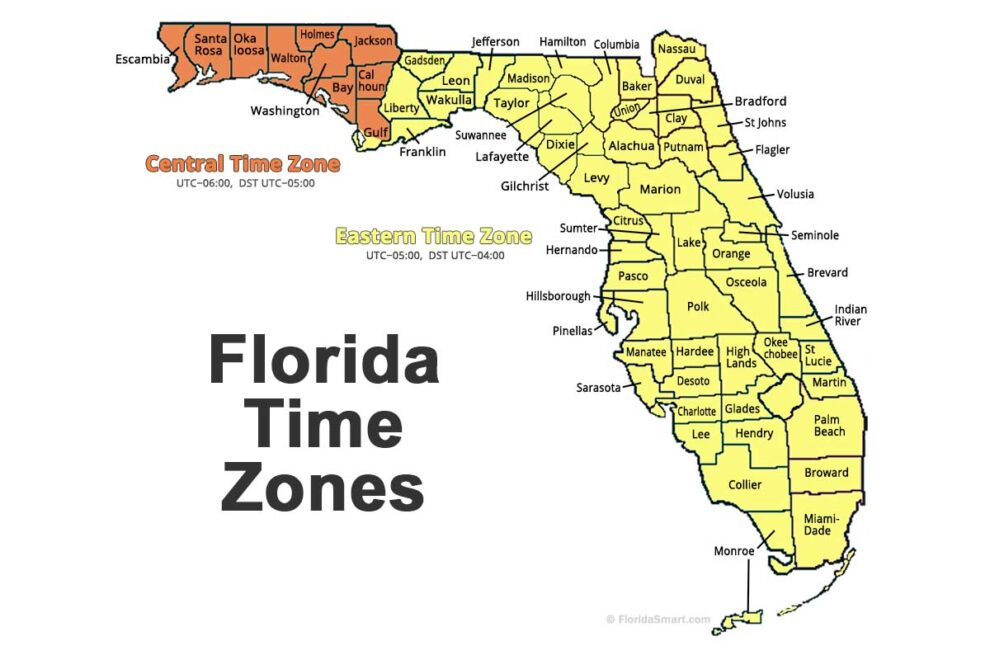
Unraveling Florida’s Time Zones: Eastern vs. Central
The unique geographical layout of Florida means it straddles two distinct time zones, a detail that is often surprising to first-time visitors. For a state renowned for its unified identity as a premier tourist destination, this time zone split is a practical consideration for residents and travelers alike.
Eastern Standard Time (EST) / Eastern Daylight Time (EDT)
The vast majority of Florida, including its most famous cities and attractions, falls within the Eastern Time Zone. This includes popular destinations like Orlando, Miami, Fort Lauderdale, Tampa, Jacksonville, and the entire Florida Keys, including Key West. During standard time, this is Eastern Standard Time (EST), which is five hours behind Coordinated Universal Time (UTC-5). When Daylight Saving Time is in effect, typically from mid-March to early November, the region switches to Eastern Daylight Time (EDT), becoming four hours behind UTC (UTC-4). This means that for much of the year, major tourist hubs synchronize with cities like New York City and Washington D.C., making planning for visitors from the Eastern United States relatively straightforward. All major theme parks, international airports, and bustling urban centers in these areas operate on this schedule, making it the de facto time for most visitors.
The Panhandle’s Central Time Zone
The exception to Florida’s dominant Eastern Time is a specific portion of its western Panhandle. This area, which borders Alabama and Georgia, observes Central Time. Specifically, counties west of the Apalachicola River, including cities such as Pensacola, Destin, and Panama City Beach, adhere to Central Standard Time (CST) during standard periods (UTC-6) and Central Daylight Time (CDT) during Daylight Saving Time (UTC-5). This means these picturesque coastal communities are consistently one hour behind the rest of Florida’s main tourist regions. While it might seem like a minor detail, travelers venturing between the Panhandle and other parts of Florida need to account for this hour difference to avoid missed appointments, delayed check-ins, or confusion over event timings. For those flying into Pensacola International Airport or Destin-Fort Walton Beach Airport, their arrival time will be on Central Time, which can be an important consideration if connecting from an Eastern Time flight.

Planning Your Florida Getaway: Time Zone Considerations for Travelers
Understanding Florida’s time zones is more than just a trivia fact; it’s a practical tool for optimizing your travel plans. From seamless transitions to maximizing your leisure, accounting for the clock ensures a stress-free journey.
Navigating Flight Schedules and Transfers
For many visitors, their Florida adventure begins and ends at one of its bustling airports. When booking flights, especially those with connections or if your itinerary involves crossing the time zone boundary within the state, paying close attention to departure and arrival times is paramount. A flight from Miami International Airport (Eastern Time) to Northwest Florida Beaches International Airport in Panama City Beach (Central Time) will show an apparent gain of one hour upon arrival, even though the actual flight duration is consistent. Conversely, flying eastward will result in an apparent loss. Always confirm whether times are listed in local time for each specific airport. This vigilance extends to ground transportation as well; scheduling a shuttle or rental car pickup should always align with the local time of your arrival destination. Misinterpretations can lead to unnecessary delays and added stress, particularly for those on tight schedules or with connecting arrangements.
Maximizing Attraction Hours and Dining Experiences
Florida’s attractions operate on precise schedules, and knowing the local time is key to making the most of your visit. Imagine planning to visit a popular Panhandle attraction, thinking you have an extra hour, only to find it closing earlier than you anticipated because you were mentally operating on Eastern Time. This applies to everything from theme park opening and closing hours in Orlando to museum timings in St. Petersburg or the last boat tour departure in Everglades National Park.
Dining reservations also require careful attention. A dinner reservation made for 7 PM in Destin will be an hour earlier than 7 PM in Tampa. While most modern smartphones and devices automatically adjust to local time, it’s good practice to double-check, especially if you’re frequently crossing time zone lines or relying on a traditional watch. This attention to detail ensures you don’t miss out on those must-try local eateries or coveted showtimes, allowing you to fully immerse yourself in Florida’s vibrant tourism scene.

Beating Jet Lag and Embracing Florida’s Pace
For international travelers or those coming from distant time zones within the United States, the concept of jet lag is a familiar challenge. Florida’s predominant Eastern Time can be a significant shift for visitors from the West Coast or countries in different hemispheres. Understanding this time difference beforehand allows for proactive measures, such as gradually adjusting sleep schedules days before travel or planning a lighter itinerary for the first day or two. Hydration, exposure to natural light, and avoiding excessive caffeine or alcohol can also help mitigate the effects of jet lag, ensuring you’re refreshed and ready to enjoy your trip.
For those traveling between Florida’s two time zones, the one-hour shift is generally less impactful than transcontinental travel but still warrants attention. The key is to quickly adapt to the local rhythm. Whether you’re planning a leisurely morning on the beaches of Sarasota or an action-packed day at Walt Disney World Resort, embracing the local time helps you sync with the destination’s pace, allowing for more authentic and enjoyable experiences.
Experiencing Florida by the Clock: Top Destinations and Accommodations
Florida’s diverse landscape offers an incredible array of destinations, each with its own charm and array of accommodations. Knowing the time zone for each region helps in planning a seamless itinerary, from booking a room to exploring local culture.
Orlando: Theme Parks and Family Fun
As the undisputed capital of family trips, Orlando operates entirely on Eastern Time. Home to Walt Disney World Resort, Universal Orlando Resort, and SeaWorld Orlando, every minute counts here. Early mornings are essential for rope drops, and evenings extend late with fireworks and shows. When choosing hotels in Orlando, you’ll find a spectrum from budget-friendly options near International Drive to luxurious on-site resorts like Disney’s Grand Floridian Resort & Spa or Universal’s Portofino Bay Hotel. Time-conscious travelers often opt for suites or apartments with kitchenettes to save time and money on meals, allowing more flexibility for park hopping. Remember, every park schedule, dining reservation, and fast pass slot is on EST/EDT, so synchronize your watches!
Miami & South Florida: Beaches, Culture, and Nightlife
Further south, Miami and the vibrant region of South Florida, including Fort Lauderdale and the Florida Keys, also adhere strictly to Eastern Time. This area is a mecca for luxury travel, art, culture, and a pulsating nightlife. Sunrises over South Beach are early, and evenings often stretch into the early hours with world-class dining and entertainment. Landmarks like the Art Deco Historic District and Vizcaya Museum & Gardens have set operating hours.
Accommodation options range from iconic hotels like the Fontainebleau Miami Beach or The Breakers Palm Beach to stylish boutique hotels in Wynwood or charming villas in Key West. When planning a yacht charter or a deep-sea fishing excursion from Fort Lauderdale, be punctual – maritime activities are often precisely scheduled. The fast-paced lifestyle of Miami means that being on Eastern Time and respecting it is paramount for a smooth experience.
The Gulf Coast: Relaxed Vibes and Natural Beauty
The majority of Florida’s Gulf Coast, including popular spots like Clearwater Beach, St. Petersburg, Sarasota, and Naples, remains within the Eastern Time Zone. This region is famous for its stunning sunsets, pristine white-sand beaches, and relaxed atmosphere. Visitors come here for a more laid-back pace, nature excursions, and world-class golf.
Accommodation here leans towards resorts with extensive amenities, beachfront hotels, and vacation rentals perfect for long-term stays. Consider staying at the Don CeSar in St. Pete Beach or the Ritz-Carlton, Naples for unparalleled comfort. While the pace is slower, tours to nearby islands, fishing charters, or cultural visits to places like The Dalí Museum still adhere to strict schedules, all observed in Eastern Time. Enjoy late dinners with gulf views, knowing you’re in sync with the rest of mainstream Florida.
The Florida Panhandle: Where Central Time Meets Coastal Charm
Finally, for those venturing into the Florida Panhandle, the shift to Central Time is crucial. Destin, Panama City Beach, and Pensacola are renowned for their “Emerald Coast” beaches, vibrant local scenes, and abundant outdoor activities. From deep-sea fishing charters leaving Destin Harbor to exploring historic Pensacola, everything operates an hour behind the rest of the state.
Popular hotels and resorts in this area, such as the Hilton Sandestin Beach Golf Resort & Spa or the Embassy Suites by Hilton Panama City Beach, will display local Central Time. If you’re coming from Tallahassee (Eastern Time) for a beach day in Panama City Beach, remember to set your watch back an hour as you cross the Apalachicola River. This is particularly important for checking into vacation rentals or coordinating meet-ups with friends coming from other parts of Florida. Embrace the slightly earlier sunsets and later mornings that come with Central Time, allowing for a relaxed pace distinct from the state’s eastern counterparts.
Essential Tips for a Timeless Florida Adventure
Regardless of which time zone your Florida adventure primarily takes place in, a few key tips can enhance your overall travel experience, ensuring you’re always in sync with your surroundings.
Accommodation Choices for Every Traveler
Florida offers an unparalleled variety of accommodation options to suit every taste and budget travel style. From the opulent Four Seasons Resort Orlando at Walt Disney World Resort for luxury travel to charming boutique hotels in St. Augustine, or spacious villas in Naples for family trips, the choices are endless. When booking, always double-check the local time zone of your chosen property. Many platforms, like Booking.com or Expedia, will indicate times, but cross-referencing with the hotel’s direct website or a quick map search can confirm the precise time zone. For business stays, selecting a hotel with reliable Wi-Fi and amenities for remote work, such as the Hyatt Regency Orlando, becomes crucial, ensuring conference calls and deadlines are met regardless of your location within the state’s time zones. Reviews and comparison sites on our platform can help you find the perfect match.
Local Culture and Culinary Delights
Florida’s local culture is as diverse as its geography. In South Florida, influenced by Latin America, late dinners and vibrant nightlife are common. In the Panhandle, a more Southern influence might mean earlier dining times and a focus on fresh seafood. Embracing these regional differences, which can sometimes be subtly tied to time zone perceptions, enhances your experience. Don’t miss the chance to sample Cuban sandwiches in Miami, fresh oranges from a roadside stand in Central Florida, or Gulf shrimp in Destin. Check local guides on our site for food recommendations and consider making reservations, always confirming the local time.
Making the Most of Daylight Savings
Florida, like most of the United States, observes Daylight Saving Time. This shift typically occurs in March (spring forward) and November (fall back), affecting both Eastern Time and Central Time zones simultaneously. While the shift maintains the one-hour difference between the two zones, it’s a good reminder to ensure your devices update automatically. The “extra” hour of daylight in the evenings during EDT/CDT can be particularly beneficial for travelers, allowing more time to enjoy outdoor attractions, theme parks, and beach activities after a full day. Conversely, the “fall back” can offer an unexpected extra hour of sleep – a welcome bonus for any traveler.
In conclusion, understanding “What is the time of Florida?” is more than just knowing whether it’s 2 PM or 3 PM. It’s about being prepared, maximizing your time, and ensuring a smooth, enjoyable journey through a state that offers an incredible variety of experiences. By keeping the Eastern and Central Time zones in mind, travelers can confidently navigate the state, from the bustling parks of Orlando to the tranquil shores of the Panhandle, making every moment count in the Sunshine State.
LifeOutOfTheBox is a participant in the Amazon Services LLC Associates Program, an affiliate advertising program designed to provide a means for sites to earn advertising fees by advertising and linking to Amazon.com. Amazon, the Amazon logo, AmazonSupply, and the AmazonSupply logo are trademarks of Amazon.com, Inc. or its affiliates. As an Amazon Associate we earn affiliate commissions from qualifying purchases.