
For any traveler or business professional planning a trip to the Sunshine State, understanding “What is the current time in Florida?” is more than just a passing curiosity; it’s a fundamental piece of information that dictates everything from flight schedules and hotel check-ins to theme park operating hours and crucial business meetings. Florida, a vibrant hub of tourism, lifestyle, and commerce in the United States, presents a unique challenge: it spans two distinct time zones. This seemingly small detail can significantly impact your travel experience, making seamless planning essential. From the bustling theme parks of Orlando and the energetic nightlife of Miami to the serene beaches of the Panhandle and the laid-back charm of Key West, every moment counts when you’re exploring this diverse destination.
Our comprehensive guide aims not only to answer the immediate question of Florida’s current time but also to delve into the practical implications for travelers, offering insights into how time zones affect travel logistics, accommodation bookings, and the overall enjoyment of your stay. Whether you’re seeking a luxury escape, a budget-friendly family adventure, or a strategic business trip, understanding the rhythm of Florida’s clock is your first step towards an unforgettable journey.
Navigating Florida’s Time Zones: More Than Meets The Eye
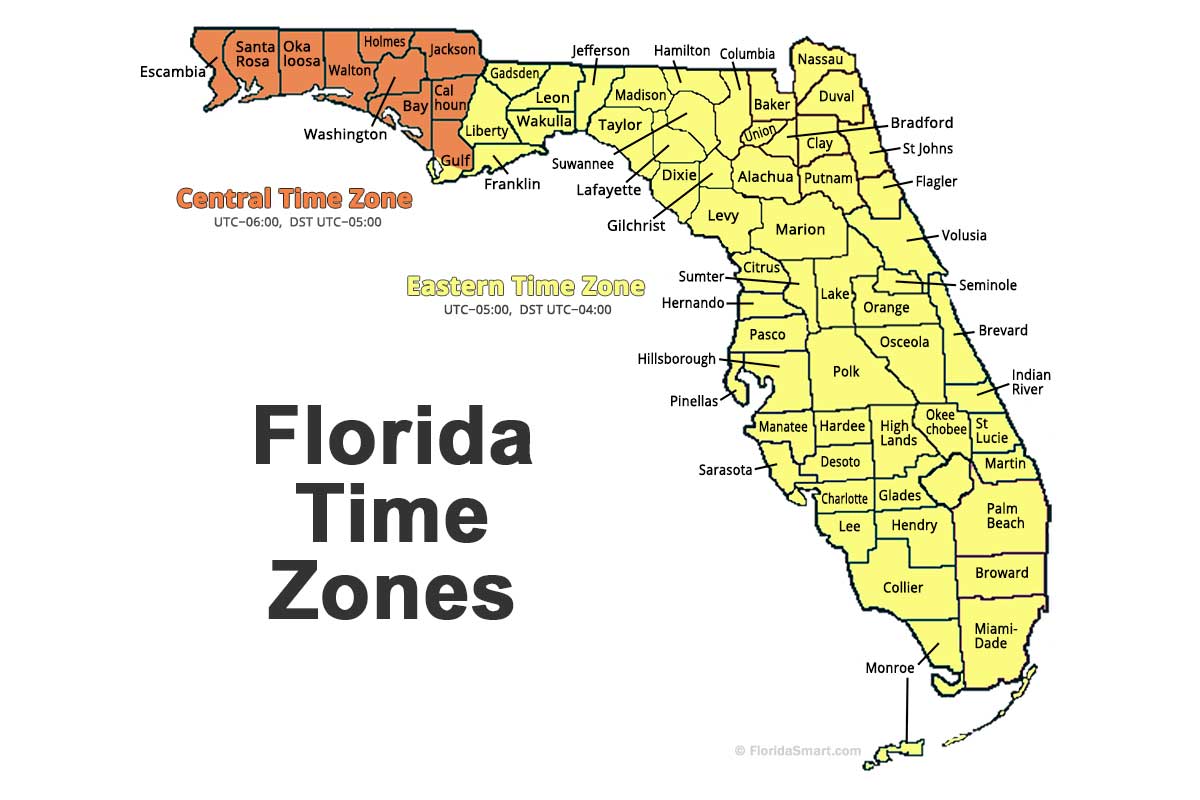
When you ask about the current time in Florida, the simplest answer isn’t always sufficient. While the majority of the state observes one time zone, a significant portion in the western Panhandle adheres to another. This geographical division is crucial for anyone planning to travel across the state, ensuring you don’t miss a flight, a reservation, or a critical meeting due to a time zone oversight.
The Eastern Standard Time Dominance
The vast majority of Florida, encompassing its most famous cities and tourist destinations, operates on Eastern Standard Time (EST) during the winter months and Eastern Daylight Time (EDT) during Daylight Saving Time. This includes major hubs like Orlando, home to Walt Disney World Resort and Universal Orlando Resort; Miami, with its iconic South Beach and vibrant arts scene; Tampa, a gateway to the Gulf Coast; and the historic charm of St. Augustine. Essentially, if you’re east of the Apalachicola River or south of the Panhandle’s western counties, you’re on Eastern Time Zone (ET).
This means that if you’re checking flight times to Miami International Airport, planning a day at Kennedy Space Center Visitor Complex, or booking a dinner cruise in Fort Lauderdale, you’ll be operating on Eastern Time Zone. Most online booking platforms and flight schedules will automatically adjust to your local time or clearly state the time zone, but it’s always wise to double-check, especially when coordinating with people in different parts of the country or world.
A Glimpse into the Central Time Zone
A smaller, but equally significant, portion of Florida observes Central Standard Time (CST) and Central Daylight Time (CDT). This region is primarily found in the westernmost part of the Florida Panhandle, bordering Alabama. Counties such as Escambia, Santa Rosa, Okaloosa, and Walton (west of the Choctawhatchee Bay) fall into the Central Time Zone (CT). The city of Pensacola, known for its stunning white-sand beaches along the Gulf of Mexico and its rich naval history, is a prime example of a destination in the Central Time Zone.
For travelers heading to these areas, particularly those driving from other parts of Florida or Georgia, it’s vital to remember that you will “lose” an hour when crossing into the Central Time Zone. Conversely, if you’re traveling eastward from Pensacola towards Tallahassee (which is in the Eastern Time Zone), you’ll “gain” an hour. This time shift is particularly critical for timed events, appointments, or connecting flights within the state.
Daylight Saving Time: Adjusting the Clocks
Like most of the United States, Florida observes Daylight Saving Time. Clocks are moved forward one hour on the second Sunday in March and moved back one hour on the first Sunday in November. During Daylight Saving Time, the Eastern Time Zone becomes Eastern Daylight Time (EDT), and the Central Time Zone becomes Central Daylight Time (CDT).
While Florida has expressed interest in making Daylight Saving Time permanent through the “Sunshine Protection Act,” this change requires federal approval and has not yet been enacted. Therefore, for the foreseeable future, travelers should expect the seasonal clock adjustments. This seasonal shift can sometimes catch travelers off guard, especially those arriving from regions that do not observe Daylight Saving Time, potentially affecting early morning departures or late-night arrivals.
Why Time Matters: Planning Your Florida Travel Experience
Understanding Florida’s time zones goes far beyond knowing what time it is right now; it’s a strategic component of successful travel planning. From ensuring a smooth transition upon arrival to maximizing your days exploring the myriad attractions, precise time management can elevate your entire experience.
Seamless Travel Logistics: Flights, Check-ins, and Departures
Travel logistics form the backbone of any trip, and time zones play a starring role. When booking flights, especially those with connections within Florida or originating from different time zones, confirming the arrival and departure times in the local time zone is paramount. A flight landing in Pensacola (CT) from Orlando (ET) will technically be an hour earlier by the clock upon arrival, which could impact onward travel plans or scheduled pickups.
Similarly, hotel check-in and check-out times are strictly adhered to. Arriving at your hotel in Sarasota or a villa in Kissimmee an hour late (or early!) due to a time zone miscalculation could lead to unnecessary stress or additional fees. Always confirm your accommodation’s specific check-in window and plan your travel accordingly, factoring in potential delays like airport transfers or traffic, especially if you’re landing at Miami International Airport or Orlando International Airport during peak hours. For those staying at resorts like the many luxury options in Palm Beach or Boca Raton, knowing the time ensures you can smoothly transition into enjoying their amenities from the moment you arrive.
Maximizing Your Day: Attractions, Activities, and Dining
Florida is brimming with attractions and activities, each with its own operating schedule. Theme parks like Walt Disney World Resort, Universal Orlando Resort, Busch Gardens Tampa Bay, and SeaWorld Orlando open and close at precise times, often adjusting seasonally. Missing the opening “rope drop” or the last show can mean missing out on experiences. Knowing the correct local time ensures you can plan your daily itinerary effectively, from pre-booking tickets for Legoland Florida Resort to reserving a table at a coveted Miami Beach restaurant or a charming eatery in Key West.
Outdoor activities, which are central to the Florida lifestyle, are also time-sensitive. Catching a sunrise on the Atlantic Ocean coast or a sunset over the Gulf of Mexico requires accurate timing. Guided tours, such as airboat rides through the Everglades National Park or kayaking excursions in the Florida Keys, depart at set times. Even simple beach days on Clearwater Beach or Siesta Key Beach benefit from understanding local time to best enjoy the sun without overexposure or missing the magic hour for photography.
Synchronizing with Local Life: Events and Culture
Beyond attractions, Florida’s rich local culture is filled with events, festivals, and performances that follow local time. Whether you’re attending a concert in Jacksonville, a local art fair in St. Petersburg, or a food festival in Naples, knowing the accurate time ensures you’re punctual and fully immersed in the experience. Business travelers, in particular, must be acutely aware of time zones to coordinate meetings and conferences seamlessly with local partners, avoiding embarrassing delays or missed opportunities. The difference of an hour can mean the difference between sealing a deal and a communication breakdown.
Beyond the Clock: Enhancing Your Florida Stay with Expert Planning
Understanding Florida’s time is merely the first step. To truly optimize your experience, integrating this knowledge with comprehensive travel planning is essential. This includes making informed decisions about accommodation, mapping out iconic landmarks, and tailoring your trip to your preferred lifestyle.
Choosing Your Ideal Accommodation: Hotels, Resorts, and Villas
Florida boasts an unparalleled range of accommodation options, from luxurious beachfront resorts in Miami Beach and family-friendly hotels near Walt Disney World Resort to charming boutique inns in Key West and sprawling vacation villas in Kissimmee. When booking, consider how the property’s location relative to time zones might affect your schedule, especially if you plan to travel extensively across the state.
Many resorts and hotels offer flexible amenities, but spa appointments, dining reservations, and activity schedules (like kids’ clubs or live entertainment) are strictly timed. Confirming these details in local time, well in advance, ensures you can take full advantage of your chosen stay. For longer visits, or if you’re traveling with a large group, booking an apartment or a villa offers the comfort of home, but again, ensure your arrival and departure times are clearly communicated and understood in the correct local time zone to avoid any glitches. Reviews and comparisons of accommodations on platforms like Life Out Of The Box often highlight ease of access and local amenities, which are implicitly linked to time-based convenience.
Exploring Florida’s Iconic Landmarks and Hidden Gems
Florida’s landscape is dotted with historical landmarks, natural wonders, and architectural marvels. From the ancient walls of Castillo de San Marcos in St. Augustine to the remote beauty of Dry Tortugas National Park off Key West, each destination has its own operating hours. Kennedy Space Center in Merritt Island, for example, offers timed entry tickets and specific launch viewing schedules that are critically dependent on the Eastern Time Zone.
For natural attractions like the pristine beaches of Amelia Island, Sanibel Island, or Captiva Island, while not strictly “open” or “closed,” the best times for shelling, birdwatching, or simply enjoying the tranquility are often linked to sunrise and sunset – making time awareness key. When planning multi-day itineraries that traverse the state, integrating knowledge of both Eastern and Central Time Zones into your landmark visits is essential for optimal enjoyment and efficiency.
Lifestyle Considerations: From Luxury Retreats to Family Adventures
Florida caters to every travel lifestyle. A luxury traveler might focus on timed spa treatments, exclusive dining experiences, and private yacht charters, all of which demand precise scheduling. A family planning a trip to Orlando’s theme parks will be acutely aware of opening hours, parade times, and fireworks schedules to keep children entertained and well-rested. Budget travelers, too, benefit from time awareness, often seeking off-peak hours for attractions to save money or utilizing public transport whose schedules are rigorously time-bound.
Business stays, whether for conventions in Miami or corporate events in Tampa, require stringent adherence to schedules. Time zone differences, especially for participants flying in from various parts of the country or internationally, must be factored into all planning from the outset to ensure smooth operations and effective communication. The overall lifestyle experience in Florida is significantly enhanced when time-related stresses are minimized through thoughtful pre-planning.
Your Ultimate Florida Travel Companion
In conclusion, “What is the current time in Florida?” is a question with a multi-faceted answer, pointing to the state’s unique geographical placement across two distinct time zones and its adherence to Daylight Saving Time. For any traveler, from the spontaneous adventurer to the meticulous planner, understanding these nuances is not just about avoiding tardiness; it’s about unlocking a more fluid, enjoyable, and efficient travel experience.
By being mindful of the Eastern and Central Time Zones, you can flawlessly coordinate your flights and accommodation, maximize your time at world-class attractions, immerse yourself in local culture, and ensure your business commitments are met without a hitch. Whether you’re chasing the thrill of roller coasters, unwinding on pristine beaches, exploring historic sites, or closing a crucial deal, effective time management is your invisible travel companion in the Sunshine State.
At Life Out Of The Box, we believe that informed travel is exceptional travel. By providing insights into such practicalities, alongside comprehensive guides on destinations, accommodations, and lifestyle experiences in Florida and beyond, we aim to empower you to create unforgettable journeys. So, set your watch, double-check your itinerary, and get ready to experience all the wonders that Florida has to offer, perfectly in sync with its vibrant rhythm.
LifeOutOfTheBox is a participant in the Amazon Services LLC Associates Program, an affiliate advertising program designed to provide a means for sites to earn advertising fees by advertising and linking to Amazon.com. Amazon, the Amazon logo, AmazonSupply, and the AmazonSupply logo are trademarks of Amazon.com, Inc. or its affiliates. As an Amazon Associate we earn affiliate commissions from qualifying purchases.