
Texas, the Lone Star State, is a land of vast horizons, vibrant cities, and unparalleled cultural richness. From the sun-drenched beaches of the Gulf Coast to the majestic mountains of West Texas, it offers an extraordinary tapestry of experiences for every traveler. Yet, for all its allure, Texas is also known for its dynamic weather patterns, particularly the phenomenon of tornado season. For those planning a trip, understanding the timing and implications of this season is crucial for a safe and enjoyable visit. This comprehensive guide will delve into the nuances of Texas tornado season, offering insights into climate, safety protocols, accommodation considerations, and how to make the most of your travel regardless of the forecast.
Understanding the atmospheric ballet that gives rise to these powerful storms is key to appreciating the state’s climate. While Texas is undeniably beautiful year-round, awareness during certain months can transform potential anxieties into informed preparation, ensuring that your journey remains focused on exploration and enjoyment. Our aim is to equip you with the knowledge to navigate your Texas adventure with confidence, highlighting that even during the most active weather periods, the state’s hospitality and array of attractions continue to shine.
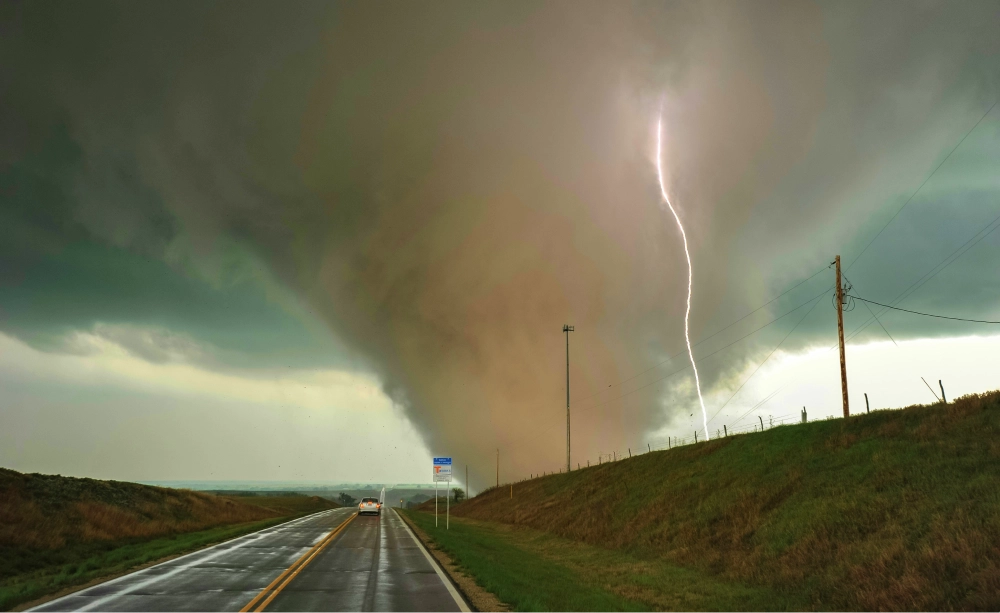
Understanding Texas Tornado Season: A Climatic Overview
The perception of “tornado season” often brings to mind a very specific window, but in Texas, the reality is a bit more nuanced. While tornadoes can technically occur any time of year, there are definite peak periods driven by specific meteorological conditions. Understanding these patterns is the first step toward informed travel planning and safety.
The Peak Months: May and June
When most people speak of Texas tornado season, they are primarily referring to the months of May and June. These two months consistently register the highest number of tornado occurrences and, often, the most intense storms. This surge in activity is attributed to the collision of several atmospheric ingredients: warm, moist air flowing northward from the Gulf of Mexico, cool, dry air moving in from the Rocky Mountains, and a powerful jet stream overhead. This creates an unstable environment ripe for severe thunderstorms, which can spawn tornadoes.
During May and June, temperatures in many parts of Texas begin to climb, creating significant temperature differences that fuel the formation of supercell thunderstorms. These months are characterized by afternoon and evening storm development, though tornadoes can form at any time of day or night. It’s a period of dramatic weather, where clear, sunny mornings can quickly give way to intense, fast-moving storms. Travel during these months requires a heightened awareness of weather forecasts and local alerts, particularly if your itinerary involves extensive outdoor activities or travel across large distances within the state.

Beyond the Peak: Spring’s Volatility and Secondary Peaks
While May and June are the undisputed peaks, the broader spring season in Texas is characterized by significant volatility. March and April also see a substantial number of tornadoes, with conditions becoming increasingly favorable as the warm front progresses northward. Early spring storms, while perhaps less frequent than in the late spring, can still be powerful and destructive. Travelers visiting during March and April should remain vigilant, as the transition from winter to summer often brings unpredictable weather.
Furthermore, Texas can experience a secondary, albeit less pronounced, tornado season in the fall, typically in October and November. This is usually due to cold fronts moving into the state, interacting with residual warm, moist air, similar to spring conditions. While fall tornadoes are generally less common and less intense than their spring counterparts, they serve as a reminder that severe weather is a year-round possibility in the state. This highlights the importance of staying informed about weather conditions no matter when you choose to explore the diverse attractions of Texas.
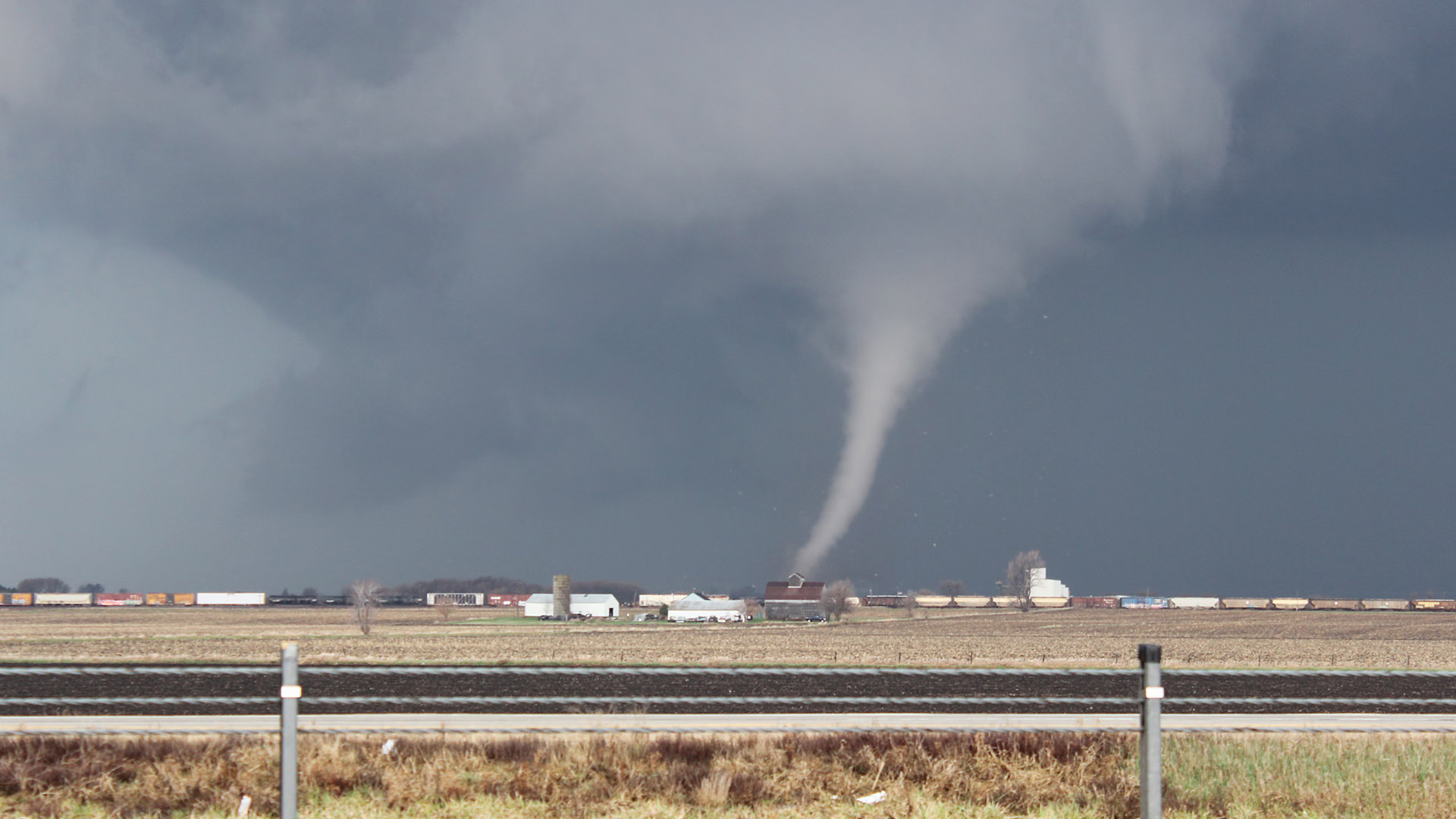
Geographical Hotspots: Tornado Alley and Beyond
Texas is famously part of “Tornado Alley,” a loosely defined region in the central United States where tornadoes are most frequent. Within Texas, certain areas are more prone to tornado activity than others. The northern and central parts of the state typically bear the brunt of tornado season.
- North Texas: Home to major metropolitan areas like Dallas and Fort Worth, North Texas is a high-risk zone. The flat plains and confluence of air masses here create prime conditions for severe weather.
- Central Texas: Extending south from North Texas and including cities like Austin and Waco, this region also experiences significant tornado activity. The Texas Hill Country, while scenic, is not immune to these powerful storms.
- The Panhandle: The flat, open expanses of the Texas Panhandle, around cities like Amarillo, are another hotbed for tornado formation. This area is often among the first to see severe weather each spring.
- East Texas: While perhaps less frequently hit than the northern plains, East Texas can also experience significant tornadoes, often associated with supercells moving eastward or systems forming closer to the Gulf Coast.
- South Texas and the Gulf Coast: These regions, including cities like Houston, San Antonio, Corpus Christi, and Galveston, are not immune. While less frequent, tornadoes can occur, sometimes spinning out of tropical systems during hurricane season, which overlaps with the latter part of the traditional tornado season.
Understanding these geographical concentrations allows travelers to assess risk based on their chosen destination within Texas. However, vigilance is a statewide imperative during active weather periods, as tornadoes can occur anywhere given the right atmospheric conditions.
Preparing for Your Texas Trip During Tornado Season
Travelers visiting Texas during the tornado season should embrace a proactive approach to safety and planning. With the right preparations, the risks associated with severe weather can be significantly mitigated, allowing for a more relaxed and enjoyable trip.
Essential Safety Tips for Travelers
The cornerstone of safety during tornado season is awareness and rapid response. Here are vital tips for all travelers:
- Monitor Local Weather Forecasts Constantly: Before and during your trip, make it a habit to check weather updates from reliable sources like the National Weather Service, local news channels, or reputable weather apps such as AccuWeather or The Weather Channel. Pay close attention to severe thunderstorm watches (conditions are favorable for severe weather) and warnings (severe weather, including a tornado, is imminent or occurring).
- Have Multiple Ways to Receive Alerts: Don’t rely on a single source. Ensure your phone’s emergency alerts are enabled. Consider a weather radio for extended stays or remote areas. Many hotels and accommodations also have alert systems.
- Know Where to Take Shelter: Upon arrival at your hotel or rental, immediately identify the designated tornado shelter area. This is often an interior room, basement, or reinforced area. If no official shelter is available, seek an interior room on the lowest floor, away from windows. Avoid large open rooms like gymnasiums or auditoriums.
- Stay Informed About Evacuation Routes: If you are in an area prone to flooding or other hazards in addition to tornadoes, be aware of designated evacuation routes.
- Emergency Kit Essentials: While you don’t need a full survival kit for a vacation, having a small bag with essentials like a phone charger, a flashlight, comfortable shoes, and any necessary medications ready can be beneficial.
- Stay Indoors During Warnings: If a tornado warning is issued for your immediate area, take shelter immediately. Do not attempt to “storm chase” or observe the weather. Your safety is paramount.
- Follow Local Authority Instructions: Always heed the advice and instructions of local emergency services, hotel staff, or law enforcement. Organizations like the Texas Department of Emergency Management provide crucial guidance.
Accommodation Choices and Safety Features
When booking your accommodation in Texas during tornado season, consider properties that prioritize guest safety and have established severe weather protocols.
- Inquire About Shelter Options: Before booking, especially if traveling during peak season, ask about the hotel’s or resort’s policy and designated shelter areas for severe weather. Many modern hotels are built to higher standards and have reinforced interior spaces.
- Basements and Interior Rooms: Properties with basements or subterranean levels offer the safest refuge. If a basement isn’t available, choose a hotel that can direct you to sturdy interior rooms, such as bathrooms or closets on the lowest floor.
- Communication Systems: Reputable hotels like the Hyatt Regency, Marriott, or Hilton often have internal communication systems to alert guests and provide instructions during emergencies. Check reviews or inquire about these features.
- Types of Accommodation: Whether you opt for a luxury suite, a charming apartment, or a spacious villa, ensure you understand its structural integrity and safety plan. For long-term stays in rental homes, familiarize yourself with the property’s layout and nearest community shelters.
- Amenities Beyond Luxury: While swimming pools and fine dining are appealing amenities, prioritize safety amenities during storm season.
Travel Insurance and Contingency Planning
Robust travel planning for Texas during tornado season extends to financial and logistical contingencies.
- Comprehensive Travel Insurance: Invest in a travel insurance policy that covers severe weather events. This should include coverage for trip cancellations, interruptions, medical emergencies, and lost luggage due to weather-related delays or damages. Read the fine print to understand what is and isn’t covered.
- Flexible Bookings: Whenever possible, choose accommodations and transportation options that offer flexibility for changes or cancellations without hefty penalties. This can be a lifesaver if severe weather forces a change in your plans.
- Emergency Contacts and Documents: Keep a list of emergency contacts, copies of important documents (ID, passport, insurance details), and booking confirmations easily accessible, preferably in a waterproof bag.
- Alternative Plans: Have backup plans for your activities. If an outdoor attraction is closed due to weather, know what indoor options are available nearby. This ensures your trip remains enjoyable even if plans need to shift.
Experiencing Texas Safely: Attractions and Activities
Despite the potential for severe weather, Texas offers an abundance of experiences. With proper planning, you can still enjoy its iconic landmarks, rich local culture, and diverse attractions during tornado season.
Indoor Attractions and Sheltered Experiences
Many of Texas’ most celebrated attractions are indoors or offer substantial shelter, making them perfect options for days when the weather is unpredictable.
- Museums and Art Galleries: Dive into history and art at world-class institutions. In Houston, explore the Museum District with the Museum of Fine Arts and the Houston Museum of Natural Science. Dallas boasts the renowned Dallas Arts District, home to the Dallas Museum of Art and the Nasher Sculpture Center.
- Space Exploration: A must-visit is the NASA Johnson Space Center in Houston, offering immersive exhibits and tours that are almost entirely indoors.
- Historic Sites: While The Alamo in San Antonio has outdoor elements, its chapel and museum provide excellent shelter and a deep dive into Texas history. The Texas State Capitol in Austin also offers fascinating indoor tours.
- Aquariums and Zoos (Indoor Exhibits): Many aquariums, like the Dallas World Aquarium or the Downtown Aquarium in Houston, are predominantly indoors. Even zoos often have extensive indoor exhibits or visitor centers that can serve as temporary shelter.
- Shopping and Entertainment Complexes: Large shopping malls, entertainment districts, and convention centers throughout cities like Dallas, Houston, and San Antonio offer myriad dining, shopping, and entertainment options, all under one roof. Consider a visit to Grapevine Mills Mall near Fort Worth or the shops along San Antonio’s Riverwalk.
- Family Fun: Indoor amusement centers, trampoline parks, and children’s museums provide safe and engaging activities for families. For instance, Six Flags Over Texas in Arlington has some indoor shows and dining, though it’s primarily an outdoor park.
Outdoor Activities with Caution
Outdoor activities are a staple of the Texas experience, but during tornado season, they require extra vigilance.
- Parks and Nature Preserves: Enjoy hiking, bird watching, or picnicking in state parks or natural areas during clear weather. Always have a plan to quickly seek shelter or return to your vehicle if storms approach. Avoid being on open water or in heavily wooded areas during warnings.
- Beaches and Lakes: The Gulf Coast offers beautiful beaches at Galveston and Padre Island National Seashore. Enjoy the sun and surf on calm days, but be prepared for rapid weather changes. Coastal areas can experience sudden squalls.
- Golf and Sports: If playing golf or engaging in outdoor sports, be aware of course policies regarding lightning and severe weather. Most facilities will have sirens or staff to alert you to danger.
- Scenic Drives: Texas is perfect for road trips. If planning a scenic drive through the Texas Hill Country or Big Bend National Park, ensure your phone is charged, you have a physical map as a backup, and you’re regularly checking weather forecasts for your route. If severe weather hits, pull over to a safe, sturdy structure, or find a designated storm shelter if available.
Local Culture and Culinary Delights Amidst the Storms
The heart of Texas beats with vibrant local culture and unparalleled culinary experiences, and these continue even when the weather is temperamental.
- Food Tours and Dining: Explore the renowned Texas BBQ, Tex-Mex, and diverse fine dining scenes. Many cities offer food tours that often include indoor stops. Restaurants and eateries provide a safe and delicious way to pass the time during a storm.
- Live Music Venues: Austin, the “Live Music Capital of the World,” and other cities like Dallas and Houston boast countless indoor music venues. Check out a concert or enjoy a local band performance for an authentic Texas experience protected from the elements.
- Shopping for Souvenirs and Local Crafts: Discover unique local boutiques, artisan markets, and specialty stores for souvenirs. Many are located in historic downtown areas or enclosed shopping districts, providing an enjoyable pastime even if the weather outside isn’t ideal. Consider a visit to Southfork Ranch for a taste of television history and unique gifts.
Beyond Tornado Season: Best Times to Visit Texas
While Texas is a fantastic destination year-round, for those who prefer to minimize the chances of encountering severe weather, there are other optimal times to visit.
- Fall (Late September to Early November): This is often considered one of the best times to visit. Temperatures are pleasantly mild, humidity drops, and the risk of tornadoes is significantly lower than in spring. It’s ideal for outdoor festivals, exploring the Texas Hill Country wineries, or enjoying city attractions.
- Winter (December to February): While northern parts of Texas can experience cold snaps, much of the state, particularly South Texas and the Gulf Coast, enjoys mild, comfortable weather. It’s a great time for exploring Houston and San Antonio without the intense summer heat or spring storms. Tornado activity is at its lowest during these months.
- Early Spring (February to Mid-March): Before the peak tornado season fully kicks in, early spring can offer beautiful weather with blooming wildflowers, especially in the Texas Hill Country. While the risk of severe weather starts to increase, it is still generally lower than in May and June.
Ultimately, the best time to visit Texas depends on your priorities. If avoiding tornado season is paramount, consider the fall or winter. If your travel dates are fixed within spring, proper preparation and vigilance will ensure a safe and memorable trip.
Conclusion
Texas is a state of boundless adventure and captivating charm, and its appeal remains strong regardless of the season. While tornado season, particularly the peak months of May and June, presents a unique set of considerations for travelers, it is by no means a reason to forgo a visit. By understanding the climatic patterns, prioritizing safety through diligent weather monitoring, making informed accommodation choices, and embracing contingency planning, visitors can navigate the season with confidence.
From immersing yourself in the rich history of The Alamo to exploring the wonders of the NASA Johnson Space Center, Texas offers an array of indoor attractions and sheltered experiences that can be enjoyed irrespective of the skies. When the weather is clear, the state’s natural beauty and outdoor activities beckon, requiring only a heightened sense of awareness. Embrace the spirit of the Lone Star State with preparation, respect for its powerful nature, and an eagerness to discover its many treasures. Your Texas adventure awaits, safely and splendidly.
LifeOutOfTheBox is a participant in the Amazon Services LLC Associates Program, an affiliate advertising program designed to provide a means for sites to earn advertising fees by advertising and linking to Amazon.com. Amazon, the Amazon logo, AmazonSupply, and the AmazonSupply logo are trademarks of Amazon.com, Inc. or its affiliates. As an Amazon Associate we earn affiliate commissions from qualifying purchases.