
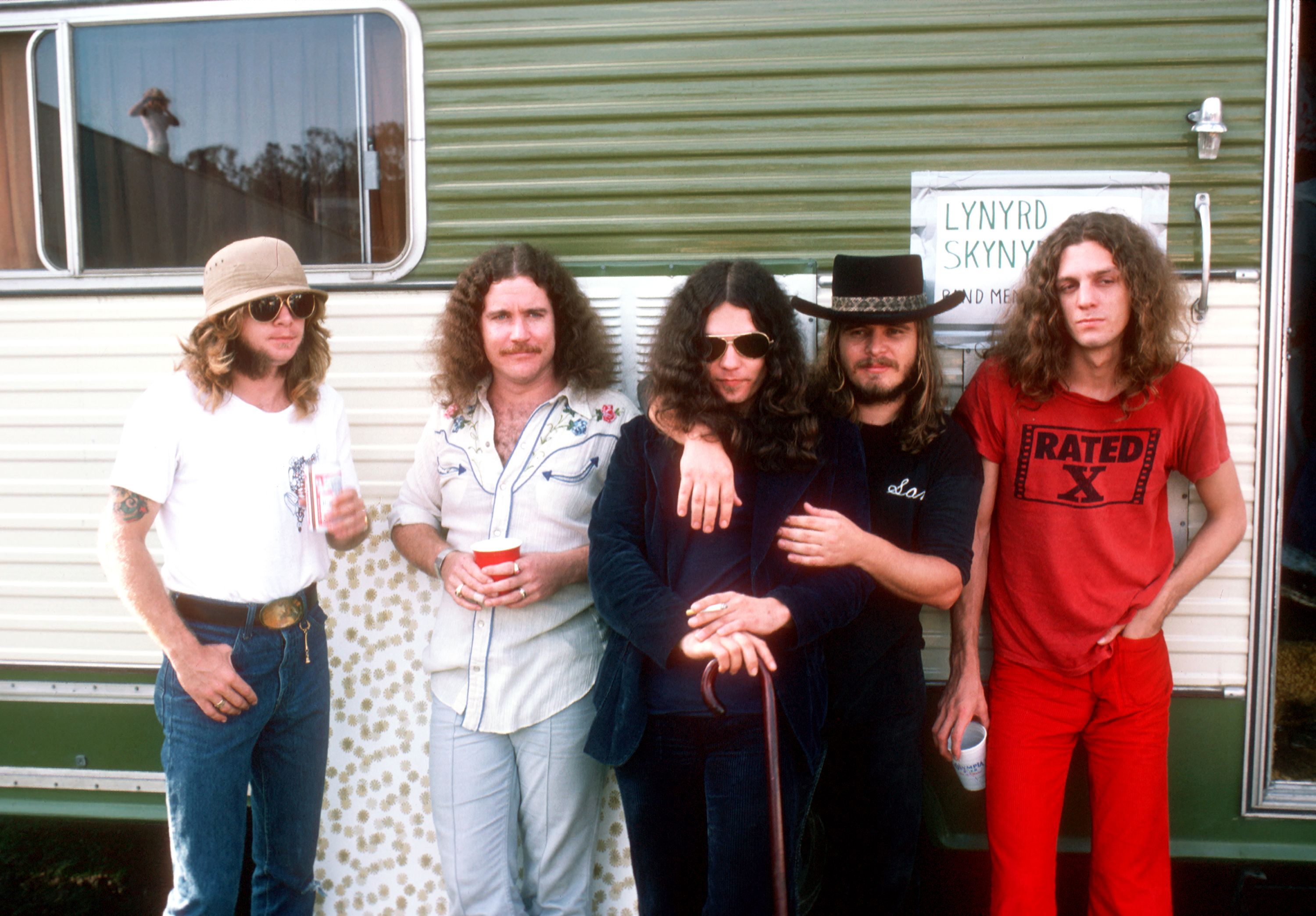
The opening chords of “Sweet Home Alabama” are instantly recognizable, a clarion call that has resonated across generations, parties, and global airwaves since its release in 1974. This iconic anthem of Southern rock has become more than just a song; it’s a cultural touchstone, often misunderstood yet universally beloved. But who was behind this timeless classic? The answer lies with the legendary American rock band, Lynyrd Skynyrd.
The Enduring Legacy of Lynyrd Skynyrd’s Iconic Anthem
Formed in Jacksonville, Florida, in 1964, Lynyrd Skynyrd rose to prominence in the early 1970s, defining the burgeoning genre of Southern Rock with their distinctive blend of blues-rock, hard rock, and country influences. Their sound was characterized by a powerful triple-guitar attack, soulful vocals, and lyrics that often painted vivid pictures of Southern life. “Sweet Home Alabama” emerged as their most commercially successful and enduring single, becoming an unofficial anthem for the state and, for many, the entire American South.
The song was primarily written by lead singer Ronnie Van Zant and guitarist Ed King, with contributions from drummer Gary Rossington. It was a direct response to two songs by Canadian singer-songwriter Neil Young, “Southern Man” and “Alabama,” which were critical of the South’s history of racism and slavery. Lynyrd Skynyrd, while not endorsing racism, felt Young’s portrayal was a generalization that unfairly painted all Southerners with the same brush. Their song aimed to offer a different perspective, expressing pride in their Southern roots and the people they knew, while also hinting at a more complex understanding of the region’s challenges.
Released on their second album, “Second Helping,” “Sweet Home Alabama” quickly climbed the charts, reaching number 8 on the US Billboard Hot 100. Its catchy guitar riffs, memorable chorus, and singalong quality cemented its place in rock history. Beyond its musical prowess, the song captured a particular moment in American culture, offering a voice to those who felt their regional identity was being unfairly judged. It became a powerful symbol of Southern pride, often played at sporting events, concerts, and gatherings, evoking a strong sense of community and heritage. The band’s untimely demise in a tragic plane crash in 1977, which claimed the lives of Ronnie Van Zant and other band members, only solidified “Sweet Home Alabama”‘s legendary status, transforming it into an everlasting tribute to a band that truly defined an era. Today, Lynyrd Skynyrd holds a revered spot in the Rock and Roll Hall of Fame, a testament to their indelible mark on music.
Sweet Home Alabama: A Song Steeped in Southern History and Identity
While “Sweet Home Alabama” is celebrated for its musicality and regional pride, its lyrics have also sparked considerable debate and controversy over the decades. The lines “In Birmingham they love the governor, boo boo boo” and “We all did what we could do” in reference to then-governor George Wallace are particularly scrutinized. Wallace was a staunch segregationist who famously declared “segregation now, segregation tomorrow, segregation forever” in his 1963 inaugural address. This reference has led many to interpret the song as a pro-segregation anthem or, at the very least, a controversial endorsement of a divisive figure.
However, Lynyrd Skynyrd band members consistently maintained that the song was not an endorsement of Wallace’s policies but rather a nuanced observation of the complex political landscape of the South. Ronnie Van Zant himself stated that the “boo boo boo” was meant to express disapproval, and that the band aimed to represent the complexity of opinions within the state. Furthermore, the lyric “Watergate does not bother me / Does your conscience bother you?” was a direct jab at Richard Nixon and the hypocrisy often perceived in national politics, suggesting that the South faced its own issues but wasn’t alone in its moral failings.

The song’s relationship with the Confederate flag, a contentious symbol of slavery and Southern heritage, has also fueled controversy. Although Lynyrd Skynyrd never explicitly endorsed the flag in “Sweet Home Alabama” or its lyrics, its association with Southern pride and the band’s image has, for some, inextricably linked the two. This has led to ongoing discussions about the song’s meaning, particularly in light of the Civil Rights Movement’s history and the enduring struggle for racial equality.
Ultimately, “Sweet Home Alabama” reflects the multifaceted identity of a region often stereotyped. It speaks to a deep affection for home, family, and cultural roots, while also grappling, however indirectly, with the socio-political realities of the time. Its continued popularity underscores the powerful connection people feel to their place of origin and the complex layers of regional identity that permeate the American narrative. For visitors to Alabama, understanding these nuances enriches the experience of exploring a state with such a rich, and at times challenging, history.
Discovering the Heart of the South: Alabama as a Travel Destination
Beyond the iconic song, Alabama itself is a captivating destination, offering a tapestry of history, natural beauty, vibrant culture, and unparalleled hospitality. For those inspired by “Sweet Home Alabama” to explore the state, a journey through its cities and landscapes reveals a diverse range of experiences that cater to every type of traveler.
From Music History to Modern Attractions:
Alabama holds a significant place in American music history, particularly in the legendary region of The Shoals, encompassing the cities of Florence, Sheffield, Tuscumbia, and most famously, Muscle Shoals. Known as the “Hit Recording Capital of the World,” Muscle Shoals was a crucible of sound where legendary artists from across genres came to record. Visitors can tour FAME Studios and Muscle Shoals Sound Studio, where giants like Aretha Franklin, Wilson Pickett, and even The Rolling Stones laid down tracks that changed music forever. This area offers a unique pilgrimage for music lovers, providing a tangible connection to the soulful sounds that emanated from these unassuming buildings.
Further south, Birmingham stands as Alabama’s largest city, a dynamic hub blending history with modern vibrancy. The Birmingham Civil Rights Institute and the historic 16th Street Baptist Church are poignant reminders of the city’s crucial role in the Civil Rights Movement, offering powerful educational experiences. Beyond its historical significance, Birmingham boasts a thriving culinary scene, beautiful urban parks, and a lively arts and entertainment district, making it a compelling stop for foodies and culture enthusiasts alike.
The state capital, Montgomery, is another essential stop for history buffs. Home to the first capital of the Confederacy, the city is steeped in the story of both the Civil War and the Civil Rights Movement. Key sites include the Rosa Parks Museum, the Dexter Avenue King Memorial Baptist Church where Martin Luther King Jr. preached, and the National Memorial for Peace and Justice. A short drive away lies Selma, a city forever etched in history by the iconic Edmund Pettus Bridge, a symbol of the struggle for voting rights. Exploring these sites offers profound insight into the pivotal moments that shaped American society.

Beyond the Cities: Nature, Adventure, and Southern Charm:
Alabama’s appeal extends far beyond its urban centers and musical heritage. The state offers a wealth of natural attractions and outdoor adventures. Its stunning Gulf Coast, with pristine white sand beaches and emerald waters, provides a perfect escape for relaxation and water sports. Inland, the Appalachian foothills offer scenic hiking trails, waterfalls, and opportunities for fishing and camping.
For sports enthusiasts, Talladega Superspeedway is a must-visit, hosting thrilling NASCAR races that draw crowds from all over the country. The state’s numerous state parks and natural preserves, such as Gulf State Park or Cheaha State Park (home to Alabama’s highest point), provide endless opportunities for ecotourism, from birdwatching to kayaking. The slower pace of life in Alabama’s smaller towns and rural areas also offers a chance to experience authentic Southern charm, warm hospitality, and a taste of traditional cuisine that defines the region.
Planning Your “Sweet Home Alabama” Experience: Accommodation & Lifestyle
Embarking on a journey through “Sweet Home Alabama” means immersing oneself in a rich tapestry of experiences, from deep historical reflections to vibrant cultural discoveries. Planning your visit involves considering various aspects of travel, accommodation, and the lifestyle you wish to embrace.
For accommodation, Alabama offers a wide spectrum of choices to suit every budget and preference. In larger cities like Birmingham and Montgomery, you’ll find a range of modern hotels, from luxury boutiques to well-known chain resorts, offering amenities that cater to both business and leisure travelers. Boutique hotels often provide a more personalized touch, reflecting the local culture and history. For those seeking unique experiences, charming bed and breakfasts can be found in historic districts and smaller towns, offering a glimpse into classic Southern hospitality. Along the coast, resorts and vacation rentals provide ideal settings for family trips or longer stays, complete with pools, beach access, and often kitchens for self-catering. Even budget-conscious travelers will find comfortable and clean options throughout the state, ensuring that exploring Alabama is accessible to all. Booking in advance, especially during peak seasons or major events like races at Talladega, is always advisable.
The lifestyle you encounter in Alabama is often characterized by its relaxed pace and genuine friendliness. Food plays a central role, with Southern cuisine being a major draw. Indulge in classic BBQ, fried chicken, fresh seafood (especially on the coast), and comforting soul food. Don’t forget to try regional specialties like pecan pie or banana pudding. Farmers’ markets are abundant, offering fresh local produce and artisanal goods, connecting visitors with the agricultural heritage of the state.
For travelers interested in a broader Southern adventure, Alabama’s central location makes it an ideal starting point for exploring neighboring states. A road trip could extend to the musical heritage of Tennessee (think Nashville’s Grand Ole Opry or Memphis’s blues scene), the charming cities of Georgia, the bayous of Mississippi, or the vibrant beaches and theme parks of Florida. Each state offers its own unique flavor of Southern charm and distinct landmarks, allowing for a comprehensive exploration of this fascinating region.
Ultimately, whether you’re drawn by the echoes of Lynyrd Skynyrd’s anthem, a passion for American history, or a desire for natural beauty and authentic cultural experiences, Alabama welcomes you. It’s a state that encourages exploration, inviting visitors to delve deeper than the song itself, to discover its true charm, complexity, and unwavering spirit. “Sweet Home Alabama” isn’t just a song; it’s an invitation to experience a memorable part of the American South.
LifeOutOfTheBox is a participant in the Amazon Services LLC Associates Program, an affiliate advertising program designed to provide a means for sites to earn advertising fees by advertising and linking to Amazon.com. Amazon, the Amazon logo, AmazonSupply, and the AmazonSupply logo are trademarks of Amazon.com, Inc. or its affiliates. As an Amazon Associate we earn affiliate commissions from qualifying purchases.