
The idea of moving to a place where the government pays you simply for residing there sounds almost utopian, a concept often whispered with a hint of skepticism. Yet, for the intrepid souls who call the vast, untamed wilderness of Alaska home, this isn’t just a fantasy; it’s a tangible reality, at least in part. The “Last Frontier” holds an undeniable allure, captivating imaginations with its dramatic landscapes, abundant wildlife, and unique promise of a share in the state’s natural resource wealth. But does this mean everyone gets a free ride? The truth, as with most things in life, is more nuanced than a simple yes or no.
Beyond the financial incentives, Alaska offers a lifestyle unlike any other. It’s a land where towering glaciers meet dense forests, where the Northern Lights dance across the winter sky, and where adventure is not just a pastime but a way of life. From the bustling streets of Anchorage to the remote villages nestled along the Bering Sea, the state presents a mosaic of experiences for both residents and visitors. Understanding the full picture requires delving into the unique economic model that underpins its allure, as well as the practicalities and challenges of living in such an extraordinary destination.
The Allure of the Last Frontier: More Than Just a Myth
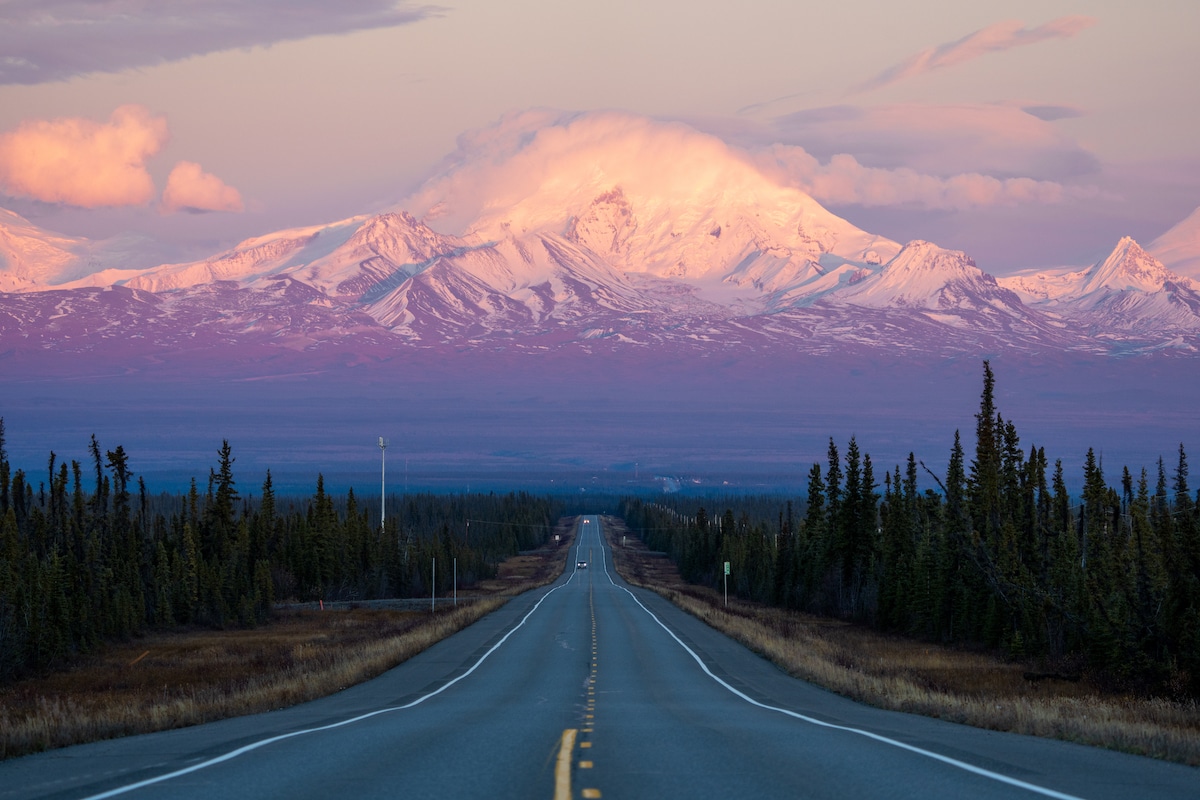
Alaska is often romanticized as the ultimate escape, a place where one can truly disconnect and immerse themselves in nature’s grandeur. This perception isn’t entirely unfounded; the state boasts an unparalleled natural beauty that draws millions of tourists annually and beckons those seeking a life less ordinary. For many, the very thought of the expansive wilderness, the towering peaks, and the unique wildlife is enough to spark a dream of relocation.
Unpacking Alaska’s Unique Identity
Alaska stands apart from the contiguous United States not just geographically, but also in spirit and lifestyle. It’s a land of extremes, from the endless daylight of summer to the prolonged darkness of winter. Its sheer size – larger than Texas, California, and Montana combined – means that its landscapes are incredibly diverse, encompassing everything from temperate rainforests in the southeast to arctic tundras in the north. This vastness contributes to a sense of freedom and remoteness that is increasingly rare in the modern world.
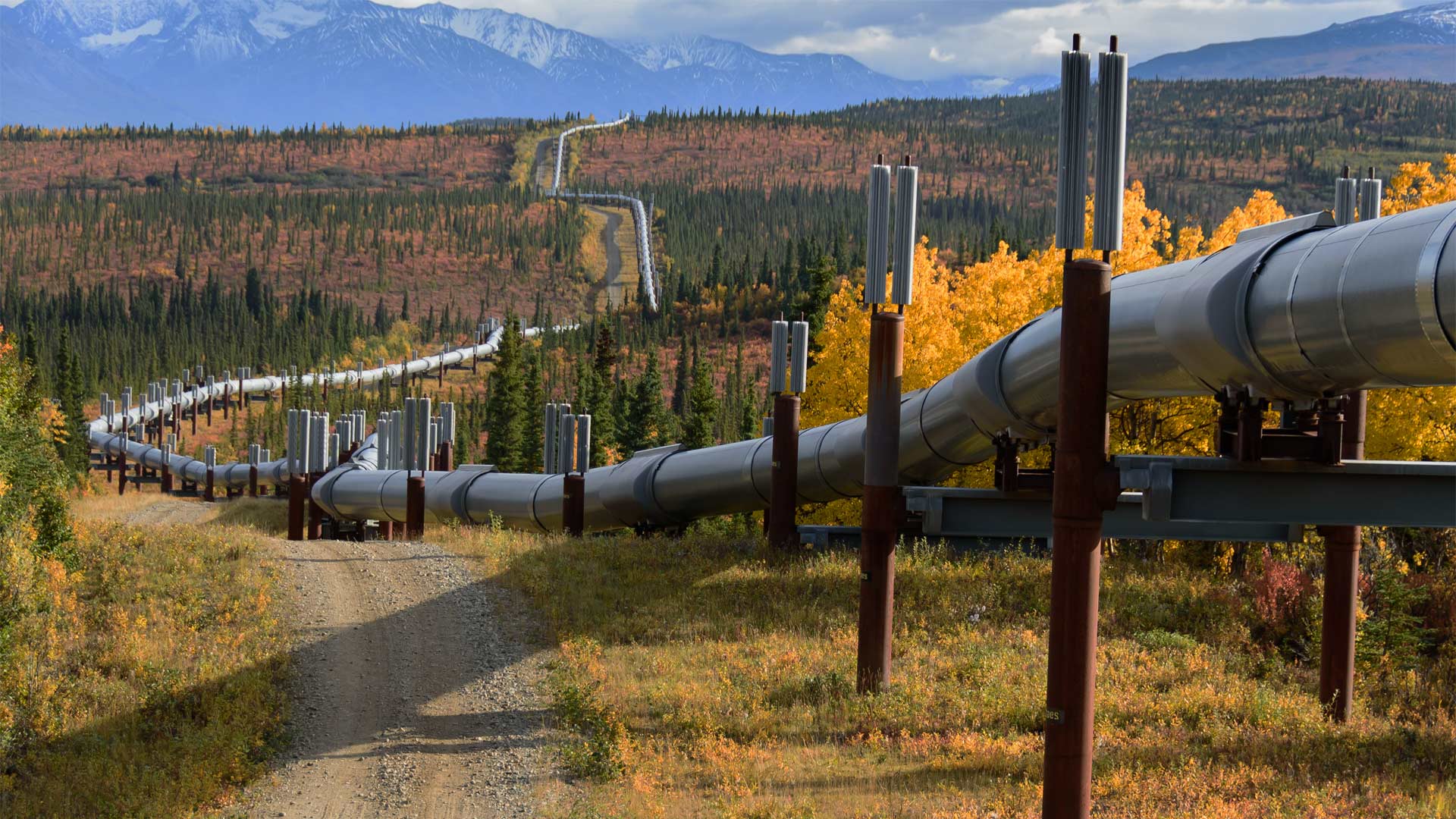
The state’s identity is deeply intertwined with its natural resources, particularly oil and gas. The discovery of oil on the North Slope in the 1960s transformed Alaska’s economic future, paving the way for the establishment of the Alaska Permanent Fund. This fund, designed to ensure that future generations benefit from the state’s non-renewable resources, is the bedrock of the unique financial incentive that draws so much attention.
A Glimpse into Alaskan Lifestyle and Tourism
Life in Alaska is often a blend of rugged independence and close-knit community. Depending on where you settle, your daily routine could involve anything from commuting through heavy traffic in Anchorage to flying a bush plane to your remote cabin near Denali National Park and Preserve. The lifestyle is characterized by a profound appreciation for the outdoors, with activities like hiking, fishing, hunting, skiing, and wildlife viewing being integral to local culture.
For tourists, Alaska offers a plethora of unforgettable experiences. Major cruise lines navigate the stunning Inside Passage, offering glimpses of calving glaciers and abundant marine life. Destinations like Juneau, the state capital, provide access to glaciers and whale watching tours, while Fairbanks is a prime spot for viewing the Northern Lights in winter and experiencing the midnight sun in summer. Iconic landmarks such as Mount Denali, the highest peak in North America, draw adventurers and mountaineers from around the globe. Accommodation options range from luxurious resorts and boutique hotels in cities like Anchorage, such as the historic Hotel Captain Cook, to rustic wilderness lodges and charming bed-and-breakfasts in smaller towns like Talkeetna or Seward. The state’s commitment to tourism is evident in the well-developed infrastructure that caters to visitors, ensuring access to everything from flightseeing tours over Glacier Bay National Park and Preserve to dog mushing excursions near Nome. This blend of rugged lifestyle and thriving tourism paints a picture of a state that truly offers something for everyone, whether they’re planning a week-long vacation or a lifelong move.
Demystifying the Alaska Permanent Fund Dividend (PFD)
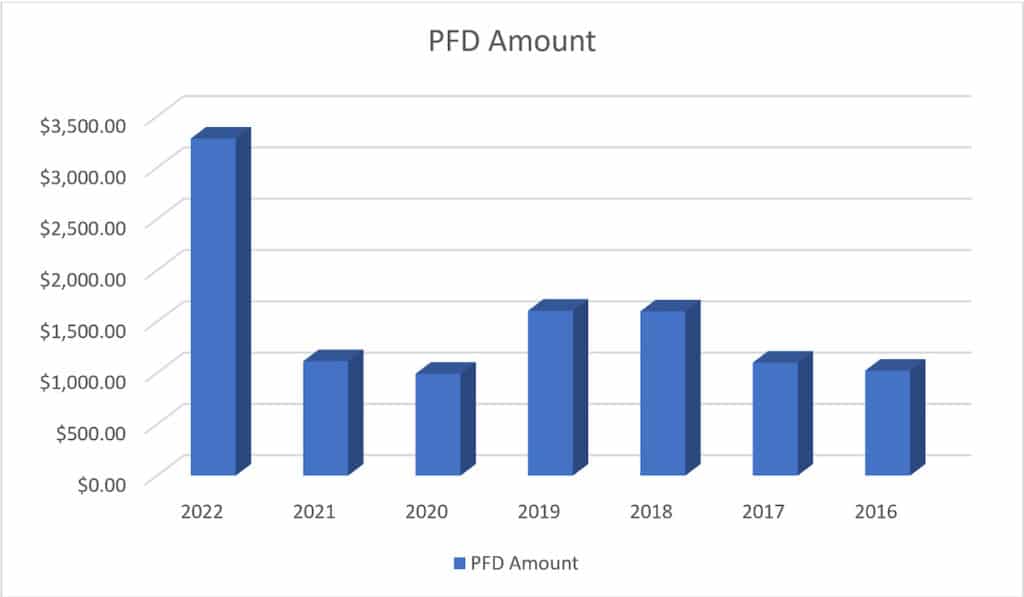
At the heart of the “getting paid to live in Alaska” question lies the Alaska Permanent Fund Dividend (PFD). This unique program is indeed a direct payment made to eligible residents, originating from the state’s vast natural resource wealth. However, it’s crucial to understand its origins, purpose, and the specific criteria for receiving it.
The Genesis and Purpose of the PFD
The story of the Alaska Permanent Fund began in 1976, when Alaskans voted to amend the state constitution to establish a permanent fund, earmarking at least 25% of all mineral lease rentals, royalties, royalty sales proceeds, and federal mineral revenue sharing payments for deposit into it. The vision behind this initiative was simple yet profound: to create a savings account for all Alaskans that would transcend the finite nature of oil resources. Essentially, it ensures that the economic benefits of non-renewable resources are shared equitably and continue to provide for future generations, long after the oil wells run dry.
The Alaska Permanent Fund Corporation manages these assets, investing them globally to ensure long-term growth. The annual dividend, known as the PFD, is derived from the fund’s earnings, not from the principal. This means that while the fund grows, a portion of its investment income is distributed to residents, making them direct beneficiaries of the state’s collective prosperity. The dividend amount varies each year, influenced by the fund’s performance and legislative decisions. While the PFD can be a welcome financial boost, it’s generally not enough to cover all living expenses, particularly given Alaska’s higher cost of living. It functions more as a shared benefit and an economic stimulus rather than a standalone income.
Who Qualifies? Eligibility and Application Process
Receiving the Alaska Permanent Fund Dividend isn’t as simple as just showing up. There are strict eligibility requirements designed to ensure that the dividend benefits genuine, long-term residents of the state.
To be eligible, an individual must:
- Have been an Alaska resident for a full calendar year preceding the application date. This means living in the state from January 1st through December 31st of the previous year.
- Intend to remain an Alaska resident indefinitely. This is often demonstrated through actions like obtaining an Alaska driver’s license, registering to vote, or filing state income tax returns (though Alaska has no state income tax, it’s about demonstrating residency).
- Not claim residency in any other state or country.
- Be physically present in Alaska for at least 185 days during the qualifying calendar year, with certain exceptions for approved absences (e.g., military service, medical treatment, education).
- Not have been incarcerated as a result of a felony conviction during the qualifying year, or incarcerated for a misdemeanor for a significant portion of the year.
The application period typically runs from January 1st to March 31st each year. Applications are submitted online through the Permanent Fund Dividend Division website, requiring applicants to provide proof of residency and meet all criteria. Each applicant, regardless of age, must apply individually. While the process is generally straightforward, the eligibility rules are rigorously enforced, and fraudulent applications carry significant penalties. The PFD, while a unique benefit, is fundamentally a dividend for established residents, encouraging commitment to the state rather than acting as an incentive for transient populations.
The Realities of Alaskan Life: Costs, Careers, and Community
Beyond the promise of the Alaska Permanent Fund Dividend, understanding what it truly means to live in Alaska is essential. The state offers unparalleled natural beauty and a distinctive lifestyle, but it also comes with its own set of economic challenges and opportunities.
Decoding the Cost of Living in the 49th State
One of the most significant factors to consider when contemplating a move to Alaska is the elevated cost of living. While the PFD provides an annual financial boost, it rarely offsets the higher expenses that come with residing in a remote state, especially one dependent on shipping for most goods.
- Housing: Rent and home prices, particularly in urban centers like Anchorage and Juneau, can be substantially higher than the national average. Even in smaller, more remote communities, housing can be expensive due to limited availability and high construction costs. For instance, a spacious apartment in Anchorage might command rents comparable to major cities in the lower 48.
- Groceries: Food prices are notoriously high. The majority of fresh produce and packaged goods must be transported long distances by air or sea, incurring significant freight costs that are passed on to consumers. Expect to pay premium prices for everyday staples.
- Utilities: Heating costs can be substantial, especially during the long, cold winters in interior cities like Fairbanks or northern communities like Utqiagvik (formerly Barrow). Electricity rates can also be higher in more isolated areas where generation methods are less efficient.
- Transportation: While major cities have decent road networks, reaching many parts of Alaska requires air travel, which can be expensive. The Alaska Marine Highway System offers ferry services along the coast, connecting communities that are otherwise inaccessible by road, but travel times can be long and fares can add up. Car maintenance is also crucial given the harsh conditions.
These elevated costs mean that while the PFD offers some relief, residents often require higher incomes or a very frugal lifestyle to comfortably afford life in Alaska.
Economic Landscape and Job Prospects
Alaska’s economy is primarily driven by a few key sectors:
- Oil and Gas: Although declining from its peak, the industry remains a major employer, particularly on the North Slope and in administrative roles in Anchorage.
- Fishing: Commercial fishing is a cornerstone of the Alaskan economy, offering seasonal, high-paying work in towns like Ketchikan, Sitka, and Dutch Harbor. This often attracts adventurous individuals looking for intense, short-term employment.
- Tourism: The tourism industry thrives during the summer months, creating numerous jobs in hospitality, guiding, transportation, and retail across the state, from cruise ship destinations along the Inside Passage to lodges near Denali.
- Military: With several large military bases, defense spending is a significant economic contributor and employer.
- Healthcare and Education: These sectors provide stable employment opportunities in urban areas and larger towns.
While specialized skills in these industries can lead to well-paying jobs, the overall job market can be competitive, particularly outside of seasonal work. Many residents combine multiple jobs or rely on seasonal employment to make ends meet. The entrepreneurial spirit is also strong, with many Alaskans forging their own paths in small businesses, often catering to the local community or the tourism trade.
Embracing the Alaskan Experience: Nature, Culture, and Connectivity
Despite the economic realities, the magnetic pull of Alaska remains strong, largely due to its unparalleled natural environment and unique cultural fabric. Living here means having immediate access to some of the world’s most spectacular wilderness areas. Whether you’re exploring the glaciers of Kenai Fjords National Park, hiking through the Chugach Mountains near Anchorage, or witnessing salmon runs in pristine rivers, the opportunities for outdoor adventure are endless.
Alaskan culture is a rich tapestry woven from the traditions of Indigenous peoples, Russian settlers, and gold rush pioneers. This heritage is celebrated through various festivals, art, and local cuisine, offering a vibrant community life even in remote settings. However, connectivity can be a challenge. While cities like Anchorage and Fairbanks have modern amenities and internet access, many rural areas still contend with limited infrastructure, making daily life feel more isolated. This isolation, for some, is precisely the appeal – a chance to live off the grid and forge a deeper connection with nature.
Is Moving to Alaska Right for You? A Lifestyle Evaluation
Deciding to move to Alaska is a profound choice that requires careful consideration of its unique advantages and disadvantages. It’s not a decision to be taken lightly, as the Alaskan lifestyle demands a certain level of resilience and adaptability.
Weighing the Advantages and Disadvantages
The pros and cons of living in Alaska are often two sides of the same coin, depending on individual preferences and priorities.
Advantages:
- The PFD: While not a full salary, the annual Alaska Permanent Fund Dividend is a unique benefit that provides a financial boost to residents.
- Unrivaled Natural Beauty: Access to vast, pristine wilderness, stunning landscapes, and abundant wildlife is a primary draw. This includes world-famous national parks such as Denali and Katmai National Park and Preserve, offering unparalleled opportunities for exploration and photography.
- Outdoor Lifestyle: If you love hiking, fishing, hunting, skiing, kayaking, or simply being in nature, Alaska offers endless opportunities year-round.
- Strong Sense of Community: Many Alaskan towns, particularly smaller ones, foster tight-knit communities where people genuinely look out for one another.
- Adventure and Independence: Living in Alaska often means embracing a self-reliant, adventurous spirit, constantly challenged by the elements and rewarded by incredible experiences.
- No State Income Tax or Sales Tax: This can be a significant financial advantage compared to many other states, helping to offset some of the higher costs of living.
Disadvantages:
- High Cost of Living: As discussed, groceries, housing, and utilities can be significantly more expensive than in the lower 48 states.
- Harsh Winters and Limited Daylight: The long, dark, and extremely cold winters can be a significant adjustment, leading to seasonal affective disorder for some. In Fairbanks, for instance, winter temperatures can drop well below zero for extended periods, and daylight hours are minimal.
- Isolation and Limited Services: While cities like Anchorage offer comprehensive services, many rural areas have limited healthcare options, shopping, and entertainment, contributing to a sense of isolation.
- Job Market Challenges: While certain industries thrive, securing stable, well-paying employment outside of specific sectors can be difficult, especially for those without specialized skills.
- Pest Concerns: Mosquitoes and other insects can be quite bothersome during the summer months, particularly in wilderness areas.
- Logistical Challenges: Travel within the state can be complex and expensive, often requiring flights or ferries, especially to destinations like Juneau, which is not connected by road to the rest of the North American highway system.
Planning Your Alaskan Adventure or Relocation
For those considering a move or even just an extended visit, thorough planning is paramount. If you’re thinking of relocating, a trial visit during the off-season (fall or spring) can provide a more realistic perspective than a summer tourist trip. This allows you to experience the transition of seasons and see what daily life truly entails beyond the peak tourist months. Research specific towns or regions based on your career goals, desired lifestyle, and tolerance for remoteness. For instance, Anchorage offers the most urban experience with access to modern amenities and diverse job opportunities, while communities in the Inside Passage like Sitka or Petersburg offer a more maritime-focused lifestyle.
When planning a trip, consider the type of accommodation that best suits your needs. From luxury hotels and resorts in major cities to charming cabins and wilderness lodges closer to national parks, there are options for every traveler. Booking well in advance, especially for summer travel, is highly recommended. Embrace the spirit of adventure, be prepared for unpredictable weather, and immerse yourself in the local culture. Whether you’re seeking to claim your piece of the Alaska Permanent Fund Dividend or simply to witness the majestic beauty of the Brooks Range, Alaska offers a profound and transformative experience that few other places on Earth can match. The payments are real, but the true wealth of living in Alaska often lies in the experiences, the community, and the unparalleled connection to the wild.
LifeOutOfTheBox is a participant in the Amazon Services LLC Associates Program, an affiliate advertising program designed to provide a means for sites to earn advertising fees by advertising and linking to Amazon.com. Amazon, the Amazon logo, AmazonSupply, and the AmazonSupply logo are trademarks of Amazon.com, Inc. or its affiliates. As an Amazon Associate we earn affiliate commissions from qualifying purchases.