
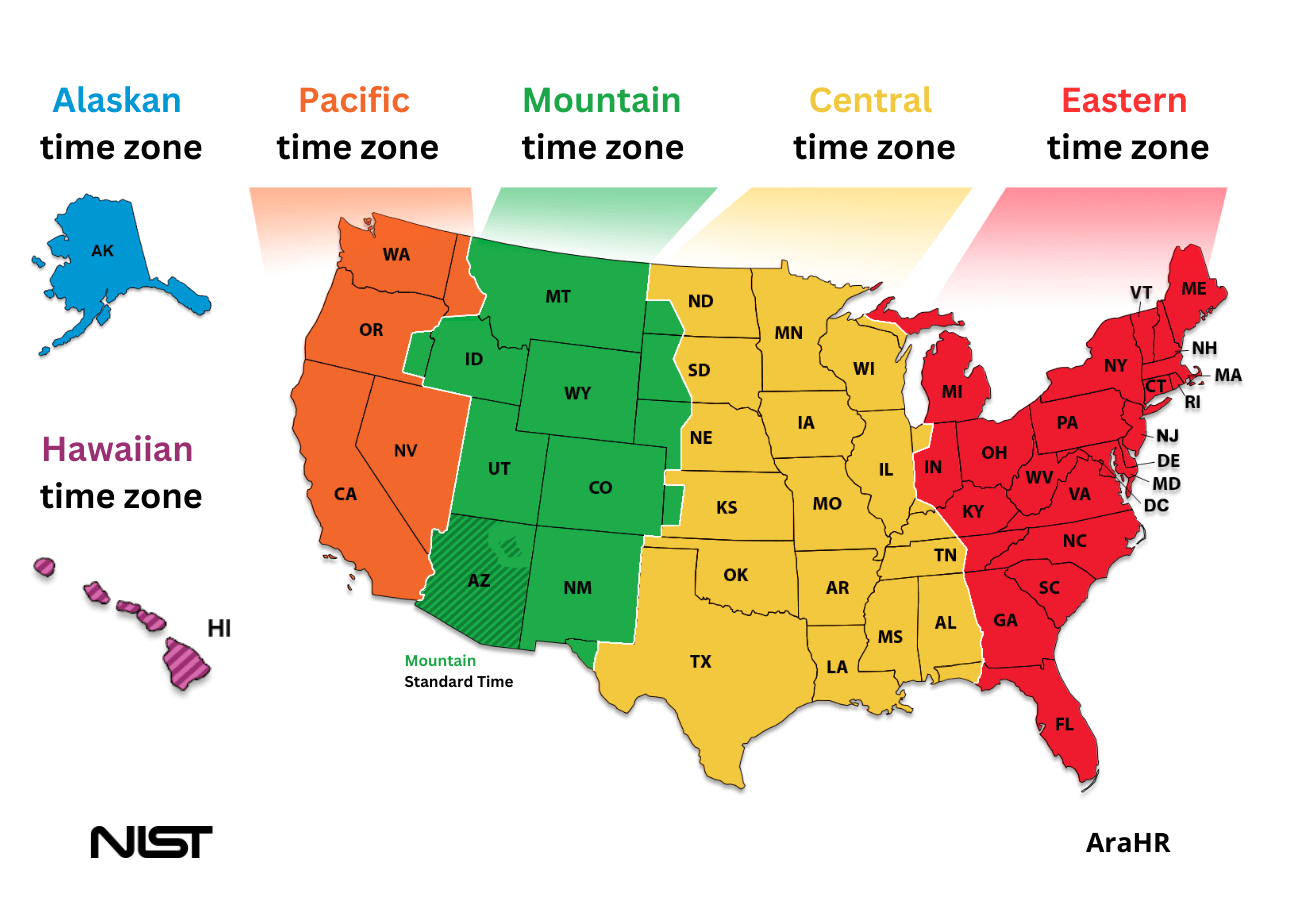
The question of whether Arizona observes Mountain Standard Time (MST) can be a source of confusion for many travelers and even some residents. Unlike most of the United States, Arizona has a unique approach to timekeeping: it does not observe Daylight Saving Time. This means that for the majority of the year, from early spring to late autumn, while other states “spring forward” and “fall back,” Arizona remains firmly on Mountain Standard Time.
This distinctive practice has significant implications for everything from travel planning and accommodation bookings to daily life and cultural experiences within the state. Understanding Arizona’s time zone policy is crucial for anyone planning to explore its breathtaking landscapes, vibrant cities, and rich heritage. It directly impacts how visitors schedule flights, coordinate tours to iconic landmarks like the Grand Canyon, or even arrange meetings for business stays. For those interested in the nuances of local culture and lifestyle, Arizona’s time zone anomaly offers a fascinating insight into its unique identity, particularly when considering the special circumstances of the Navajo Nation, which does observe Daylight Saving Time within the state’s borders. This article will delve into the reasons behind Arizona’s timekeeping decision, its practical effects, and how travelers can best navigate this intriguing aspect of the Grand Canyon State.
Arizona’s Unique Timekeeping: A Year-Round MST Haven
For most of the year, specifically when Daylight Saving Time is in effect across much of North America, Arizona operates an hour behind its geographically adjacent states to the east, which would typically be on Mountain Daylight Time (MDT). During the winter months, when those states revert to Mountain Standard Time, Arizona aligns with them. This constant adherence to Mountain Standard Time means that the state’s clock effectively shifts relative to its neighbors twice a year.
Consider a journey from California or Nevada, which are on Pacific Standard Time (PST) and observe Daylight Saving Time. During the summer, when California is on Pacific Daylight Time (PDT), Arizona is one hour ahead. When Daylight Saving Time ends in the fall, California reverts to PST, and at that point, Arizona becomes two hours ahead of California. This dynamic time difference is a critical detail for travelers flying into Phoenix Sky Harbor International Airport or driving across state lines from neighboring regions like Utah or New Mexico.
This steady approach simplifies internal scheduling but introduces a layer of complexity for external interactions. From a travel perspective, it’s a unique characteristic that contributes to the charm and distinctiveness of the state. It’s a key piece of information for anyone crafting a travel guide or planning experiences, ensuring visitors arrive at their desired destinations and attractions at the correct local time, whether it’s for a sunrise hike in Sedona or a sunset dinner in Scottsdale.
The Rationale Behind the Exemption
The primary reason Arizona opted out of Daylight Saving Time in 1968, after an initial attempt to observe it, largely revolves around the state’s extreme summer heat. The premise of Daylight Saving Time is to extend daylight into the evening, supposedly saving energy and promoting outdoor activities. However, in Arizona, particularly in its populous Sonoran Desert regions like Phoenix and Tucson, extending daylight into the evening means extending the period of intense heat.
Local residents and businesses preferred to shift their activities to the cooler parts of the day. An earlier sunset in summer effectively means that the hottest part of the day, which often stretches late into the evening, would be over sooner, allowing people to enjoy outdoor activities or simply conserve energy by reducing air conditioning use in the later hours. If Arizona were to observe Daylight Saving Time, the sun would set an hour later, pushing evening activities further into the sweltering heat. This made little sense for a state where daily life often revolves around avoiding the peak afternoon sun. The decision was, therefore, an environmentally conscious one, aimed at promoting a more comfortable and energy-efficient lifestyle for its inhabitants.
This rationale reflects a deep understanding of Arizona’s unique climate and how it shapes the local lifestyle. For luxury travelers seeking resort stays or families planning trips, this means longer, cooler evenings to enjoy outdoor amenities, pools, and al fresco dining, enhancing the overall experience. It’s a testament to how local conditions can drive distinct cultural and practical choices, making Arizona a fascinating case study in adaptive living.
Historical Roots of Arizona’s Time Zone Choice
The history of Arizona’s time zone choice is intertwined with the larger national debate surrounding Daylight Saving Time. While the concept of advancing clocks during warmer months has been proposed and implemented periodically since the early 20th century, it was the Uniform Time Act of 1966 that standardized Daylight Saving Time across the United States, mandating its observance but allowing states to opt out by passing a state law.
Arizona initially observed Daylight Saving Time in 1967. However, the experience was met with significant public dissatisfaction due to the prolonged heat into the evenings, disrupting daily routines and increasing energy consumption. This immediate feedback led the state legislature to quickly re-evaluate, and in 1968, Arizona passed legislation to permanently opt out of Daylight Saving Time. This decision was a direct response to the unique climatic conditions and the lifestyle preferences of its residents, prioritizing comfort and practicality over national uniformity.

The historical context highlights Arizona’s independent spirit and its commitment to decisions that best serve its population. This historical journey provides a compelling narrative for those interested in local culture and the factors that shape a region’s identity. It’s a story of a state charting its own course, an interesting fact to share while exploring its landmarks or learning about its history at places like the Arizona State University or the University of Arizona.
Navigating the Arizona Time Zone Landscape: The Navajo Nation Exception
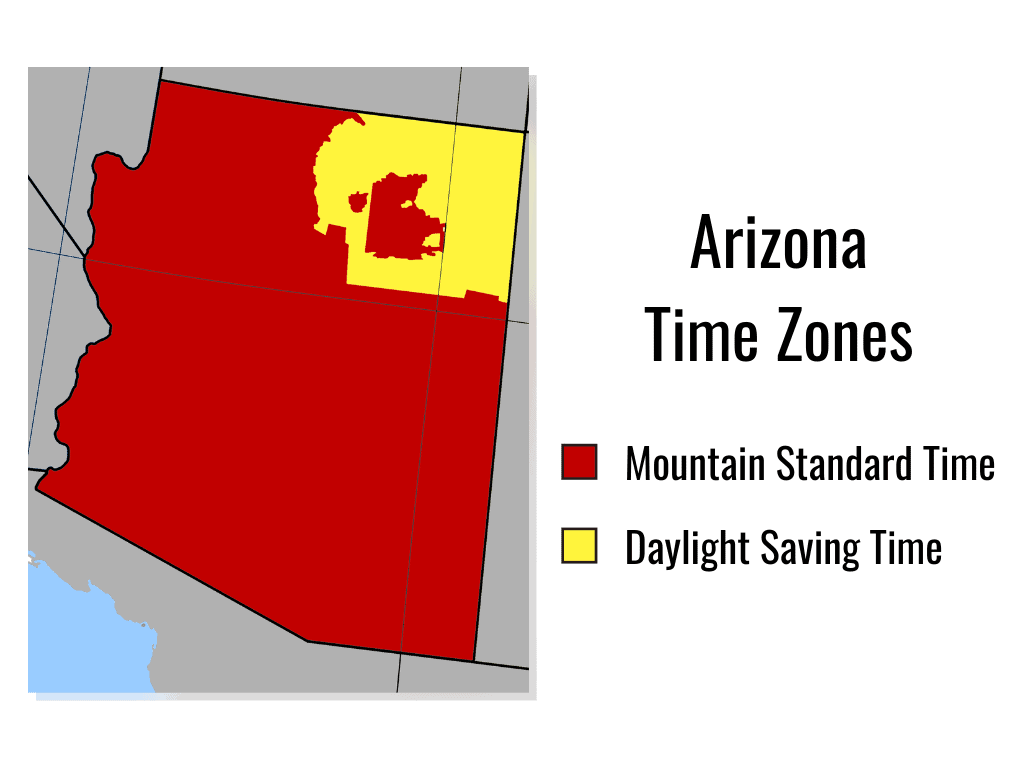
While most of Arizona remains steadfastly on Mountain Standard Time throughout the year, there is one significant and important exception: the Navajo Nation. This vast reservation, spanning parts of northeastern Arizona, New Mexico, and Utah, observes Daylight Saving Time along with the rest of the Mountain Time Zone.
This decision by the Navajo Nation is rooted in practical and logistical considerations. Since the reservation extends into states that do observe Daylight Saving Time, maintaining a consistent time zone across its entire territory helps streamline administration, communication, and commerce for its residents and tribal government. It simplifies interactions with neighboring communities and the larger regional economy. This creates a fascinating and sometimes confusing “time warp” for travelers journeying through northern Arizona.
For instance, driving from Flagstaff (which does not observe Daylight Saving Time) into the Navajo Nation during the summer months means setting your clock forward an hour. This shift is particularly noticeable when visiting iconic sites within the Navajo Nation such as Monument Valley, Antelope Canyon, or Canyon de Chelly National Monument.
Understanding Time Across the Reservation
The “time line” between the rest of Arizona and the Navajo Nation can be a source of confusion for even seasoned travelers. It’s not uncommon for visitors to arrive an hour early or late for tours or accommodations within the reservation if they haven’t adjusted their watches. This unique situation underscores the importance of thorough planning, especially for those venturing into the diverse cultural landscapes of northern Arizona.
An interesting exception within the exception is the Hopi Reservation, which is entirely surrounded by the Navajo Nation but adheres to Arizona’s non-Daylight Saving Time policy. This creates a dynamic where, during Daylight Saving Time months, a trip through this region might involve crossing four different time zones within a relatively small geographical area: Arizona (MST) -> Navajo Nation (MDT) -> Hopi Reservation (MST) -> back to Navajo Nation (MDT).
For travelers seeking immersive tourism experiences, understanding these nuances is key. It’s a testament to the rich tapestry of local culture and governance within Arizona. When booking tours for activities like visiting Antelope Canyon or planning accommodation within Navajo Nation hotels or resorts, always confirm the local time to avoid any scheduling mishaps. This is part of the adventure of exploring such a culturally rich and geographically diverse destination.
Practical Implications for Travelers and Residents
Arizona’s consistent use of Mountain Standard Time presents both unique benefits and potential challenges for visitors and locals alike. Understanding these implications is crucial for seamless travel, efficient business operations, and an enjoyable lifestyle.
Planning Your Arizona Adventure: What Travelers Need to Know
For travelers, the most significant impact of Arizona’s time zone policy comes during the Daylight Saving Time period, roughly from March to November. During these months:
- Arrival Times: If flying into Phoenix, Tucson, or Mesa from a state observing Daylight Saving Time, remember to adjust your watch. For example, if flying from New York City (Eastern Daylight Time), Arizona will be three hours behind. From Los Angeles (Pacific Daylight Time), Arizona will be one hour ahead. From Denver (Mountain Daylight Time), Arizona will be one hour behind. Always double-check flight times and connection schedules.
- Hotel Check-ins and Tours: When booking accommodation, whether it’s a luxury resort in Scottsdale, a boutique hotel in Sedona, or a budget-friendly option in Flagstaff, confirm check-in and check-out times with the local time in mind. The same applies to scheduled tours, reservations for attractions, or restaurant bookings. Websites and booking platforms generally display times in the local time zone, but a quick confirmation can prevent any mix-ups.
- Driving Across Borders: If your trip involves driving through neighboring states like California, Nevada, Utah, or New Mexico, be prepared to adjust your clock when crossing into or out of Arizona. This is especially important for multi-state road trips that might include landmarks like the Hoover Dam (straddling Arizona and Nevada) or journeys along historical paths like Route 66.
- Mobile Devices: Most smartphones and smartwatches automatically adjust to the local time zone, which is highly convenient. However, it’s always wise to manually check your device’s time settings, especially when transitioning into or out of the Navajo Nation, where the automatic adjustment might not always be perfectly intuitive at the reservation borders.
For business travelers, understanding the time difference is critical for scheduling conference calls, meetings, or presentations with colleagues in other states. It’s a recurring consideration that shapes the daily rhythm of work in Arizona.
Embracing the Arizona Lifestyle: Time Zone and Daily Living
For residents and those considering a longer-term stay, Arizona’s unique time zone contributes to a distinct lifestyle. The absence of Daylight Saving Time means:
- Consistent Schedule: No biannual clock changes mean a consistent sleep schedule and fewer disruptions to daily routines. This can be a welcome relief for families, students, and businesses.
- Earlier Sunsets: During the summer, earlier sunsets (compared to a DST-observing state) mean that the scorching heat dissipates sooner, allowing for more comfortable evening outdoor activities. This directly influences the popularity of nighttime hikes, stargazing tours, and evening events in cities like Tempe and Yuma.
- Energy Conservation: As mentioned, the decision was partly driven by energy conservation. Less reliance on air conditioning during the later evening hours in summer contributes to a more sustainable lifestyle.
- Local Culture: The time zone becomes a part of the local identity. Discussions about “what time is it really?” or “remember, we don’t change our clocks” are common, especially when interacting with people from outside the state. It’s a quirky aspect of Arizona that often sparks conversation and helps define its unique character.
Whether planning a family trip to Saguaro National Park, a luxury golf getaway, or a budget-friendly hiking expedition, Arizona’s time zone plays an subtle yet important role in shaping the overall experience.
Beyond the Clock: Arizona’s Allure as a Premier Destination
While its unique time zone is a fascinating aspect, Arizona’s appeal extends far beyond the hands of a clock. As a premier destination, it offers an incredible array of travel experiences, luxurious accommodations, and iconic landmarks that cater to every type of traveler. The state’s diverse landscapes, from arid deserts to alpine forests, coupled with its rich history and vibrant cultural scene, make it a top choice for tourism.
Iconic Landmarks and Diverse Attractions
Arizona is synonymous with natural wonders and boasts some of the most recognizable landmarks in the United States.
- The Grand Canyon National Park: A UNESCO World Heritage Site, this immense natural formation is arguably Arizona’s crown jewel. Visitors can explore its vastness from various viewpoints, hike its trails, or even take a helicopter tour for a breathtaking perspective. Planning a visit to the Grand Canyon National Park requires careful consideration of the time zone, especially if coming from the Navajo Nation side, as the main park areas adhere to Arizona’s non-DST policy.
- Sedona: Famous for its stunning red rock formations, spiritual vortexes, and vibrant arts community. Sedona offers unparalleled opportunities for hiking, mountain biking, and wellness retreats, making it a hotspot for lifestyle and experience-driven tourism.
- Phoenix and Tucson: These major metropolitan areas serve as cultural and economic hubs. Phoenix offers world-class resorts, gourmet dining, and a bustling nightlife, while Tucson captivates with its historic architecture, vibrant arts scene, and proximity to the Sonoran Desert and Saguaro National Park.
- Monument Valley: Located within the Navajo Nation, its iconic buttes and mesas are a quintessential symbol of the American West. A guided tour by a Navajo guide offers deep insights into the local culture and landscape. Remember the time zone shift when planning your visit here!
- Other Gems: Petrified Forest National Park showcases ancient trees turned to stone, while the Hoover Dam and Lake Mead offer incredible feats of engineering and recreational opportunities on the Colorado River border with Nevada. The historic town of Prescott with its “Whiskey Row” and Flagstaff, a gateway to the Grand Canyon and surrounding pine forests, provide diverse experiences for those looking beyond the desert heat.
Accommodation and Travel Experiences in the Grand Canyon State
Arizona’s tourism infrastructure is robust, offering a spectrum of accommodation options and travel experiences to suit every budget and style.
- Hotels & Resorts: From opulent luxury resorts in Scottsdale with championship golf courses and lavish spas, to family-friendly hotels in Tempe, and charming boutique inns in Sedona, the state caters to all preferences. Many properties offer unique amenities such as desert-inspired architecture, stargazing opportunities, and farm-to-table dining experiences.
- Unique Stays: For those seeking more immersive experiences, Arizona also offers rustic cabins near Flagstaff, glamping sites with stunning desert views, and vacation rentals that provide a home-away-from-home feel for longer stays or family trips.
- Travel Guides & Experiences: Whether you’re looking for an adventure guide to navigate the wilderness, a cultural tour to explore Native American heritage, or a food tour to sample the vibrant culinary scene, Arizona has a wealth of organized experiences. These range from hot air balloon rides over the desert to river rafting on the Colorado River and stargazing parties in its dark sky communities.
- Lifestyle Travel: Arizona supports various lifestyle travel preferences. Budget travelers can find ample opportunities for camping in state parks or exploring free attractions, while luxury travelers can indulge in high-end shopping, spa treatments, and exclusive tours. It’s also an excellent destination for family trips with numerous kid-friendly activities, and its growing tech and business sectors make it suitable for business stays, offering sophisticated meeting venues and corporate accommodations.
In conclusion, while the question “Is Arizona on Mountain Standard Time?” unveils a unique aspect of its identity, it ultimately serves as a fascinating preamble to the vast and varied experiences that await visitors. By understanding this distinctive timekeeping, travelers can seamlessly navigate their journeys and fully immerse themselves in the rich tapestry of landscapes, cultures, and adventures that make Arizona an unforgettable destination.
LifeOutOfTheBox is a participant in the Amazon Services LLC Associates Program, an affiliate advertising program designed to provide a means for sites to earn advertising fees by advertising and linking to Amazon.com. Amazon, the Amazon logo, AmazonSupply, and the AmazonSupply logo are trademarks of Amazon.com, Inc. or its affiliates. As an Amazon Associate we earn affiliate commissions from qualifying purchases.