
Embarking on a journey across Florida often involves navigating the distance between its vibrant cities. One of the most common routes for both tourists and residents alike is the stretch connecting Fort Lauderdale, a coastal gem known for its beautiful beaches and intricate canal system, to Orlando, the undisputed theme park capital of the world. While these two iconic destinations offer distinctly different experiences, their proximity makes a combined trip or a direct commute highly feasible. Understanding the distance, travel times, and various transportation options is crucial for planning a seamless and enjoyable trip, whether for a family vacation, a business engagement, or a leisurely escape.
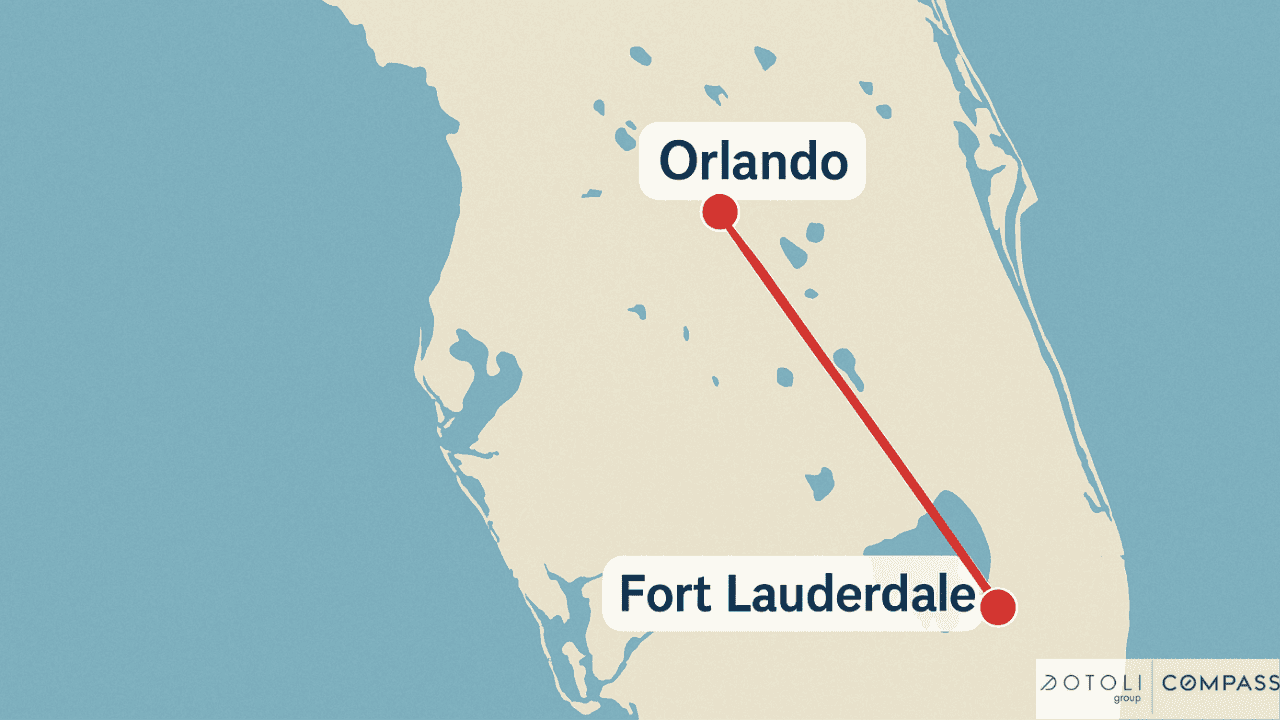
This guide delves into the practicalities of traveling from Fort Lauderdale to Orlando, exploring everything from the quickest routes to the most scenic journeys, and highlighting what awaits you in each unique city.
The Straightforward Journey: Distance and Travel Time
The geographical separation between Fort Lauderdale and Orlando is significant enough to warrant proper planning but short enough to be traversed comfortably within a few hours. Generally, the direct distance between the two cities is approximately 190 to 220 miles (306 to 354 kilometers), depending on the specific starting and ending points within each metropolitan area. This distance translates into varying travel times based on the chosen mode of transport and prevailing conditions.
By Car: The Most Popular Choice
Driving remains the most popular and often the most convenient way to travel between Fort Lauderdale and Orlando, offering unparalleled flexibility and the freedom to explore at one’s own pace.
The typical driving distance ranges from 190 to 220 miles (306 to 354 km). Under optimal conditions, with light traffic and minimal stops, the journey can take approximately 3 to 3.5 hours. However, it’s prudent to factor in potential delays, especially during peak travel times such as holidays, weekends, or rush hour. A more realistic estimate for planning purposes, including a short stop for gas or a stretch, would be around 3.5 to 4 hours.
The primary routes connecting these two cities are:
- Florida’s Turnpike (SR 91): This is generally considered the fastest and most direct route. It’s a tolled highway, but the tolls contribute to better road conditions and less congestion compared to alternatives. The Turnpike is well-maintained and features several service plazas along the way, offering fuel, food, and restrooms. It largely bypasses smaller towns, making for a smoother, high-speed journey.
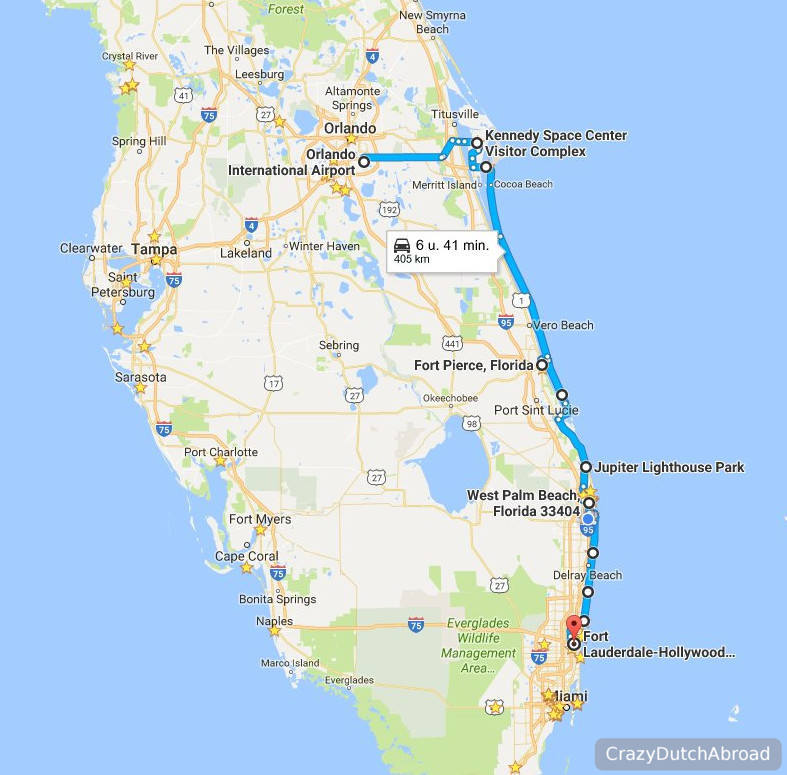
- Interstate 95 (I-95) North to Florida State Road 528 (Beachline Expressway): While I-95 runs along the eastern coast of Florida, it eventually veers away from Orlando. To reach Orlando from I-95, travelers typically take SR 528 West (the Beachline Expressway), which is also a tolled road. This route might be slightly longer in terms of distance and often involves more traffic, particularly closer to coastal cities. However, it can offer a different perspective and might be preferred if you’re making stops along the east coast.
Considerations for Drivers:
- Tolls: Both the Florida’s Turnpike and the Beachline Expressway have tolls. It’s highly recommended to have a SunPass transponder or an equivalent toll pass from another state (E-ZPass is increasingly accepted) for seamless travel and discounted rates. Cash lanes are becoming less common, and “Toll-by-Plate” options can result in higher charges.
- Traffic: Be mindful of rush hour traffic, especially around urban centers like Fort Lauderdale, West Palm Beach, and Orlando. Planning your departure outside of these peak times can significantly reduce travel duration and stress.
- Fuel: Ensure your vehicle has enough fuel for the journey. While there are service stations along the routes, it’s always wise to start with a full tank.
- Navigation: Use a reliable GPS or mapping app (e.g., Google Maps, Waze) to stay updated on real-time traffic conditions and receive accurate directions.
Exploring Alternative Transportation Options
While driving offers convenience, several other modes of transport cater to different preferences and budgets.
-
Brightline High-Speed Rail: For those seeking a comfortable, fast, and stress-free journey, Brightline offers a premium high-speed rail service. With its recent expansion to Orlando, Brightline provides a modern travel experience with amenities such as comfortable seating, Wi-Fi, food and beverage service, and power outlets.
- Travel Time: The train journey from the Fort Lauderdale Brightline Station to the Orlando Brightline Station at Orlando International Airport typically takes around 2.5 to 3 hours, making it competitive with or even faster than driving, especially when factoring in traffic.
- Convenience: Brightline stations are centrally located or offer convenient connections to public transport and ride-sharing services, minimizing the hassle of parking and navigating city traffic. It’s an excellent option for business travelers or those who prefer to relax and avoid driving.
-
Bus Services: Several bus companies operate routes between Fort Lauderdale and Orlando, offering an economical alternative.
- Providers: Companies like Greyhound and FlixBus provide regular services.
- Travel Time: Bus journeys are generally longer than driving or taking the train, typically ranging from 4 to 5 hours or more, depending on the number of stops and traffic conditions.
- Cost-effectiveness: Buses are often the most budget-friendly option, making them suitable for students or travelers on a tight budget. They also offer the benefit of avoiding the stress of driving and parking.
-
Flying: While it might seem counterintuitive for a relatively short distance, flying is an option, though it’s rarely the most efficient for direct city-to-city travel due to airport logistics.
- Flight Time: The actual flight time between Fort Lauderdale-Hollywood International Airport (FLL) and Orlando International Airport (MCO) is very short, often under an hour.
- Overall Travel Time: However, when you factor in travel to and from airports, security checks, boarding, and baggage claim, the total door-to-door travel time often exceeds that of driving or taking the Brightline. It could be a viable option if connecting to another flight or if you have specific travel needs that make flying preferable.
A Tale of Two Cities: What to Expect at Each Destination
Both Fort Lauderdale and Orlando offer distinct attractions and atmospheres, catering to different types of travelers. Understanding what each city has to offer can help you plan your itinerary effectively.
Unveiling the Charms of Fort Lauderdale
Often dubbed the “Venice of America,” Fort Lauderdale is renowned for its extensive canal system, beautiful beaches, and sophisticated coastal lifestyle. It’s a city that effortlessly blends relaxation with vibrant urban energy.
- Beaches and Waterways: The pristine sands of Fort Lauderdale Beach are a major draw, perfect for sunbathing, swimming, and water sports. The city’s intricate network of canals, fed by the New River, is best explored via water taxi or a scenic boat tour, offering glimpses of lavish waterfront homes and mega-yachts.
- Shopping and Dining: Las Olas Boulevard is the heart of Fort Lauderdale’s upscale scene, lined with art galleries, boutique shops, and world-class restaurants catering to every palate. From casual cafes to fine dining establishments, the culinary scene is diverse and exquisite.
- Culture and Entertainment: The city boasts a thriving arts and culture district. The Museum of Discovery and Science is a fantastic family-friendly attraction, while the Broward Center for the Performing Arts hosts a variety of shows and concerts. For nature lovers, Hugh Taylor Birch State Park offers an urban oasis for hiking, biking, and kayaking.
- Accommodation: Fort Lauderdale offers a wide array of accommodation options, from luxurious beachfront resorts and boutique hotels to charming vacation rentals. Many hotels provide direct beach access and premium amenities, catering to both luxury travel and budget travel.
- Lifestyle: The Fort Lauderdale lifestyle is characterized by its emphasis on outdoor activities, boating, and a sophisticated social scene. It’s an ideal destination for those seeking a relaxed yet upscale vacation.
Diving into the Magic of Orlando
Orlando needs little introduction as the theme park capital of the world, drawing millions of visitors annually with its iconic attractions and family-friendly entertainment.
- Theme Parks Galore: The city is home to some of the world’s most famous theme parks. Walt Disney World Resort features four main parks: Magic Kingdom (home to Cinderella Castle), Epcot, Hollywood Studios, and Animal Kingdom, along with water parks and entertainment districts. Universal Orlando Resort offers thrilling rides and immersive worlds at Universal Studios Florida and Islands of Adventure, including The Wizarding World of Harry Potter. SeaWorld Orlando combines marine life shows with roller coasters.
- Beyond the Parks: While theme parks are a major draw, Orlando offers much more. ICON Park on International Drive features the Orlando Eye observation wheel and other attractions. For a change of pace, the Kennedy Space Center Visitor Complex, located about an hour’s drive east, offers an awe-inspiring look into space exploration.
- Shopping and Dining: Orlando boasts extensive shopping opportunities, from outlet malls like Orlando Premium Outlets to upscale boutiques. The dining scene is equally diverse, with everything from casual family eateries to celebrity chef restaurants.
- Accommodation: The city is replete with accommodation options, from sprawling family resorts with extensive amenities to budget-friendly hotels and vacation rentals, catering to every group size and budget. Many resorts offer shuttle services to the theme parks, adding to the convenience.
- Lifestyle: The Orlando lifestyle is largely centered around entertainment, tourism, and family trips. It’s a destination designed for creating unforgettable memories, especially for those traveling with children.
Crafting Your Ideal Journey: Tips for a Seamless Trip
Regardless of your chosen mode of transportation or your destination, a few key tips can help ensure your trip from Fort Lauderdale to Orlando is as smooth and enjoyable as possible.
Choosing the Right Time to Travel
Timing can significantly impact your travel experience, affecting both journey time and the overall enjoyment of your stay.
- Seasonal Considerations: Florida’s peak tourist season generally runs from late fall through spring (November to May), with December and March being particularly busy due to holidays and spring break. During these times, expect heavier traffic on the roads, fuller trains, and more crowded attractions in both cities. Summer (June to September) is hot and humid, with frequent afternoon thunderstorms, but can offer fewer crowds and better deals on accommodation.
- Event Schedules: Check the event calendars for both Fort Lauderdale and Orlando before your trip. Major events, conventions, or concerts can lead to increased traffic and higher demand for transportation and accommodation.
- Weekday vs. Weekend: Traveling on a weekday, particularly Tuesday through Thursday, often results in lighter traffic and fewer crowds compared to weekends.

Optimizing Your Stay and Experience
Careful planning extends beyond just the journey itself and into your time in each city.
- Accommodation Booking: Given the popularity of both destinations, especially Orlando, it’s highly advisable to book your accommodation well in advance. Utilize booking comparison websites to find the best deals, and consider options like resorts with amenities that cater to your specific needs, whether it’s luxury suites or family-friendly villas. Don’t forget to read reviews to gauge the quality and suitability of your chosen stay.
- Budgeting: Factor in all potential costs beyond just transportation. This includes tolls, parking fees (which can be substantial at theme parks), attraction tickets, dining, and any specific activities you plan to enjoy. Many attractions in Orlando offer multi-day passes or package deals that can save money.
- Packing Essentials: For Florida travel, essential items include sunscreen, hats, comfortable walking shoes, swimwear, and light clothing. A reusable water bottle is also a good idea to stay hydrated, especially during the warmer months.
- Local Culture and Food: Don’t limit yourself to just the main attractions. Explore local neighborhoods, try regional Floridian cuisine, and engage with the local culture. Both cities offer vibrant food scenes beyond the tourist traps. In Fort Lauderdale, explore fresh seafood and waterfront dining. In Orlando, look for diverse international cuisine and emerging culinary trends in areas like Winter Park or the Mills 50 District.
- Getting Around Within Cities: Once you arrive, consider how you’ll navigate each city. Fort Lauderdale offers water taxis and ride-sharing, while Orlando relies heavily on personal vehicles, ride-shares, and shuttle services provided by resorts. For tourism purposes, renting a car might still be the most flexible option if you plan to explore widely in Orlando beyond the immediate theme park areas.
In conclusion, the journey from Fort Lauderdale to Orlando is a well-traveled path with numerous options to suit every traveler’s needs and preferences. Whether you opt for the efficiency of the Florida’s Turnpike, the modern comfort of Brightline, or the budget-friendliness of a bus, both cities promise unique experiences. By considering the distance, travel time, and the distinctive allure of each destination, you can confidently plan a memorable Florida adventure that perfectly aligns with your travel aspirations.
LifeOutOfTheBox is a participant in the Amazon Services LLC Associates Program, an affiliate advertising program designed to provide a means for sites to earn advertising fees by advertising and linking to Amazon.com. Amazon, the Amazon logo, AmazonSupply, and the AmazonSupply logo are trademarks of Amazon.com, Inc. or its affiliates. As an Amazon Associate we earn affiliate commissions from qualifying purchases.