
Orlando, Florida’s undisputed capital of theme parks and family fun, draws millions of visitors each year with its promise of thrilling attractions, world-class entertainment, and an atmosphere of endless summer. While the magic is undeniable, understanding the local weather patterns is paramount for any traveler planning a visit. After all, the perfect day at Walt Disney World Resort or Universal Orlando Resort can be significantly impacted by a sudden downpour, scorching heat, or a refreshing cool front. This comprehensive guide will delve into Orlando’s climate, helping you plan your itinerary, choose the right accommodation, and pack appropriately to ensure your trip is as magical as you imagine, regardless of what the skies might hold.
Nestled in the heart of the Sunshine State, Orlando boasts a humid subtropical climate, characterized by long, hot, and humid summers, and short, mild, and relatively dry winters. The city experiences abundant sunshine throughout the year, earning Florida its famous moniker. However, this also means distinct seasonal variations that can dramatically affect your travel experience, from outdoor park visits to leisurely strolls through charming neighborhoods. Knowing what to expect allows you to optimize your travel plans, making savvy choices about everything from the best time to book your Hyatt Regency Orlando suite to the ideal gear for exploring Lake Eola Park.
Understanding Orlando’s Subtropical Climate
Orlando’s geographical location, relatively close to both the Atlantic Ocean and the Gulf of Mexico, plays a significant role in shaping its weather. The prevailing winds bring moisture inland, contributing to the high humidity, especially during the warmer months. While the city itself is inland, the coastal influences are strong, preventing extreme temperature fluctuations that might be seen in more continental climates. This climate zone ensures a certain level of warmth throughout the year, making it a popular destination even in traditional “off-seasons” for colder climates.
Seasonal Weather Breakdown: What to Expect When
To truly master the art of travel to Orlando, it’s essential to understand the nuances of each season. This breakdown will guide you through typical temperatures, rainfall, and humidity levels, offering insights into how each period might shape your itinerary and accommodation choices.
Summer: June, July, August
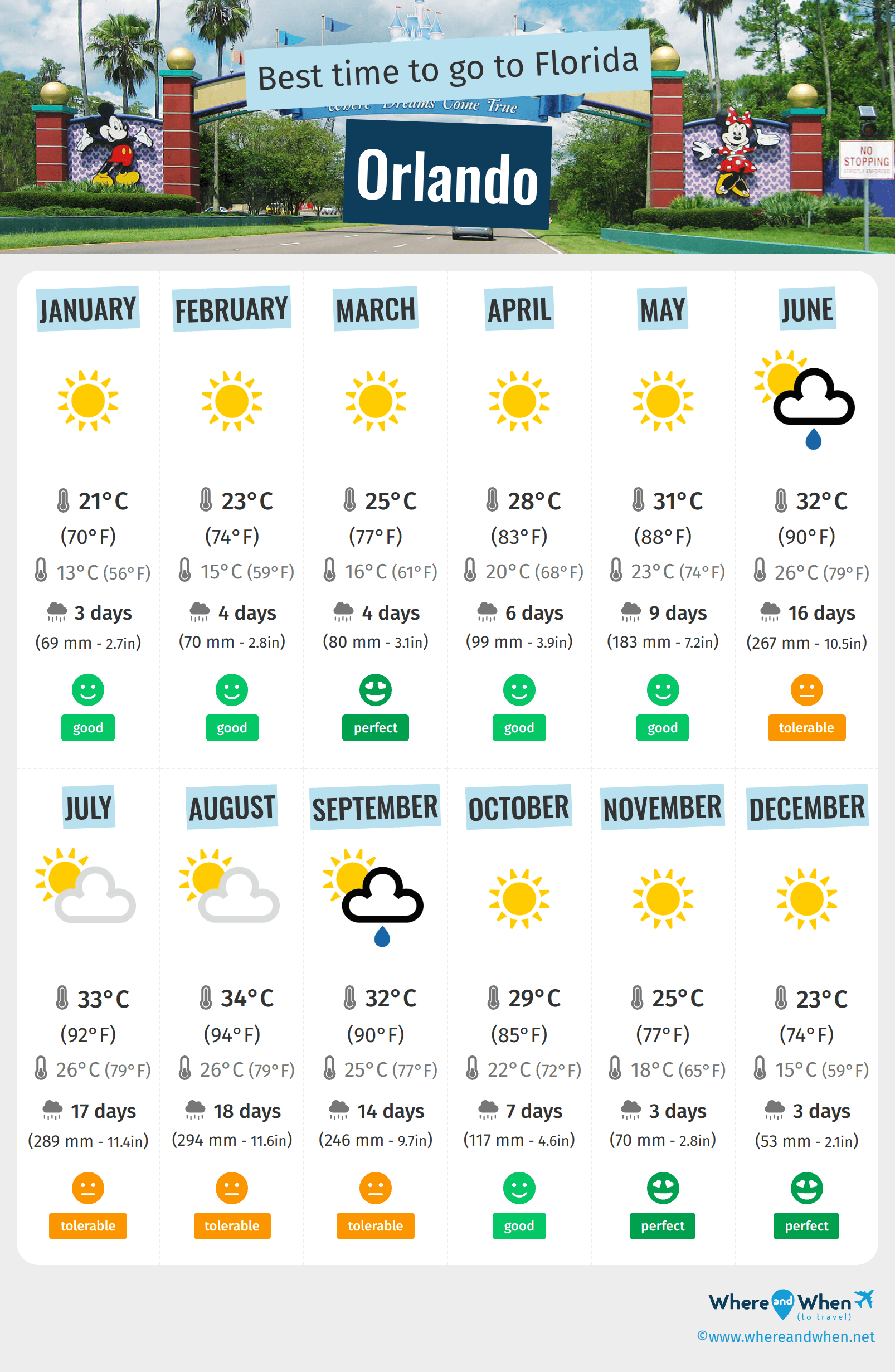
Summer in Orlando is synonymous with heat, humidity, and daily afternoon thunderstorms. Temperatures consistently hover in the low to mid-90s Fahrenheit (32-35°C), with overnight lows often staying above 75°F (24°C). The humidity is relentless, making the “feels like” temperature even higher. While the sun shines brightly for much of the day, brief, intense thunderstorms are a daily occurrence, typically rolling in during the late afternoon or early evening. These storms are often quick, clearing the air and sometimes bringing a slight, temporary drop in temperature.
- Impact on Travel: Crowds are heavy due to school holidays. Theme park visits require strategic planning: arrive early, utilize indoor attractions during the hottest parts of the day, and embrace water rides. Hydration is critical. Consider resorts with excellent pool complexes, like The Ritz-Carlton Orlando, Grande Lakes, or Universal’s Volcano Bay for water park fun. For accommodation, ensure your chosen hotel offers robust air conditioning and perhaps even a lazy river or splash pad for family enjoyment.
- Lifestyle: Families on summer vacation are a common sight. Budget travelers might find some deals, but overall, this is a peak season. Luxury travelers might opt for resorts with extensive indoor amenities and private cabanas by the pool for respite.
Fall: September, October, November
Fall is a transitional period, generally offering a pleasant escape from the intense summer heat, though early September can still feel very much like summer. As the season progresses, temperatures gradually cool down, moving into the mid-80s Fahrenheit (29-31°C) in September and October, and then into the low to mid-70s Fahrenheit (21-24°C) by November. Humidity levels also begin to drop, making outdoor activities much more comfortable. While hurricane season officially extends through November, the peak risk is usually in August and September.
- Impact on Travel: Many consider fall, particularly October and November, to be among the best times to visit Orlando. The weather is more forgiving, and crowds tend to be lighter, especially mid-week. Special events like Epcot’s International Food & Wine Festival or Universal Orlando Resort’s Halloween Horror Nights thrive in this climate. It’s an excellent time for exploring outdoor attractions, and hotel booking might offer better value outside of holiday weekends.
- Lifestyle: Ideal for all types of travelers. Families benefit from milder weather, while couples and business travelers appreciate the comfortable conditions for exploring International Drive’s dining and entertainment.
Winter: December, January, February
Orlando’s winters are famously mild and often sunny, making it a popular escape for those fleeing colder climates in the United States, Canada, and Europe. Daytime temperatures typically range from the high 60s to low 70s Fahrenheit (18-23°C). Nights can be cool, sometimes dipping into the 40s (4-9°C), especially in January. Rainfall is at its lowest during these months, and humidity is comfortable. Cold fronts can occasionally bring brief dips into colder temperatures, so a light jacket or sweater is advisable.
- Impact on Travel: This is another peak season, especially around Christmas, New Year’s, and school breaks like President’s Day. The pleasant weather makes it perfect for theme parks, golf, and outdoor festivals. Water parks might be a bit chilly for some, though heated pools at resorts like Four Seasons Resort Orlando at Walt Disney World Resort are always a draw. Accommodation prices can be high during holiday periods, so advance booking is crucial.
- Lifestyle: Popular for retirees, snowbirds, and families seeking winter warmth. Business travelers also find the mild weather agreeable for conferences. Luxury travelers enjoy the comfort without the intense heat.
Spring: March, April, May
Spring in Orlando is a delightful period, often considered the sweet spot for weather. Temperatures gradually warm from the mid-70s (24-26°C) in March to the mid-80s (29-31°C) by May. Humidity is still relatively low compared to summer, making for very pleasant conditions. Rainfall is minimal in March and April, increasing slightly by May as the summer pattern begins to emerge.
- Impact on Travel: Spring break periods (March/April) bring significant crowds and higher prices. Outside of these peaks, spring offers ideal weather for exploring all of Orlando’s attractions, from the expansive grounds of Animal Kingdom to the charm of Celebration. It’s also a fantastic time for visiting nearby natural attractions or even a day trip to the Kennedy Space Center Visitor Complex.
- Lifestyle: Excellent for all types of travel. The comfortable weather encourages outdoor activities, dining al fresco, and exploring local culture.
Planning Your Orlando Trip Around the Weather
Armed with an understanding of Orlando’s distinct seasons, you can now fine-tune your travel plans to align with your preferences and priorities. Whether you prioritize avoiding crowds, enjoying specific events, or simply ensuring optimal comfort, the weather plays a central role in shaping your ideal itinerary.
Packing Essentials for Every Season
Regardless of when you visit, certain items are always wise to include in your luggage when traveling to Orlando. However, each season has its specific packing nuances:
- Year-Round: Sunscreen (high SPF!), sunglasses, a wide-brimmed hat, comfortable walking shoes (you’ll be doing a lot of walking!), a reusable water bottle, and light, breathable clothing are absolute must-haves.
- Summer: Embrace light fabrics like cotton or moisture-wicking synthetics. Pack a light rain poncho or umbrella for afternoon showers. Swimsuits are essential for hotel pools and water parks.
- Fall: Layering is key. While days are pleasant, evenings can have a slight chill. A light jacket or cardigan will serve you well.
- Winter: Bring long pants, sweaters, and a medium-weight jacket, especially for evenings. While rare, a scarf and gloves might be appreciated on the coldest mornings.
- Spring: Similar to fall, light layers are recommended. You’ll likely shed layers during the day and need them again in the evening.
Hurricane Season Considerations: June 1st – November 30th
While hurricanes are not a daily concern, and Orlando’s inland location offers some protection compared to coastal areas, it’s important to be aware that hurricane season spans nearly half the year. The peak months for tropical activity are typically August and September. Modern forecasting provides ample warning for potential storms, allowing travelers to adjust plans.
- Travel Tips: Consider purchasing travel insurance that covers weather-related disruptions if traveling during these months. Keep an eye on weather forecasts before and during your trip. Most hotels and resorts have robust hurricane preparedness plans, and parks will adjust operations as needed. While disruptions are possible, they are relatively infrequent, and many travelers enjoy successful trips during hurricane season without incident. The risk can also sometimes translate to lower prices and fewer crowds.
Weather-Wise Accommodation and Activities
Choosing where to stay and what to do in Orlando can be heavily influenced by the prevailing weather conditions. From luxurious resorts with extensive indoor facilities to budget-friendly apartments close to public transport, considering the climate will enhance your overall experience.
Maximizing Theme Park Visits and Outdoor Adventures
Orlando’s fame largely rests on its incredible theme parks. Visiting Magic Kingdom, Hollywood Studios, Epcot, Animal Kingdom, Universal Studios Florida, Islands of Adventure, and SeaWorld Orlando requires stamina, and the weather plays a huge role in how much you enjoy it.
- Hot Weather Strategy: Prioritize early morning visits to outdoor rides. Take advantage of indoor shows and air-conditioned attractions during the peak heat of the afternoon. Utilize water rides and splash areas to cool down. Staying at a resort with early park entry can give you a significant advantage. Hydration is non-negotiable – carry water or purchase it frequently.
- Cooler Weather Strategy: Enjoy leisurely strolls through the parks. Consider visiting attractions that are mostly outdoors. Evenings are perfect for parades and fireworks without the discomfort of humidity. Water parks may be less appealing unless you’re keen on heated pools.
- Rainy Day Strategy: Don’t let rain deter you! Many rides and shows are indoors. Ponchos are your best friend. Crowds often thin out during rain, creating opportunities for shorter lines. Some parks even feel more magical in a light drizzle.
Exploring Beyond the Parks: Local Culture and Attractions
Orlando offers much more than theme parks. Its vibrant downtown, burgeoning food scene, and diverse cultural attractions provide excellent alternatives or additions to your itinerary, especially when weather conditions warrant a change of pace.
- Indoor Attractions: On very hot, humid, or rainy days, explore indoor options like the Orlando Science Center, the Orlando Museum of Art, or catching a show at the Dr. Phillips Center for the Performing Arts or a sports event at the Amway Center. Shopping centers like The Mall at Millenia or Orlando Vineland Premium Outlets offer air-conditioned retail therapy.
- Outdoor Activities (Cooler Months): Beyond theme parks, enjoy kayaking on the scenic clear springs, exploring the historic streets of Winter Park, or a round of golf at one of Orlando’s many championship courses. These activities are far more enjoyable when the temperatures are mild and the humidity is low.
Choosing the Right Accommodation: More Than Just a Bed
Your choice of hotel or accommodation in Orlando can significantly impact your comfort, especially concerning the weather.
- Resorts vs. Budget Hotels: Luxury resorts like Rosen Shingle Creek often offer extensive amenities, including multiple pools (some heated), indoor recreational areas, on-site dining, and shuttle services, making them ideal for staying comfortable regardless of the weather. Budget hotels might have fewer amenities but can be excellent choices if you plan to be out and about constantly, returning primarily to sleep.
- Apartments and Villas: For longer stays or family trips, renting an apartment or villa with a private pool can be a game-changer, offering a personal oasis to cool off in summer or enjoy a heated dip in winter.
- Location, Location, Location: Consider proximity to your main attractions. If you’re relying on walking or public transport, a hotel near International Drive might be convenient, but remember to factor in potential heat or rain for your commutes.

Making the Most of Orlando, Rain or Shine
Ultimately, Orlando’s weather is an integral part of its charm and challenge. The glorious sunshine fuels the vibrant outdoor atmosphere, while the occasional rain showers are simply a part of its subtropical identity, often bringing a welcome respite from the heat.
For luxury travelers, the weather dictates the choice between a poolside cabana in winter or exclusive indoor experiences during the summer. Budget travelers might leverage the less popular weather periods (like peak summer or hurricane season) to find better deals on flights and accommodation, provided they are prepared for the conditions. Family trips often benefit from the mild spring and fall, allowing kids to enjoy outdoor activities without overheating. Business stays can appreciate the comfortable winter months for conferences and networking, avoiding the intense summer humidity.
No matter when you visit or what your travel style, a little foresight about Orlando’s weather ensures a smoother, more enjoyable, and truly magical experience. Pack smart, stay hydrated, and embrace the dynamic climate of this enchanting Florida city. Your adventure awaits, come rain or shine!
LifeOutOfTheBox is a participant in the Amazon Services LLC Associates Program, an affiliate advertising program designed to provide a means for sites to earn advertising fees by advertising and linking to Amazon.com. Amazon, the Amazon logo, AmazonSupply, and the AmazonSupply logo are trademarks of Amazon.com, Inc. or its affiliates. As an Amazon Associate we earn affiliate commissions from qualifying purchases.