
The question “When was Orlando founded?” might seem straightforward, but the answer unfolds a captivating narrative stretching back centuries, revealing a city whose identity has been shaped by pioneering spirits, transformative industrial shifts, and, ultimately, the magic of dreams. Far from being a mere date on a calendar, the founding of Orlando is a story of gradual evolution, from a wild Florida frontier outpost to a global tourism powerhouse. Today, Orlando stands as a vibrant testament to its rich past, drawing millions of visitors each year to explore its world-class attractions, diverse cultural scene, and the very roots that define its unique character.
The Untamed Wilderness: Early History and Indigenous Roots
Before any European set foot on the peninsula, the land that would become Orlando was home to various indigenous tribes. For thousands of years, the fertile lands and abundant waterways sustained communities like the Timucua and later the Seminole people. These early inhabitants lived in harmony with the environment, hunting, fishing, and cultivating crops, leaving behind a legacy that hints at the rich natural history of the region. Their existence predates any formal “founding” by European settlers, marking the true, ancient origins of human habitation in Central Florida.
The arrival of Europeans brought profound changes. Juan Ponce de León famously landed in Florida in 1513, claiming the territory for Spain. While he didn’t venture directly into the heart of what would become Orlando, his explorations paved the way for future Spanish influence. Over the next few centuries, Florida would change hands multiple times, from Spain to Great Britain and back again, before finally becoming a United States territory in 1821.
This period was marked by the Seminole Wars, a series of conflicts between the United States government and the Seminole and Miccosukee tribes, alongside runaway slaves. These wars, particularly the Second Seminole War (1835–1842), saw increased military presence in Central Florida. Forts were established to protect settlers and control the indigenous population, laying some of the earliest foundations for non-indigenous settlements. It was amidst this tumultuous era that the first seeds of what would become Orlando were sown.
From Frontier Post to Citrus Hub: The 19th Century Foundation
The mid-19th century was pivotal for Orlando’s formation. As conflicts subsided and land became available for homesteading, settlers began to arrive, drawn by the promise of fertile soil and a new beginning.
The Naming of Orlando: A Hero’s Legacy
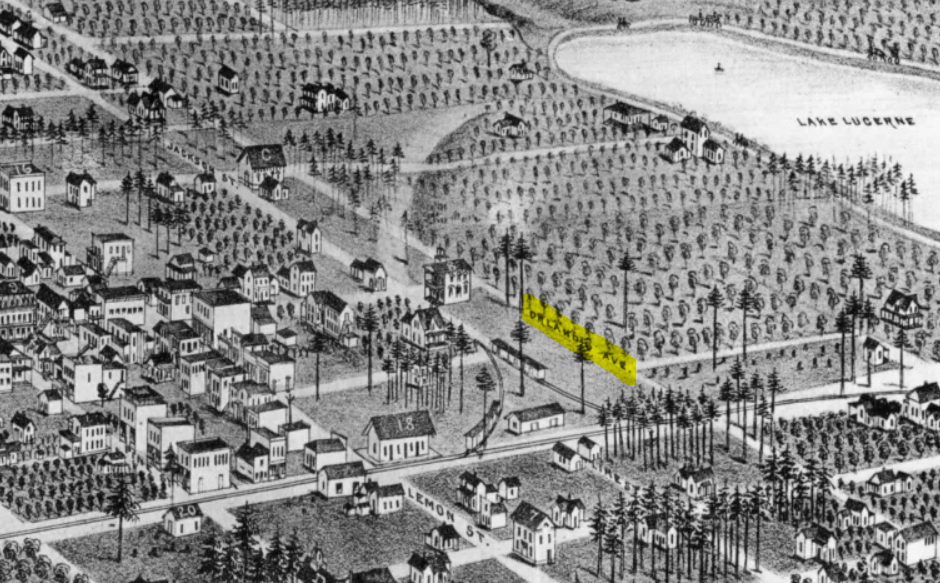
The exact origin of the name “Orlando” is shrouded in a bit of local folklore, but the most widely accepted story attributes it to a soldier named Orlando Reeves. According to legend, Reeves was part of a military detachment stationed in the area during the Seminole Wars. In 1835, he was either killed in action or died of natural causes while on sentinel duty near a prominent tree. His grave, or simply the location of his passing, became a recognized landmark, and the area eventually became known as “Orlando’s Grave” or simply “Orlando”. This humble beginning as a memorial to a fallen soldier underscores the challenging frontier conditions faced by early inhabitants.
By the 1840s, a small settlement began to form around this site, primarily populated by cattle ranchers and farmers. These hardy pioneers carved out a living in the dense wilderness, establishing the rudimentary infrastructure that would support a growing community. Life was tough, characterized by isolation, the constant threat of natural elements, and the arduous work of taming the land.
Incorporation and Growth: The Orange County Seat
The formal founding of Orlando as an official municipality occurred much later. In 1857, the settlement was designated as the seat of Orange County, a significant step that cemented its role as an administrative and economic center for the surrounding agricultural region. This designation provided a more formal structure, encouraging further development and attracting more residents.
However, the American Civil War briefly halted progress, as many residents left to fight, and the local economy suffered. After the war, growth resumed with renewed vigor. On July 31, 1875, Orlando was officially incorporated as a town. This date is often cited as the official founding date, marking its legal establishment as a self-governing entity. Just two years later, in 1877, it officially became a city.
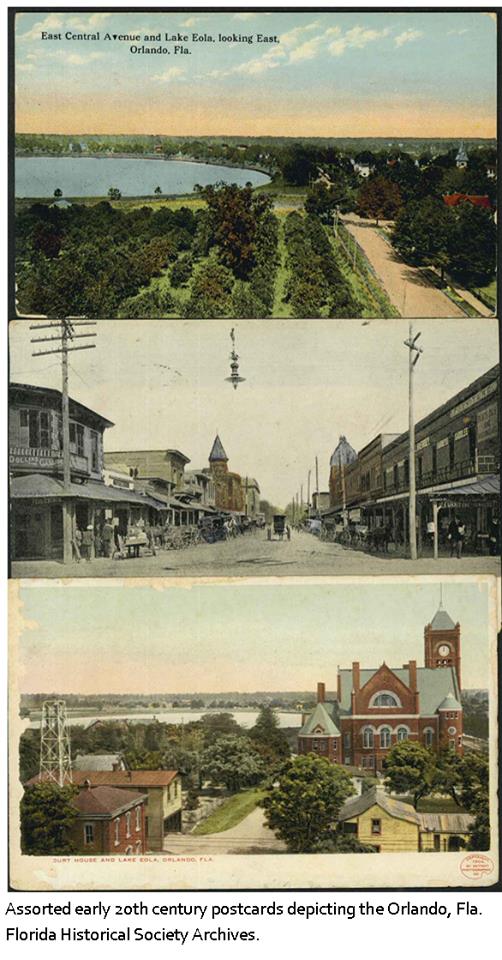
The late 19th century saw Orlando truly flourish, driven by the booming citrus industry. The fertile soil and warm climate proved ideal for growing oranges, and the sweet fruit quickly became the region’s primary export. The arrival of the railroad in the 1880s was a game-changer, connecting Orlando to northern markets and allowing its citrus and cattle products to reach a wider audience. This period of prosperity earned Orlando the nickname “The City Beautiful,” a moniker that still resonates today. Early landmarks like the Orange County Courthouse and various Victorian-era homes began to define the city’s architectural landscape, hinting at the burgeoning community’s aspirations.
The Modern Era’s Dawn: World Wars and the Space Race
The early to mid-20th century brought new challenges and opportunities that propelled Orlando onto a larger stage, moving beyond its agricultural roots.
Mid-20th Century Expansion: Military and Technology
World War II marked a significant turning point. The strategic location of Florida, combined with its favorable weather, made it an ideal site for military training bases. Orlando became home to the Orlando Army Air Base, which later became Orlando Air Force Base and then McCoy Air Force Base. This influx of military personnel and associated industries diversified the local economy, bringing in new residents and technologies. The post-war boom saw many service members decide to stay, contributing to a significant population increase and the expansion of the city’s infrastructure.
Following the war, the region’s proximity to Cape Canaveral played a crucial role in shaping its technological future. As the United States embarked on the Space Race, the Kennedy Space Center became a hub of innovation and employment, attracting engineers, scientists, and support staff to Central Florida. While not directly in Orlando, the ripple effect of this industry was immense, fostering a climate of technological advancement and further diversifying the local job market beyond agriculture. Orlando began to shed its image as a purely agricultural town and started to evolve into a modern, dynamic city.
The Magic Kingdom’s Arrival: Reshaping Orlando’s Destiny
While Orlando had seen steady growth and economic diversification, nothing could have prepared it for the seismic shift that would occur in the latter half of the 20th century – the arrival of a certain mouse.
Walt Disney’s Vision: The East Coast Disneyworld
The true catalyst for Orlando’s transformation into a global destination was the visionary Walt Disney. In the 1960s, seeking a larger tract of land for his next theme park project, Disney secretly began acquiring vast parcels of land in rural Orange and Osceola Counties, much of it swampland, at incredibly low prices. His goal was to build not just another theme park but an entire experiential resort, a “Experimental Prototype Community of Tomorrow” (EPCOT) that would complement the magic of his proposed Magic Kingdom.
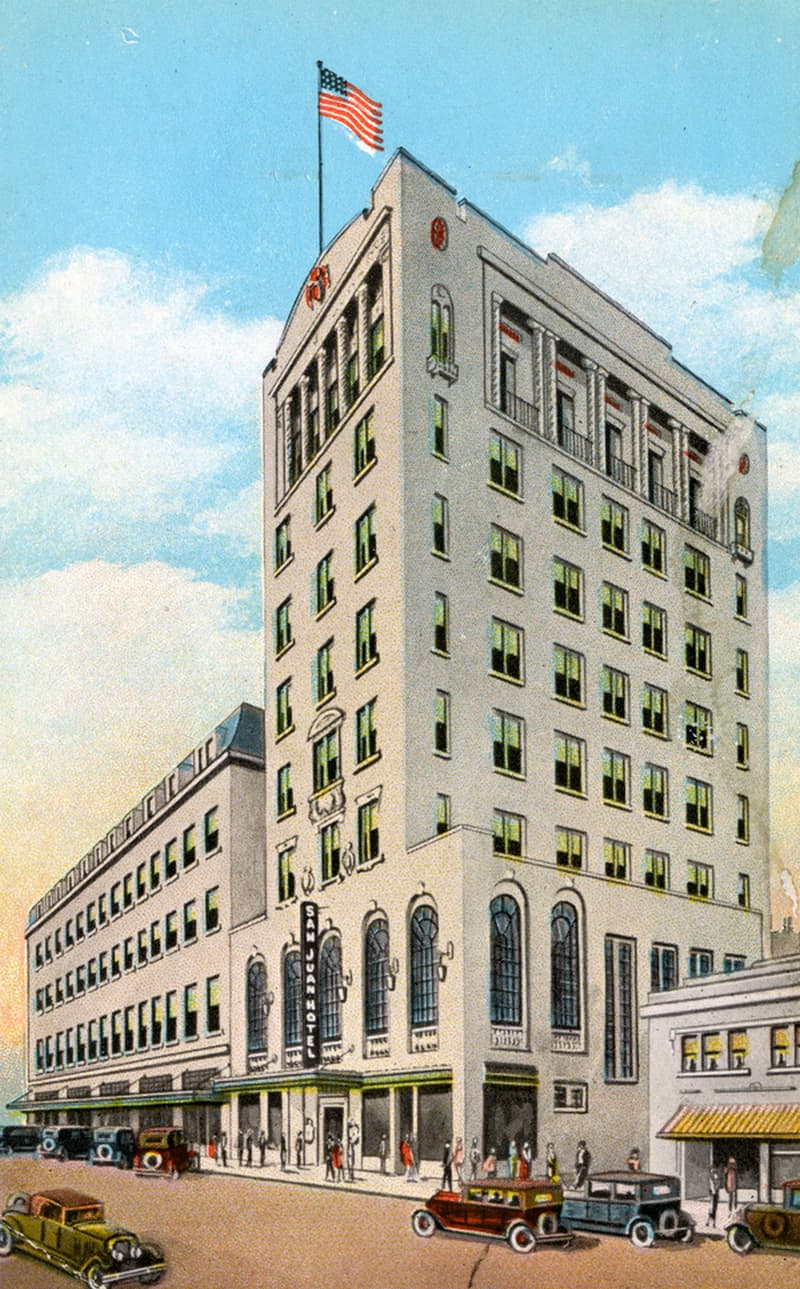
On October 1, 1971, the Walt Disney World Resort officially opened its doors, forever changing the trajectory of Orlando. The impact was immediate and profound. Suddenly, a relatively quiet Central Florida city was thrust into the international spotlight. The resort didn’t just bring tourists; it necessitated massive infrastructure development – new roads, utilities, and a dramatic expansion of the local workforce. The demand for accommodation skyrocketed, leading to the rapid construction of hotels, motels, and resorts, from luxury establishments like the Grand Floridian Resort & Spa to more budget-friendly options catering to families.
Orlando as a Global Tourist Magnet: Beyond Disney
The success of Walt Disney World paved the way for other major entertainment companies to establish their presence in Orlando. In the 1980s and 1990s, the city welcomed the Universal Orlando Resort, which expanded significantly with the addition of Universal Studios Florida and Islands of Adventure. SeaWorld Orlando also joined the ranks of world-class attractions, offering unique marine life experiences.
This proliferation of theme parks transformed Orlando into the ultimate family destination, but its appeal quickly broadened. The development of International Drive became a microcosm of Orlando’s tourism boom, a bustling corridor filled with an endless array of hotels, restaurants, shopping centers, and standalone attractions. From boutique hotels to sprawling convention resorts like the Rosen Shingle Creek, the choices for accommodation became incredibly diverse, catering to every travel style and budget. Visitors could opt for the immersive experience of staying within a themed resort such as Universal’s Hard Rock Hotel or the unparalleled luxury of the Four Seasons Resort Orlando at Walt Disney World Resort. The rise of vacation rentals and apartment-style accommodations further diversified the options, appealing to long-term stays and larger groups.
Tourism became the undeniable lifeblood of Orlando’s economy, creating millions of jobs and fostering a vibrant, multicultural lifestyle. The city quickly adapted to its new role, becoming adept at hospitality, service, and creating memorable experiences for visitors from every corner of the globe. This period saw the city’s population explode, and its skyline rise to accommodate the demands of a modern metropolis centered around entertainment and leisure.
Orlando Today: A Vibrant Tapestry of History and Innovation
Today, Orlando is far more than just theme parks. While Walt Disney World, Universal Orlando Resort, and SeaWorld Orlando remain colossal draws, the city has consciously diversified its economy, with significant growth in technology, healthcare, and advanced manufacturing sectors.
The city also boasts a rich cultural scene, reflecting its diverse population. The Dr. Phillips Center for the Performing Arts hosts Broadway shows, concerts, and local productions, while the Orlando Museum of Art showcases impressive collections. Historic Downtown Orlando buzzes with nightlife, fine dining, and charming green spaces like Lake Eola Park, where visitors can enjoy swan boat rides and weekly farmers’ markets. The nearby city of Winter Park offers a more upscale, historic charm with its boutique shops, art galleries, and scenic boat tours.
From its humble origins as a frontier outpost named after a fallen soldier, Orlando has undergone several profound transformations. Its official incorporation in 1875 marked its formal establishment, but the real “founding” of modern Orlando as a global travel destination arguably began with Walt Disney’s vision in the 1960s and the subsequent opening of Walt Disney World Resort in 1971.
This journey from cattle and citrus to castles and coasters is a testament to the resilience, innovation, and entrepreneurial spirit that has defined Central Florida. For travelers today, Orlando offers a mosaic of experiences: thrilling attractions for families, luxurious resorts for discerning travelers, a vibrant culinary scene, and a growing appreciation for its own rich, often overlooked, history. Whether seeking adventure, relaxation, or cultural immersion, Orlando continues to evolve, promising a unique blend of historical charm and futuristic marvels to all who visit.
LifeOutOfTheBox is a participant in the Amazon Services LLC Associates Program, an affiliate advertising program designed to provide a means for sites to earn advertising fees by advertising and linking to Amazon.com. Amazon, the Amazon logo, AmazonSupply, and the AmazonSupply logo are trademarks of Amazon.com, Inc. or its affiliates. As an Amazon Associate we earn affiliate commissions from qualifying purchases.