
For many United States citizens dreaming of an idyllic Caribbean getaway, the question of passport requirements often arises, especially when considering destinations like Puerto Rico. The short, delightful answer for US citizens is no, a passport is not required for travel to Puerto Rico. This fact immediately streamlines the travel planning process, opening up this vibrant US territory to a broader audience of travelers.
Puerto Rico is much more than just a convenient passport-free destination; it’s a rich tapestry of history, culture, natural beauty, and exhilarating experiences that beckon visitors from around the globe. As an unincorporated territory of the United States, travel between the mainland US and Puerto Rico is considered domestic travel. This unique political status means that US citizens can enjoy the vibrant rhythms of San Juan, explore the lush rainforests, and relax on pristine beaches without the bureaucratic hurdles often associated with international trips.

This guide delves deep into the specifics of travel documentation for Puerto Rico, offering clarity on what identification you will need, and then transitions into a comprehensive overview of why Puerto Rico should be at the top of your travel list. From its captivating landmarks and diverse accommodations to its tantalizing cuisine and unique lifestyle offerings, we’ll explore everything you need to know for an unforgettable Puerto Rican adventure.
Understanding US Travel Regulations for Puerto Rico
The question of whether a passport is needed for Puerto Rico stems from its unique status within the United States. While it feels like an exotic foreign destination with its distinct Spanish language, vibrant Latin culture, and different currency (the US dollar), it technically falls under the umbrella of domestic travel for US citizens.
The Legal Framework: Why No Passport Is Needed
As an unincorporated territory, Puerto Rico is subject to US federal laws, including those governing immigration and travel. This means that a US citizen traveling to Puerto Rico is essentially traveling within the United States. The same rules that apply to flying from New York to California apply to flying from Florida to Puerto Rico.
This exemption extends not only to US citizens but also to legal permanent residents of the United States. They, too, can travel to Puerto Rico without a passport, provided they carry their valid permanent resident card. However, for non-US citizens or non-permanent residents, standard international travel requirements apply. Visitors from other countries will need a valid passport and any necessary visas, just as they would for entry into the mainland United States. This distinction is crucial for international travelers planning their trip.
Identifying Acceptable Forms of Identification
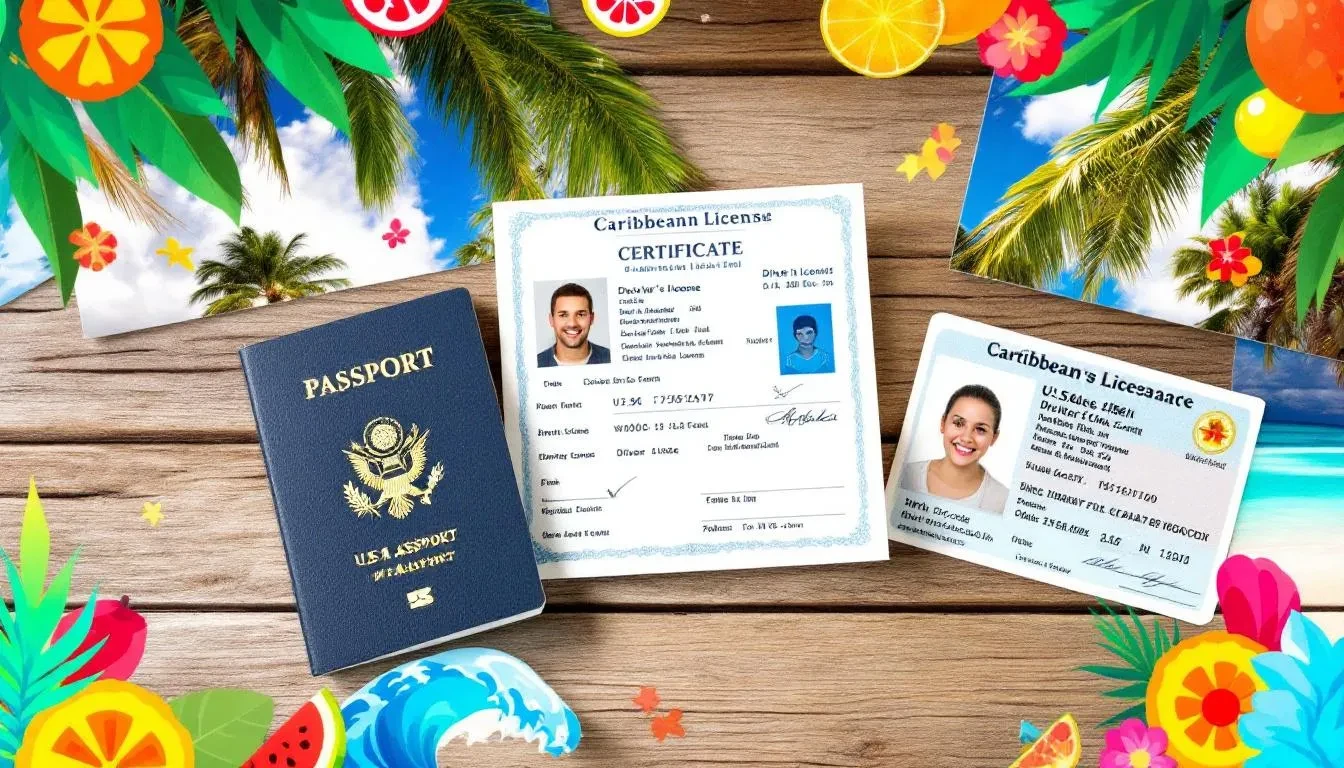
While a passport isn’t mandatory for US citizens, you will still need a valid form of government-issued photo identification to board your flight. The Transportation Security Administration (TSA) requires all adult passengers 18 years and older to present a valid photo ID at the airport security checkpoint.
Acceptable forms of identification include:
- A state-issued enhanced driver’s license or identification card (compliant with REAL ID standards, which became mandatory for domestic air travel in May 2025).
- A US Department of Defense ID.
- Other federally recognized IDs such as a permanent resident card or a tribal identification card.
It is always advisable to check the latest TSA guidelines before your trip, as requirements can sometimes change. Children under 18 traveling with an adult typically do not need to show ID, but it’s good practice to carry a birth certificate or other proof of age, especially for infants. While technically not required, some travelers prefer to carry their passport even for domestic travel, as it is widely accepted and often seen as the most secure form of identification.
Planning Your Trip: Beyond the Passport Question
With the passport dilemma settled, the real fun of trip planning begins. Puerto Rico offers an incredibly diverse range of experiences, catering to every type of traveler, from the adventure seeker to the relaxation enthusiast, from budget-conscious explorers to those seeking luxury travel.
Top Destinations and Attractions in Puerto Rico
The island is a treasure trove of destinations and attractions, each offering a unique slice of Puerto Rican charm.
- Old San Juan: This historic district is a must-visit. With its cobblestone streets, colorful colonial buildings, and impressive fortifications like El Morro and Castillo de San Cristóbal, Old San Juan is a designated UNESCO World Heritage Site. You can spend days exploring its intricate alleys, discovering hidden plazas, and enjoying the vibrant street life. The district is also home to charming boutique hotels, art galleries, and restaurants serving traditional Puerto Rican cuisine.
- El Yunque National Forest: As the only tropical rainforest in the US National Forest System, El Yunque is an ecological marvel. Visitors can hike through lush trails, discover stunning waterfalls like La Mina Falls, and marvel at the incredible biodiversity, including the iconic coquí frog. It’s an essential experience for nature lovers and offers a refreshing escape from the coastal heat.
- Bioluminescent Bays: Puerto Rico is home to three of the world’s five bioluminescent bays, offering a magical nighttime experience. Mosquito Bay in Vieques is often cited as the brightest, but Laguna Grande in Fajardo and La Parguera in Lajas also provide incredible opportunities to kayak or boat through waters glowing with microscopic organisms.
- Beach Escapes: From the white sands of Flamenco Beach on Culebra (consistently ranked among the world’s best) to the lively shores of Condado and Luquillo Beach, Puerto Rico boasts an array of stunning beaches perfect for swimming, sunbathing, surfing, and snorkeling. Surfers flock to the west coast town of Rincón for its legendary waves.
- Ponce: Known as the “Pearl of the South,” Ponce offers a different architectural and cultural experience from San Juan. Its historic center is adorned with elegant neoclassical buildings, and the Museo de Arte de Ponce houses an impressive collection of European and Puerto Rican art.
Accommodation Options for Every Traveler
Puerto Rico caters to a wide spectrum of accommodation preferences, from opulent resorts to charming guesthouses and everything in between.
- Luxury Resorts and Hotels: Along the coastline, particularly in areas like Dorado, Rio Grande, and Condado, you’ll find world-class hotels and resorts offering lavish suites, private beaches, golf courses, and exquisite dining. Properties like The Ritz-Carlton, San Juan, Dorado Beach, a Ritz-Carlton Reserve, and St. Regis Bahia Beach Resort provide unparalleled amenities and service for those seeking an indulgent escape.
- Boutique Hotels and Guesthouses: For a more intimate and culturally immersive experience, consider the numerous boutique hotels found in Old San Juan, Santurce, and smaller towns. These often feature unique architecture, personalized service, and a strong connection to local art and history.
- Vacation Rentals (Apartments and Villas): Platforms like Airbnb and VRBO are popular in Puerto Rico, offering everything from urban apartments with ocean views to secluded villas perfect for family trips or groups. This option provides flexibility, a sense of local living, and often kitchen facilities for those who prefer to cook.
- Budget-Friendly Stays: For budget travelers, hostels in San Juan and guesthouses in surf towns like Rincón offer affordable options without sacrificing charm or access to attractions. It’s possible to find comfortable and clean accommodation that allows you to stretch your travel budget further.
Booking in advance is highly recommended, especially during peak season (winter months and holidays), to ensure the best rates and availability. Comparing reviews and amenities across different platforms can help you find the perfect stay for your needs.
Culinary Delights and Cultural Immersion
Puerto Rican cuisine is a flavorful fusion of Spanish, African, and Taíno influences, creating a unique culinary landscape. Food is central to the local culture, and exploring it is an integral part of any visit.
- Must-Try Dishes: Don’t leave without savoring mofongo (fried plantains mashed with garlic and pork cracklings), lechon (roast suckling pig), arroz con gandules (rice with pigeon peas), and pasteles (a Puerto Rican version of tamales). Street food vendors and lechoneras (open-air restaurants specializing in roast pork) are excellent places to experience authentic flavors.
- Rum and Coffee: Puerto Rico is world-renowned for its rum production, with distilleries like Casa Bacardi offering tours and tastings. The island also boasts a rich history of coffee cultivation, particularly in the central mountainous regions, where you can visit coffee haciendas for tours and fresh brews.
- Festivals and Music: Immerse yourself in the vibrant local culture by attending one of the many festivals held throughout the year, such as the San Sebastián Street Festival in Old San Juan or the Heineken JazzFest. Music, from salsa and bomba y plena to reggaeton, is the heartbeat of the island, and you’ll find live music venues in nearly every town.
Essential Travel Tips for a Smooth Puerto Rican Adventure
Beyond the basic documentation, a few practical travel tips can significantly enhance your Puerto Rican journey, ensuring a seamless and enjoyable experience.
Budgeting and Lifestyle Considerations
Managing your finances and understanding the local way of life are key to a stress-free vacation.
- Currency and Language: The official currency is the US dollar, making financial transactions straightforward for US travelers. While Spanish and English are both official languages, Spanish is predominantly spoken, especially outside of major tourist hubs. Learning a few basic Spanish phrases will be greatly appreciated and can enhance your interactions with locals.
- Tipping and Taxes: Tipping customs are similar to the mainland US, typically 15-20% for good service at restaurants and for tour guides. Puerto Rico has a sales tax (IVU) that applies to most goods and services, so factor this into your budget.
- Connectivity: US cell phone plans usually work seamlessly in Puerto Rico without roaming charges. Wi-Fi is widely available in hotels, cafes, and public areas.
Getting Around and Staying Safe
Navigating the island and prioritizing safety are crucial for a positive travel experience.
- Transportation: Renting a car is highly recommended for exploring beyond San Juan and accessing national parks, secluded beaches, and other attractions. Roads are generally well-maintained, though signage can sometimes be in Spanish only. In San Juan, taxis, ride-sharing services, and public buses are available. For inter-island travel to Vieques and Culebra, ferries from Ceiba are the primary mode of transport, though small planes also operate.
- Health and Safety: Tap water is generally safe to drink in major cities, but bottled water is always a good option if you have a sensitive stomach or are in more rural areas. Always use insect repellent, especially when visiting El Yunque or the bioluminescent bays, to protect against mosquitoes. As with any travel destination, exercise common sense and be aware of your surroundings, especially at night in unfamiliar areas. Keeping valuables out of sight and being cautious about displaying large amounts of cash are sensible precautions.
- Weather and Packing: Puerto Rico enjoys a tropical climate year-round, with average temperatures in the 80s Fahrenheit (27-32 Celsius). Pack light, breathable clothing, swimwear, comfortable walking shoes, and a light rain jacket for sudden showers, particularly in the rainforest. Sunscreen, a hat, and sunglasses are absolute essentials due to the strong tropical sun. The hurricane season officially runs from June 1st to November 30th, so if traveling during this period, it’s wise to monitor weather forecasts and consider travel insurance.
In conclusion, the answer to “Do you need a US passport to go to Puerto Rico?” is a resounding no for United States citizens, simplifying travel significantly. This opens the door to an extraordinary island that promises an unforgettable blend of adventure, relaxation, and cultural immersion. From the historic grandeur of Old San Juan to the natural wonders of El Yunque and the glowing bioluminescent bays, Puerto Rico invites you to explore its vibrant landscapes and rich traditions, offering a truly unique Caribbean escape without the need for international documentation. Pack your bags, grab your driver’s license, and get ready for the enchantment of Puerto Rico!
LifeOutOfTheBox is a participant in the Amazon Services LLC Associates Program, an affiliate advertising program designed to provide a means for sites to earn advertising fees by advertising and linking to Amazon.com. Amazon, the Amazon logo, AmazonSupply, and the AmazonSupply logo are trademarks of Amazon.com, Inc. or its affiliates. As an Amazon Associate we earn affiliate commissions from qualifying purchases.